Asia Philanthropy Congress 2025Leaders from around the world gather to address philanthropy’s role in a fragmented and uncertain world
Organized by The Nippon Foundation, the 4th Asia Philanthropy Congress was held in Tokyo on December 4, 2025, under the theme “Philanthropy’s Role in a Fragmented and Uncertain World.” Roughly 220 participants from across Asia attended the one-day event that featured a musical performance, a morning plenary session, and 10 breakout sessions.
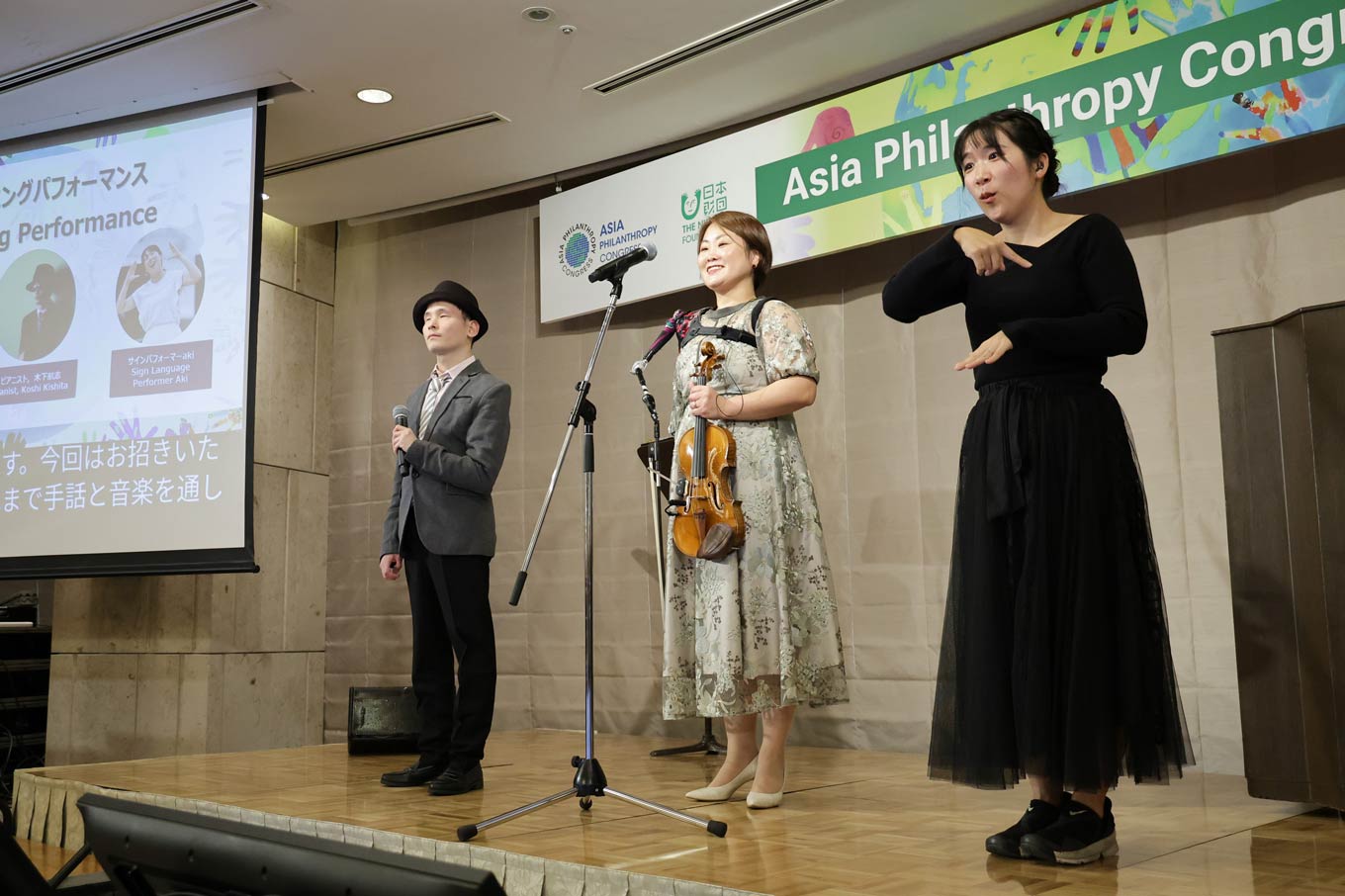
The event opened with a musical performance by singer-songwriter Koshi Kishita, violinist Manami Ito, and sign language performer Aki. Kishita is often described as the “Japanese Stevie Wonder,” having lost his sight one month after being born. Ito, who lost her right arm in a traffic accident at the age of 20, is Japan’s first nurse to use a prosthetic arm and a Paralympian swimmer, in addition to being a professional violinist. Aki is a sign language performer who expresses songs through sign language. Attendees enjoyed the trio’s performances of the popular songs “Ue o Muite Aruko” (known in English as “Sukiyaki”), “Let It Be,” and “Stand by Me.”
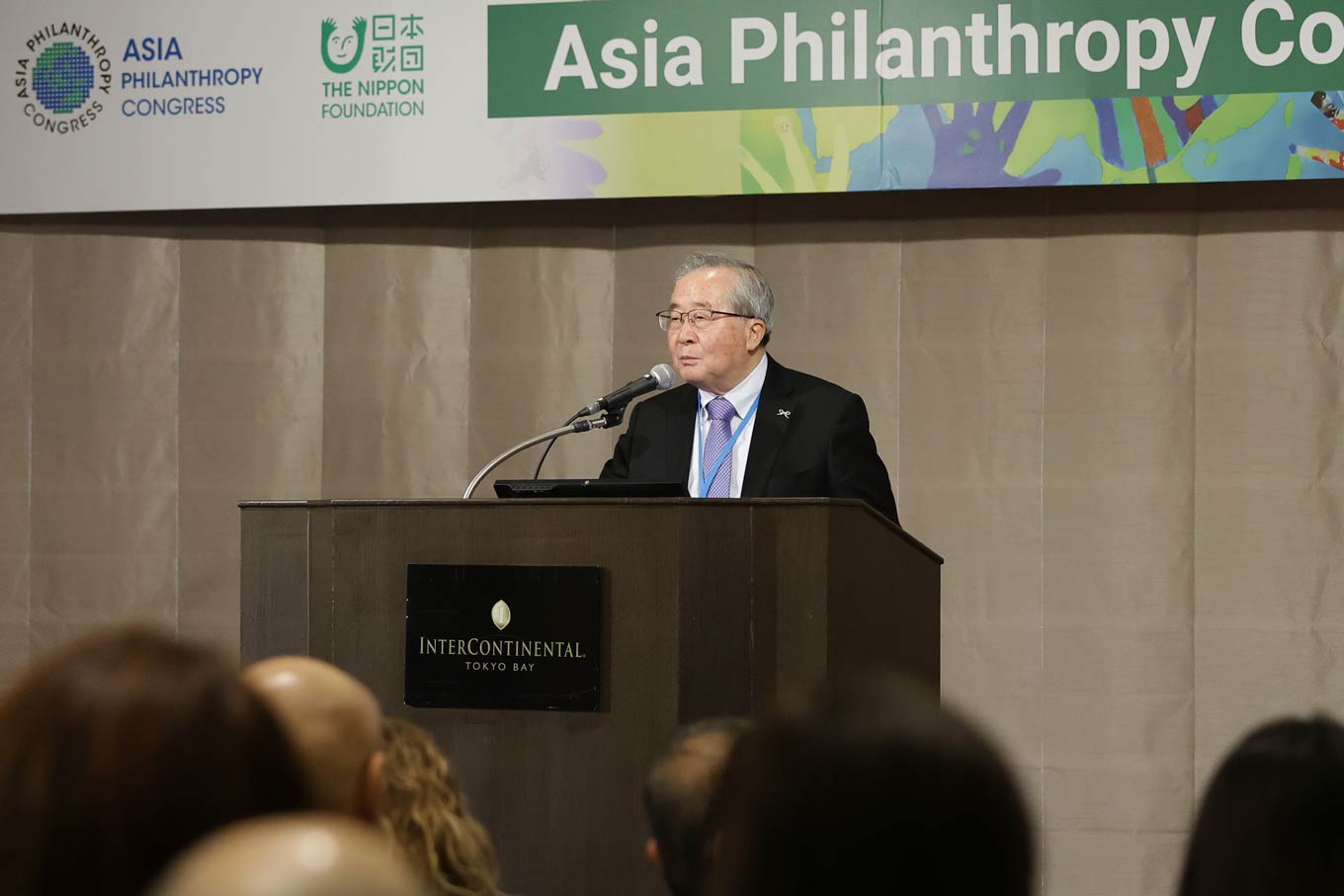
After the performance, The Nippon Foundation Chairman Takeju Ogata welcomed the participants and speakers with opening remarks, calling for regional coordination across Asia to address problems that are too great to be solved by any single country or organization.
Ogata’s remarks were followed by a panel discussion plenary session on the subject “Collective Action Toward the Future of Asia: Inclusion as a Key to Social Innovation,” moderated by Naina Subberwal Batra, CEO of the Asian regional social investment network AVPN, with panelists Roberta Cordano, President, Gallaudet University, Jeff Dodds, Chief Executive Officer, Formula E and Chair of the Valuable 500, Bathylle Missika, Head, Inclusive Development and Partnerships Division, OECD Development Centre, and Güler Sabancı, Chair, Sabancı Foundation.
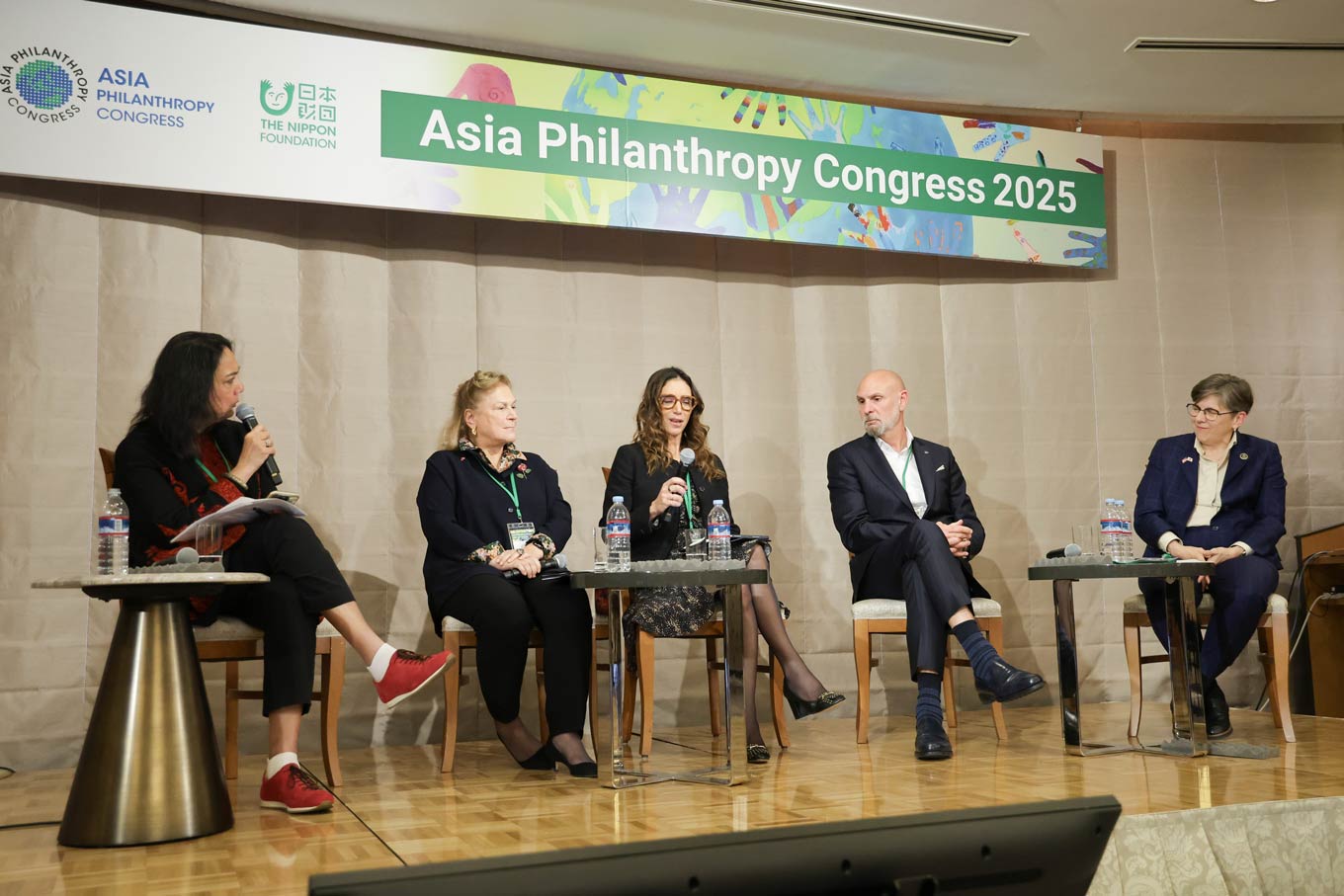
The panel began by discussing the meaning and importance of inclusion. Using sign language, Cordano noted that inclusion is not simply assimilating into the larger group but rather being yourself with a sense of equity and belonging, which she termed “inclusive excellence.” Dodds pointed out that in the case of Formula E, women account for roughly half of the sport’s global fan base, which led to a discussion of the importance of realizing and identifying the economic benefits of inclusion. Missika also discussed the importance of having data to demonstrate those economic benefits.
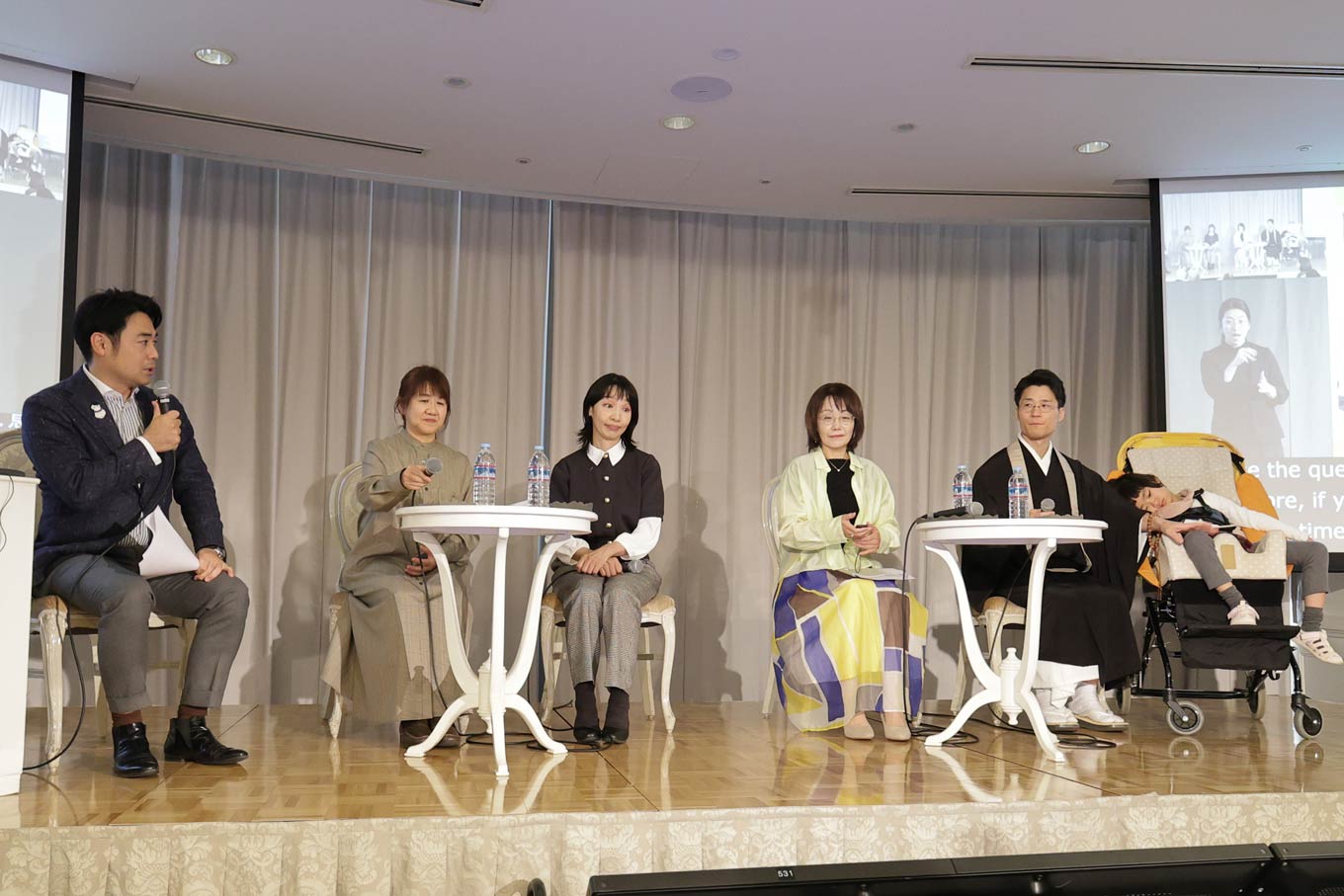
The Sasakawa Health Foundation organized a breakout session on the topic “Toward a Community Where Children Requiring Medical Care and Their Families Can Live with Peace of Mind.” The panel was moderated by Takahiro Takano, a certified social worker and member of the Tokyo Metropolitan Assembly. Three of the panelists operate facilities engaged in home medical care and day-care services, for children in particular. The fourth panelist has been providing caregiving and child-rearing on a daily basis since his wife experienced complications during childbirth, which led to her becoming disabled and their daughter being born requiring long-term medical care. Themes the panel identified included the difficulty but also the importance of not being afraid to ask for help, the fact that people need to speak up to make politicians aware of the issues they face, and that government support tends to be compartmentalized rather than comprehensive. They also noted the importance of having opportunities for children with care needs to have opportunities to interact with others, including other children in similar circumstances.
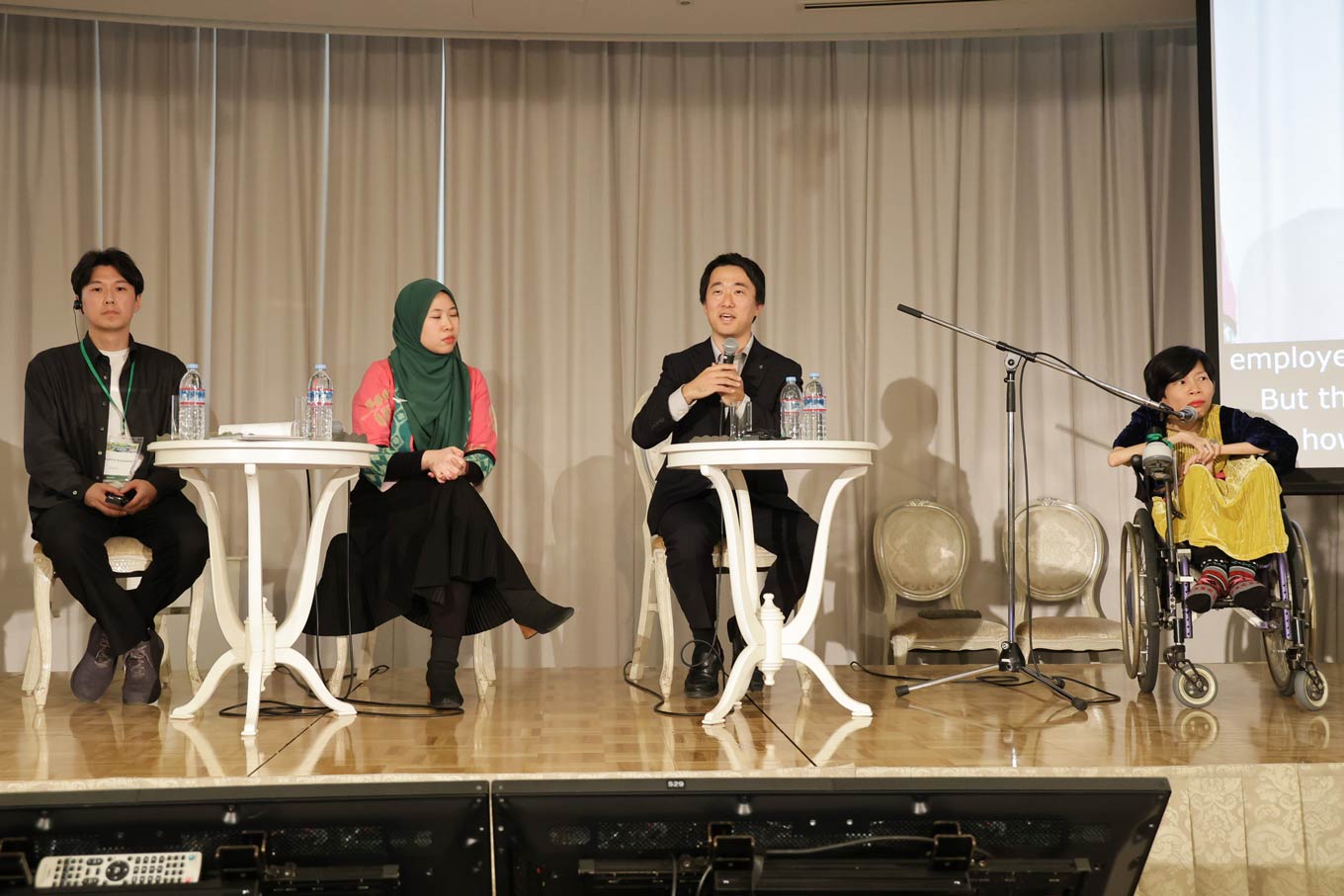
Another session, organized by the Sasakawa Peace Foundation, dealt with “Redefining Inclusion: Disability-Led Innovation Transforming Asia.” Masahiro Sasayama, CEO of OryLab Inc., began the session by introducing the company’s DAWN café, where customers are served by OriHime robots. The robots are operated remotely from the homes or hospital rooms of people who have trouble going out for various reasons, giving these people a chance to interact with others outside their immediate surroundings. This was followed by a panel discussion on disability-led innovation. Nguyen Van has founded a company that employs people with disabilities and an organization that provides people with disabilities in Vietnam with free information technology and digital skills training and job support. She emphasized that inclusion should be thought of as infrastructure rather than charity. Junto Ohki has developed a range of IT-based services, including remote sign language interpretation and video production, to realize a “sign language business.” They discussed the challenges in scaling their businesses, with the three primary areas being in terms of finances, workplace accessibility, and training.
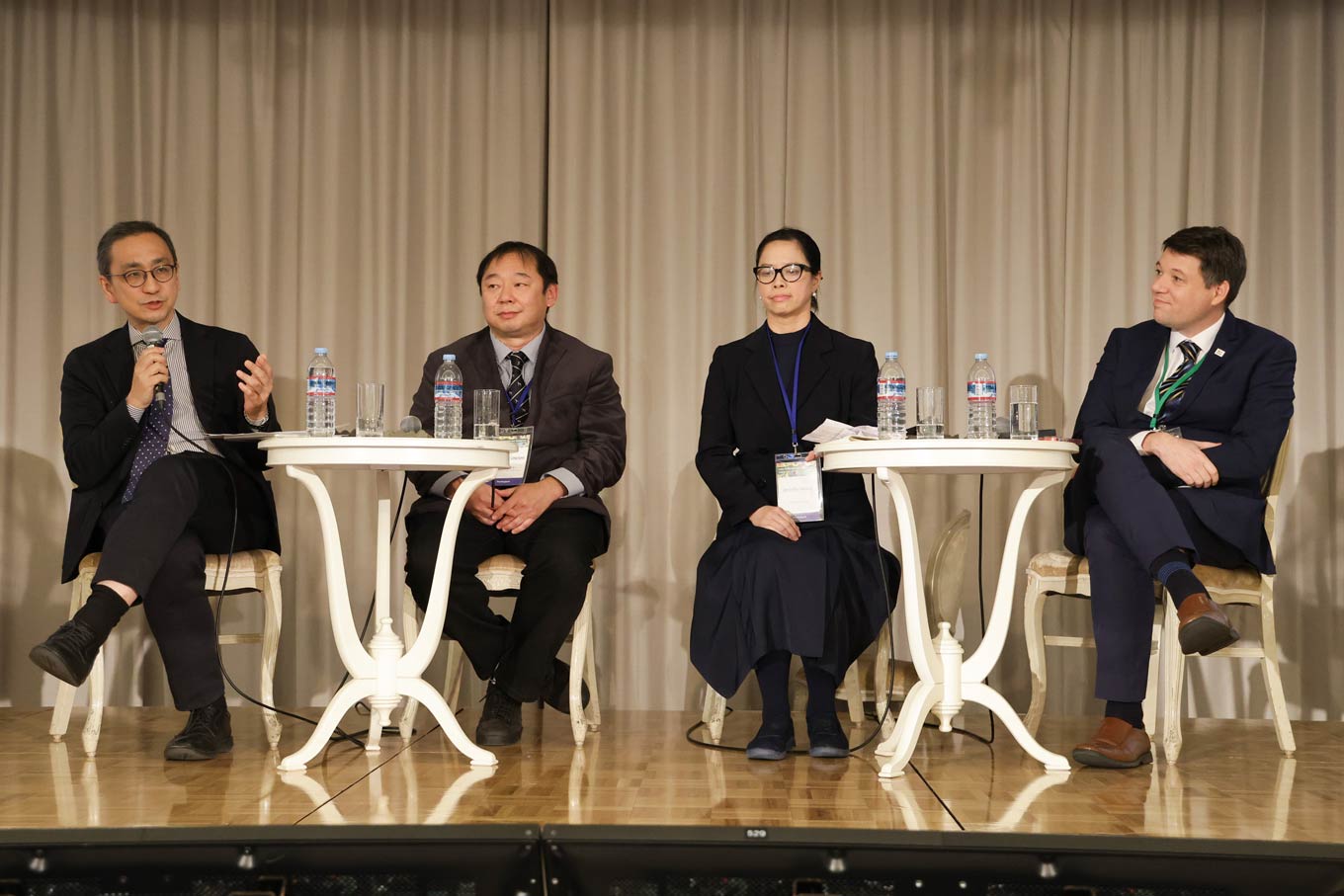
AVPN also organized a session on the theme of “Beyond Boundaries: Collective Action for Disaster Resilience in Asia.” The three panelists, representing organizations based in Japan and Taiwan and the International Federation of Red Cross and Red Crescent Societies (IFRC), are all involved in disaster relief and recovery operations in Asia. They pointed out that 80% of the world’s disaster victims are in Asia and stressed the importance of investment before a disaster occurs, noting that each dollar of investment saves $7 in costs after a disaster occurs. They also discussed new ways of funding relief and recovery operations, including through the use of insurance.
Related Link
Contact
Global Issues Team
The Nippon Foundation
- Email: 100_global_issues@ps.nippon-foundation.or.jp