Hydrogen Engine Zero Emission Vessel Demonstration ConsortiumAiming for zero emissions in marine transport
Project overview
This consortium is developing a zero emission vessel equipped with engines that burn only hydrogen as fuel, with demonstration testing targeted for 2026. It is also creating infrastructure to supply hydrogen (hydrogen fueling stations). To offer solutions that meet the actual needs of vessel operators, the consortium is working on the technological development of engines that run solely on hydrogen as fuel (hydrogen single-fueled engines), as well as engines that can utilize a combination (hydrogen dual-fueled engines) of hydrogen with synthetic fuels or biofuels (plant-derived fuels like cooking oil from general households). By delivering value-added proposals that combine economic efficiency and safety, the project will contribute to the popularization of zero emission vessels.
Development status (as of September 2024)
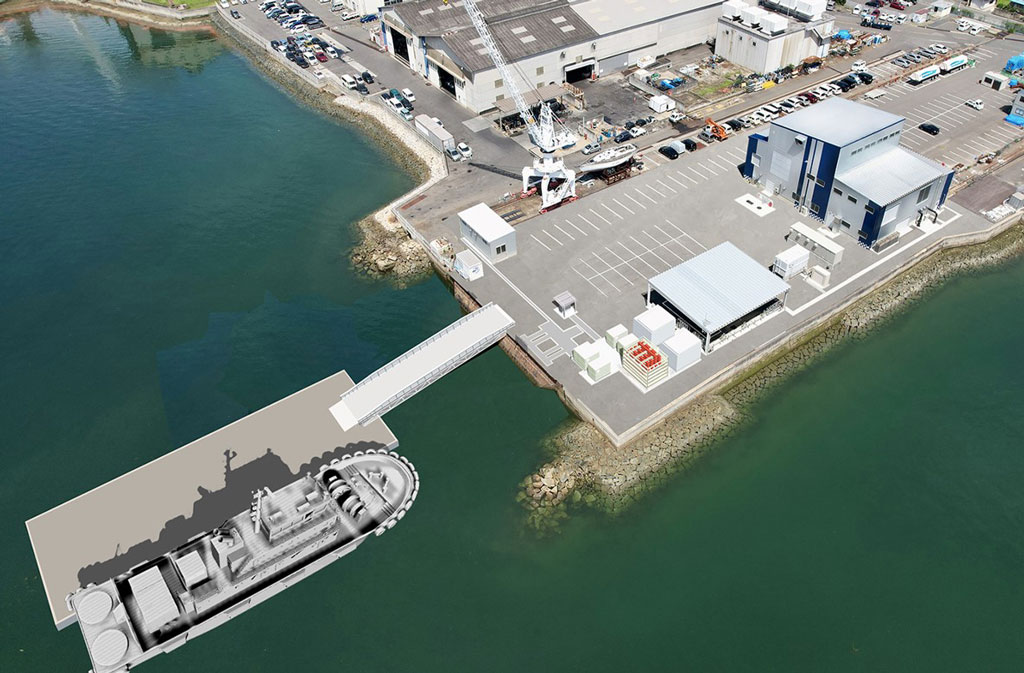
Studies are currently being made into: (1) The development of a hydrogen-fueled tugboat, (2) The land-based operation of a hydrogen dual-fueled engine generator; and (3) The construction of a hydrogen engine R&D center.
(1) Hydrogen-fueled tugboat
Aiming to address the issue of safely operating a large-capacity output hydrogen engine and a system for storing and supplying highly pressurized gas, the consortium is developing a tugboat equipped with a hydrogen dual-fueled engine. The vessel will also allow for stable use while hydrogen fueling infrastructure is being built. Tugboat engines have output that far exceeds what one would imagine from the size of the vessel. The consortium aims to develop a tugboat that reduces CO2 emissions by up to 80% compared with conventional engines. Construction is currently underway at Tsuneishi Shipbuilding, with completion scheduled for the second half of next year.
(2) Hydrogen engine generator
The zero emission vessel will use electric propulsion from a combination of multiple hydrogen single-fueled engines and an electric generator. The consortium will first develop a generator set that can be used on land to conduct trial operations of a hydrogen single-fueled engine before installing them on the tugboat. The engine manufacturing, generator set design, and work to comply with various regulations are currently underway.
(3) Hydrogen engine R&D center (partially funded)
To enhance the hydrogen engines’ functionality further and ensure compliance with various environmental regulations, a research and development center with an engine test bench equipped with measuring equipment including an exhaust gas analyzer and combustion analyzer opened on September 4. A hydrogen fueling station that can supply the vessel with hydrogen gas is also being built at the center at the same time, with the fueling station scheduled for completion during the first half of 2025.
Development highlights
Power sources for ships require extremely high output compared with vehicles like automobiles, which is one of the difficulties in achieving effectively zero emissions while maintaining the functional issues of sufficient navigation distance and speed together with economic viability.
This project is therefore emphasizing the following points in the design.
- Development of a system capable of operating in three modes: hydrogen single-fueled (zero emission), hydrogen dual-fueled (CO2 reduction of at least 50%), and diesel fuel only.
- The use of highly pressurized hydrogen gas instead of liquid hydrogen for economic and operational (maintenance, etc.) considerations, and of equipment that is readily available commercially to handle the pressurized hydrogen gas.
- Because this will be the first construction and operation in Japan of actual facilities for pumping the pressurized hydrogen gas to a ship, in addition to the vessel’s development and demonstration testing, the project will seek to establish expertise needed for widespread implementation.
Looking ahead
Following the completion of the hydrogen-fueled tugboat construction and demonstration testing of the hydrogen dual-fueled / single-fueled engine generator, the consortium will begin designing the zero emission vessel. At the same time, a floating ship-use hydrogen fueling station for pumping hydrogen into the hydrogen engine-equipped vessel will be constructed.
Regarding further hydrogen engine technological development, along with vessel development, the project aims to apply hydrogen engines in various onshore fields including heavy machinery, agricultural machinery, and port cargo handling equipment, accumulating and utilizing hydrogen engine-related expertise in a variety of ways. The consortium will also work with related parties for the safe maritime use of equipment including hydrogen tanks and high-pressure gas valves, which have not previously been used in this environment.
Comments
Satoshi Machida, JPN H₂YDRO Co., Ltd.
High-output, highly reliable engines are all around us. We are working on hydrogen engines that integrate these engines with hydrogen, an energy source with little environmental impact. As a first step, thanks to the cooperation of everyone involved in the development, a generator set equipped with a hydrogen engine is nearing completion. In addition to zero emission ships, we will provide products and mobility solutions capable of meeting the diverse needs of our customers in the near future!
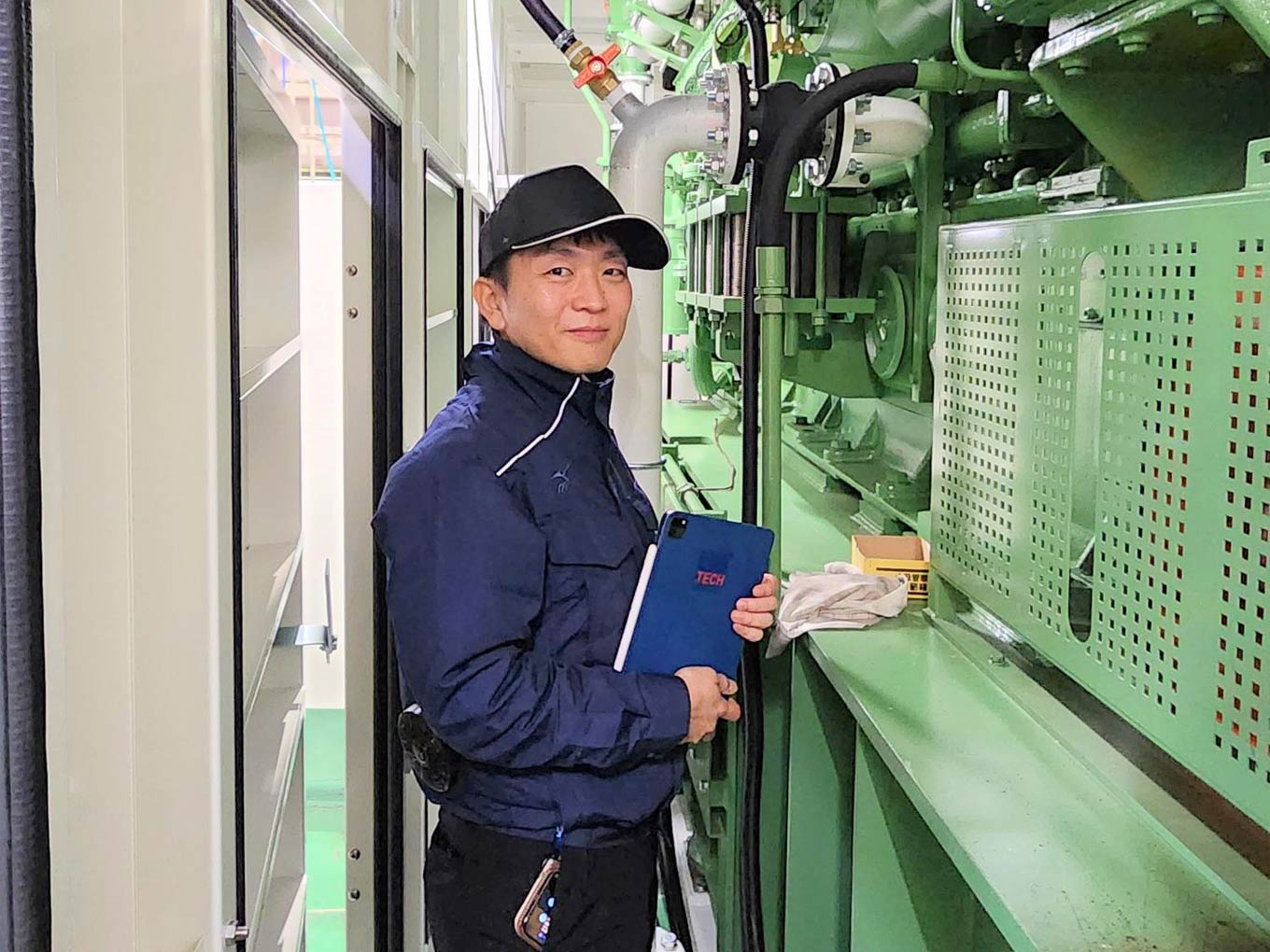
Yuki Fujii, Tsuneishi Shipbuilding Co., Ltd.
Although few ships using hydrogen have been built anywhere in the world to date, a passenger ferry capable of running on a combination of hydrogen and diesel fuel entered service in 2021. That state-of-the-art vessel has become a place where children who board it can learn about “hydrogen” while also feeling close to it. Although there are various technical hurdles to achieving vessels that do not emit CO2, we hope this initiative will make at least some small contribution to the children who will popularize zero emission vessels in the future.