Next Generation of Japan Specialists Gather in LondonSasakawa Studentship and Alumni Day 2026 highlights the future of Japanese Studies in the UK
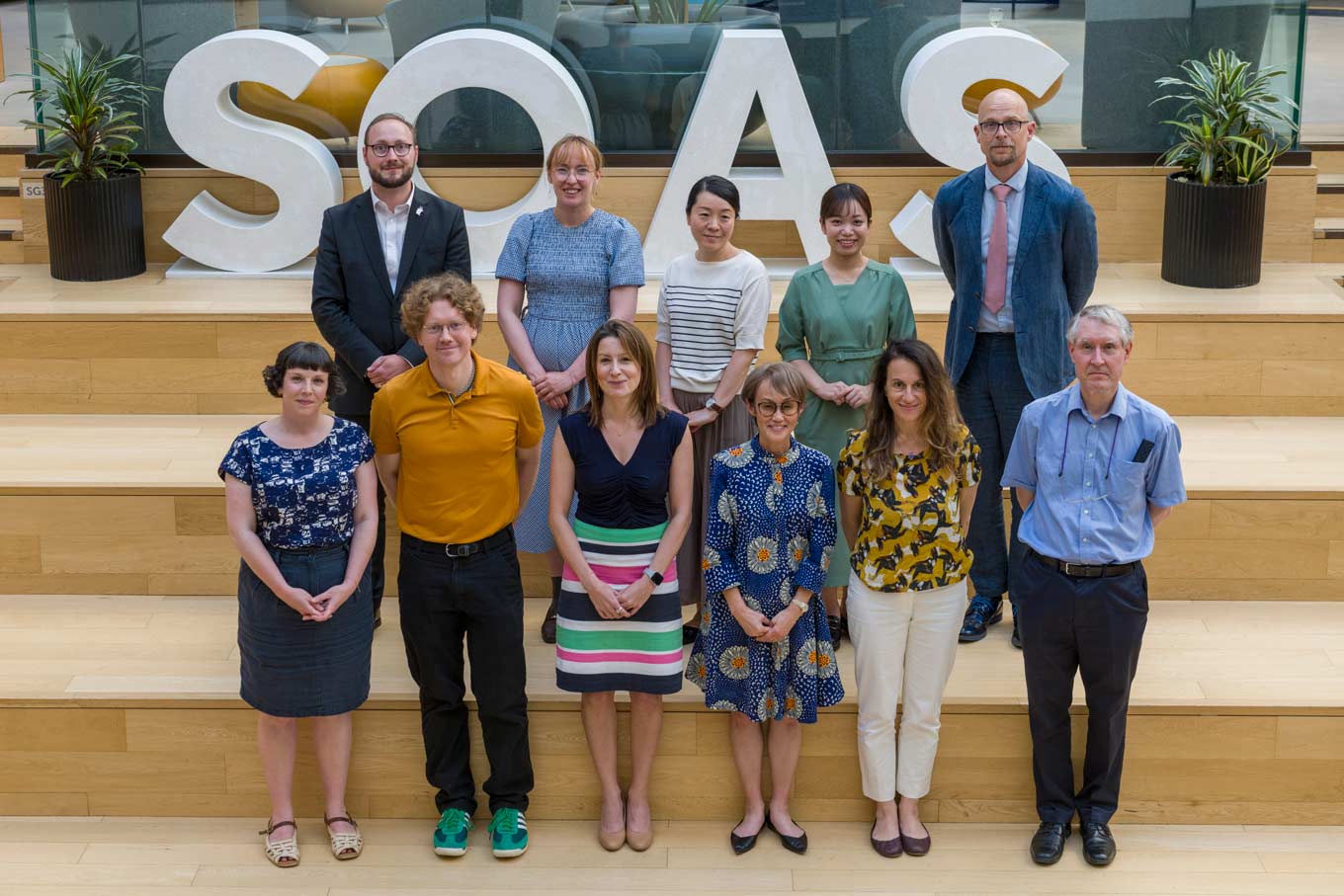
On May 29, 2026, students, alumni, academics, and research-support organizations from across the United Kingdom gathered at SOAS University of London for the Sasakawa Studentship and Alumni Day 2026. Organized by the Great Britain Sasakawa Foundation (GBSF), the biennial event brought together approximately 50 participants to share research, exchange ideas, and strengthen the networks that support Japanese Studies in the United Kingdom, with Kiyomi Takahashi and Rihoko Kikuchi representing The Nippon Foundation.
Established in 1985, GBSF supports U.K.–Japan relations across a wide range of fields, including Japanese Studies, language education, arts and culture, and youth exchange. Over four decades, the Foundation has built strong relationships with universities and research institutions across the United Kingdom, supporting the development of Japanese Studies through lectureships, postgraduate funding, and research support. In recognition of these contributions, GBSF received the Foreign Minister’s Commendation from the Government of Japan in 2025.
Since 2014, The Nippon Foundation has supported the Sasakawa Japanese Studies Postgraduate Studentship Programme, administered by GBSF. The program provides funding to master’s and doctoral students undertaking Japan-related research at universities across the United Kingdom. More than 200 students have received support since the program was launched, helping to nurture the next generation of Japan specialists and contributing to the long-term sustainability of Japanese Studies in the United Kingdom.
British universities have long been recognized internationally for their contribution to Japanese Studies. They have produced generations of scholars, educators, translators, policy specialists, and cultural practitioners whose expertise has deepened understanding of Japan and strengthened U.K.–Japan relations. At a time when postgraduate funding opportunities remain limited, programs that support emerging researchers continue to play an important role in sustaining this expertise for future generations.
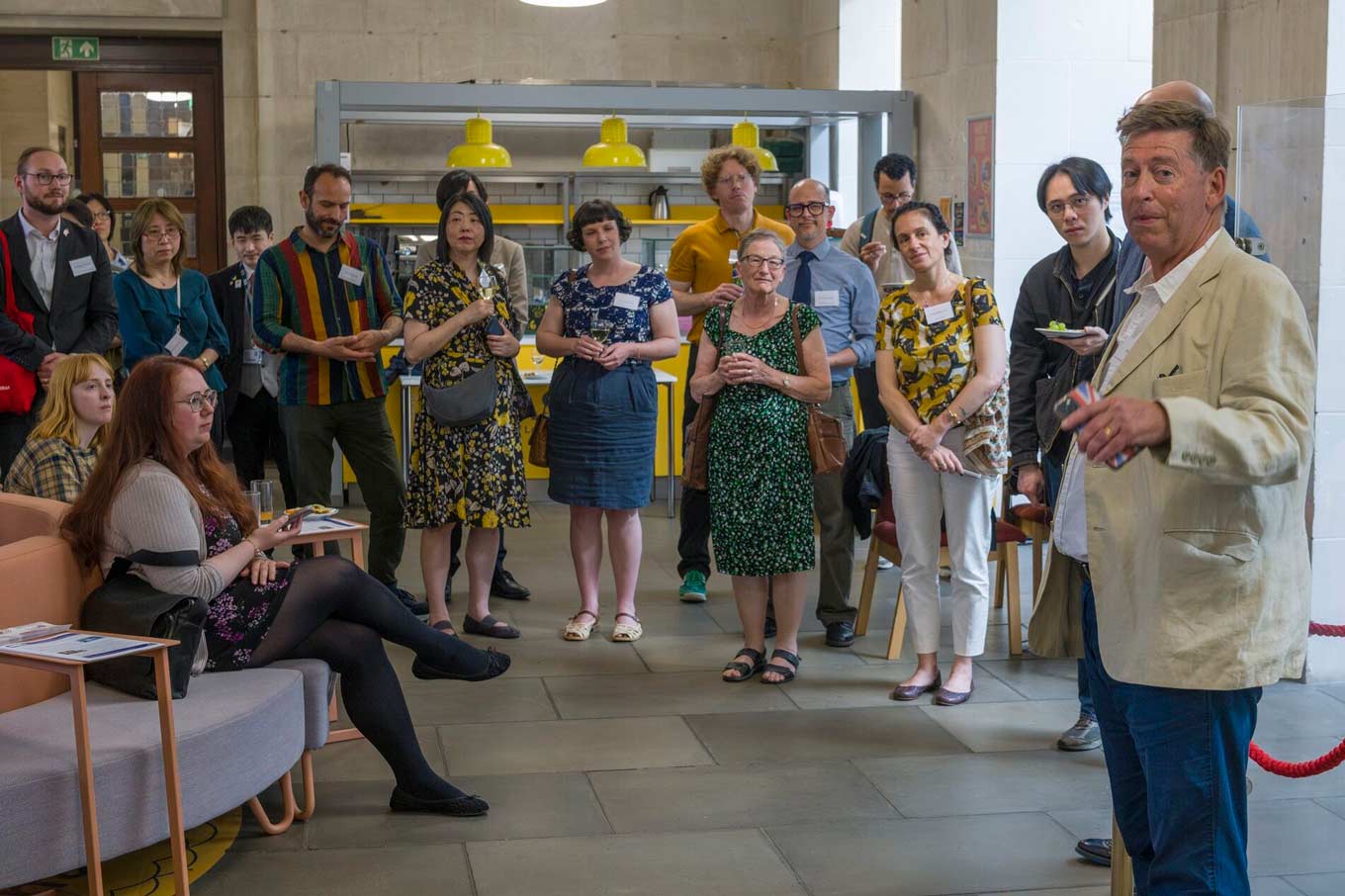
Research reflecting the breadth of contemporary Japanese Studies
The event opened with presentations by current doctoral students supported through the Studentship Programme.
Their research demonstrated the diversity and interdisciplinary nature of contemporary Japanese Studies. Topics included regional cooperation and institution-building in East Asia, Gothic representations in Japanese literature, translations of literary works written in the aftermath of the 1923 Great Kanto Earthquake, comparative studies of war memory and memorialization, and the adaptation and translation of classical Japanese literature into manga.
Following each presentation, academics from universities across the United Kingdom offered comments and engaged participants in discussions on theoretical approaches, comparative perspectives, and research methodologies. Many of the projects drew upon fieldwork and archival research conducted in Japan, highlighting the importance of ongoing academic exchange between the United Kingdom and Japan.
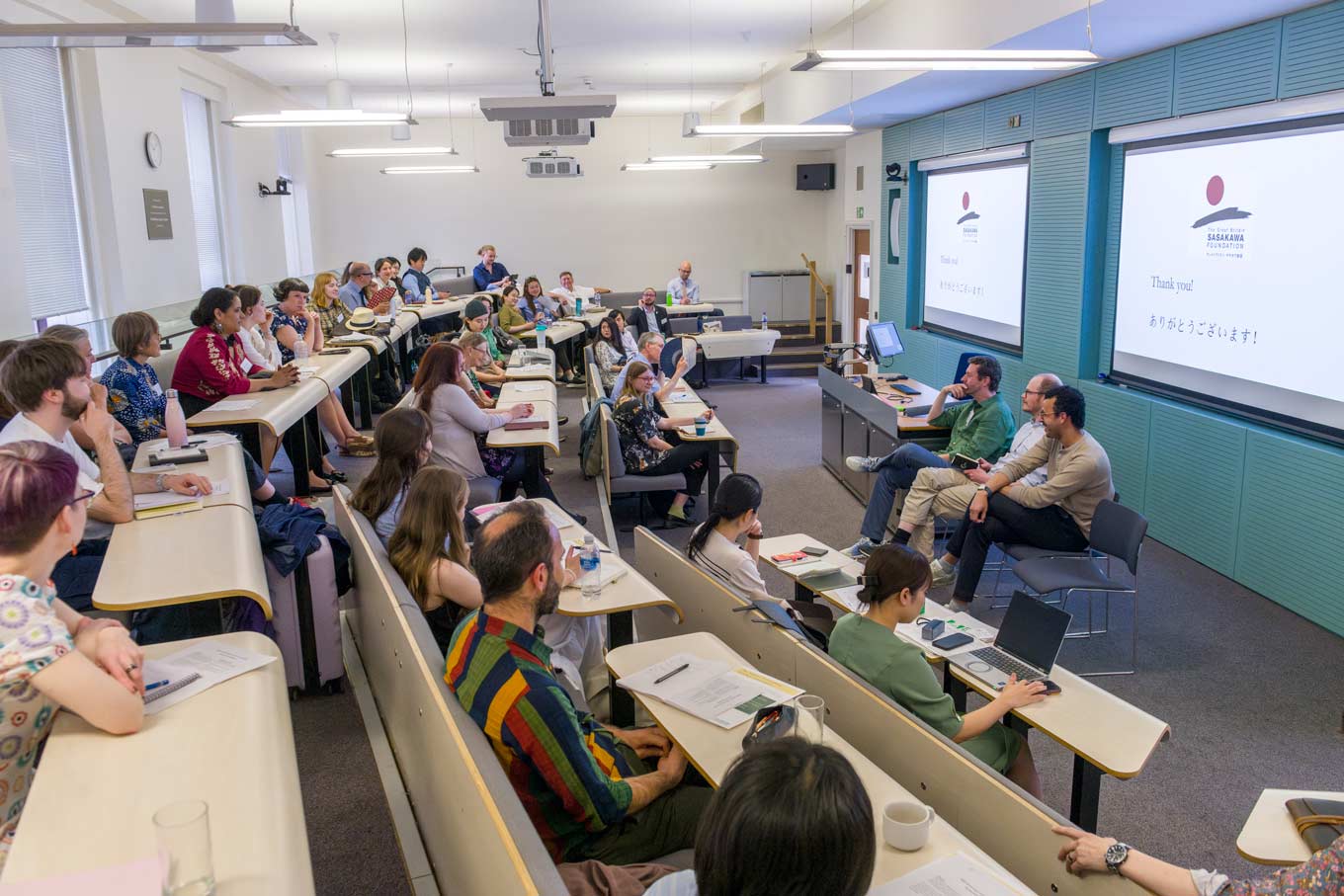
From postgraduate research to diverse professional careers
A career session featuring alumni of the program illustrated how expertise developed through Japanese Studies can lead to a wide range of professional pathways.
Alongside university lecturers and researchers, alumni working in translation, publishing, and cultural engagement shared their experiences and reflected on how their postgraduate training had shaped their careers.
One example of the program’s long-term impact is Nick Bradley, an author and scholar. Supported through the Studentship Programme during his doctoral studies at the University of East Anglia, Mr. Bradley conducted research on representations of cats in Japanese literature, examining works by authors including Natsume Soseki, Junichiro Tanizaki, and Haruki Murakami.
Alongside his academic work, he wrote “The Cat and the City,” a novel set in Tokyo that has since been translated into multiple languages and gained international recognition. His career demonstrates how knowledge and perspectives developed through Japanese Studies can contribute not only to academic scholarship but also to literature, publishing, and wider cultural exchange.
Building a community of scholars
The afternoon program included an introduction to the TNF Scholars Association (TNFSA), as well as presentations on research-support opportunities offered by organizations including the Daiwa Anglo-Japanese Foundation, the Japan Foundation, and the Japan Society for the Promotion of Science (JSPS).
The reception was attended by Paul Madden CMG, Chair of the Great Britain Sasakawa Foundation, and Shuji Maeda, Minister (Public Affairs and Culture) at the Embassy of Japan in the United Kingdom, together with representatives from universities and research-support organizations.
For a field as specialized as Japanese Studies, opportunities for researchers and students to connect across institutions are particularly valuable. The Studentship and Alumni Day serves not only as a platform for sharing research, but also as an opportunity to strengthen a supportive and collegiate community of scholars. Through these connections, current students can learn from alumni, explore new research opportunities, and build professional networks that will support their future careers.

Supporting the future of Japanese Studies and U.K.–Japan exchange
Over the past decade, the Sasakawa Japanese Studies Postgraduate Studentship Programme has helped support a growing community of scholars and professionals engaged with Japan. Many alumni have gone on to careers in academia, government, publishing, museums, cultural organizations, and other fields where expertise on Japan contributes to greater international understanding.
The Sasakawa Studentship and Alumni Day 2026 highlighted not only the achievements of current studentship recipients, but also the strength of the network that has developed around the program. Together, the scholars, alumni, and institutions involved are helping to sustain Japanese Studies in the United Kingdom while strengthening the relationships, knowledge, and mutual understanding that underpin the U.K.–Japan relationship.
Through its continued support for the program, The Nippon Foundation remains committed to fostering the next generation of Japan specialists and supporting the networks that strengthen Japanese Studies and U.K.–Japan exchange.
Related Links
Inquiries
International Projects Division
The Nippon Foundation
- Email: nf_kokusai@ps.nippon-foundation.or.jp