Entrusting a Mission: Sharing Governance Beyond FundingHow long-term, trust-based funding is reshaping philanthropy
Trust-based philanthropy (TBP), which emphasizes trust and core support as essential to sustaining nonprofit organizations, has recently been gaining attention. Growing doubts about a “social engineering” approach—where outcomes are predicted in advance and projects are tightly managed to meet predefined indicators—have led to a reassessment of this model.
The global conversation around TBP gained momentum in 2020 during the COVID-19 pandemic, when many grants remained tied to rigid pre-crisis project plans, highlighting the limitations of highly restricted funding in times of uncertainty. In Japan, the term “trust-based philanthropy” has really only gained wider usage in the past year, although many funders had already been working to build relationships based on respect and trust.
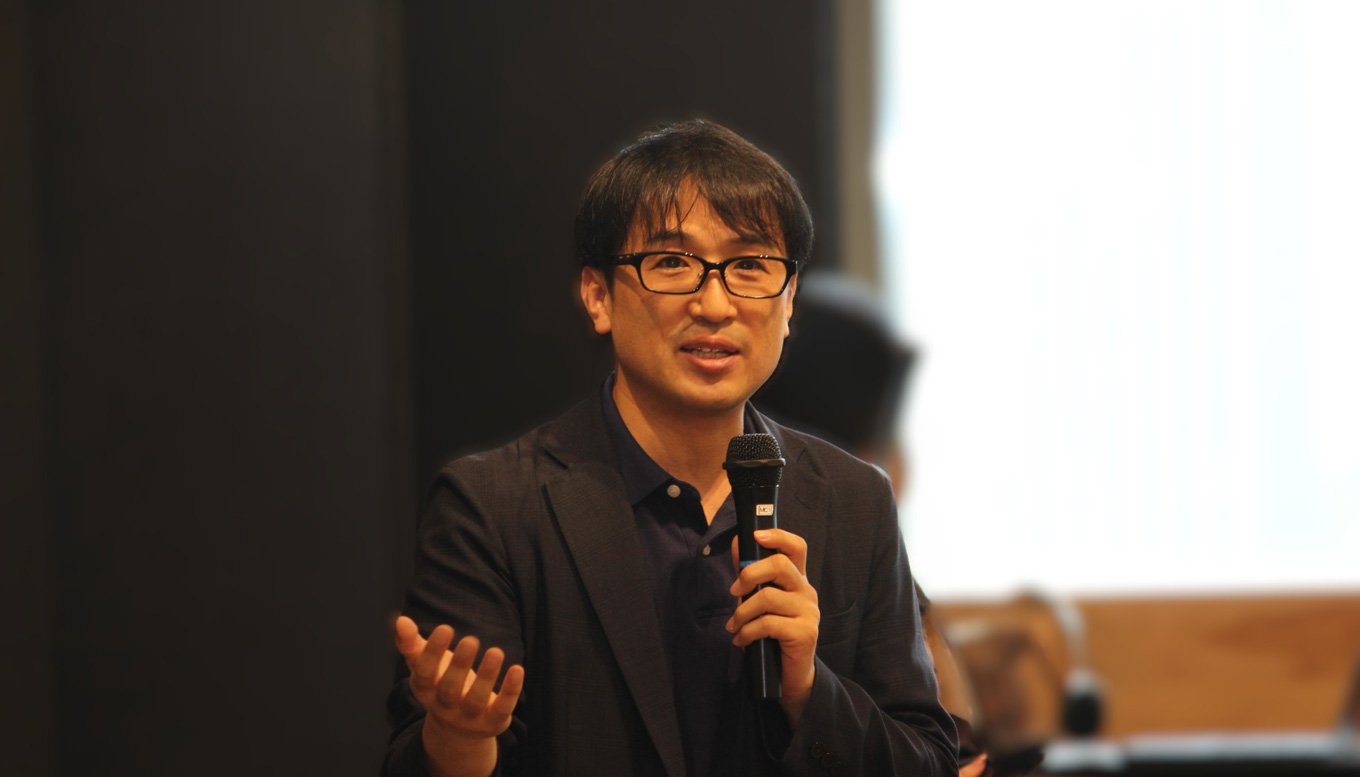
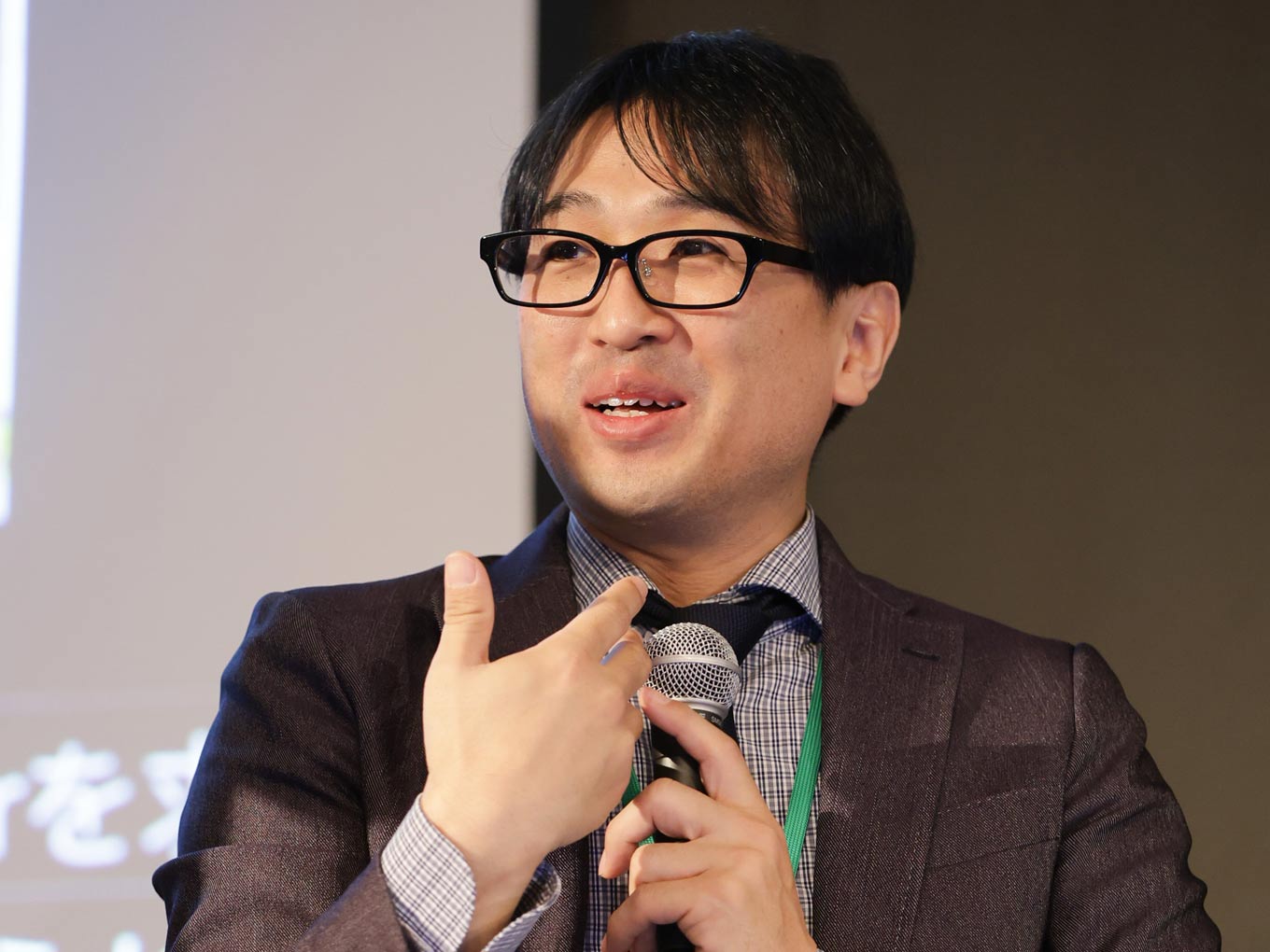
Sadakazu Ikawa, co-founder and co-executive director of Trust-Based Philanthropy Japan (TBP-J), points out that traditional funding approaches have several limitations: Rapidly changing social conditions can make fixed outcomes less relevant, even when goals are met, and tying grants to predefined activities limits learning and adaptation. It also encourages short-term thinking and prioritizes immediate outputs over long-term solutions.
“The deeper problem is that the model often assumes we already know the answer, but in many of today’s social issues we do not. We need to have humility to learn,” says Mr. Ikawa. “The question became not only how much money we can provide, but how wisely we can use it.”
Rethinking how philanthropy works
Reflecting similar values, The Nippon Foundation has, since the 1980s, used an endowment-based model by providing basic assets. Rather than funding individual projects, this approach supports local governance structures and entrusts them to carry the mission forward over the long term. Two concepts are central to understanding this approach.
The first, “endowment,” is a pool of funds invested to generate ongoing income, rather than being spent all at once. In philanthropy, this allows an organization to support activities over the long term using the returns from those investments. The second, “governance,” refers to how an organization is structured, managed, and makes decisions. In a philanthropic context, it includes who sets priorities, how funds are allocated, and how accountability is maintained. It typically emphasizes independence and long-term stewardship.
TBP is often framed in practical terms—flexible funding, multi-year support, and reduced paperwork—but Mr. Ikawa says these alone are not sufficient. Without deeper cultural change, such practices are unlikely to last, as organizational culture shapes how funders understand trust, view grantees, and interpret risk.
He also highlights a less frequently discussed dimension. “When philanthropy becomes more trust based, funders inevitably come closer to the realities faced by communities and grantees. They begin to hear more directly about the pain, struggle, and uncertainties that organizations encounter on the ground.”
As grantees begin to feel safe sharing challenges or failures, relationships deepen and the flow of information improves. This allows funders to better understand the wider ecosystem and facilitate new opportunities for grantees and other stakeholders.
Putting trust into practice
Nevertheless, the question remains: If the use of funds is left unrestricted and based primarily on trust, can meaningful results truly be achieved? The following two case studies from The Nippon Foundation—rooted in independent governance and responsiveness to local priorities—may provide a useful reference point in ongoing discussions around trust-based philanthropy.
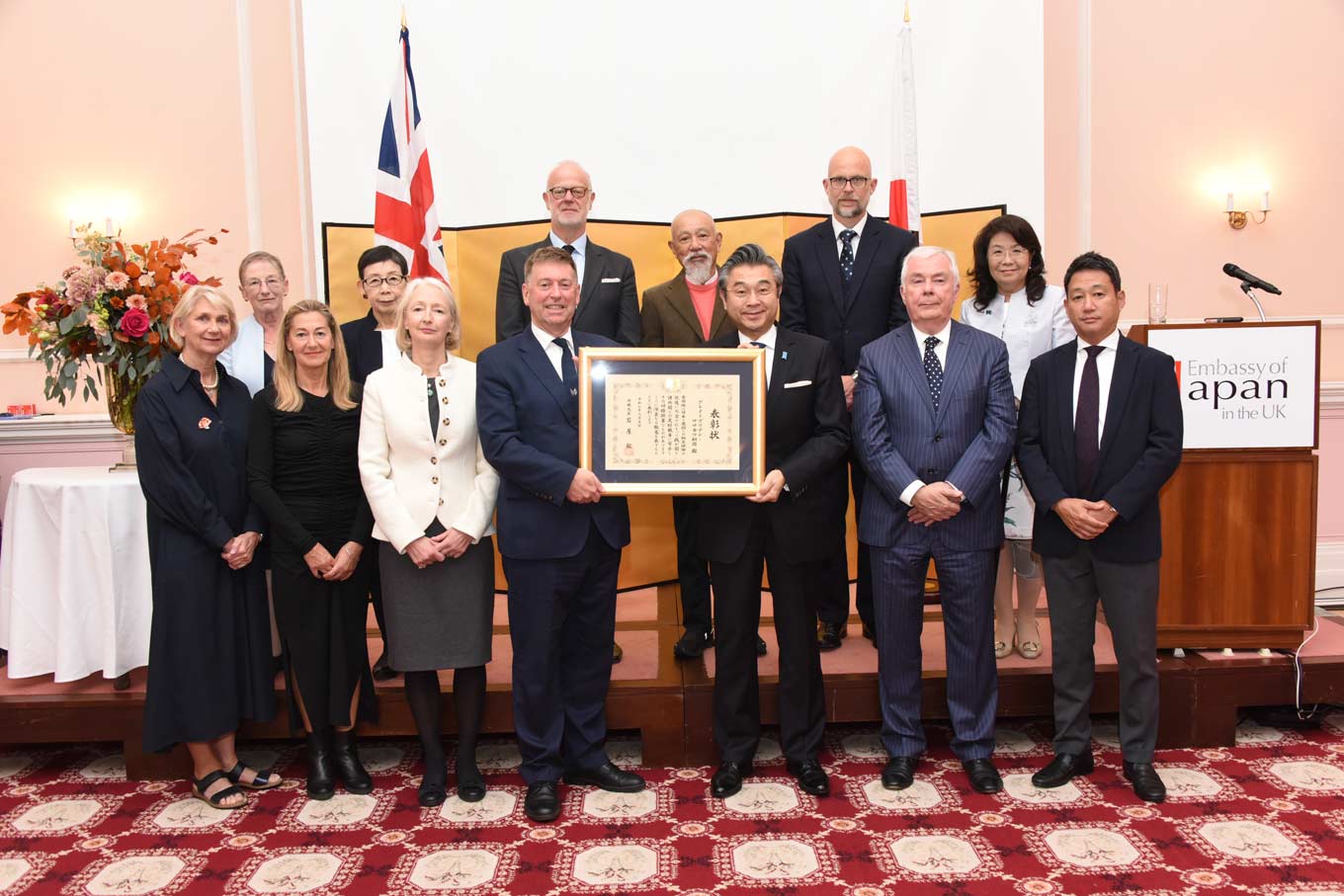
The Great Britain Sasakawa Foundation illustrates the long-term effectiveness of an endowment-based governance model. Established in 1985 with a 9.5 million pound endowment, it has operated continuously for nearly 40 years, sustaining its activities through investment income. This model supports consistent grant-making—225 grants in 2024—and steady financial growth, with total funds increasing to 47.2 million pounds from 45.2 million pounds.
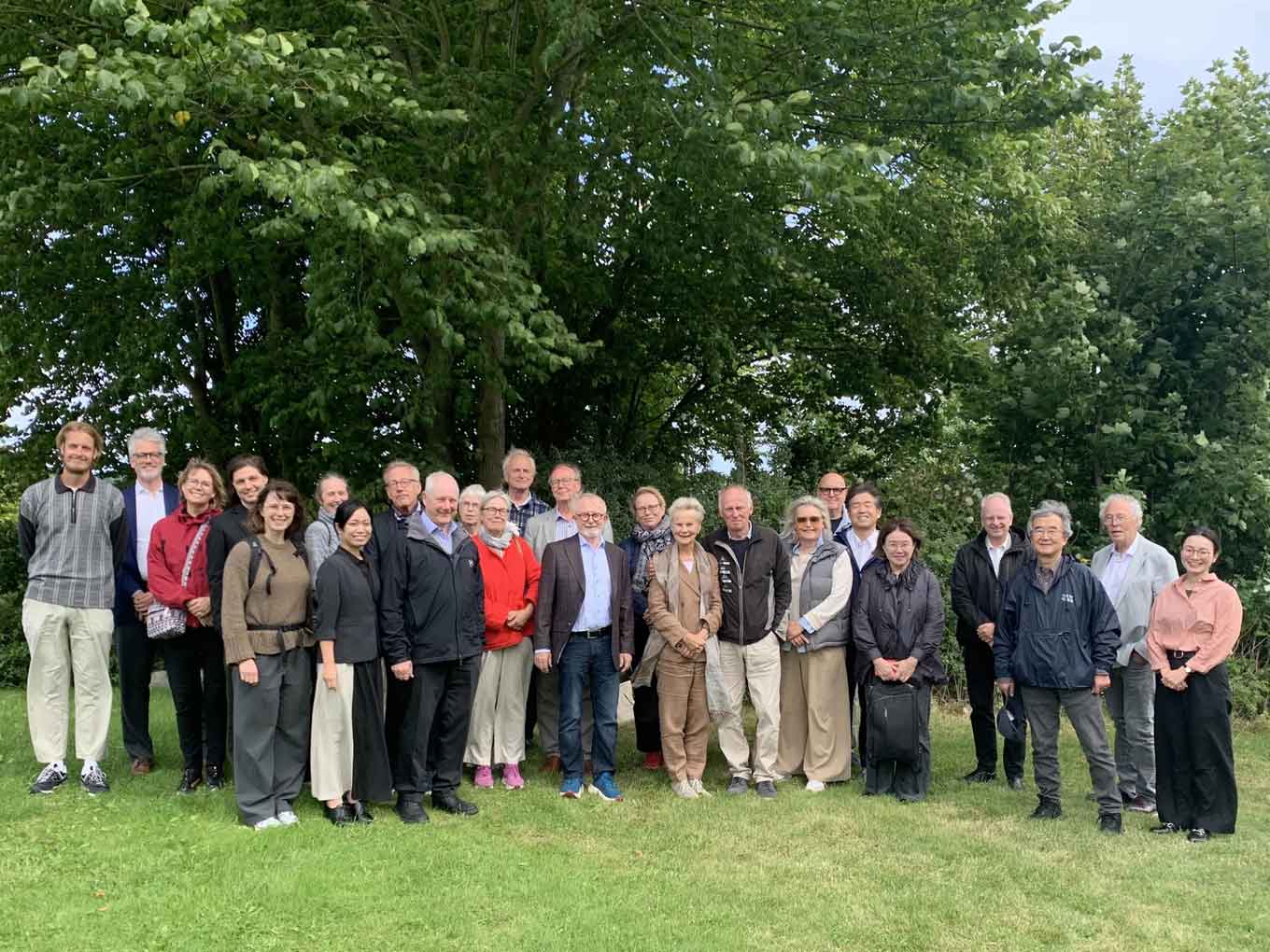
The Scandinavia-Japan Sasakawa Foundation provides comparable evidence from the Nordic context. Established in 1984 and operational since 1985, it has also maintained continuous activity for nearly four decades. Its endowment-based model, strengthened through capital management, has enabled asset growth to approximately 815 million kronor and sustained grant-making at scale, with around 7,900 grants awarded between 1986 and 2022.
Together, these cases provide empirical support for the effectiveness of endowment-based governance. They demonstrate continuity of activity, financial stability and growth, and measurable long-term impact, offering credible evidence for their relevance within broader TBP conversations. Unlike conventional grants, this approach invests in institutions and their governance, shifting beyond project-based support by transferring strategic responsibility for how the mission is carried out.
Toward a more collaborative approach
As social issues grow more complex and unpredictable, organizations are increasingly shifting toward trust-based models, placing greater importance on the quality of funding relationships. Mr. Ikawa notes that TBP is not necessarily a simple binary of being on board or not. In Japan, it tends to be seen as something built gradually across multiple stages of interaction between funders and grantees.
“If we want greater impact, we need funding relationships that allow flexibility, honesty, and learning. That is exactly why TBP will become more important,” he says.
In a similar vein, The Nippon Foundation’s aim is for cultural and academic exchange at the civil society level to continue autonomously, unaffected by political or diplomatic shifts. The model envisions a self-sustaining platform in which local stakeholders, rather than the Foundation, lead engagement with Japan. While respecting the independent board’s judgment, the partnership remains flexible, allowing dialogue and targeted support as needs evolve.
Long-term, unrestricted funding is essential for nonprofits, where plans, staffing, and community relationships remain constantly at risk with one-year funding cycles. Without continuity, it becomes difficult to build trust or develop meaningful long-term interventions, often pushing organizations toward short-term, surface-level solutions. Sustained, flexible institutional support—enabling investment in staff, systems, and leadership—is therefore key to achieving lasting impact.
The Nippon Foundation has also supported regional dialogue on TBP in Asia through initiatives such as the Asia Philanthropy Congress (APHIC), which brought together funders across Asia and contributed to the establishment of TBP Asia by TBP-J. Building on this broader momentum, TBP-J will host the TBP Conference in Tokyo in July this year.
Seen in this context, The Nippon Foundation’s long-standing endowment-based initiatives—through which governance has been entrusted to local institutions—offer one example of how trust-based principles can be applied in practice. Going forward, they may serve as a useful reference point in ongoing discussions around the role of trust in philanthropy.
Text: The Nippon Foundation Journal Editing Department