Imphal Peace Museum
- Funding for this project concluded in May 2025
The Nippon Foundation’s support for the Imphal Peace Museum
The Battle of Imphal was one of the fiercest battles of World War II, with many soldiers killed and many casualties among the local population. After the war, as the number of people with a first-hand memory of the battle decreased, artifacts and documents became dispersed, and memories of the battle gradually faded.
The Nippon Foundation’s project to support the Imphal Peace Museum was launched against this backdrop, to convey the history of the battle and store documents and other items, while also disseminating a message of “peace and reconciliation.”
About the Imphal Peace Museum
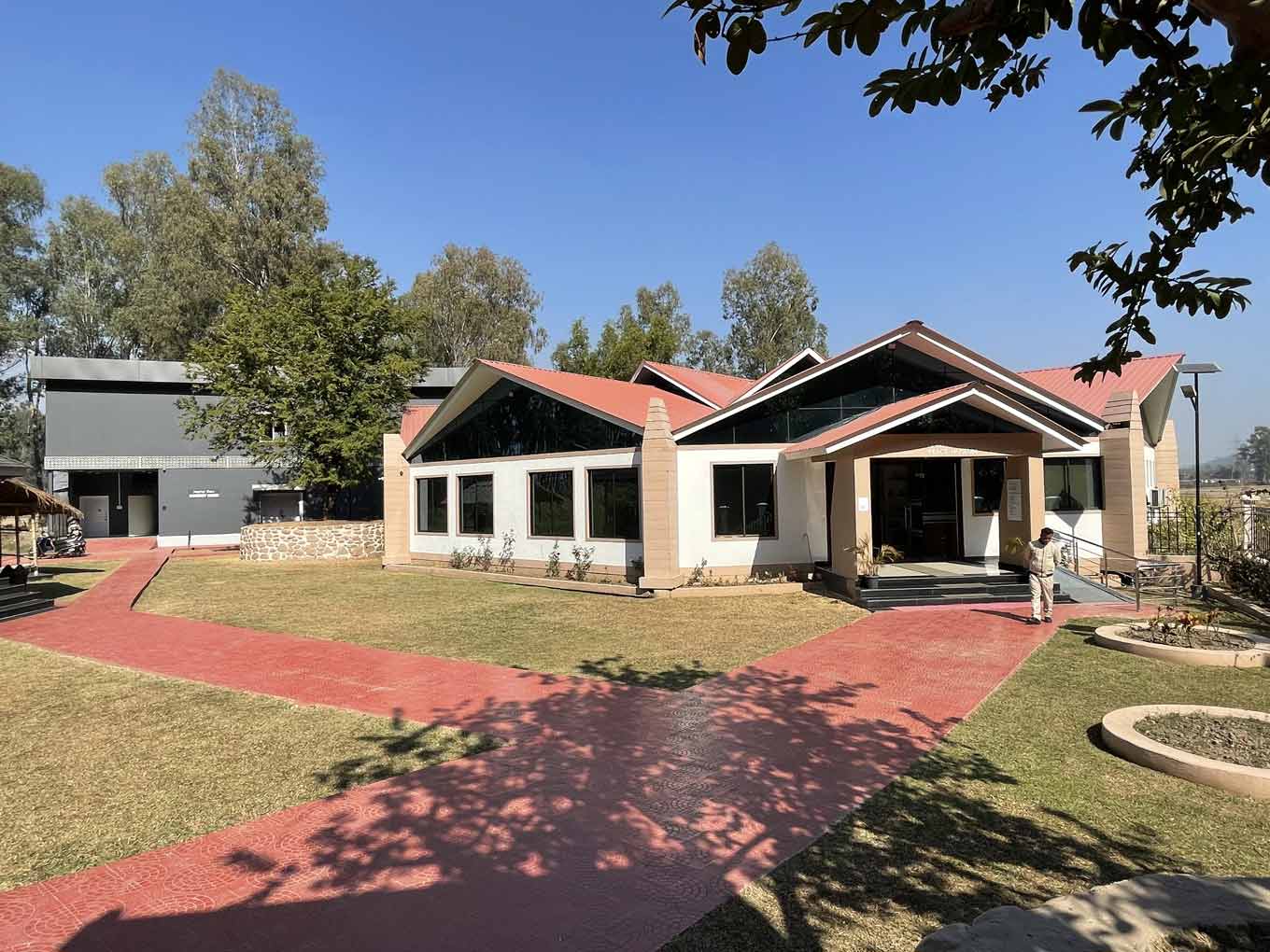
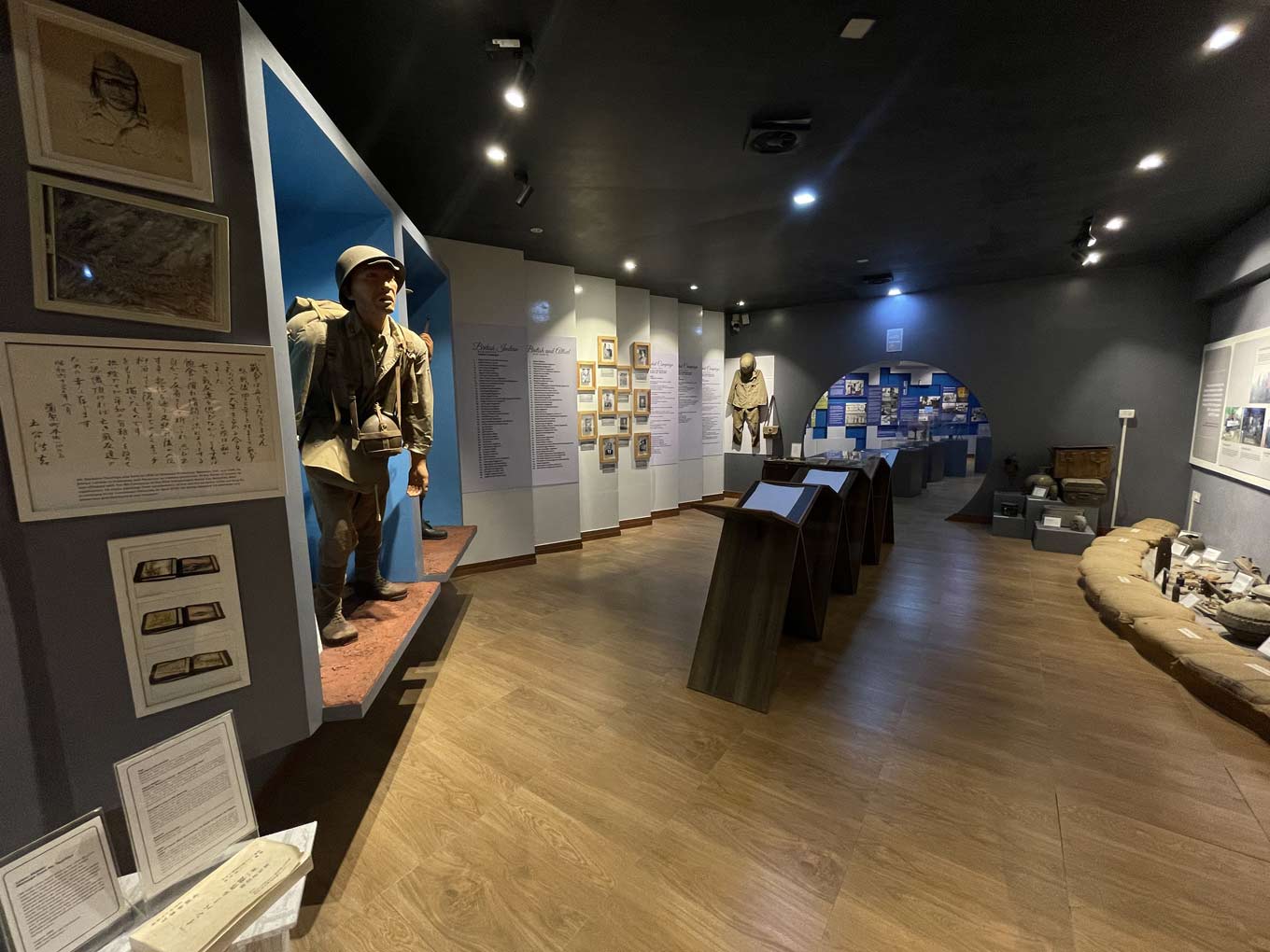
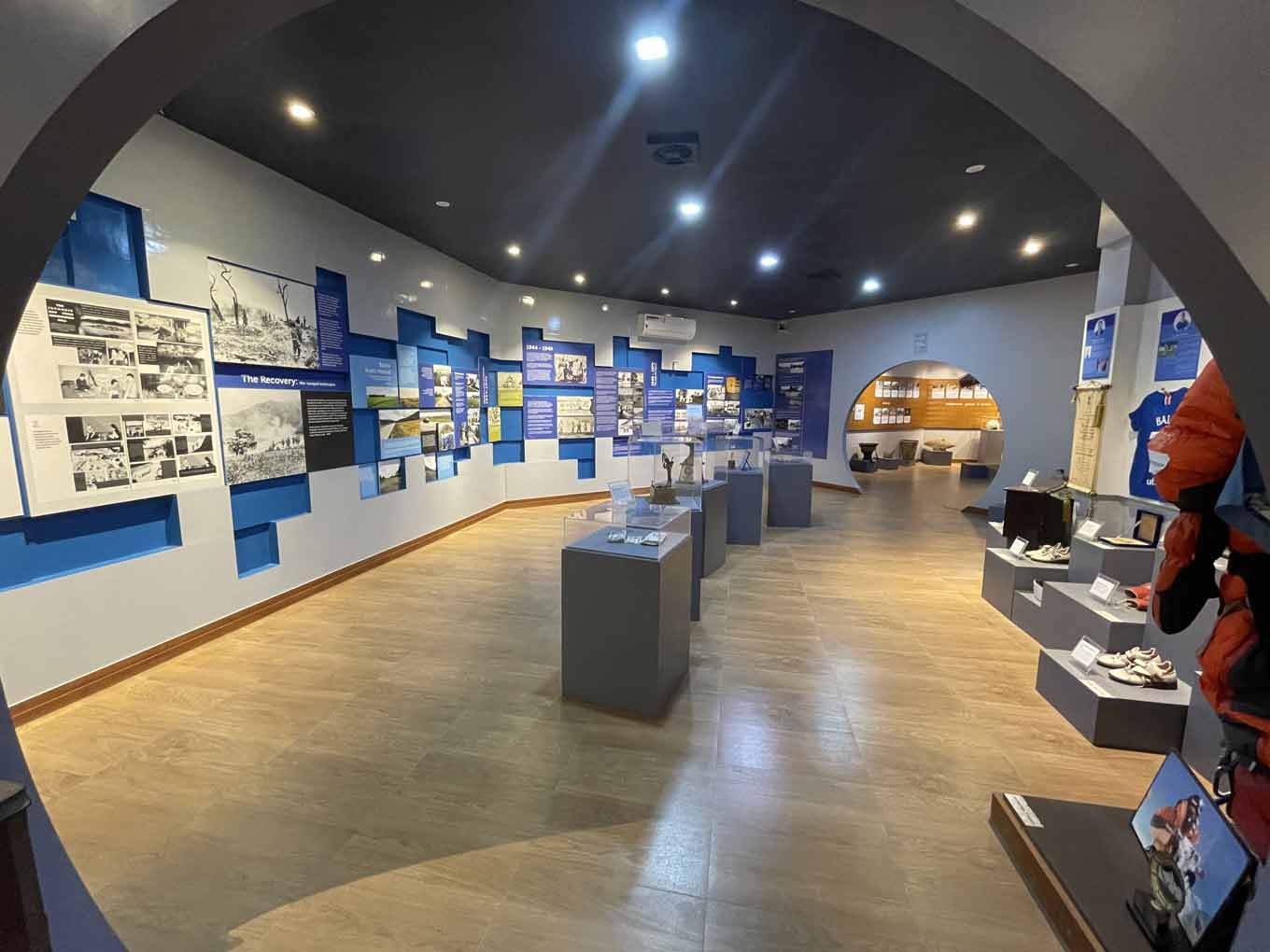
The Imphal Peace Museum, operated by the Manipur Tourism Forum, is located at the foot of Maibam Lotpa Ching (Red Hill), the epicenter of the Battle of Imphal. The museum opened in 2019 with exhibitions focusing on the battle, the postwar period, and local culture, intended to preserve the memory of the battle and convey a message of peace. The exhibits were chosen by a 12-member committee of local journalists, university professors, and Japan experts, and was put together primarily with local input.
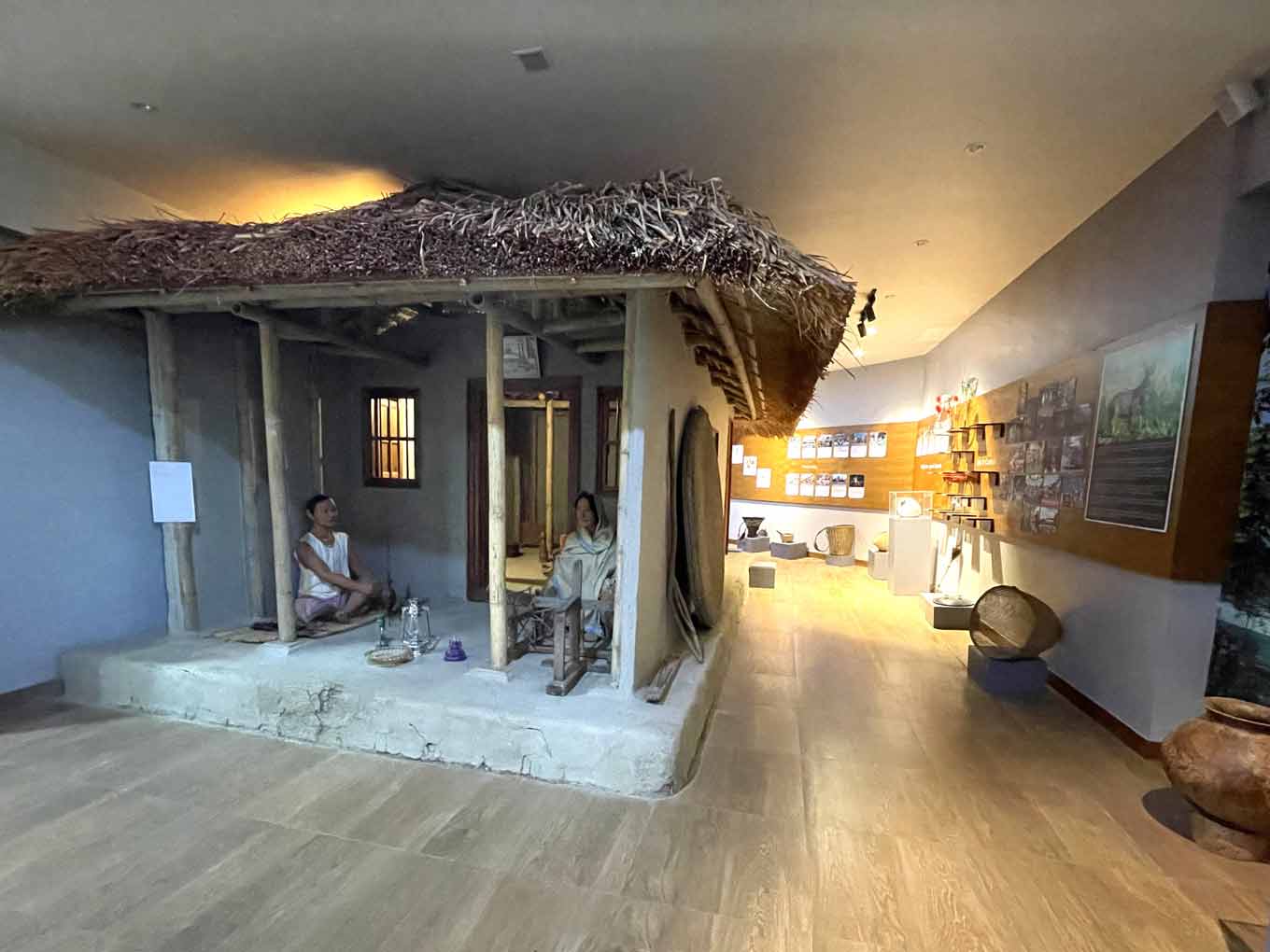
Details of The Nippon Foundation’s support
- Construction of the museum (2017-19)
- Call for donations of money and exhibition materials (2019-20)
- Arrangement of exhibitions and curator training (2019-25)
- Warehouse construction (2023)
- Use of donations to purchase equipment (2025)
A donation of books in English about Japan was also received from The Nippon Foundation’s partner foundation The Tokyo Foundation through the READ JAPAN PROJECT.
Current status
- The museum had more than 11,000 visitors in 2025, from Manipur State, the rest of India and overseas, and local high school and university students used the facility for peace studies.
- An outbreak of ethnic violence in Manipur State in May 2023 caused a temporary large drop in attendance, but public safety is improving and as of the end of 2025 the museum was receiving an average of roughly 1,000 visitors each month.
- The museum also holds peace-themed art competitions and cycling events, and has become a base for peace education and a place where the local community can gather.
Use of monetary and material donations
A representative of The Nippon Foundation and a member of the committee that oversaw the museum’s establishment visited the Imphal Peace Museum and confirmed the current condition of its holdings.
Monetary donations
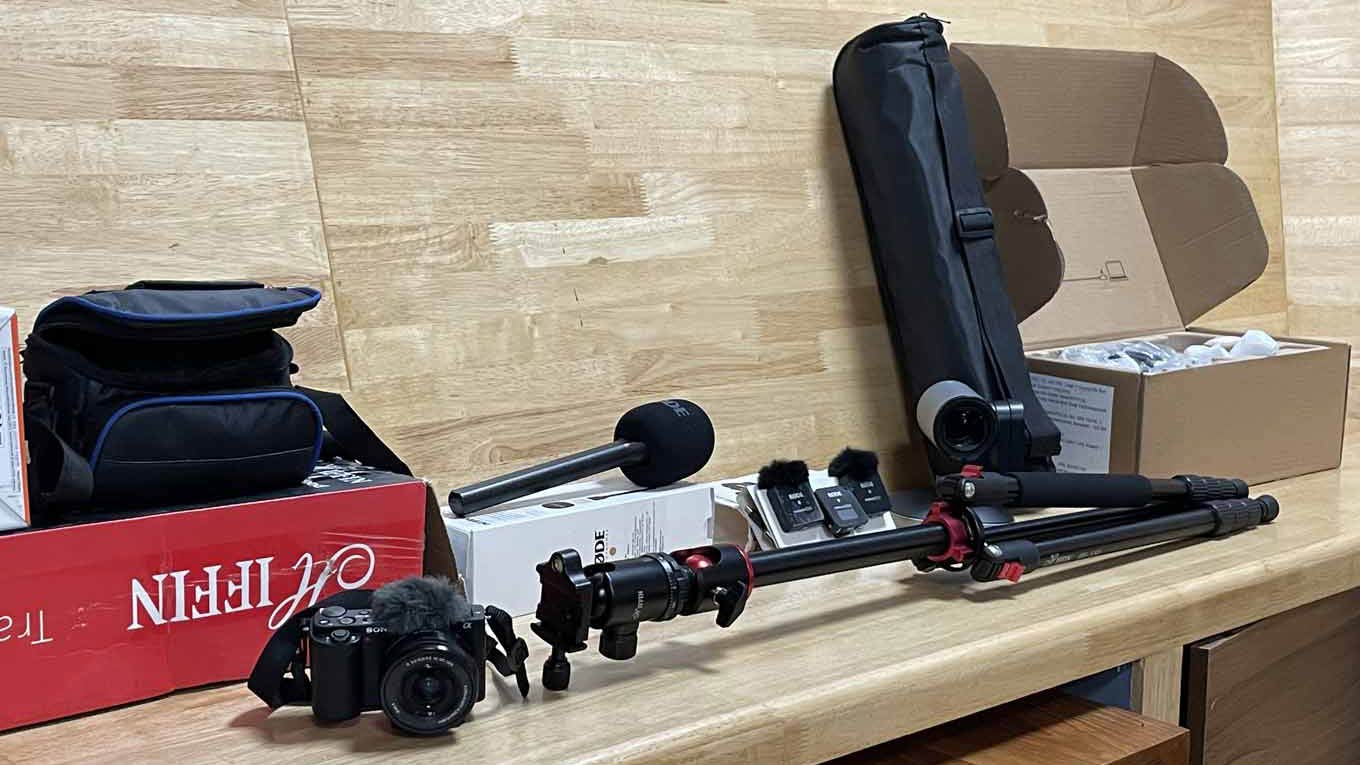
Donations to the Imphal Peace Museum Special Fund totaled 536,000 yen (comprising 37 donations), and were used to purchase a digital camera, online conferencing equipment, and 55 storage cases. These items are being used to create digital archives of documents, carry out remote peace education and events, and organize and safekeep documents and other materials.
Material donations
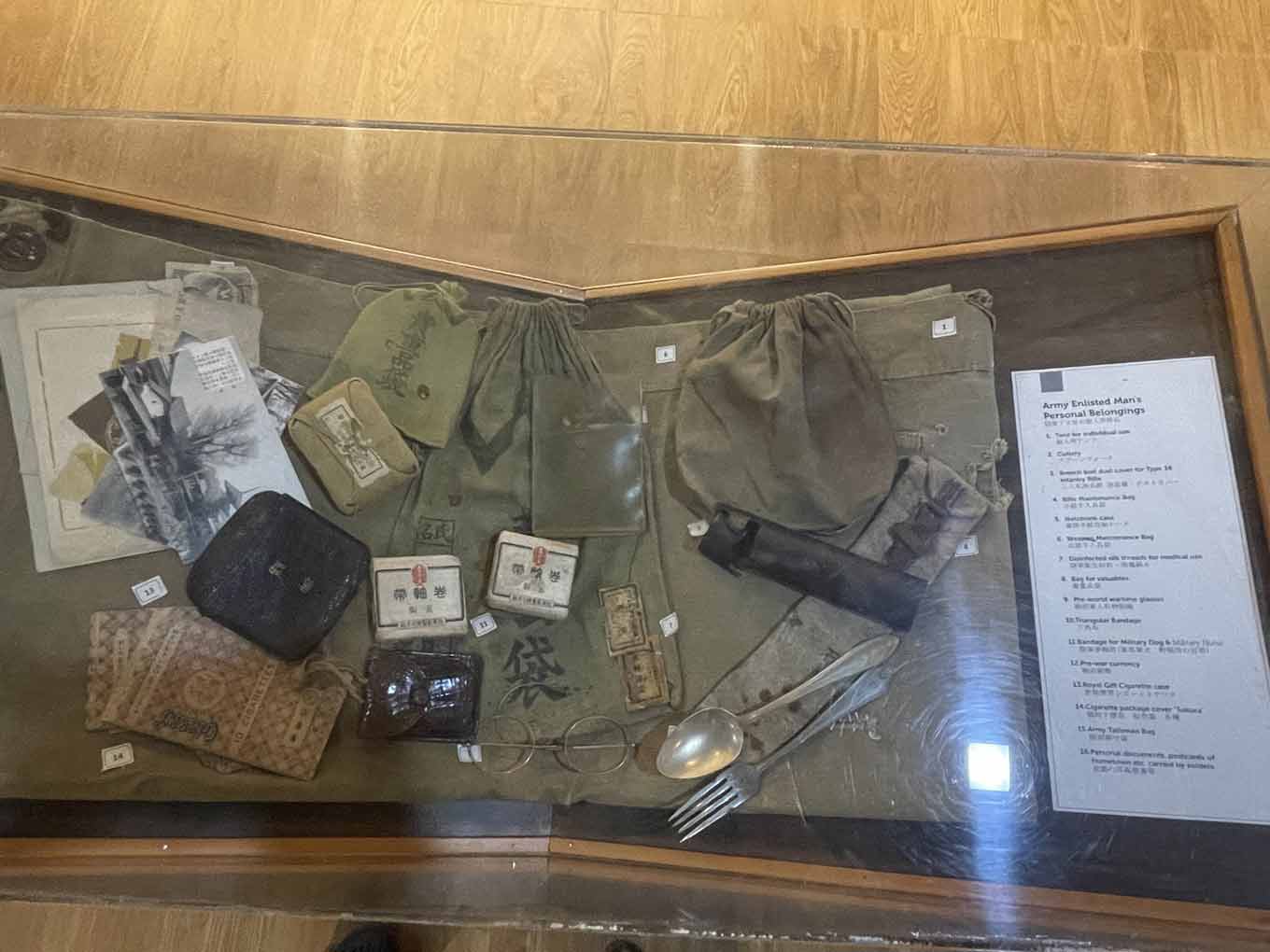
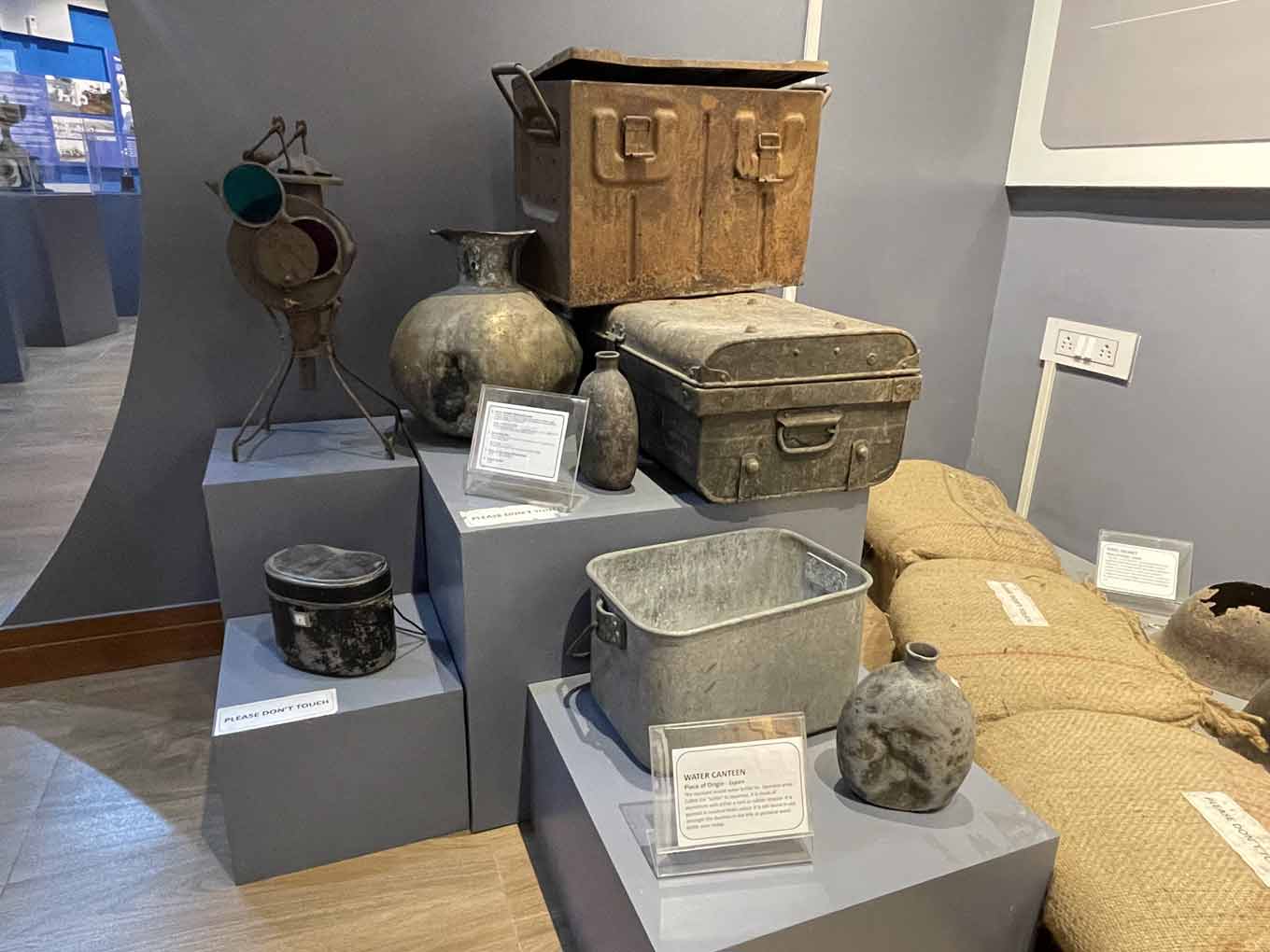
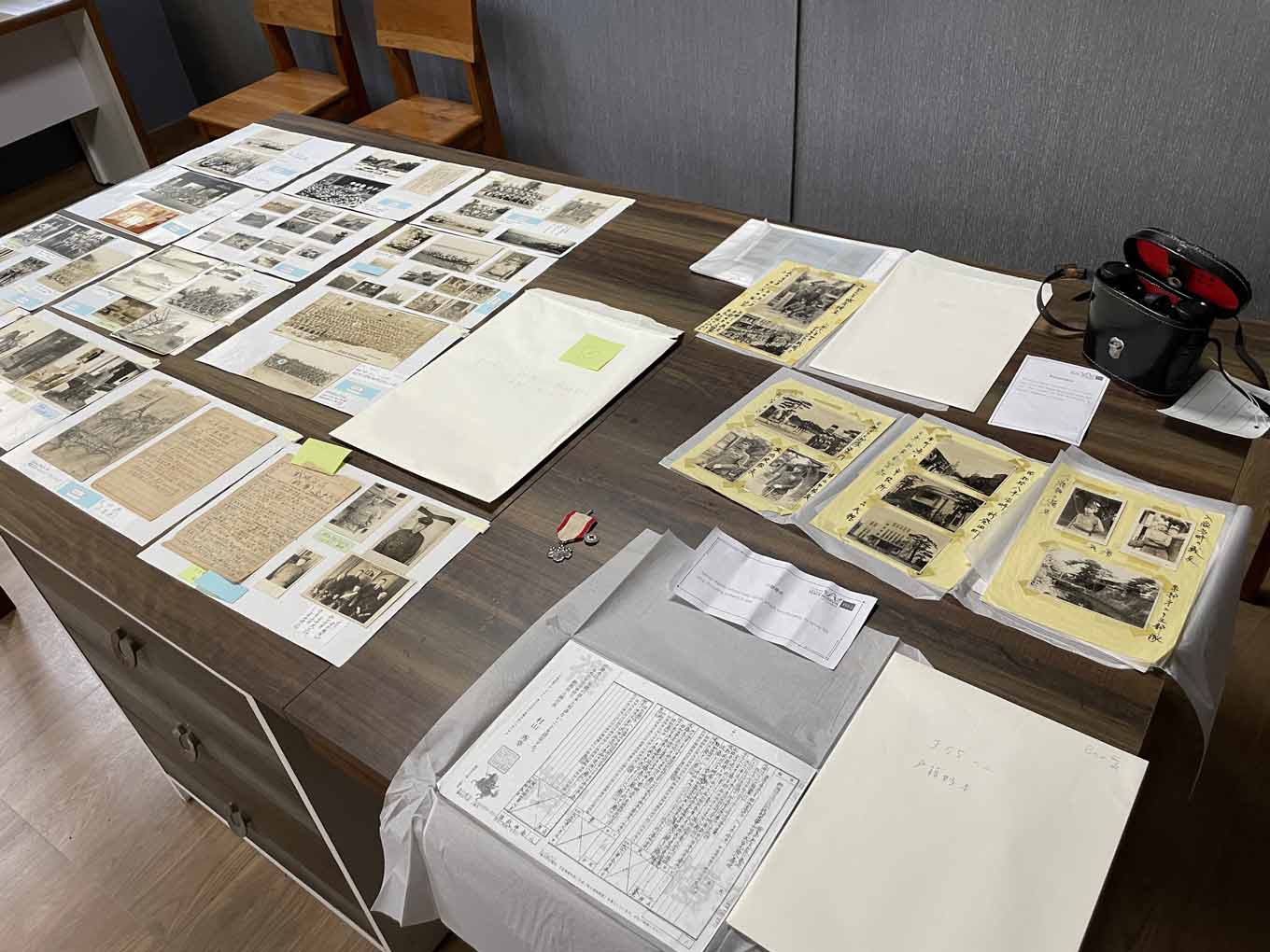
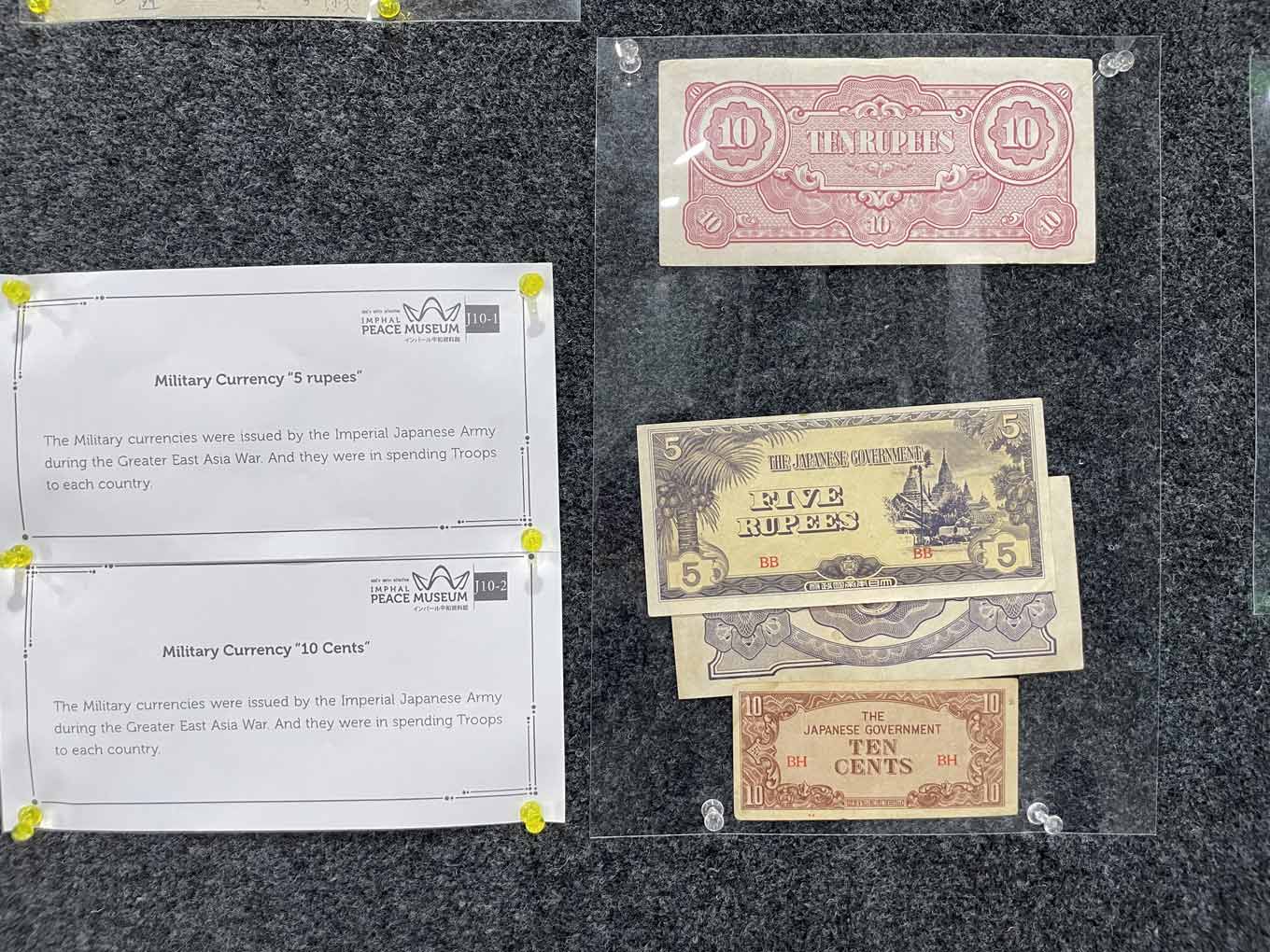
Donors in Japan provided 324 items that are being held in safekeeping and used by the Imphal Peace Museum. These include postcards send by soldiers to their families in Japan, notebooks compiled in prisoner-of-war camps, pictures drawn by soldiers, binoculars, canteens, mess kits, and military currency notes. Most of the donated paper materials are on thin Japanese paper, and these are carefully packaged, have a number assigned to indicate the donor’s name and type of item, and are managed using warehouse room and shelf numbers.
Some of these materials are on permanent display. Others are stored appropriately in the warehouse and are used for special exhibits on the museum’s anniversary and for traveling exhibitions.
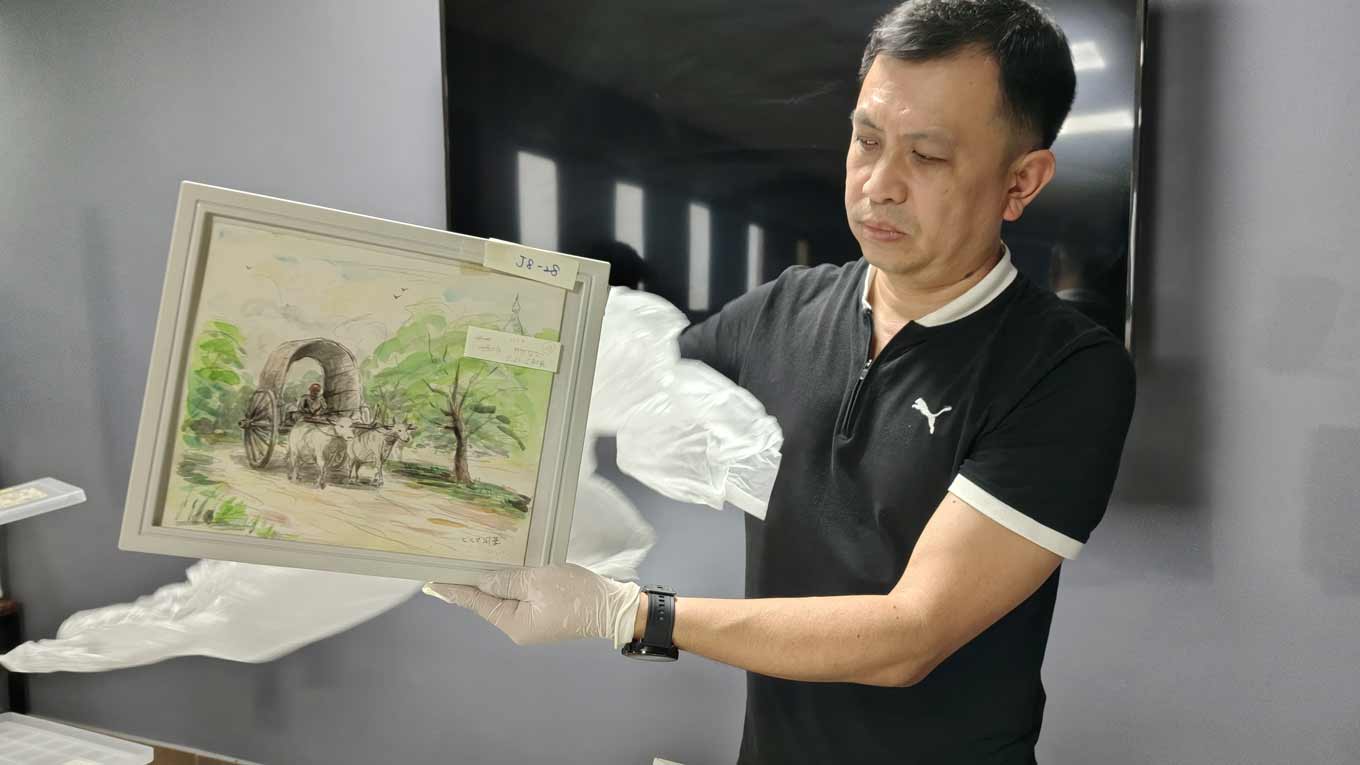
Message from Museum Director Haobam Joyremba
I am very grateful for the money and items donated by people in Japan. The Imphal Peace Museum represents many people’s desire for peace. Going forward, we will convey the memories of the Battle of Imphal and pass on the importance of peace to the next generation. Please come and visit our museum.
Going forward
The Nippon Foundation’s support program for the Imphal Peace Museum concluded in May 2025. The museum will continue to be operated by the Manipur Tourism Forum. The museum plans to expand its activities going forward through the use of digital archives and online events, and by pursuing tie-ups with other museums.
We thank everyone who has supported this project.