Training Social Entrepreneurs in Central Asia
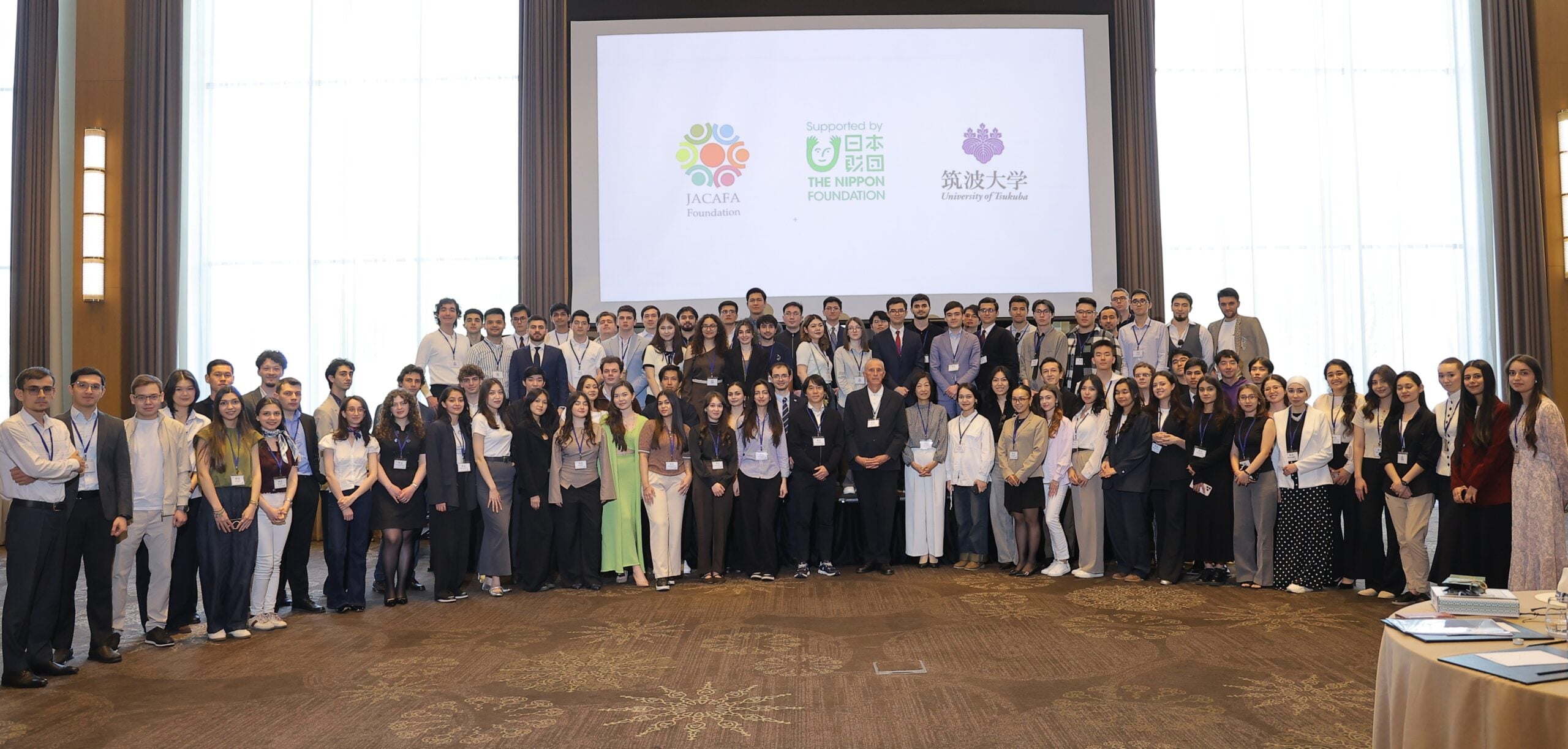
Training social entrepreneurs in Central Asia
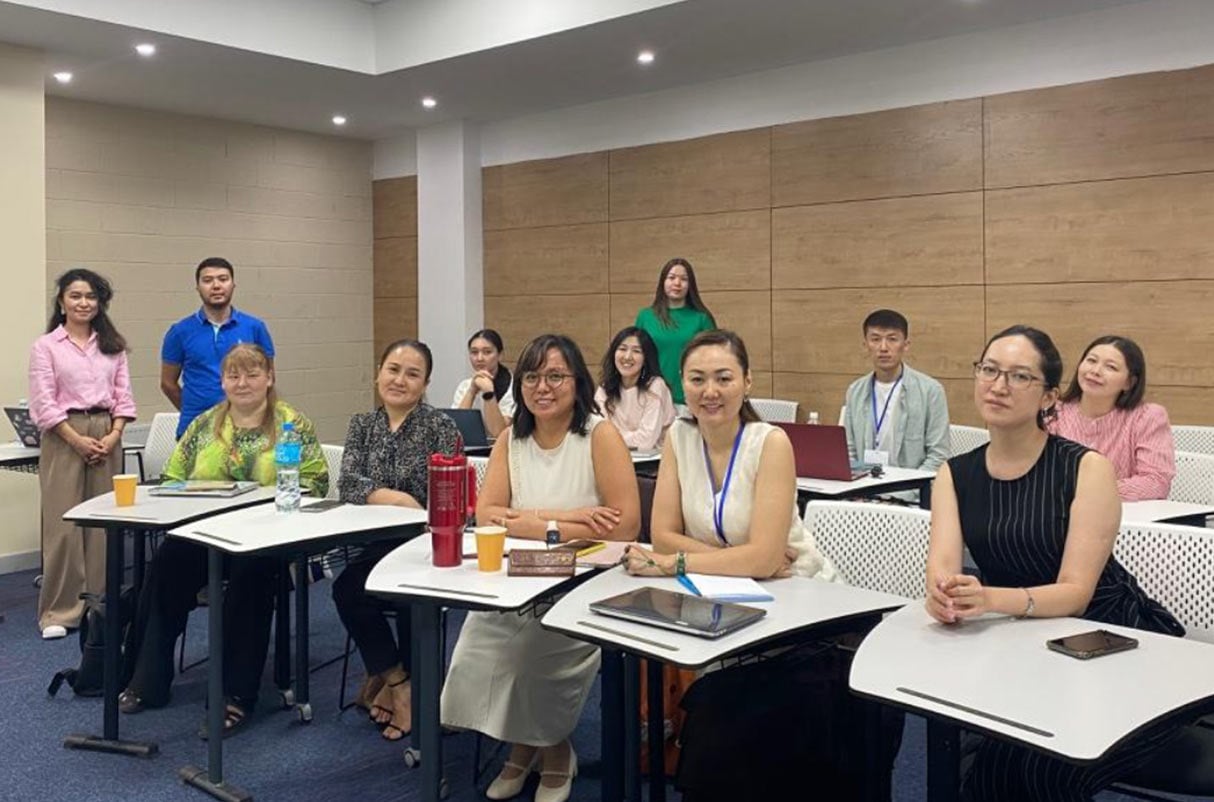
The Nippon Foundation’s program to train social entrepreneurs in Central Asia aims to train young people who aspire to address social issues, while also building personal networks and promoting startups, nonprofit projects, and other voluntary initiatives that address social issues, in Central Asian countries.
- The program covers seven countries: Uzbekistan, Kazakhstan, Kyrgyzstan, Tajikistan, Turkmenistan, Azerbaijan, and Georgia.
Central Asian countries
In general, Central Asia refers to the five countries of Uzbekistan, Kazakhstan, Kyrgyzstan, Tajikistan, and Turkmenistan. Located in the central part of the Eurasian landmass and bordering countries including Russia, China, and Iran, the region is important for connecting Asia, Europe, and the Middle East. It is also a region that is rich in energy and mineral resources. For the purposes of this project, Azerbaijan and Georgia are included as well.
When the Soviet Union dissolved in 1991, the countries of Central Asia became independent and established new relationships with the rest of the world. Activities like overseas travel, emigration, and study, which were severely restricted during the Soviet era, became possible.

Study in Turkey
For a long time, many students from Central Asian countries have studied in Turkey, which has strong cultural ties with the region. Turkey’s economy collapsed in 2001, however, ten years after the dissolution of the Soviet Union. Turkey’s currency, the lira, lost half its value, the stock market crashed, and the consumer price index doubled, making it extremely difficult for many students from Central Asia to continue living there.
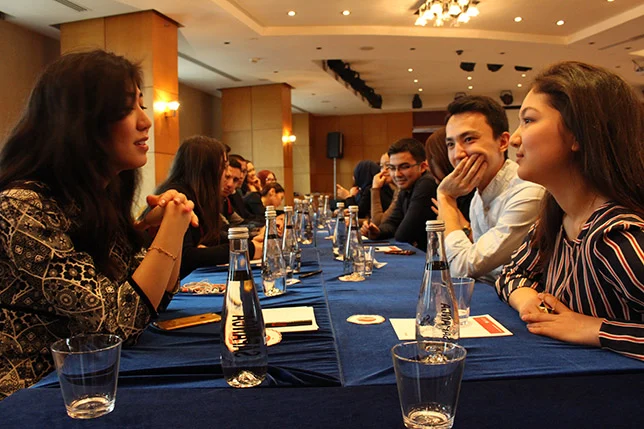
Establishment of the Japan Turkey Central Asia Friendship Association
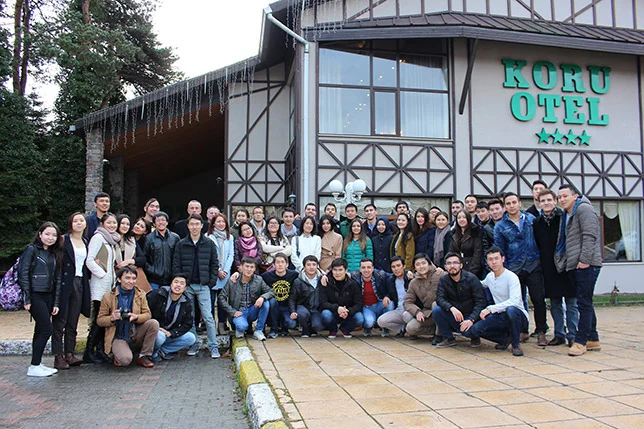
The Nippon Foundation established the Japan Turkey Central Asia Friendship Association (JATCAFA) in 2004 to provide scholarships to outstanding Central Asian students studying in Turkey. More than 300 students received scholarships, and roughly half of these students have returned to their native countries and are working to build their country’s future.
Development of the Japan Central Asia Friends and Associates Foundation
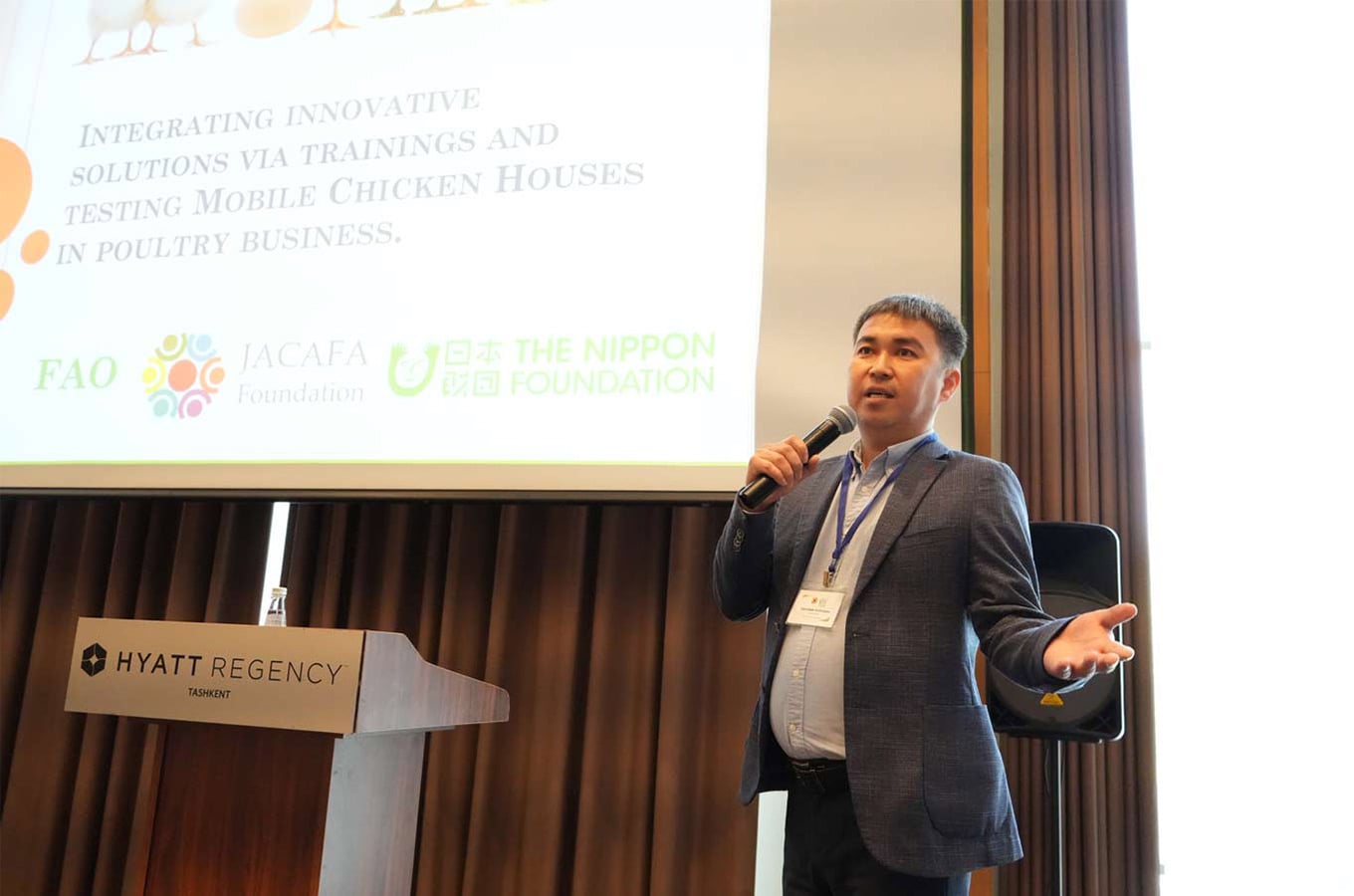
JATCAFA’s support program ended in 2016 following an unsuccessful coup attempt in Turkey. To promote interchanges among JATCAFA scholarship recipients and support further development in the region, and build favorable relationships with Japan, The Nippon Foundation established the Japan Central Asia Friends and Associates Foundation (JACAFA) in 2017. JACAFA acts as a hub, not only for scholarship students and alumni, but also for cooperation among NGOs, universities, think tanks, government organizations, and private-sector companies, supporting coordination and development in the countries of Central Asia.
JACAFA’s activities
Activities must be directly related to the JACAFA alumni network and must positively contribute to individual growth and the JACAFA community.
Main activities
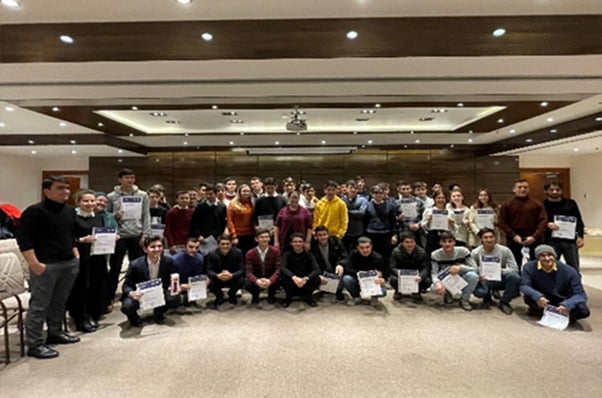
- The Nippon Foundation – JACAFA Conferences
JACAFA students and alumni meet to discuss issues facing their countries. - Student and Alumni Project Grant
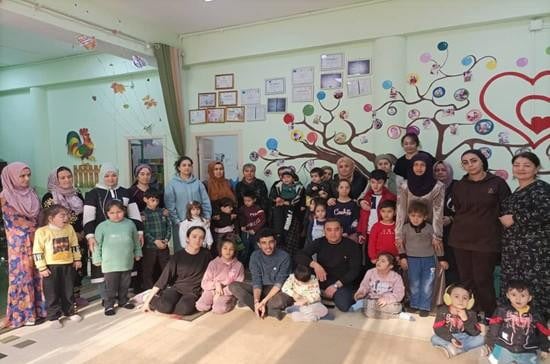
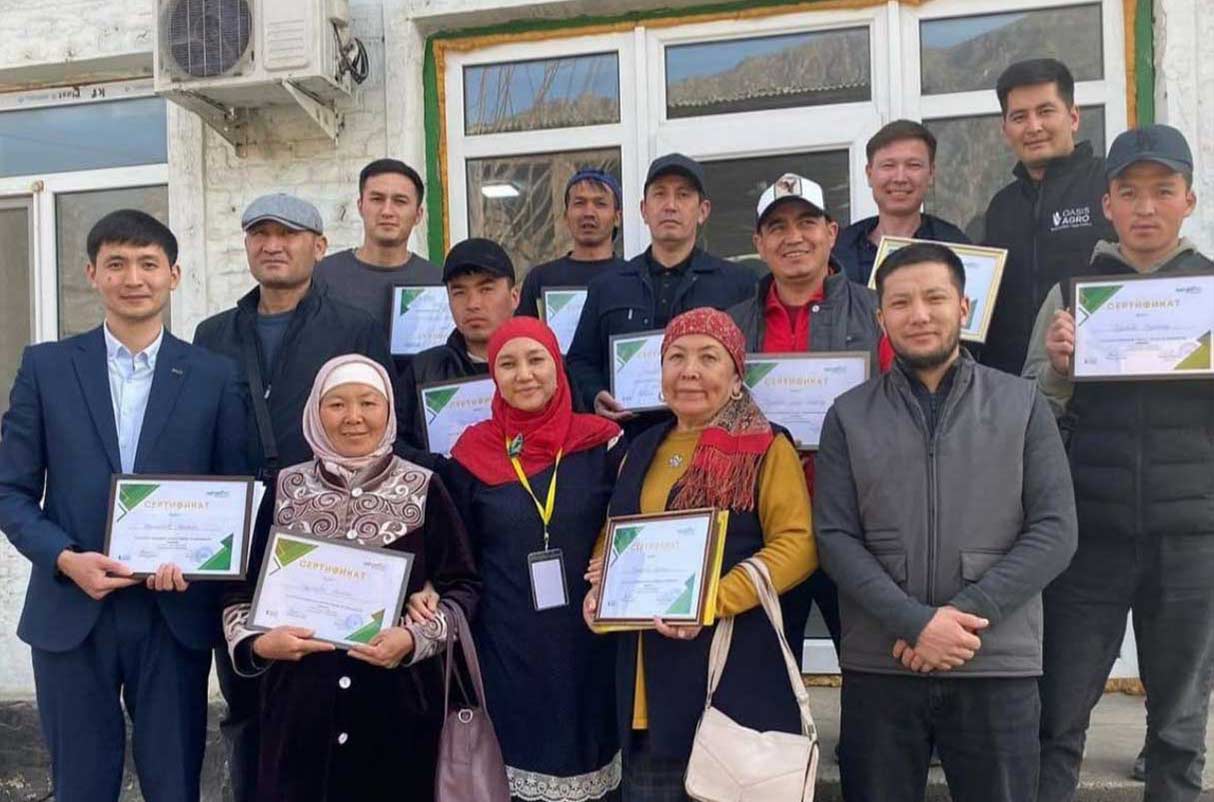
Support is provided for projects based on social issues of interest to students and alumni to train social entrepreneurs of the future in Central Asia, where government restrictions make it difficult to implement nonprofit activities. - Japan Visit Program
Particularly outstanding students and alumni are invited to Japan. They make appointments with companies or organizations in which they are interested to gain knowledge that will be useful in their own development.

Related Link
Inquiries
- Please note that we can only accept inquiries in Japanese or English, and that it may take approximately one week to respond.