Program to Promote Understanding of JapanBuilding cooperative relationships with other countries
Background and purpose
As globalization advances, interest in Japanese culture and society is spreading in various forms in countries around the world. At the same time, Japanese studies and regional studies programs at universities are being cut back in many countries, and the ongoing training of researchers has become an issue. Given this situation, diverse academic studies in fields including Japanese history, literature, thought, and social structures are receiving renewed attention. The Nippon Foundation is working with partner foundations established in London and Stockholm and other organizations to help to provide opportunities for individuals involved in Japan-related fields at overseas universities and research institutes to acquire the ability to use advanced Japanese language skills and specialized knowledge. Over the medium to long term, the program aims to create an international knowledge base and personal networks through Japanese studies, and contribute to the building of ongoing international relations based on mutual understanding. In addition to supporting the academic aspect of Japanese studies, the program is working with partner foundations to disseminate Japanese culture internationally through traditional performing and other arts, to promote multifaceted understanding of Japanese society and values.
Areas of support
1. Support for Japanese studies
1.1 The Great Britain Sasakawa Foundation Studentship
Great Britain is one of the world’s centers of Japanese studies, but in recent years the number of students enrolled in graduate-level Japanese studies programs has been decreasing. In response, from 2008 to 2012 The Nippon Foundation established 13 courses at 12 British universities and provided support for the funding of lecturer positions. Of these courses, 11 are still being offered with the respective universities providing the funding.
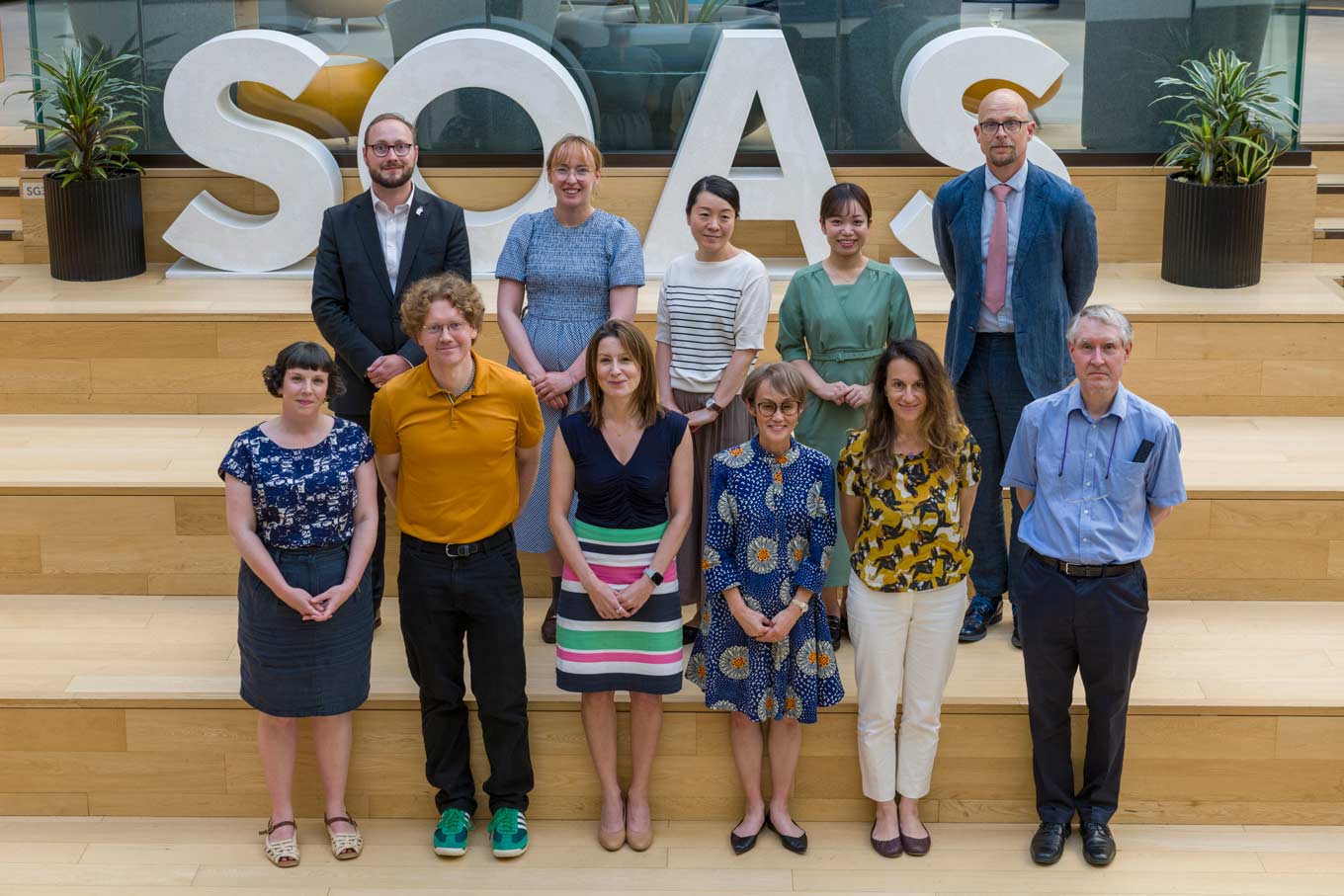
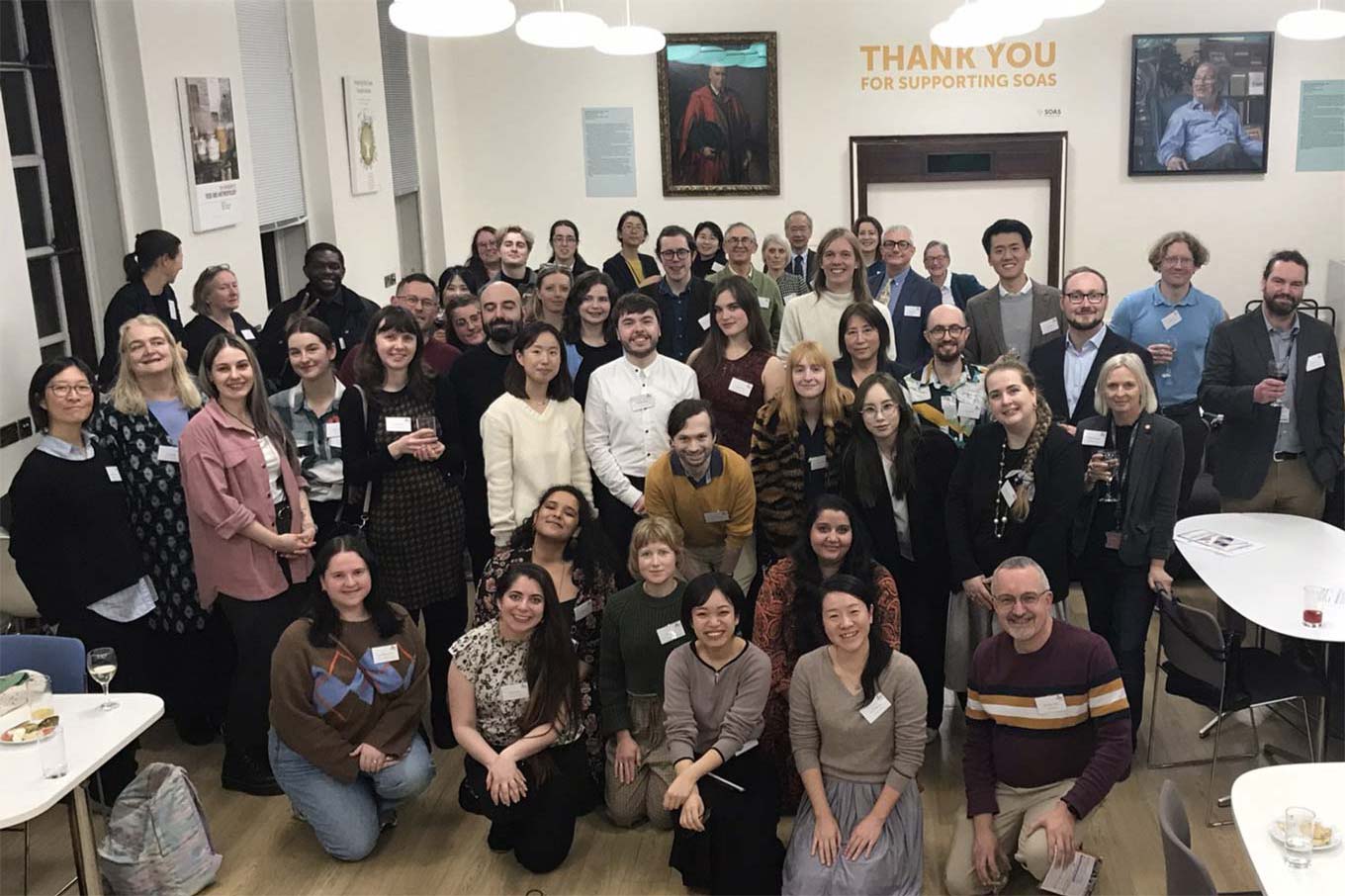
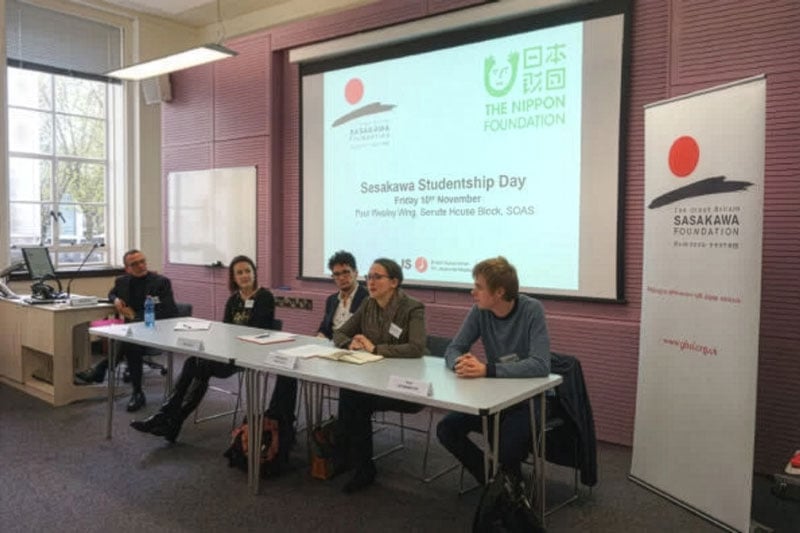
Since 2013, the Foundation has also been providing scholarships to students in doctoral and master’s Japanese studies programs, with 224 people having received scholarships to date. Many of these fellows are engaged in Japanese studies, but others have pursued a broad variety of Japan-related careers including working for private-sector companies, research institutes, and international and governmental organizations.
1.2 Scandinavia-Japan Sasakawa Foundation Programmes
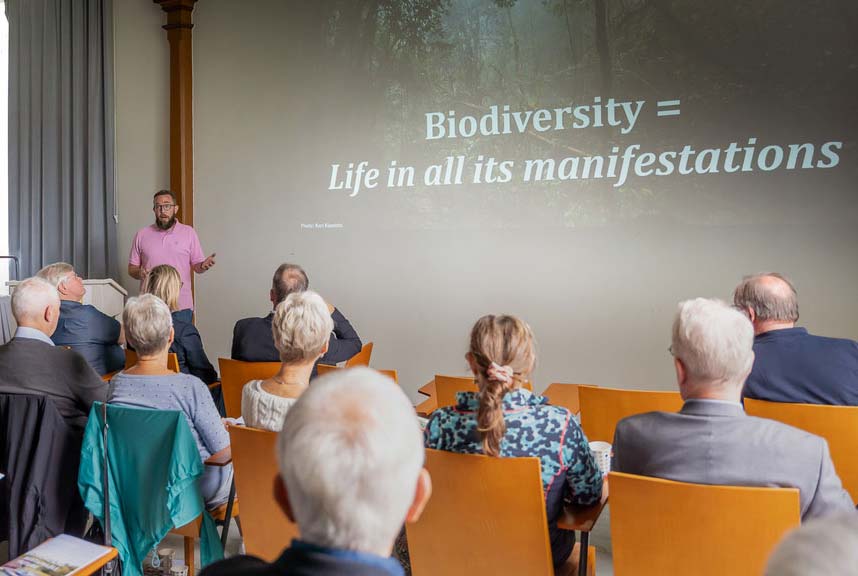
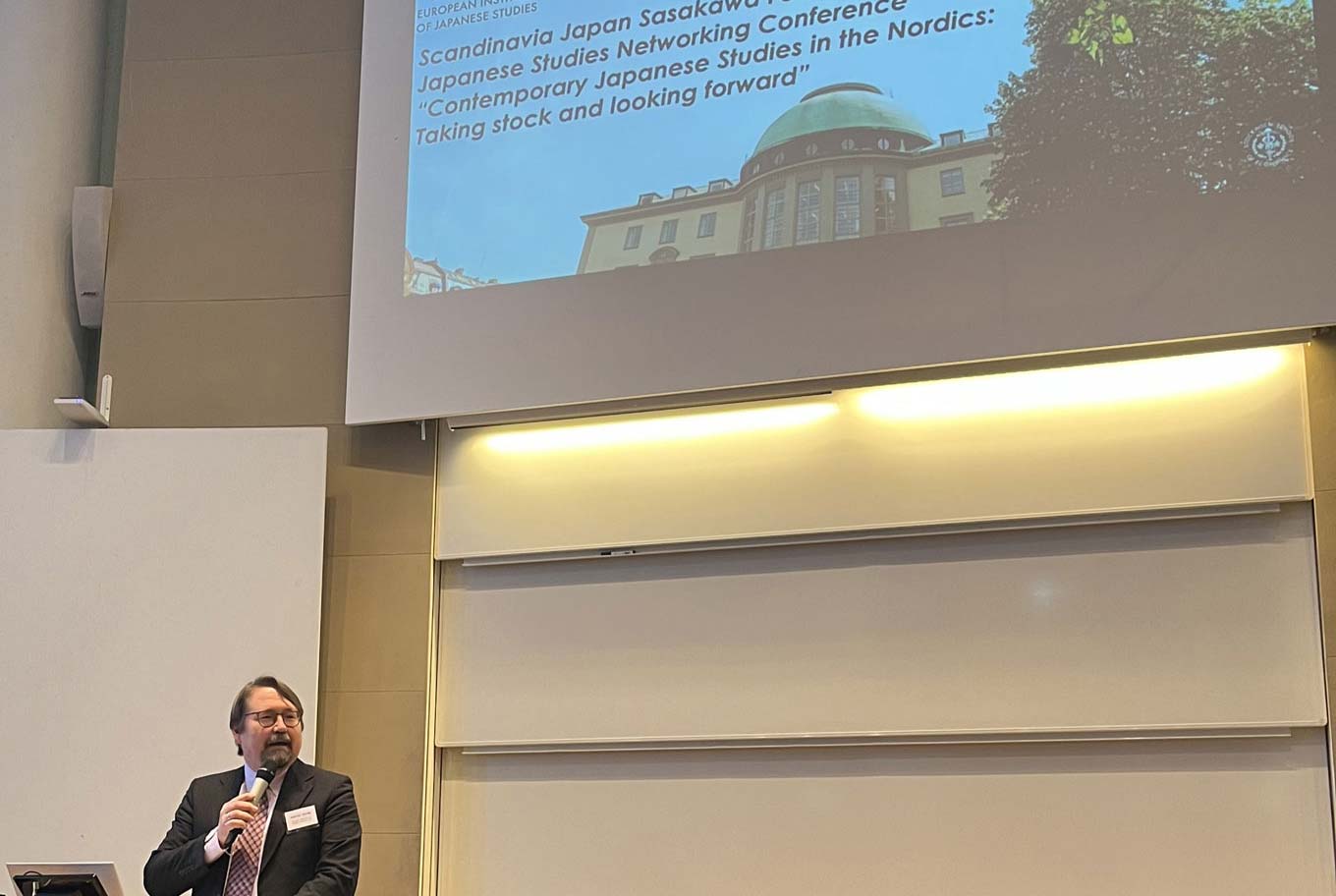
Aiming to strengthen ties between Japan and Northern Europe, The Nippon Foundation provided financial support for the hiring of instructors for modern Japanese studies programs in five Northern European countries (Sweden, Norway, Denmark, Finland, and Iceland) for five years. Assistance was also provided to enable students from universities in these countries in doctoral and master’s Japanese studies programs to come to Japan to conduct research.
Since the program began in 2017, a total of nine teaching positions at nine universities have been filled, and support has been provided to 30 students in doctoral programs and seven students in master’s programs.
2. Support for Japanese language studies
2.1 The Nippon Foundation Fellowship at the Inter-University Center for Japanese Language Studies
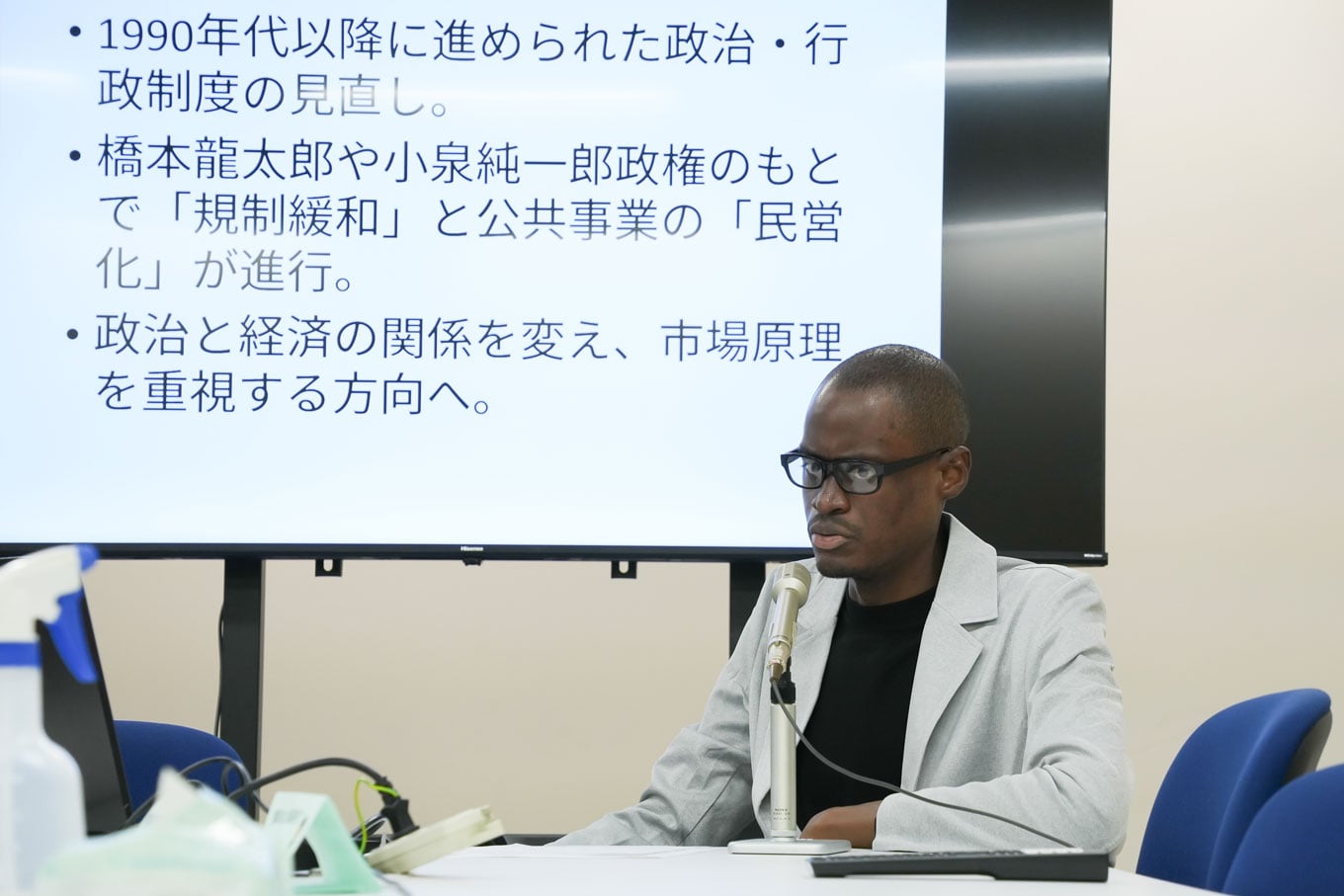

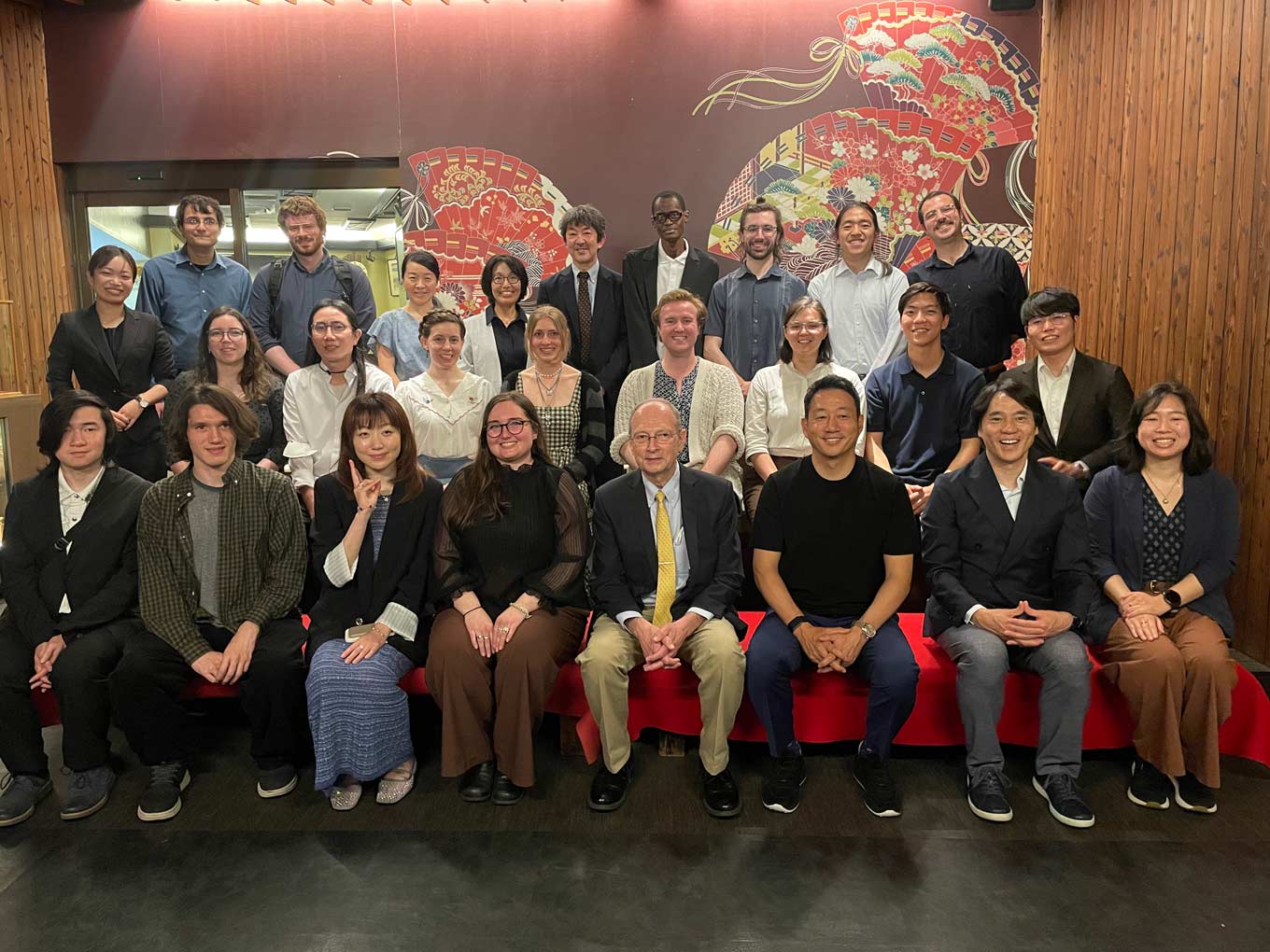
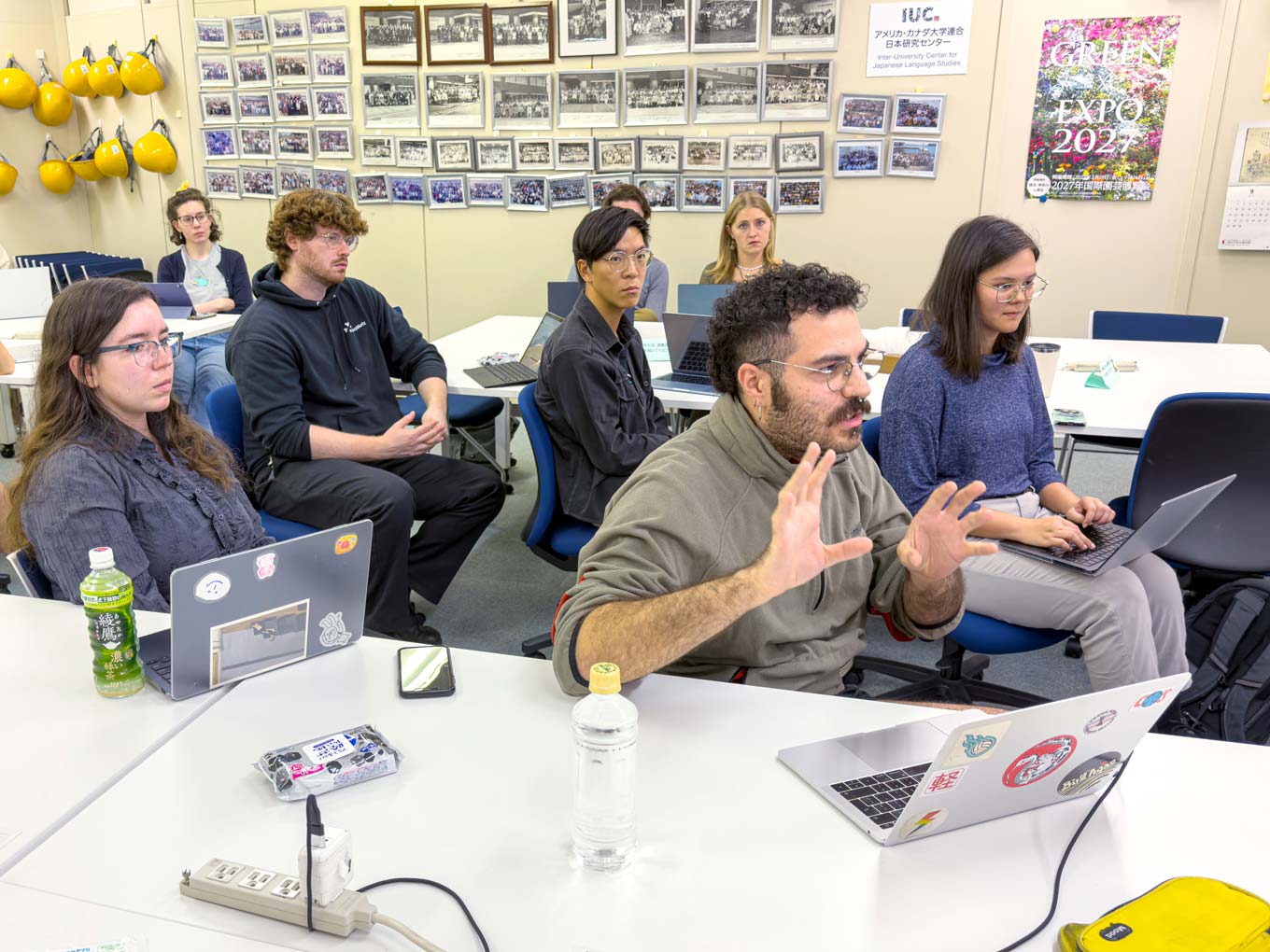
This program aims to give graduate students from outside Japan who are engaged in Japanese studies the advanced Japanese language ability needed to conduct their research. Roughly 20 students receive scholarships each year, covering their tuition and living expenses while taking a 10-month advanced Japanese language course at the Inter-University Center for Japanese Language Studies (IUC) in Yokohama. To date, 246 students have received scholarships, many of whom are currently teaching and researching at universities, primarily in the United States and Europe.
3. Systematic foundation to support Japanese language education and Japanese studies (endowments)
Role of endowment activities
In addition to our support through our grant projects, The Nippon Foundation has established endowments and other permanent frameworks at overseas universities and research institutes to create platforms for Japanese language education, Japanese studies, and cultural interchanges over the medium to long term. These are operated independently by the institutions at which they are established, to promote understanding of Japan in ways that conform to local circumstances.
3.1 Support for understanding Japan by foundations located outside Japan
The Great Britain Sasakawa Foundation (United Kingdom)
Established: 1984 / Endowment: approx. 9.5 million pounds
Grantmaking in areas including culture, education, personal exchanges, and Japanese studies to promote mutual understanding between Japan and Great Britain
The Scandinavia-Japan Sasakawa Foundation (Northern Europe)
Established: 1985 / Endowment: 4.3 billion yen
Support for academic, educational, and cultural exchanges to strengthen mutual understanding and cooperative relations between Japan and the countries of Northern Europe
Fondation Franco-Japonaise Sasakawa (France)
Established: 1990 / Endowment: 4.0 billion yen
Grantmaking in cultural, educational, and research areas to strengthen mutual understanding and friendly ties between Japan and France
3.2 Funds and endowed courses at universities, etc.
University of California, Los Angeles
Established: 1983 / Endowment: US$1 million
Fellowships to support graduate students’ Japanese language studies (IUC, etc.)
University of Oxford
Established: 1986 / Endowment: 200 million yen
Support for exchanges among students and researchers, for Japanese studies-related conferences, and the publication of Japanese studies-related materials.
Johns Hopkins University School of Advanced International Studies
Established: 1987 / Endowment: US$1 million
Endowed course to support and educational and research foundation for Japanese studies in the field of international relations
Georgetown University
Established: 1992 / Endowment: US$2 million
Establishment of a permanent course in the field of Japanese language and culture, and support for Japanese language education and training of human resources
American Association of State Colleges and Universities
Established: 1992 / Endowment: US$1 million
Support for teacher training to introduce and expand Japanese studies at the undergraduate level
Yonsei University
Established: 1993 / Endowment: 50 million yen
Fund to promote mutual understanding between Japan and South Korea through international academic exchanges and joint research
4. Cultural exchange and dissemination by partner organizations
4.1 The Tokyo Foundation READ JAPAN PROJECT
This project donates English-language books about Japan to libraries and research institutes around the world. Covering a range of fields from politics and economics to culture and the arts, 354 titles have been selected and books are donated according to the wishes of the recipient institution. To date, donations have been made to more than 1,600 institutions in 150 countries and regions around the world, reaching a wide audience from Japan-specialist researchers to the general public. The program was launched by The Nippon Foundation in 2008 and transferred to The Tokyo Foundation in 2022.

4.2 The Japan Science Society
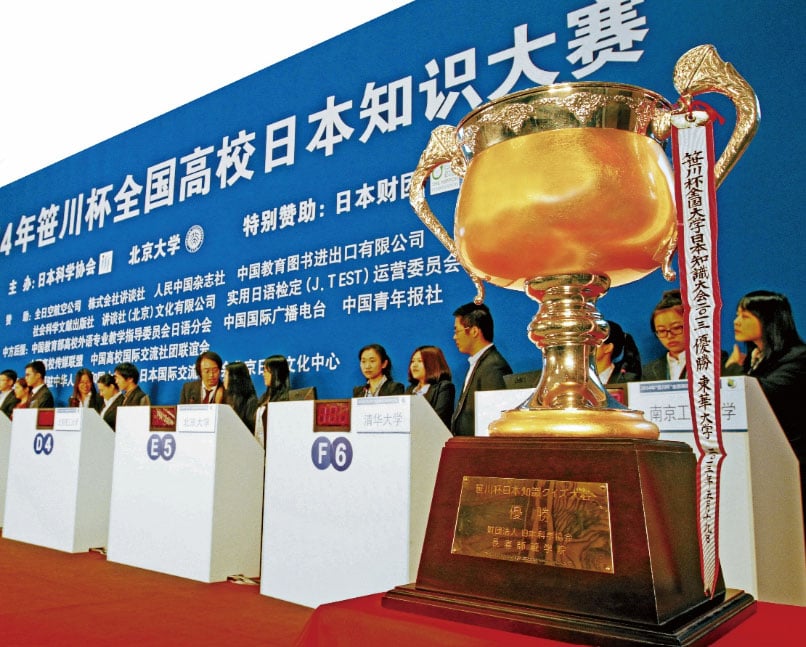
The Japan Science Society began with the establishment of the Sasakawa Scientific Research Grant to support research being carried out by young researchers, and carries out a range of activities to disseminate scientific knowledge. To train international human resources by promoting mutual understanding and friendly relations between Japan and China, it donates books to Chinese universities, holds competitions based on knowledge of Japan and presentations of Japanese studies academic papers for Chinese university students, and essay contests for young Japanese and Chinese students. Winners of these events are invited to participate in programs to visit Japan or China.
4.3 Nippon Ginkenshibu Foundation
Ginkenshibu is a collective term for the traditional Japanese performing arts gin-ei (recitation of classical Chinese and Japanese poetry) and ken-shibu (gin-ei recitation accompanied by dance). Gin-ei traces its history back to the age of the “Kojiki” (Records of Ancient Matters, said to have been written in the early 8th century), and involves passionately reciting the scenes and emotions embedded in the poetry. The dance component consists of two forms – kenbu (sword dance), which uses a sword to express the strength of the samurai, and shibu (poetry dance), which involves elegant movements with a fan. It is a dynamic performing art that allows audiences to experience the Japanese spirit and traditional beauty all at once, passing down the essence of Japan’s spirit and aesthetic sensibilities to the present day.

4.4 Nippon Taiko Foundation
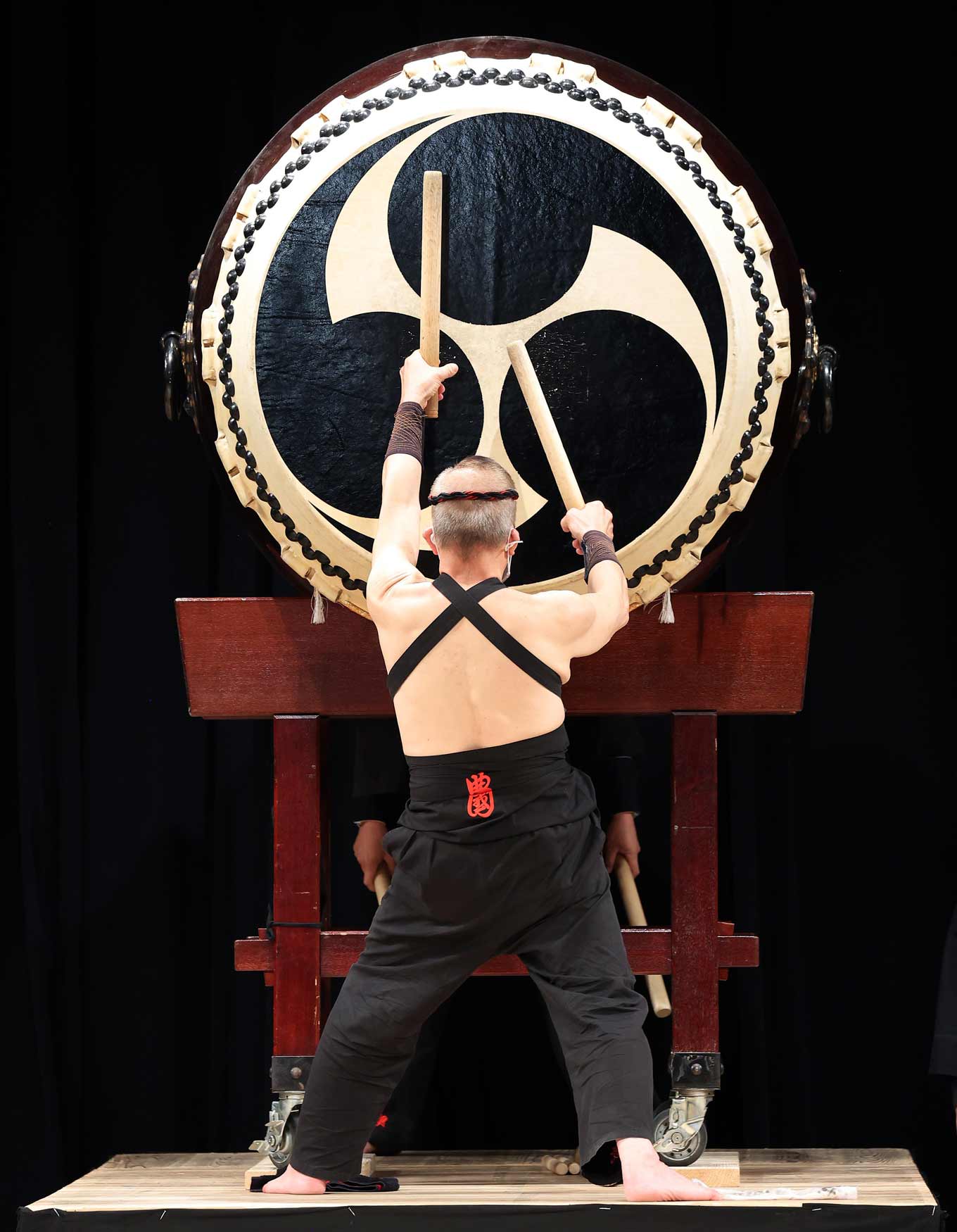
The All Japan Taiko Federation was established in 1979 (chaired by Ryoichi Sasakawa) with the aim of promoting Japanese taiko drums and drumming and fostering mutual friendship. With support from the Japan Shipbuilding Industry Foundation (later renamed The Nippon Foundation), the Nippon Taiko Foundation was established in 1997, and in 2012, it became a public interest incorporated foundation. Drawing on the experience and achievements accumulated over the years, it works to preserve, promote, and foster the tradition of the Japanese taiko while organizing various events and workshops to promote taiko culture.
Related Links
Inquiries
- Please note that we can only accept inquiries in Japanese or English, and that it may take approximately one week to respond.