Earthquake Relief Provided in Turkey: the Start of the Foundation's Overseas Disaster Relief
The Foundation provides its first overseas emergency assistance following a major earthquake in eastern Turkey. Thereafter, responding to major disasters—including earthquakes, fires, floods, and other catastrophes in Japan and overseas—becomes a core component of the Foundation’s disaster relief activities.
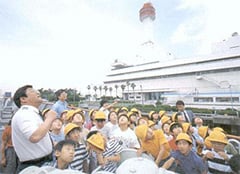
After nine years of planning and construction, the Museum of Maritime Science opens in Odaiba (a man-made island in Tokyo Bay formerly called “District 13”). Displayed in front of the museum, which is shaped like an ocean liner, is Japan’s first Antarctic observation ship, Soya.
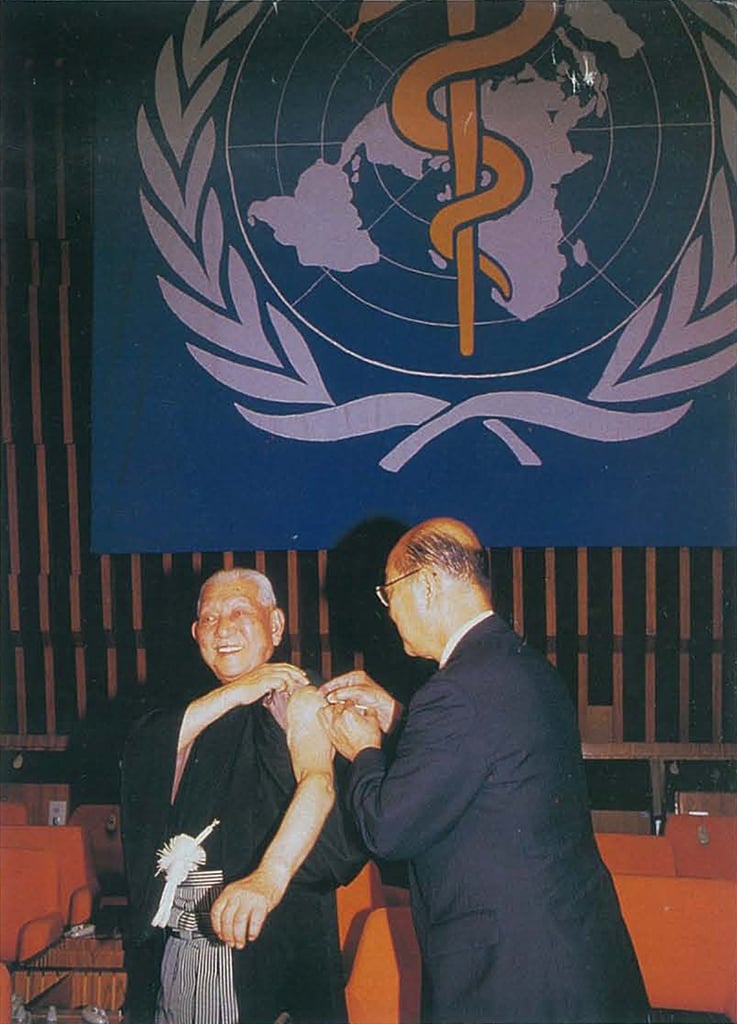
The Foundation’s full-scale efforts to eliminate leprosy in collaboration with the World Health Organization begin with the establishment of the Sasakawa Memorial Health Foundation. Prior to this, the Foundation’s chairman, Ryoichi Sasakawa, had provided assistance on a personal basis to countries including India, the Philippines, South Korea, and Taiwan. The Sasakawa Memorial Health Foundation also collaborates with WHO in efforts to eliminate smallpox, which is declared eradicated in 1980.
Cooperation is provided to the Office of the UN High Commissioner for Refugees to help displaced persons from Angola, the Philippines, Zaire (present-day Democratic Republic of the Congo), Zimbabwe, and Ethiopia. Assistance for the UN Relief and Works Agency for Palestine Refugees in the Near East also commences.
International private-sector exchange is promoted through the establishment of the United States-Japan Foundation in 1980, the Great Britain Sasakawa Foundation in 1983, the Scandinavia-Japan Sasakawa Foundation in 1985, and the Fondation Franco-Japonaise Sasakawa in 1990.
The United Nations Environment Programme Sasakawa Prize
The United Nations Environment Programme’s UNEP Sasakawa Prize was established to honor persons, institutions, or nongovernmental organizations that make outstanding contributions in the Environmental Field.
The Japanese government launches a program to resettle Japanese war orphans who were left behind in China at the end of World War II. Based on broad private-sector support, an endowment is established in 1983, and the following year the Foundation starts making contributions. In 1984 alone, investigations conducted by the Japanese government identify next of kin in Japan for 733 of the 1,527 war-orphans still living in China, and 170 of them are successfully resettled in Japan.
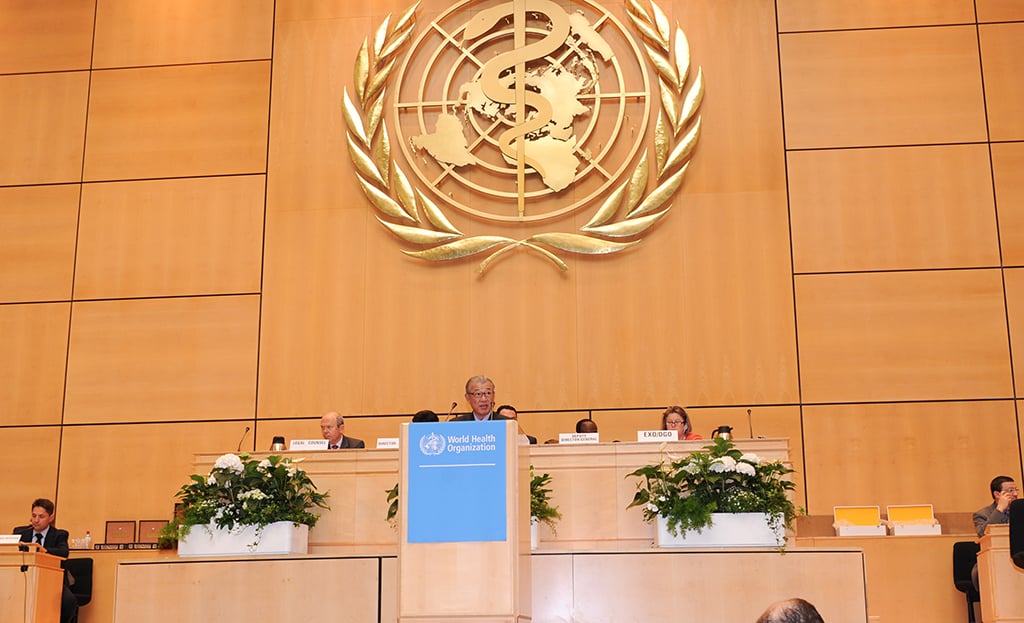
The World Health Organization Sasakawa Health Prize was established to honor persons, institutions, or nongovernmental organizations that make an outstanding contribution to the field of public health.
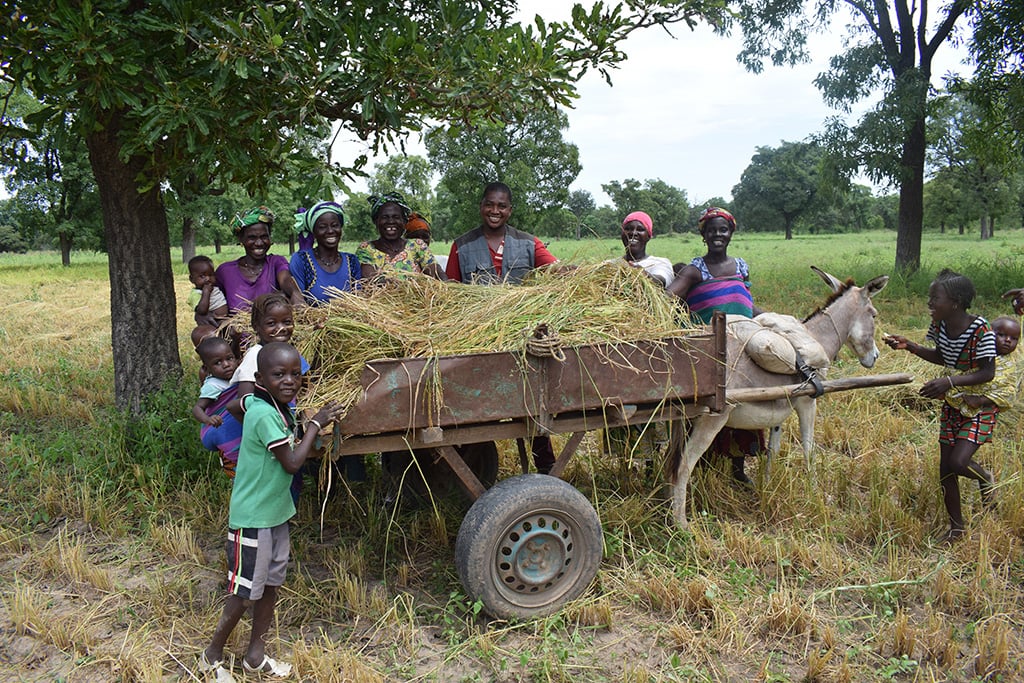
In response to the Ethiopian famine of the mid-1980s, the Foundation establishes the Sasakawa Africa Association to reduce reliance on food aid and promote agricultural self-sufficiency in sub-Saharan Africa. The Sasakawa Global 2000 program is launched to support smallholder farmers in increasing productivity and improving incomes. See Agricultural Assistance in Africa for more.
United Nations Sasakawa Award for Disaster Risk Reduction
The United Nations Sasakawa Award for Disaster Risk Reduction was established to honor persons, institutions, or nongovernmental organizations that make an outstanding contribution to the field of disaster reduction.
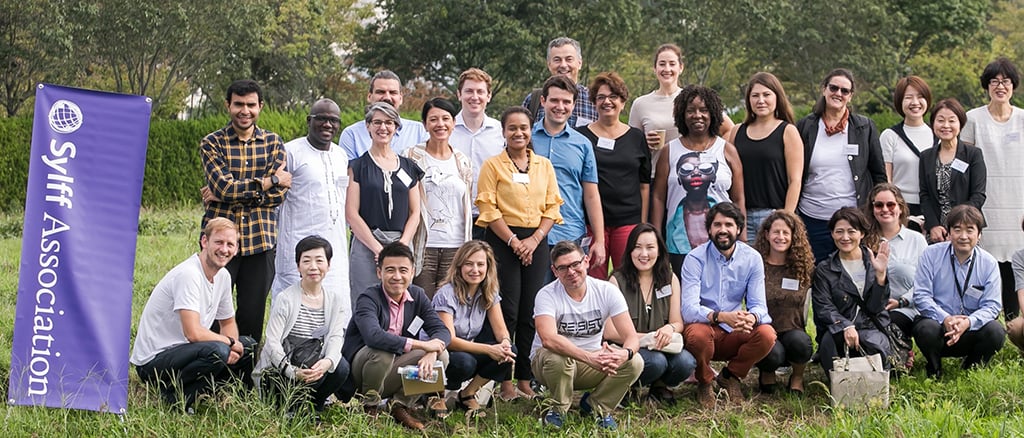
Development of Worldwide Network of Leaders Begins, with Establishment of Ryoichi Sasakawa Young Leaders Fellowship Fund
A fund to support graduate students studying in the fields of the social sciences, humanities, and the performing arts is launched. Endowments of $1 million are provided to 69 universities and consortia in 44 countries.
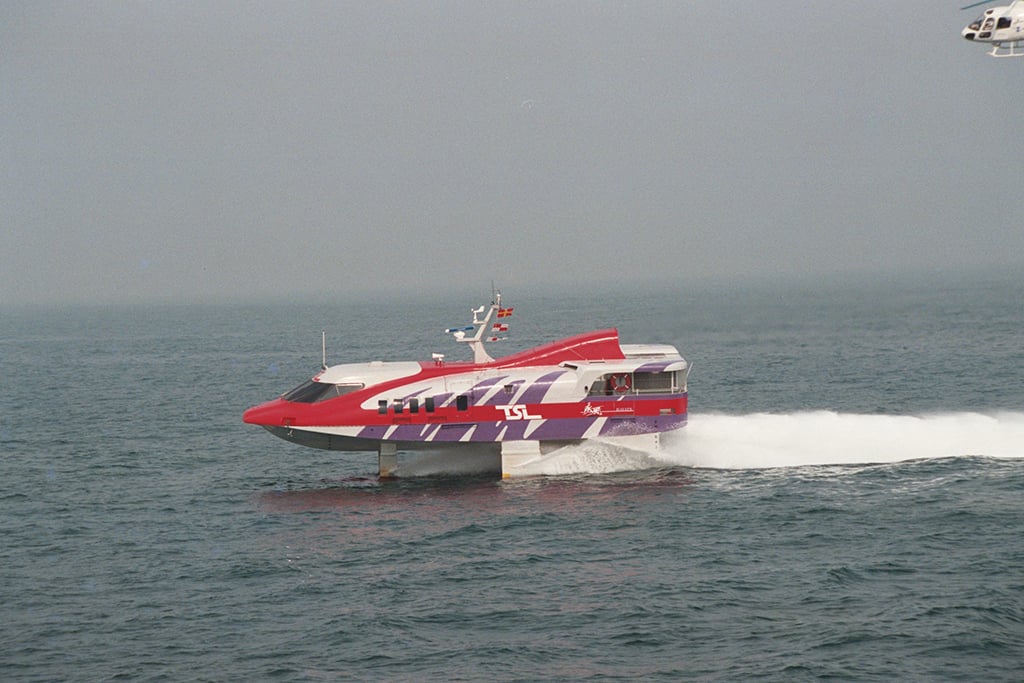
The Foundation begins assisting with the development of a next-generation ultra-high-speed cargo vessel, the Techno Superliner (TSL), by a research consortium established by shipbuilding and steel companies. From 1989 to 1995, the government and private sector join hands to develop a vessel capable of cruising at 50 knots (about 93 kilometers an hour), carrying a payload of 1,000 tons, and covering a distance of 500 nautical miles (930 kilometers). Component technologies are researched, and comprehensive experiments are conducted on two ship prototypes, enabling the acquisition of technology for construction and operation of the TSL.
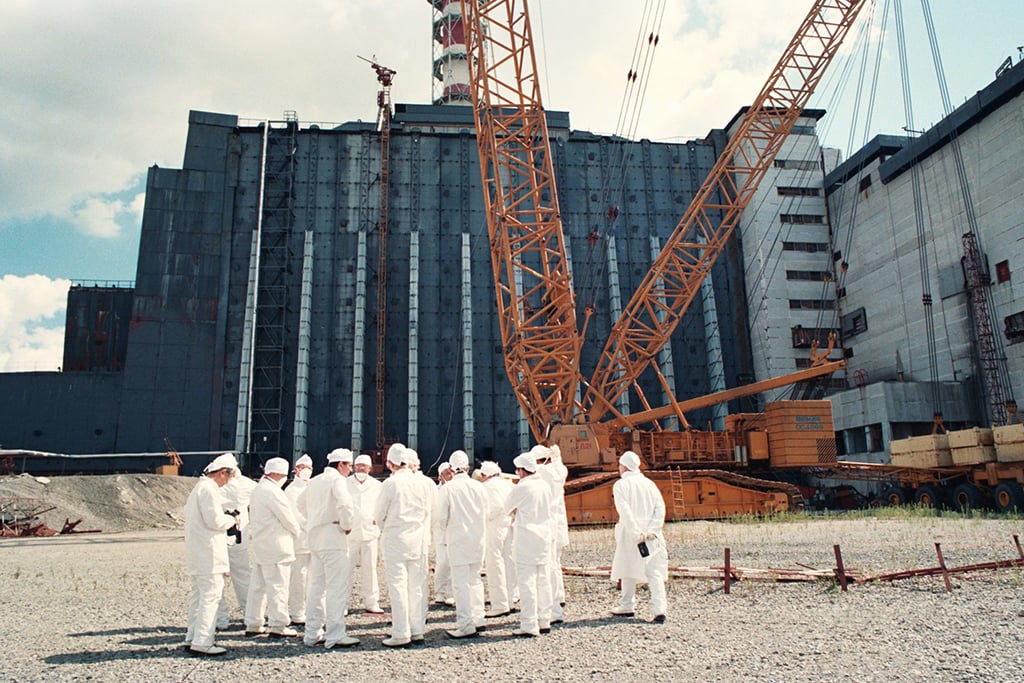
Medical and Technical Aid Provided in Wake of Chernobyl Disaster
In response to a request from the Soviet government for private-sector medical assistance following the 1986 Chernobyl nuclear power plant accident, the Foundation provides medical cooperation to affected communities through the Sasakawa Memorial Health Foundation.