World’s 1st Automated Coastal Container Vessel (MASS) Enters Commercial ServiceNewly built vessel with Level 4 autonomous navigation functions
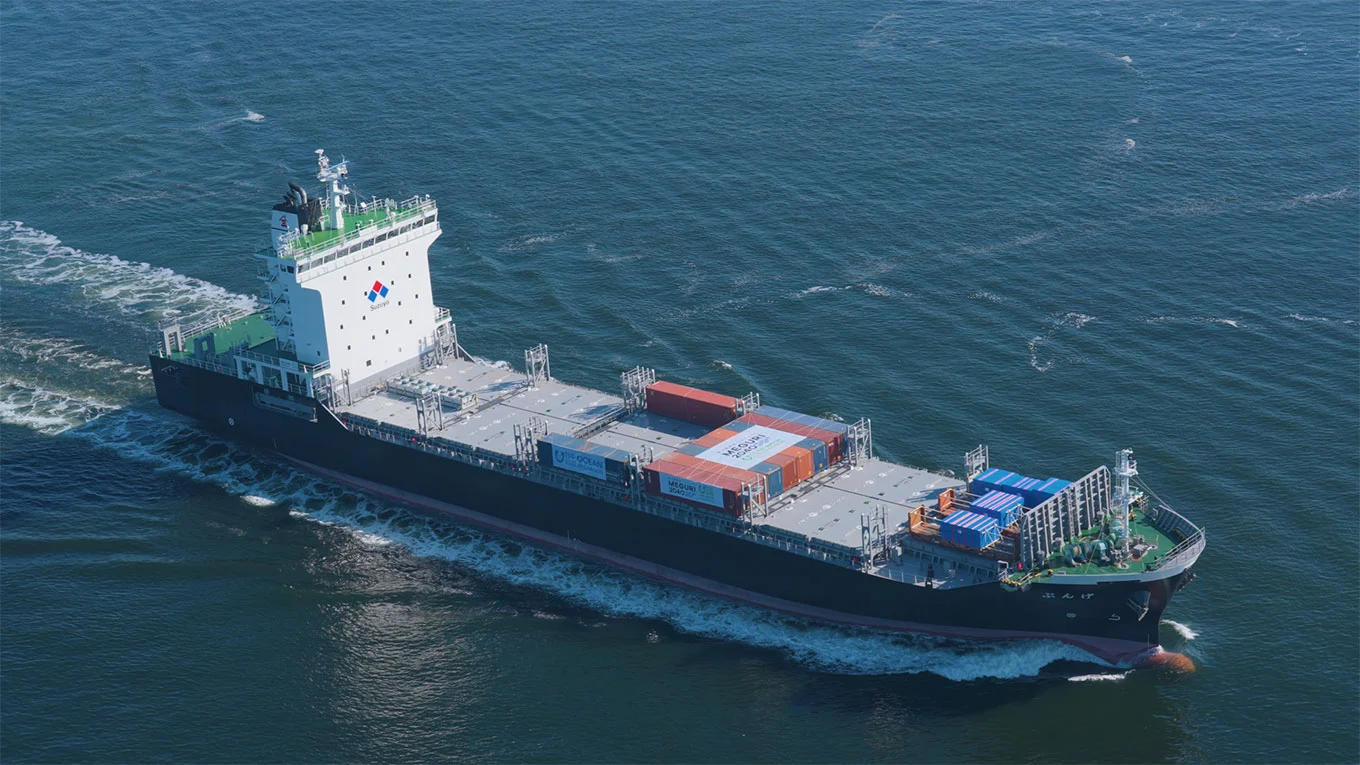
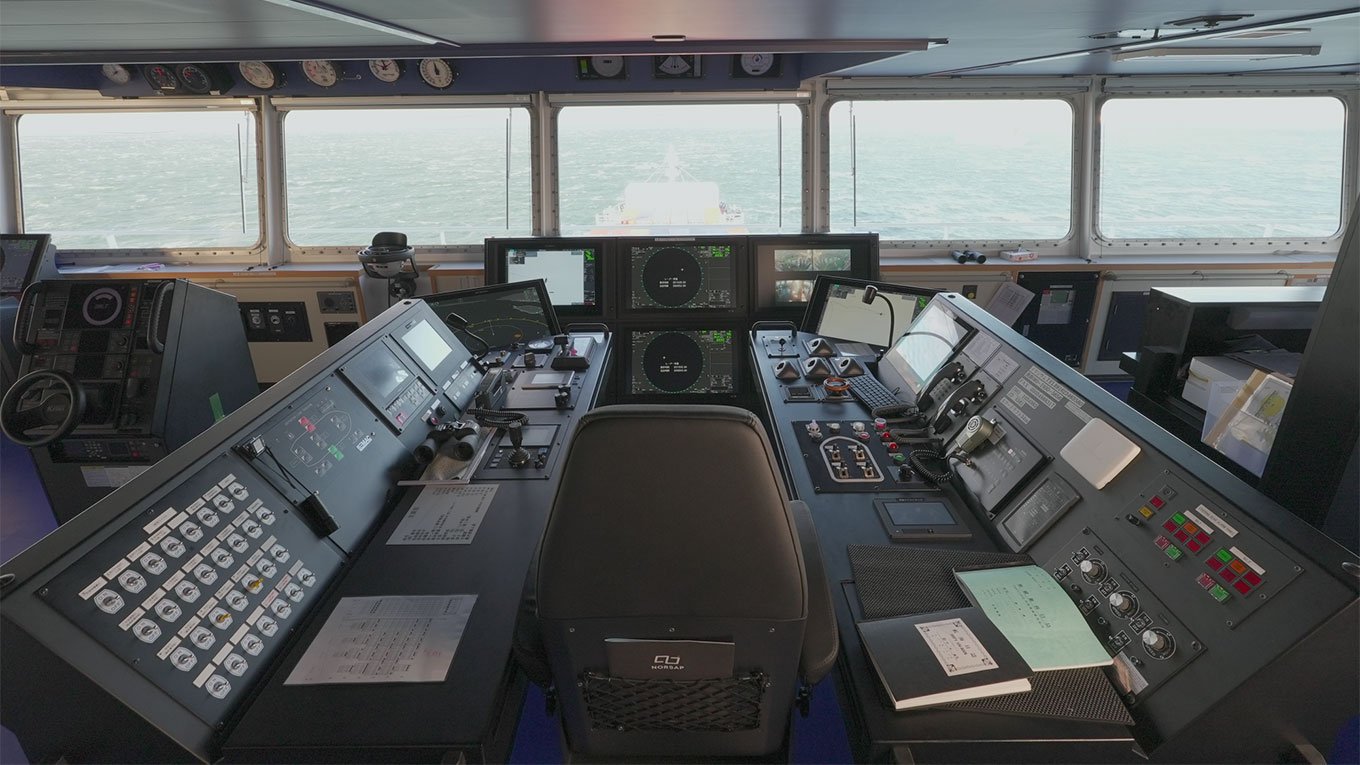
Demonstration navigation in Stage 1 of the project, carried out from January to March 2022, successfully carried out autonomous navigation in the congested waterways of Tokyo Bay and of long-distance (roughly 750 kilometers), long-time (more than 18 hours) navigation from Tomakomai, Hokkaido, to Oarai, Ibaraki Prefecture. Stage 2, which is currently underway, is using the knowledge gained from Stage 1 to carry out commercial service of various types of vessels – a passenger ferry, container vessels, and a Ro-Ro (roll on, roll off) vessel – as part of a modal shift toward more environmentally friendly shipping, with the aim of social implementation.
With today’s launch of commercial service, the GENBU becomes the second of four vessels equipped with automated navigation functions scheduled to enter commercial service during fiscal 2025, following the passenger ferry Olympia Dream Seto , which entered commercial service in Okayama Prefecture in December 2025.
The Nippon Foundation continues to pursue technological development while also promoting the establishment of rules and laws related to automated and autonomous navigation as well as social understanding, with the aim of having autonomous navigation account for 50% of domestic shipping by 2040.
- Note 1: According to The Nippon Foundation’s research (as of January 2026), this is the world’s first case of “regular actual navigation” at Level 4-equivalent automated operation on a regular cargo route.↩︎
- Note 2: A technological level where fully autonomous navigation is partially available, Level 4 indicates fully automated operation in a designated area under certain conditions without human intervention.(The definition of automated operation for ships is currently being discussed at the International Maritime Organization (IMO). For convenience, the definition for automobiles is used.) Cf. https://www.mlit.go.jp/common/001226541.pdf(external link, in Japanese only). ↩︎
Speakers’ comments (January 30 press announcement)
Mitsuyuki Unno (Executive Director, The Nippon Foundation)
Tsuyoshi Unegochi, President, Ikous Corporation
Yuichi Osawa, Operating Executive, Supply Chain and Purchasing Operations, S&OP Logi and Indirect Purchasing Unit, Honda Motor Co., Ltd.
Japan’s logistics industry is facing the structural issues of labor shortages and environmental impact. With this launch of regular commercial operation for a coastal container vessel with autonomous navigation, we are a step closer to resolving these issues, and the fact that we are at a stage where this will actually be used in logistics workplaces is very significant. I hope that this project will become an established platform for supporting safe and sustainable coastal transport.
Reference: ‘GENBU’ demonstration testing and vessel inspection
Background and history of MEGURI2040
Although demonstration testing for automated driving is currently moving forward with a focus on the automobile sector, given the technological difficulties in areas including ship-to-shore telecommunications environments and instantaneous obstacle avoidance, and the large amount of funds required for development, there has been almost no development to date for autonomous vessels. At the same time, Japan is a world leader in information and communications technology (ICT), artificial intelligence (AI), and image analysis technology. The Nippon Foundation launched the MEGURI2040 project for autonomous vessels recognizing the possibilities for using these technologies for joint technological development with private sector companies to make dramatic advances in technological development related to autonomous navigation. Stage 1 involved six vessels and carried out automated navigation demonstrations from January to March 2022. Stage 2 began in fiscal 2022 and involves four vessels, with the aim of “commercial service” (social implementation). In addition to technological development targeting Level 4 automated operation, the project is promoting the development of Japanese and international rules, an insurance framework, and the development of peripheral environments in line with the evolving needs of users. Of the project’s four vessels equipped with automated navigation functions scheduled to enter commercial service during fiscal 2025, the GENBU is the second to have entered commercial service, following the passenger ferry Olympia Dream Seto, which began commercial service in December 2025.
Stage 2 vessels
In addition to each vessel’s sophisticated automated operation system, Stage 2 is enhancing technologies to address the issues of operation and automated berthing/un-berthing in areas with heavy traffic and of land-based monitoring and support for multiple vessels, which were identified in Stage 1, with the aim of social implementation.
| Vessel Type and Overview | Description and Objectives | Date and Route for Commercial Operation | Main Developers |
|---|---|---|---|
New container vessel GENBU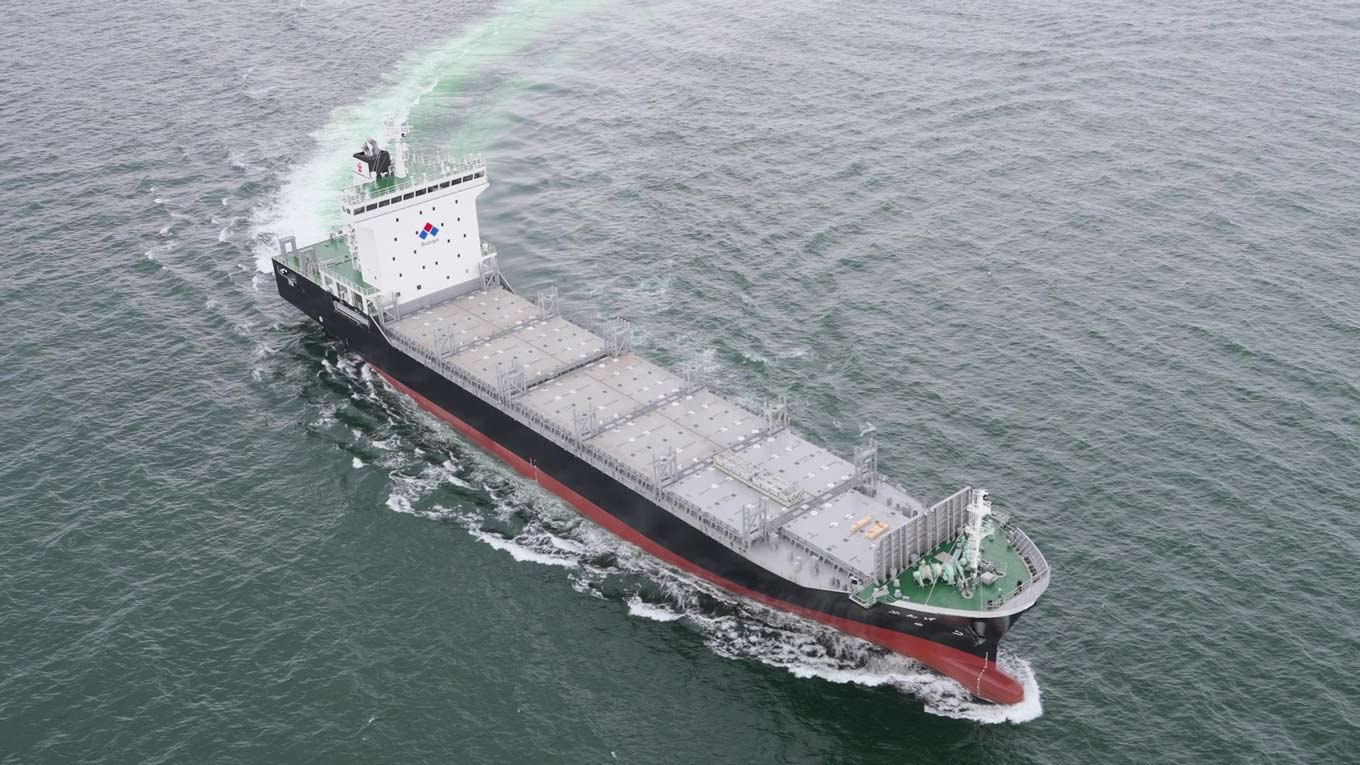
|
This newly built coastal container vessel is equipped with all systems required for fully autonomous navigation, and was developed from scratch based on the concept of fully autonomous navigation. In addition to advanced autonomous navigation functions, the engine area can be monitored remotely and the vessel has energy-saving technologies for when it is moored. The project aims to use fully autonomous navigation technologies to reduce crews’ workloads to the greatest degree possible. | January 30, 2026 Kobe – Osaka – Nagoya – Shimizu – Yokohama – Tokyo |
MTI and 15 other companies |
Remote island passenger ferry Olympia Dream Seto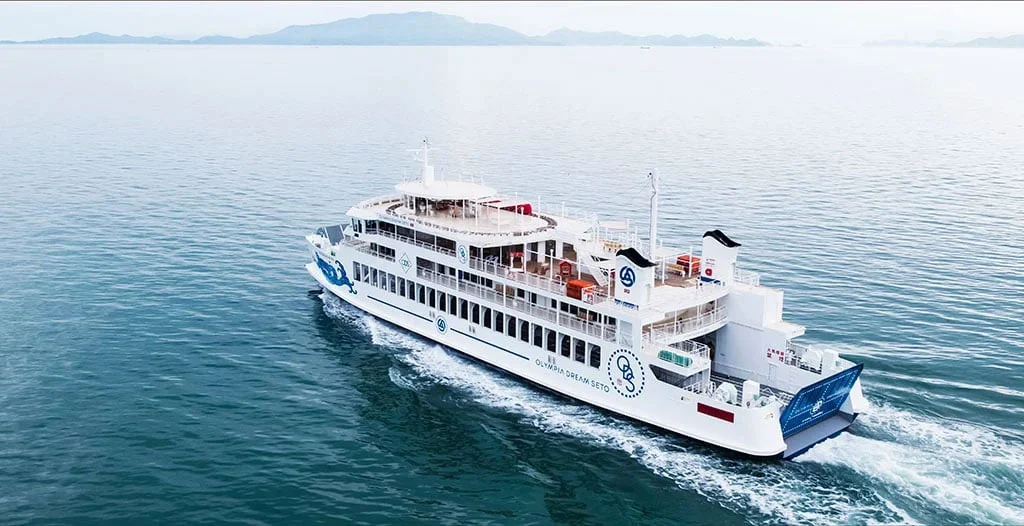
|
To address the issue of maintaining routes to Japan’s roughly 400 inhabited remote islands, the automation of this ferry will alleviate crew shortages with the aim of ensuring stable transport of people and goods for island residents. | From Dec. 11, 2025 Between Shin-Okayama Port and Tonosho Port (Shodoshima) |
Japan Marine Science and 4 other companies |
Container ship Mikage
|
The Mikage is a 749 gross ton container ship, Japan’s most common type, and was used for Stage 1 demonstration testing. By automating the vessel for a higher level of social implementation, the project aims to promote the use of autonomous navigation. | By March 2026 Between Kobe and Nagoya |
Mitsui O.S.K. Lines and 3 other companies |
Ro-Ro vessel Hokuren Maru No.2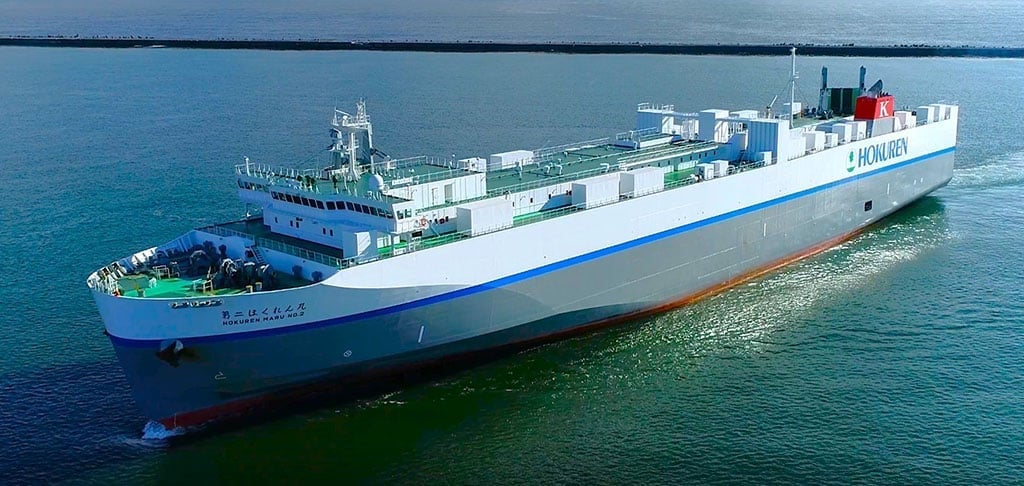
|
This Ro-Ro vessel transports agricultural products on a roughly 1,600-kilometer round-trip route between Kushiro and Hitachi. The project aims to demonstrate commercial service along this route, which includes areas that are congested with fishing boats and can have thick fog. | By March 2026 Between Kushiro and Hitachi |
Kawasaki Kisen Kaisha and 3 other companies |
Land-based Fleet Operation Centers to support automated operation
Two land-based Fleet Operation Centers (FOCs) have been built to support multiple autonomous vessels by making it possible to carry out from land operations that had previously been performed on board, including remote monitoring of the engine area and route planning. This will allow crews to have diverse work styles and increase navigational safety.
| Name | Features | Primary Developers |
|---|---|---|
Permanent Fleet Operation Center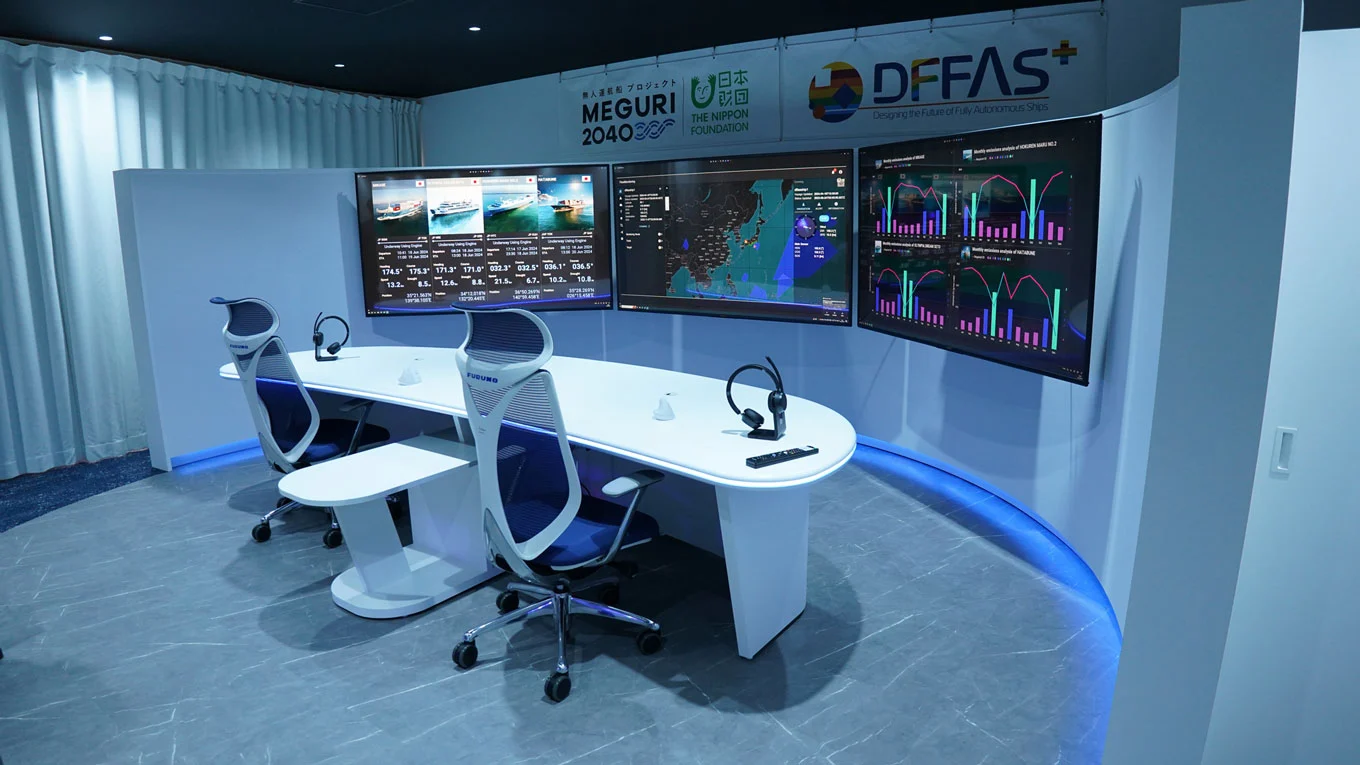
|
This land-based FOC is fully equipped with all functions for individual land-based support for multiple vessels, including operation and monitoring and support for navigation functions and engine operations. | Furuno Electric Bemac Sunflame |
Mobile Fleet Operation Center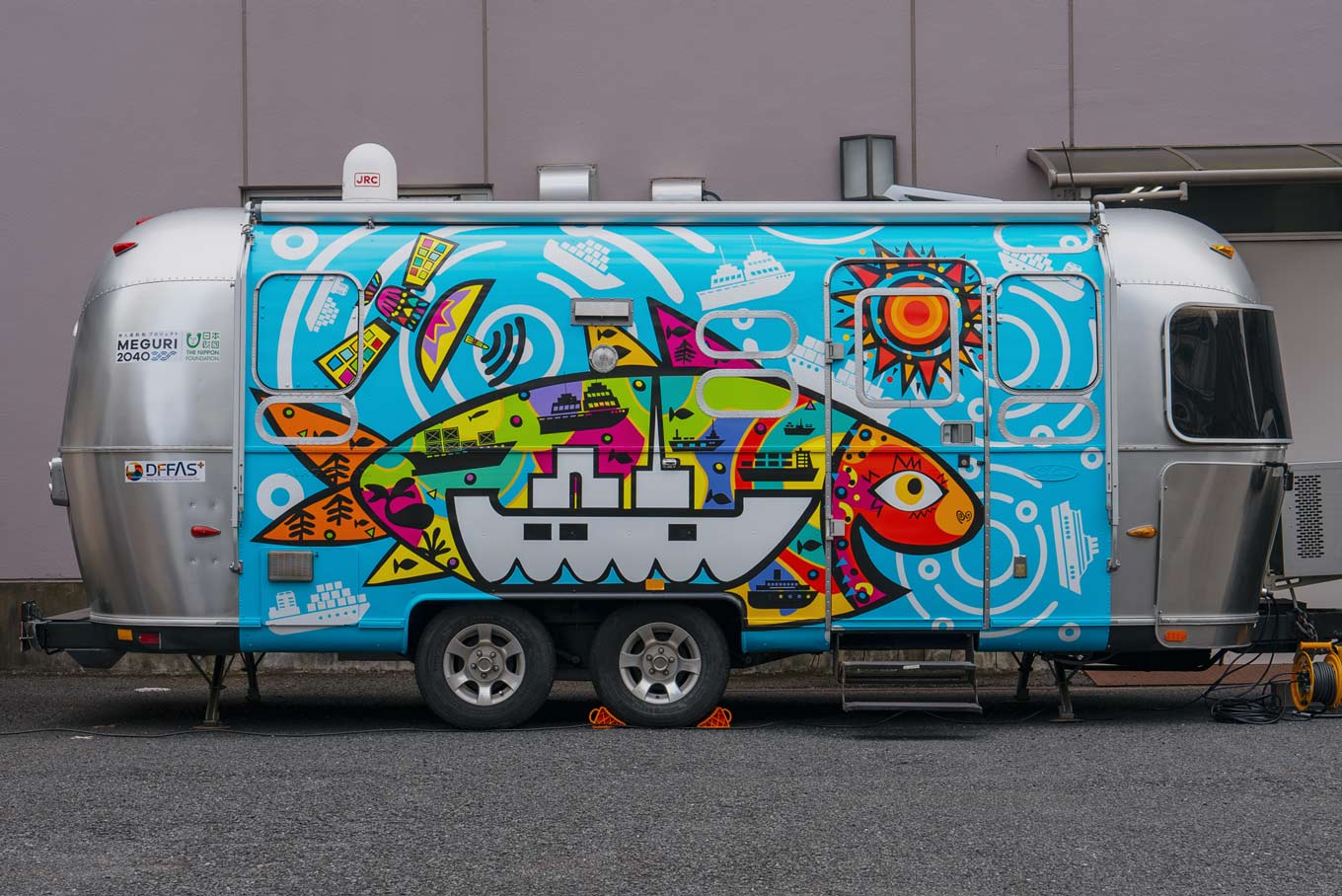
|
This compact FOC is able to monitor multiple vessels simultaneously and is equipped with the functions required for land-based support, with a view toward widespread deployment in the future. The unit can be towed to a safe location during natural disasters or other emergencies to ensure uninterrupted operation. | Japan Radio |
Related Links
Contact
Ocean Affairs Team
The Nippon Foundation
- Email: MEGURI2040@ps.nippon-foundation.or.jp