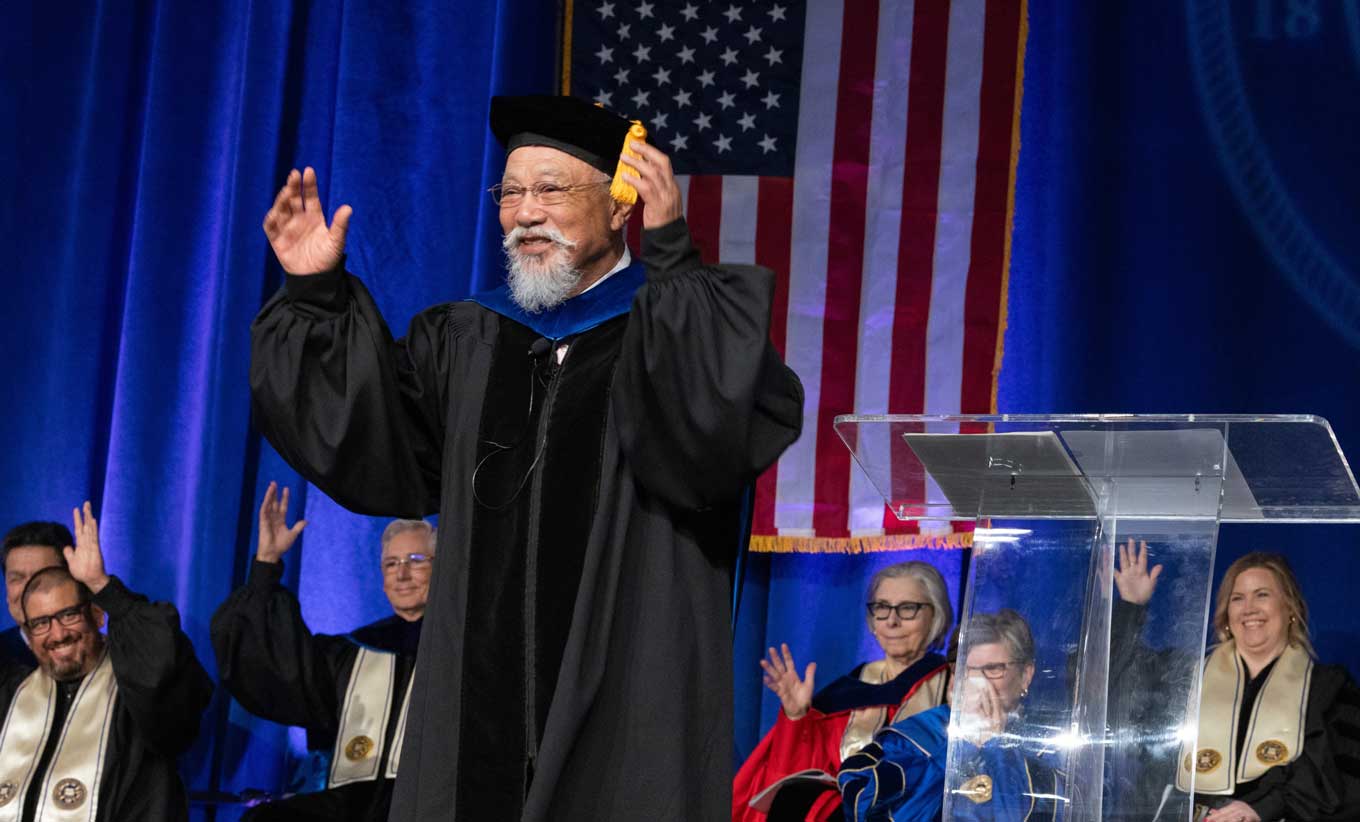
Master’s Scholarship for Southeast Asian Leaders with Disabilities
Master’s Scholarship for Southeast Asian Leaders with Disabilities
Conventions on the rights of persons with disabilities have been ratified and basic laws related to the rights of persons with disabilities have been enacted in countries across Southeast Asia. At the same time, however, issues in daily life like opportunities for education and employment and access to transportation and information remain. This project, administered locally by the ASEAN University Network – Disability and Public Policy Network (AUN-DPPnet),* provides support for master’s course studies for persons with disabilities to train leaders who can then use their specialist knowledge to address these issues
- AUN-DPPPnet: A network of leading universities in ASEAN countries established within the ASEAN University Network to train human resources in the field of disability public policy. The administrative office is located at Universiti Malaya in Kuala Lumpur, Malaysia.
- Note: Nitcharee Peneakchanasak from Thailand (above) completed a master’s course in psychology at Chulalongkorn University. She currently works at the UNICEF Asia-Pacific Regional Office promoting diversity. Together with friends she has also set up an organization to support children’s mental health (as of May 2026).
Project overview
Since 2016, the project has provided grant-type scholarships annually to roughly 10 students with disabilities in Southeast Asian countries studying in master’s programs. The scholarship is unique in that it is available only to students with disabilities from these countries, and in addition to tuition and allowances for living expenses, it also covers the costs of providing reasonable accommodation in accordance with each student’s disability. Recipients develop specialization in fields in which they are interested and want to pursue in the future, including public policy, social sciences, and education.
- Universities covered: Universities in Southeast Asian countries
- Support provided: Tuition, living allowance, cost of textbooks, cost of digital equipment or sign language interpretation in accordance with the student’s disability, airfare for students studying overseas
Results to date (as of March 31, 2026)
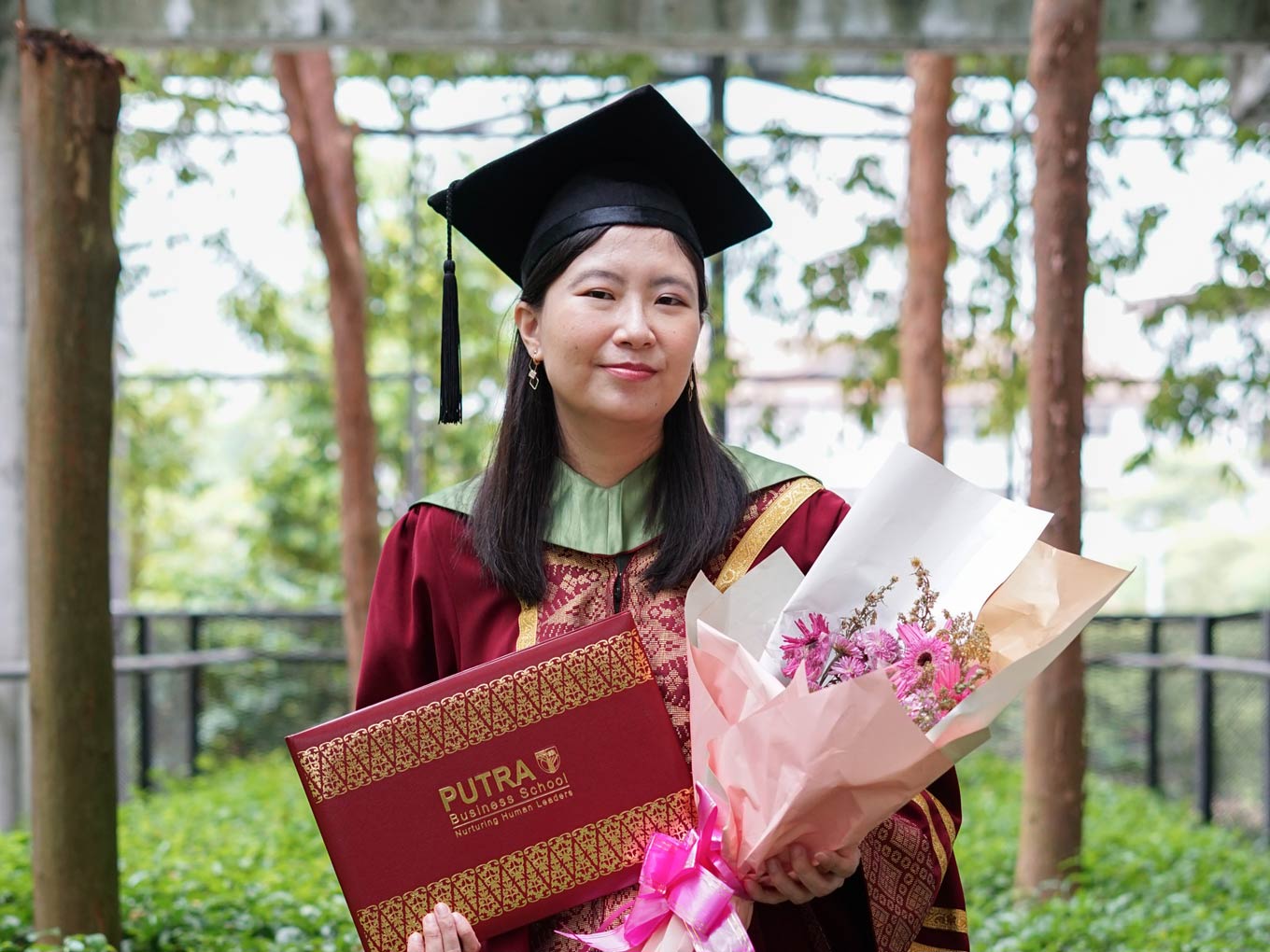
Since its launch in 2016, the project has provided scholarships to 91 students with disabilities. Recipients have pursued specialized studies at universities including Universiti Malaya (Malaysia), Universiti Putra Malaysia (Malaysia), Ateneo de Manila University (Philippines), Universitas Airlangga (Indonesia), and Mahidol University (Thailand).
Breakdown of recipients by country
- Malaysia: 30
- Philippines: 18
- Indonesia: 16
- Thailand: 14
- Vietnam: 7
- Cambodia: 4
- Myanmar: 2
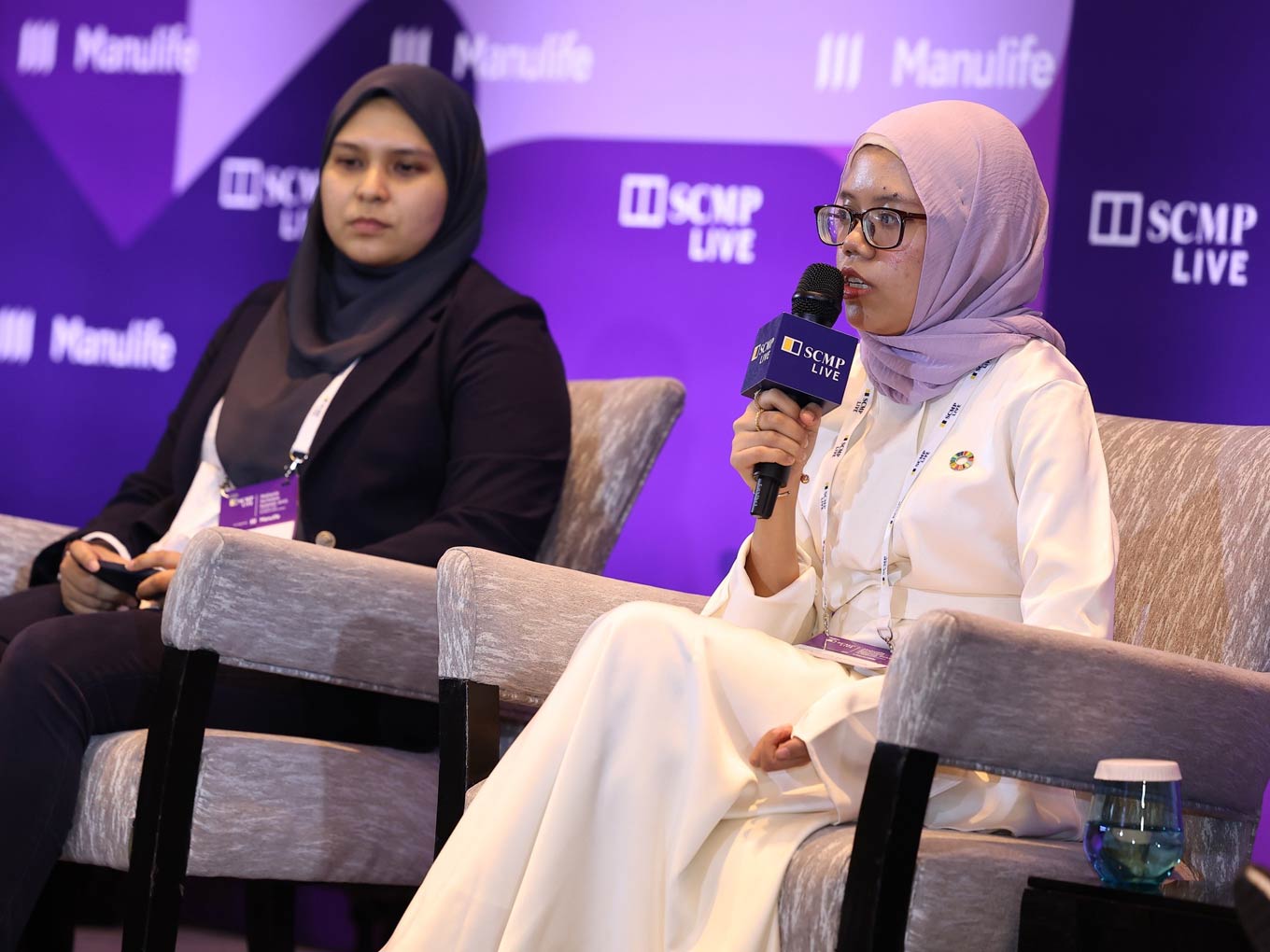
Of these recipients, 54 have completed master’s programs and are working at organizations of persons with disabilities, United Nations’ institutions, companies, government institutions, schools, etc. In addition to their daily work, they speak at events and seminars and disseminate information using social media to address issues facing persons with disabilities from a first-hand perspective.
About donations
The Nippon Foundation aims to create a better society by having each individual approach social issues as their own personal issues, and directly participate in their resolution through donations. We ask for your kind support.