Universal Beaches Allow Anyone to Play Safely and SecurelyDisabilities should not keep people from having fun in the ocean
Key Points
- Persons with physical disabilities and their families have to overcome a host of hurdles to have fun in the ocean.
- With proper preparations, even wheelchair users can play in the ocean. Successful little experiences can lead to new undertakings.
- When we all get rid of our preconceptions about what persons with disabilities can do and instead, think about ways to let them do things, we can give them more options.
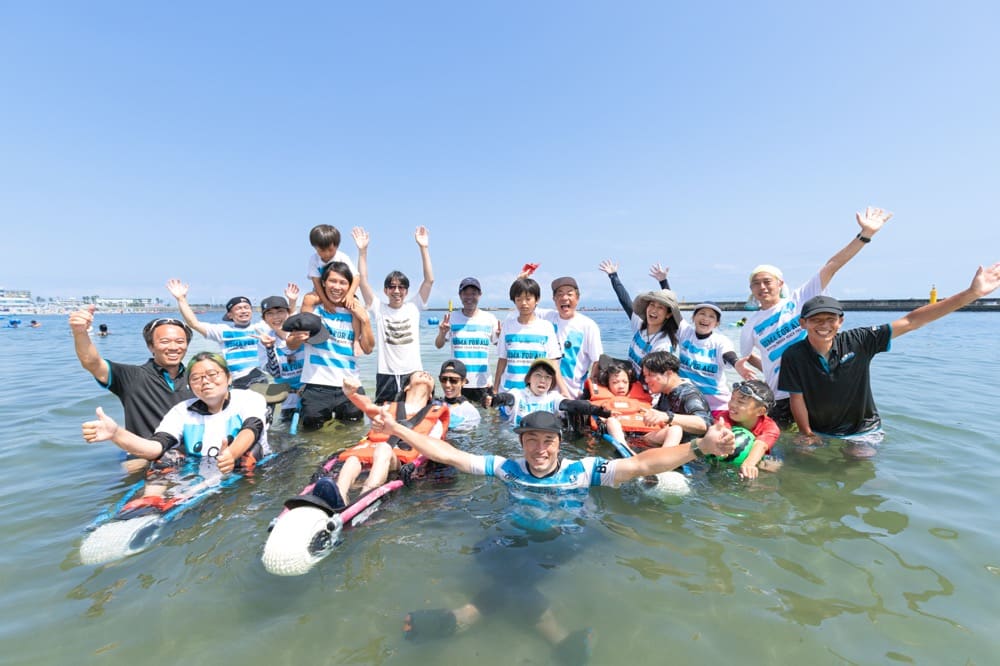
Seashores come alive in the summer months. People go swimming and have fun on the beach. But for persons with physical disabilities who use wheelchairs, there are a host of hurdles, including physical challenges, to overcome in order to enjoy the ocean. The Suma Universal Beach Project (external link, in Japanese) is trying to change all that.
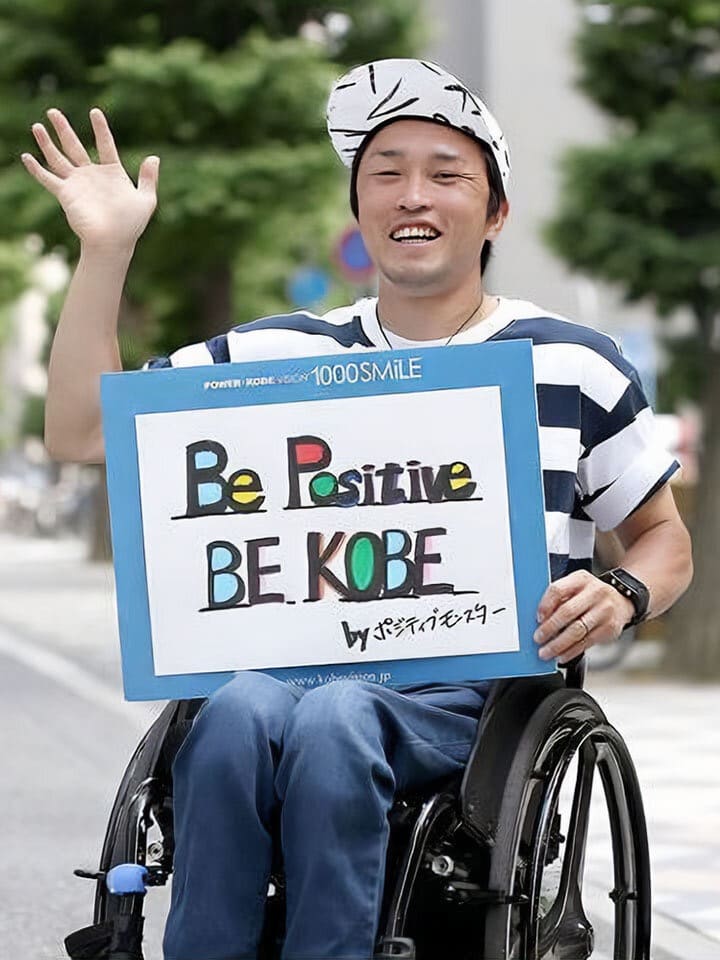
A universal beach is a beach where persons with disabilities and older people can freely, safely, and comfortably enjoy themselves. For this article, we talked to Shunsuke Kido, representative of the Suma Universal Beach Project, who stressed that although there may be many physical barriers for persons with disabilities, there are no insurmountable psychological barriers.
We asked Mr. Kido about what is needed to develop a universal beach and what we each can do to ensure that persons with disabilities have more options.
Needing to ask others for help or being told that it is somehow dangerous are barriers for persons with disabilities
The Nippon Foundation Journal Editing Department: We’ve heard that there are lots of hurdles to overcome if persons with disabilities and their families want to enjoy the sea.
Shunsuke Kido: That’s true. First, there are physical challenges: if you try to cross a beach with an ordinary wheelchair, the wheels will get stuck in the sand and you’ll no longer be able to get it to move.
It is possible to have friends or family members carry you on their backs, but you may feel guilty about that. I went on a trip to the seaside city of Atami some time ago and my family took me to the beach, but I felt really apologetic about it. So, there are both physical and emotional barriers to overcome.
Also, I think many people in wheelchairs just give up trying because they think it will be hard to change their clothes or their doctor tells them not to try because it’s dangerous.
Journal: So, for persons with physical disabilities and their family, having fun in the ocean is not really an option, right? What made you decide to eliminate these barriers and establish universal beaches?
Kido: I got the idea when I went to a universal beach in Australia. I was able to get to the seaside in my wheelchair, and there, they had amphibious wheelchairs for rent, so I was able to get into the water and play around. I had a fantastic time with the friends I went with, and was able to ride my wheelchair right into the dressing room and change clothes there before going home. I was able to enjoy the ocean just like I had before my accident.
I was so happy that I was once again able to do things I thought I was no longer capable of under my own power. I figured that if I, who was originally able-bodied, was so happy to be able to enjoy time in the ocean, people who have congenital disabilities and have given up on going to the sea would be even more delighted to experience it. That’s when I decided to try to develop universal beaches in Japan.
Journal: So that’s why you started the Suma Universal Beach Project. Can you please explain exactly what activities you are undertaking?
Kido: I come from the city of Kobe, so I began my first project at the Suma Beach there, and have been working to make it the best universal beach in Japan.
Then, based on the success of the Suma Beach project, I decided to try to promote the establishment of universal beaches all across Japan, setting up offshoot projects and giving talks to share my know-how about establishing a local universal beach. As of December 2023, universal beaches were established in 56 places around Japan.
In addition, we’ve expanded the range of activities that people in wheelchairs can take part in, organizing events to allow them to enjoy the mountains or experience work in farm fields so that they do not have to give up on things they want to do.
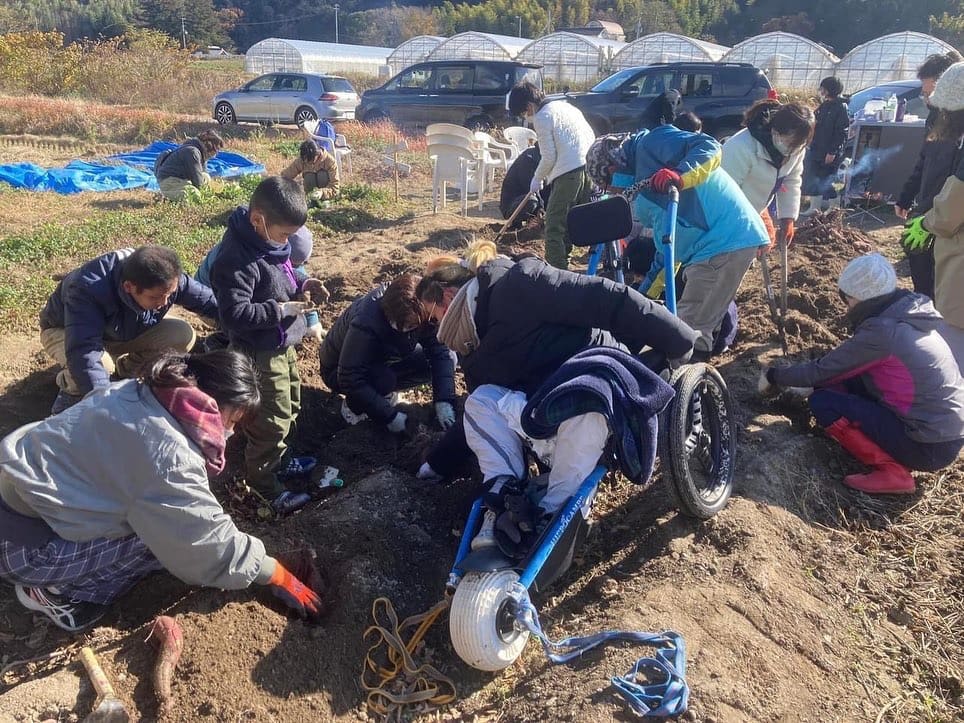
I want to change “We can’t” to “We did!”
Journal: What kind of equipment do you need to make it possible for wheelchair users to have fun in the sea?
Kido: The first thing we need are beach mats to prevent the wheelchairs from sinking into the sand. Once we lay out the mats to make it possible to get the wheelchairs up to the water’s edge, the people in them will start to want to go into the water, so we provide Hippocampe beach wheelchairs that can move on both land and in the water.
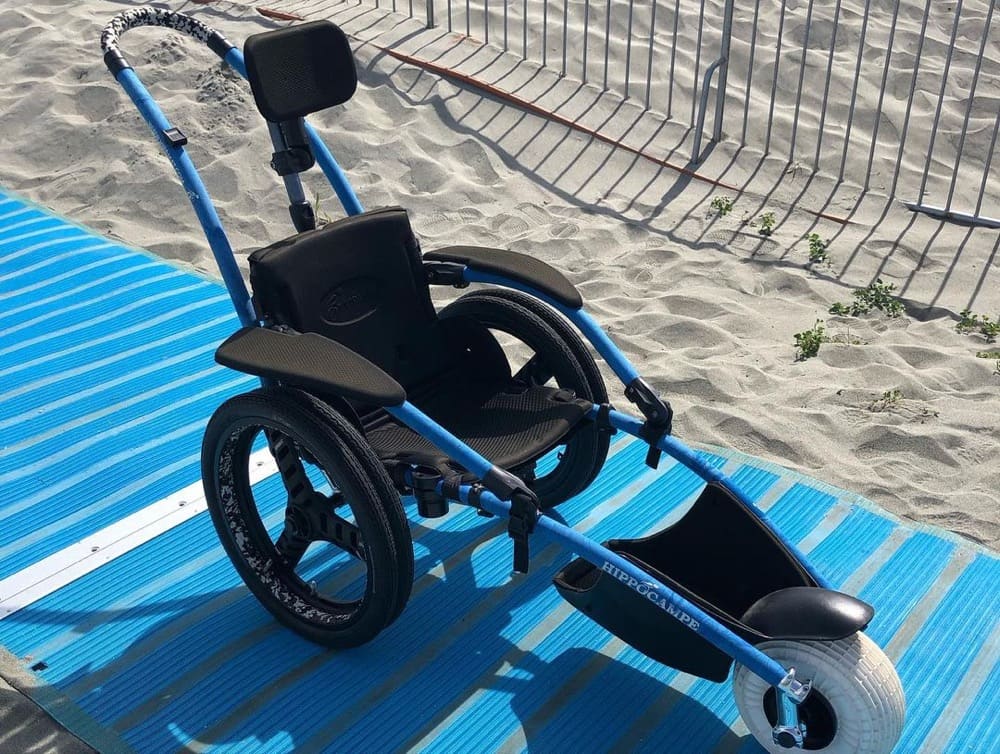
Journal: If you have that equipment, can you enjoy any seashore as a universal beach?
Kido: It’s not that easy. You need to have trained staff to ensure safety. You also need the cooperation of the local authorities and a range of other groups. The local governing body or other body in charge of the beach has to give you permission to lay down the beach mats, and you also need the cooperation of the local lifesaving organization. In addition, you need barrier-free changing rooms.
For the Suma Beach Project, we needed to get the support of a facility for persons with disabilities run by the city of Kobe to help users change their clothes. Setting up such arrangements from scratch can be quite challenging. This is why when we arrange for universal beach offshoots, we set up temporary tents where people can change clothes.
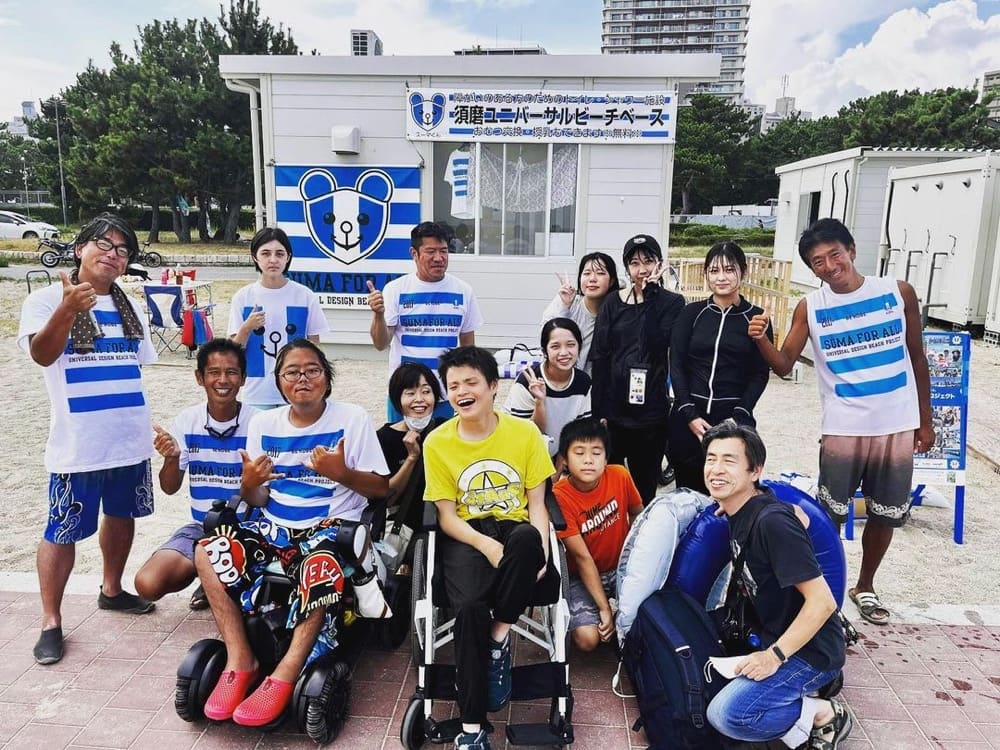
Journal: So, it is not just equipment that you need; you also need the support of a variety of people and groups.
Kido: Right. But I think that in principle, you can make a universal beach at any seashore. You don’t have to aim for perfection from the start. It’s important to just do what you can, getting the bare minimum ready — beginning by moving from “We can’t” to “We did.”
Journal: What kind of reactions are you getting from people who have actually used a universal beach?
Kido: One reaction that really stayed with me was the expression on the face of a girl who tried swimming in the ocean for the first time and her father’s behavior when he saw it.
The family just happened to hear about the universal beach and took part on a whim. The girl’s father started out by just taking pictures of her at the water’s edge. But when he saw the smile exploding across her face, he took her into the water — fully dressed! “I couldn’t resist,” he said, laughing. “I’ll dry my clothes off before we go home.”
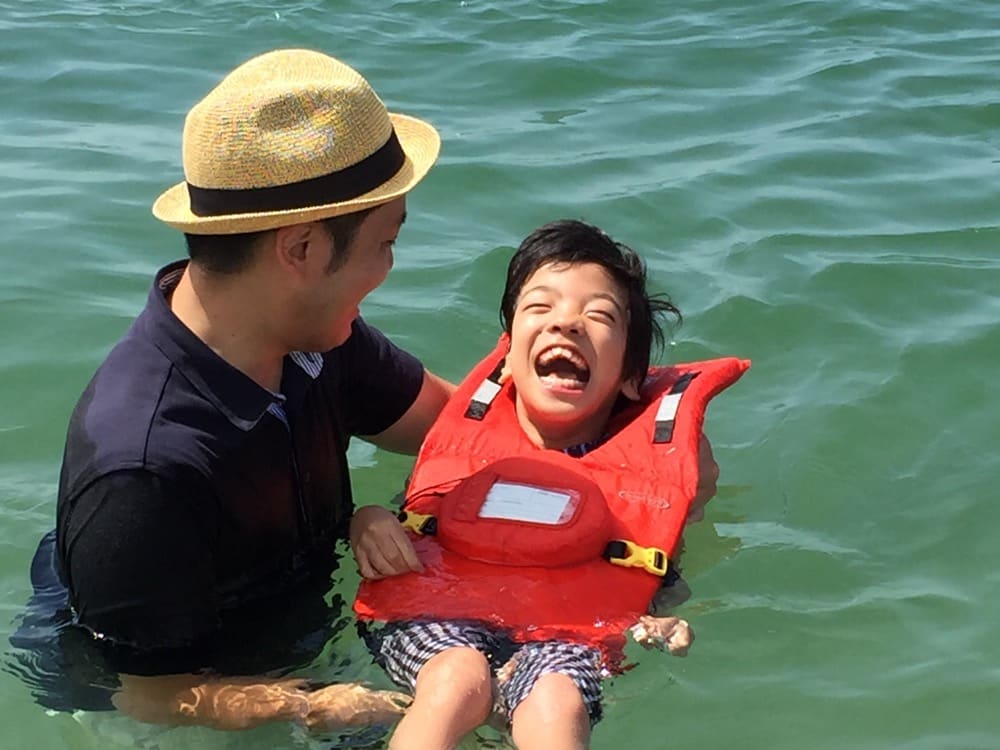
Kido: More than the verbal feedback we get, the unprompted actions and expressions are the most memorable. I was also really happy!
Experiencing actually doing something that you thought you weren’t able to do leads you to try other new things. It makes you begin to think more positively. For example, you might start to think, “I was able to go into the sea. Now, what do I need to do to do X next?”
I hope that instead of thinking “I can’t because of Y,” people will start thinking positively about what they need to do in order to do what they want.
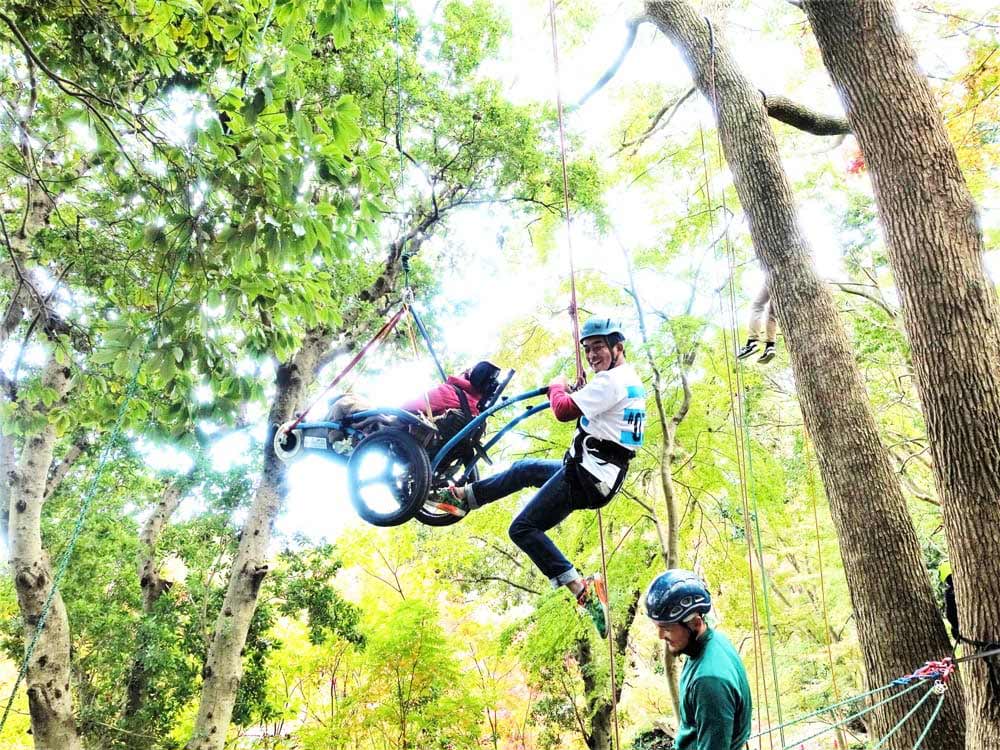
I hope persons with disabilities have the desire to try new things, and those without disabilities maintain a positive outlook
Journal: What a wonderful project! What do you think is needed to help this kind of activity spread around the world?
Kido: I think that persons with disabilities need to make it better known that they want to try all sorts of things. At the same time, we need a strategy to help people who don’t know about universal beach projects learn about them, so I’d like to actively work on that.
Our first goal is to establish at least one universal beach in each of Japan’s prefectures by 2030. If there is one universal beach in each prefecture, persons with disabilities and their family will have more choices about where they can enjoy the sea, and that, in turn, will lead to even stronger feelings that even if they have disabilities, there is nothing they cannot do.
If there is a local governing body that is considering setting up a universal beach, I would like to give them my full support.
Journal: Today, persons with disabilities have very few choices. What can each of us do to help change that?
Kido: I think the most important thing is to change people’s way of thinking, moving from “There’s no way that can be done” to joining heads with persons with disabilities to figure out “what we can do to make it possible?” That way of thinking is what will give persons with disabilities more possibilities.
Also, starting out with affirmations. There are two kinds of reactions to us when we explain our activities: those who say, “Isn’t that dangerous?” and those who cry, “That’s exciting! How do you do that?” The former type starts out by rejecting even the notion of trying. So, I just want to increase the number of people who think positively, asking “How can it be done?”
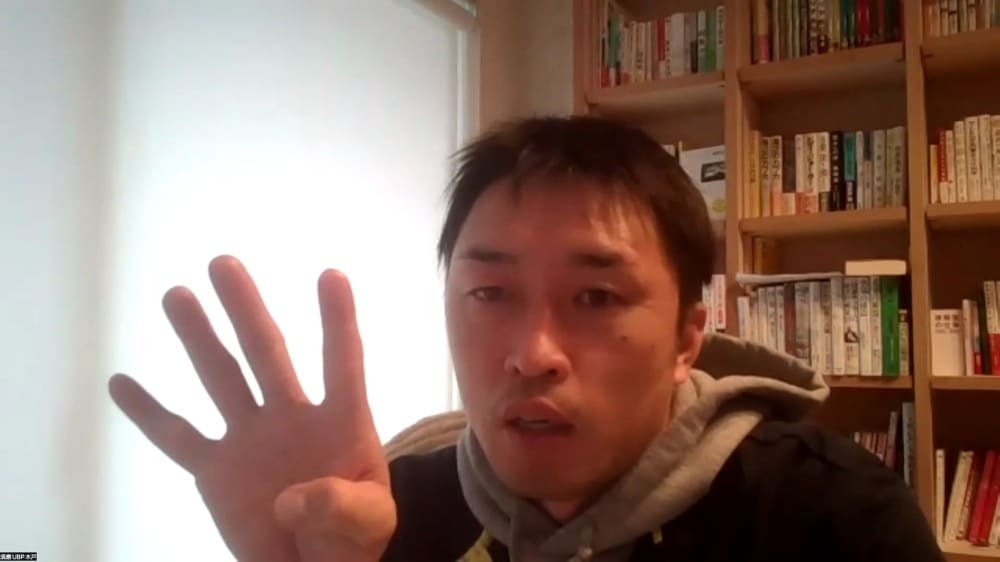
Kido: Also, these days large shopping complexes and other facilities have elevators reserved for persons with disabilities and big signs saying “priority for persons with disabilities”, and even separate spaces and lanes for us to move in. I feel that as long as people are separated like this, we will never be able to understand each other….
Even if we end up bumping into each other, people with and without disabilities need to do things together; otherwise we won’t really be able to understand each other, will we? Yet when our group is trying to lay out our beach mats, managers often tell us that it might be dangerous for us to be in the middle of the beach, so they lead us to the sides: I think that’s not universal in the true sense of the word.
Making it possible for persons with disabilities to enjoy the sea is just one means of progress; including the communication that arises from that action, I think being “universal” is important. If you happen to see a universal beach near you, I hope you will actively walk on the beach mats and get involved with the people nearby.
Editor’s Note
This interview made us aware of how common it is to subconsciously give up on “disabilities.” To create a society where everyone, whether or not they have disabilities, is free to choose many things, those around them need to free themselves from stereotypes and first think, “let’s start with what they can do.” We learned how important it is to keep achieving small successful experiences.
Text: The Nippon Foundation Journal Editing Department
Profile
Shunsuke Kido
Shunsuke Kido was born in Kobe City, Hyogo Prefecture, in 1986. After graduating from the University of Tsukuba, he worked at an advertising agency for eight years. In 2015, he was in a traffic accident and suffered a thoracic spine injury that left him completely paralyzed from the waist down. After going to the United States and Australia for rehabilitation studies, he became an independent content producer who supports event producers and corporate marketing activities. He founded the Suma Universal Beach Project, an NGO, in 2017. His wide-ranging activities include the food truck Hero and the sports education enterprise Human Development Academy.
Related Themes
Related Links
- Support for Persons with Disabilities
- The Nippon Foundation Kids Support Project
- Partnership with Valuable 500