Building Sustainable Systems in the PhilippinesHow blended finance is supporting community-led, self-sustaining systems
In a small village in the province of Marinduque, a woman who once relied on financial handouts from her local barangay, the Philippines’ smallest unit of government, began making hand fans with a loan of just a few thousand pesos.
She scaled from small, locally sold batches to becoming an entrepreneur, employing more than 100 people in her community. Like many others in her position, she had previously been constrained by a lack of capital, not by her motivation or effort.
The catalyst for her success wasn’t a handout, but CARD MRI (Center for Agriculture and Rural Development Mutually Reinforcing Institutions), a group of social enterprises designed to support long-term financial and social mobility. She was given a series of small loans, enabling her to expand, hire, and sustain her enterprise.
Hers is one of countless similar stories from across the Philippines, where CARD MRI’s unconventional approach to poverty eradication has demonstrated that empowering people with financial services, healthcare, and education is the stepping stone they need to escape poverty.
The model, supported in part by partners such as The Nippon Foundation, offers an example of blended finance in practice. Philanthropic funding channeled through CARD, Inc., – the nonprofit institution within the wider CARD MRI group – helps lower early-stage barriers while supporting systems designed to become self-sustaining through community ownership, participation, and revenue-generating services.
A progressive approach to tackling poverty
CARD MRI’s approach departs from conventional aid models. “I really wanted to make this sustainable. I didn’t want this to be charity. I don’t believe in charity,” explains Jaime Aristotle Alip, its founder and chairman emeritus. “What you really need is to give people control of their own resources and assets.”
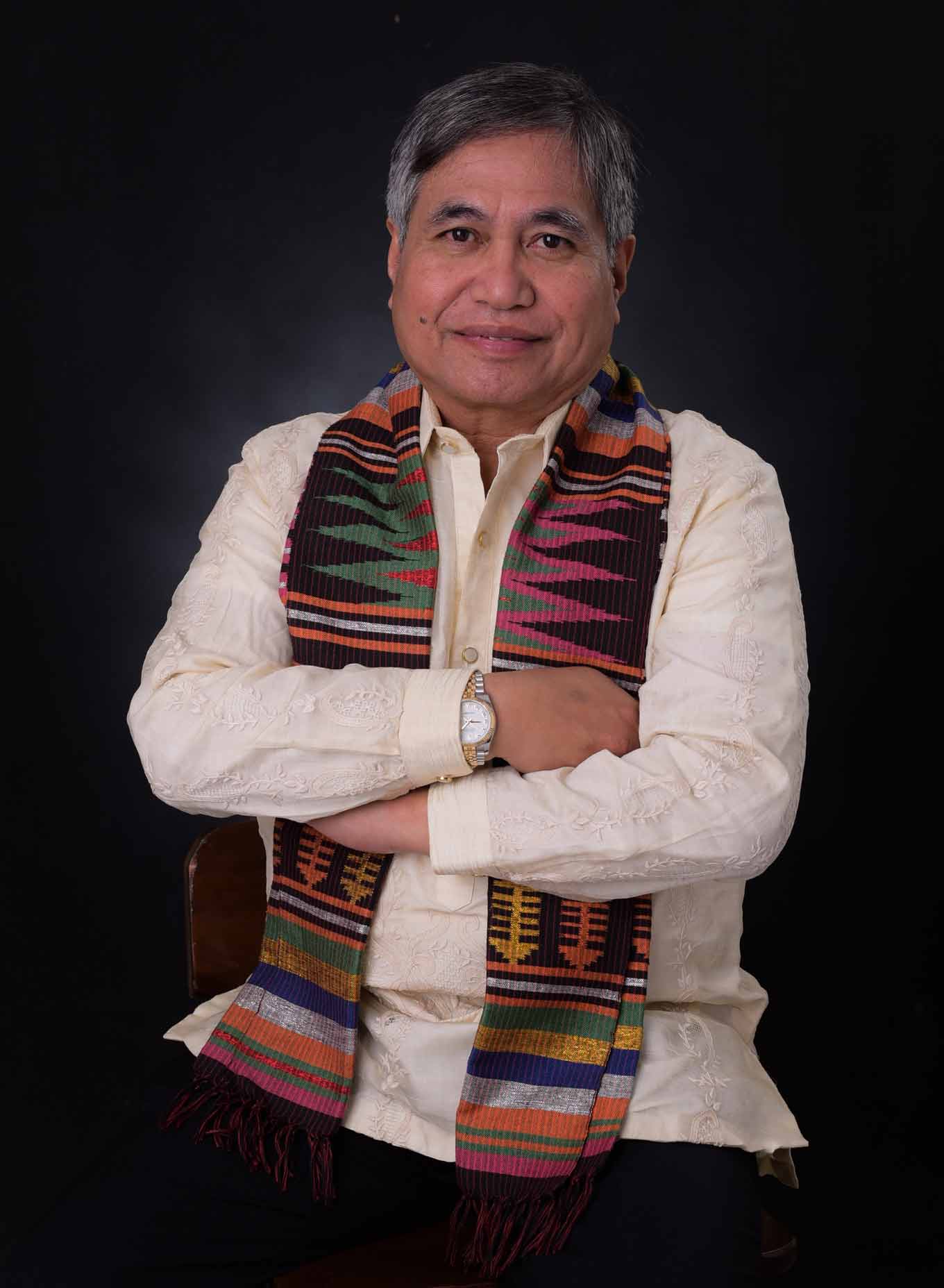
This philosophy has guided the organization’s evolution over nearly four decades, transforming it from a microfinance initiative into a network of 34 institutions serving millions of people across the Philippines. Each of these institutions is underpinned by the same idea: its clients functioning as stakeholders whose savings are mobilized into capital. These institutions are structured so that members, and often their children, participate in governance and management. The result is a system in which the people it serves are also those who sustain it. “My philosophy is: ownership,” says Mr. Alip. “If you own something, you will maintain and improve it. That’s why the golden rule always sticks with me—if they own it, they will take care of it.”
To set up this model, Mr. Alip had to challenge ideas about who can participate in formal financial systems. Traditional banking requires collateral and extensive paperwork, which effectively excludes those with the least resources. CARD MRI eliminated these requirements, and repayment rates exceeding 99 percent demonstrate proof of concept for a system founded on trust and shared interests.
The role of philanthropy
While the model is built on ownership, philanthropy also supports these unorthodox ideas that would not attract commercial capital.
“All the crazy ideas come from philanthropic organizations,” Mr. Alip says. But innovation, he stresses, is not the same as experimentation without consequence. In situations where communities are already vulnerable, failure comes at a devastating cost. “You don’t do trial and error with the poor,” he says. “Error means failure. Failure means disaster.”
Instead, new ideas are introduced through controlled, small-scale pilots, informed by existing best practices. CARD, Inc. has drawn on lessons from countries such as Bangladesh, Indonesia, India, and Vietnam, among others, adapting proven approaches rather than testing unverified ones. Such caution is essential for the trust of the communities it supports. “If you make a mistake,” Mr. Alip says, “you may never regain the confidence of the people you serve.”
From the outset, CARD, Inc.’s approach required buy-in for the unconventional premise that a bank owned and managed by the poor could succeed. In the early stages, when commercial businesses were unwilling to provide support for an unproven concept, funding from Japanese philanthropic institutions helped bring the idea to life.
The model Mr. Alip envisioned operates through a form of blended finance, which combines philanthropic capital with revenue-generating mechanisms to de-risk and sustain its systems. Grants from partners such as The Nippon Foundation, internally generated income, member contributions, and service-based revenues create a joint funding model. Philanthropic support enables early-stage investments in infrastructure, product development, and expansion into underserved areas, while CARD, Inc. builds pathways for these services to become financially self-sustaining over time.
Crucially, all philanthropic support the programs receive is structured with a typically three-year endpoint in mind. This support is designed to catalyze programs that can become self-sustaining.
Addressing real-life needs
Philanthropic funding from The Nippon Foundation and others has enabled the development of integrated programs beyond microfinance. These include member-owned microinsurance systems, community-based medical facilities, and education initiatives.
“Our members were investing in the education of their children,” explains Mr. Alip. “We supported their aspiration; it breaks the cycle of poverty. Education is a great equalizer. We have our own school system, with about 10,000 students across five campuses in the Philippines, and more coming soon.”
To address medical costs, one of the largest and most destabilizing expenses for low-income families, CARD, Inc. expanded into healthcare. Its approach operates on multiple levels: microinsurance products help manage financial risk, covering everything from life events to natural disasters, while clinics are established in underserved and conflict-affected areas of Mindanao as part of peacebuilding efforts.
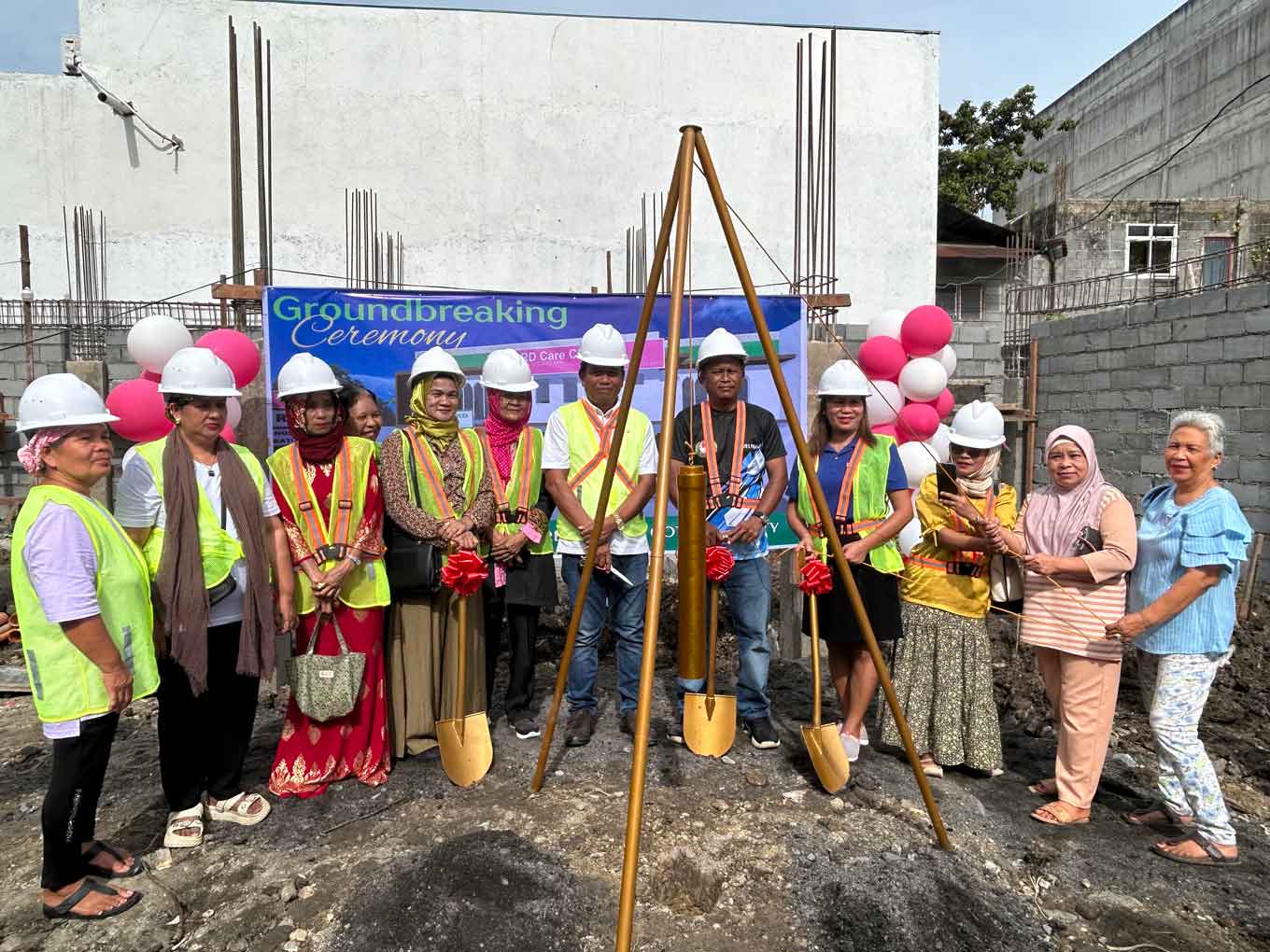
With support from philanthropic partners such as The Nippon Foundation, these facilities are developed in collaboration with local stakeholders. Funding helps establish infrastructure and expand access in areas where services are otherwise limited, while partnerships with doctors and hospitals further reduce costs and ensure continuity of care.
Patients contribute through small, manageable payments and insurance mechanisms, creating a system in which philanthropic capital enables initial access, while ongoing service delivery is sustained through community participation and revenue-based models.
A secondary effect is that stable demand for their services encourages healthcare professionals to remain in local communities rather than seek opportunities abroad. The result is improved access to care and a sustainable local economy.
Case study: from survival to stability
The impact of CARD MRI’s initiatives is most apparent at the individual level, as seen in the many accounts of those who have escaped poverty.
In one case, a family of fishermen who once borrowed small sums for day-to-day operations has grown into a business hiring several workers, managing several boats, and benefiting the local economy.
At a community level, the impact is even more profound. Masbate, once ranked among the poorest provinces in the Philippines, has seen significant changes over the past three decades. Improvements in infrastructure and governance have played a role, alongside CARD MRI’s long-term presence, which has helped entire communities lift themselves out of poverty.
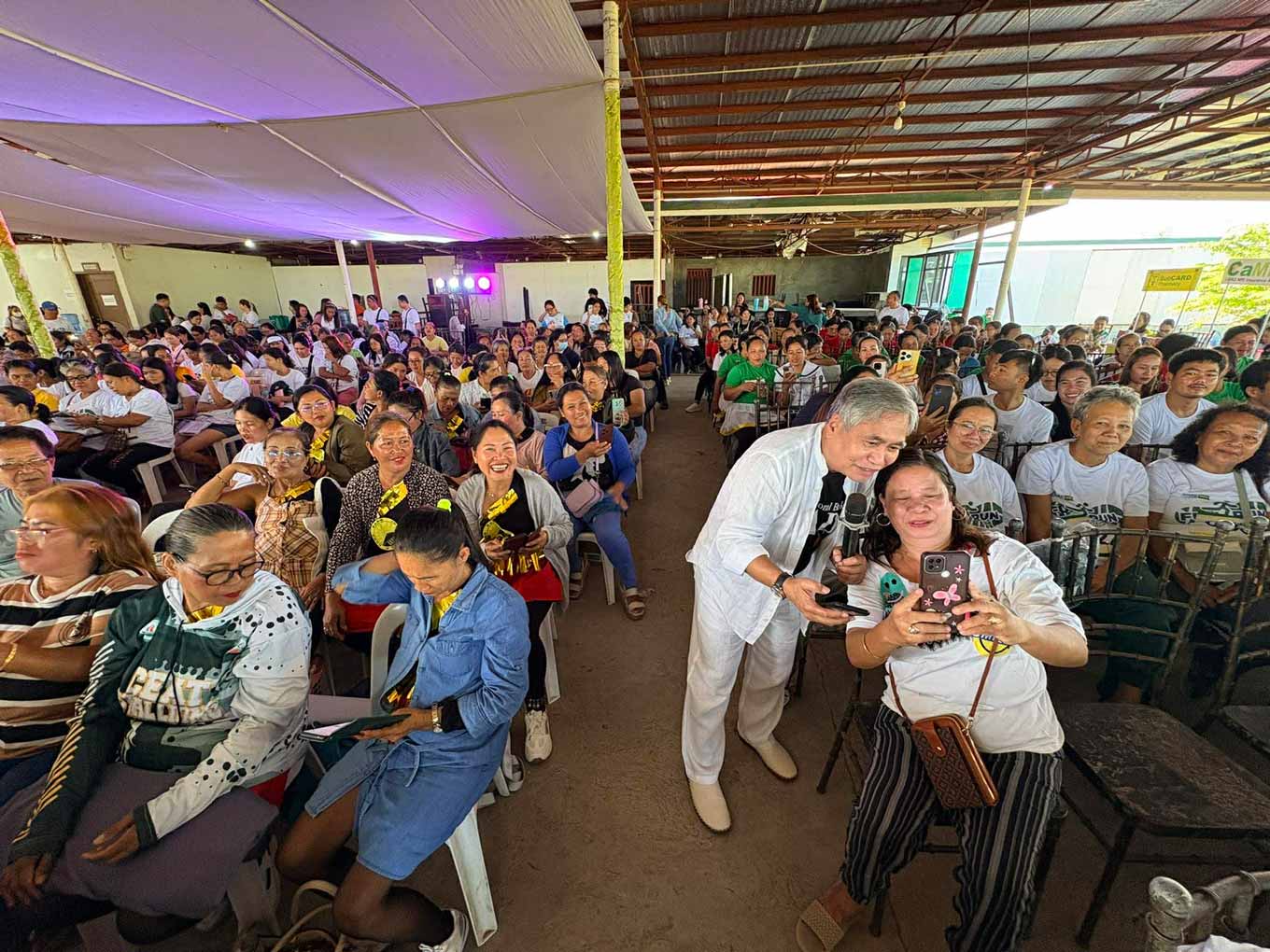
Members who joined the system decades ago are no longer among the poorest and have transitioned from borrowers to savers. Their children have been better educated thanks to boosted household income, and many now work in professional fields or contribute to family businesses.
These outcomes are cumulative. As members gain stability, they reinvest in their communities, create employment, and support local economies. Over time, the impact goes beyond individual households and uplifts whole communities.
Cultural Alignment for Muslim Communities
Through its partnership with The Nippon Foundation, CARD MRI has been able to extend its model into more complex and underserved areas, primarily within Muslim communities in the southern Philippines. Conventional financial systems that rely on interest-based structures are incompatible with Sharia principles. Without adjustment, these systems are actively rejected by Muslim communities.
To address this, CARD MRI developed Sharia-compliant financial products, including microfinance and insurance products aligned with Islamic law. This involved rethinking financial structures, language, processes, and governance.
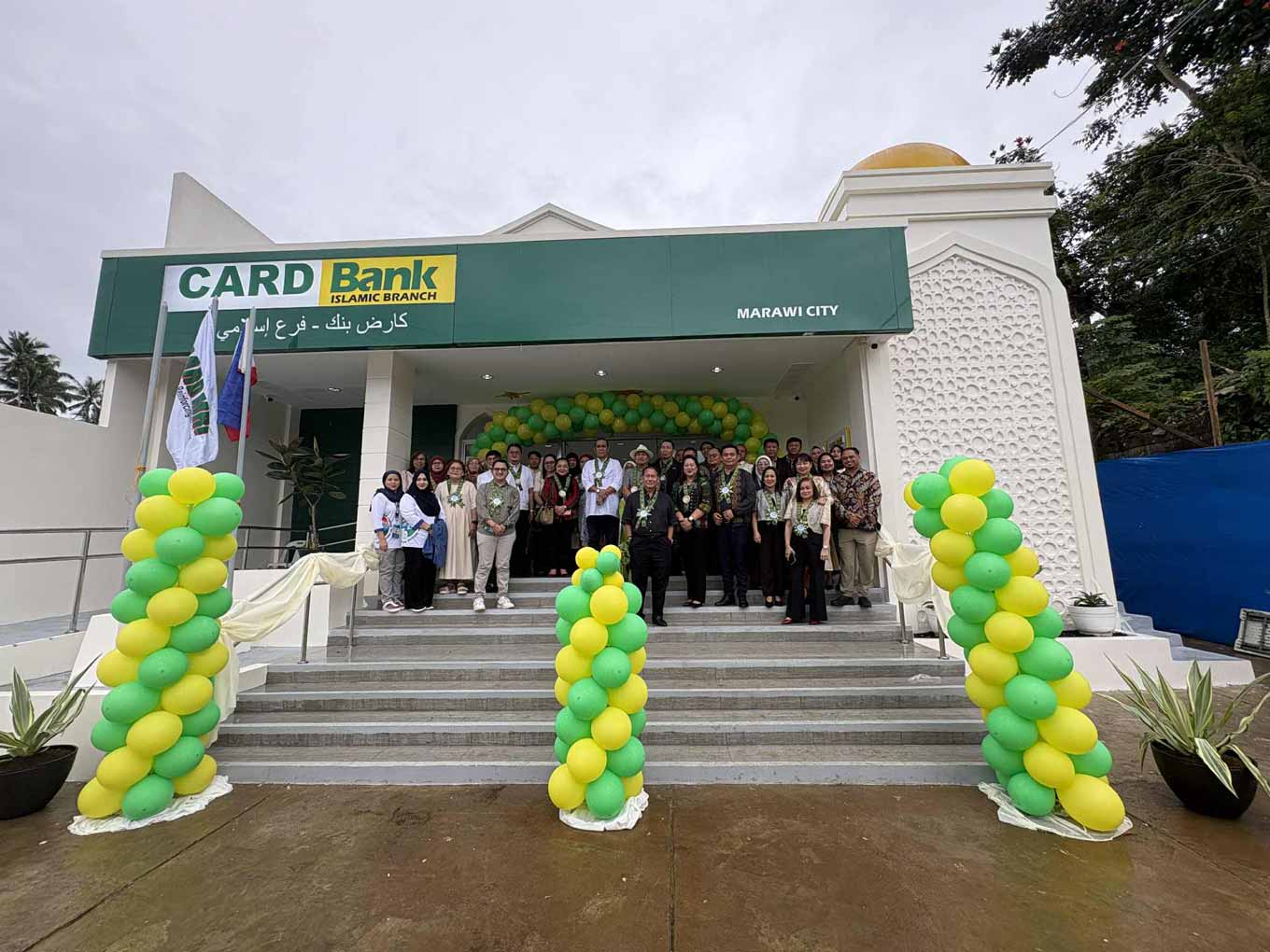
A Sharia advisory board, made up of respected religious leaders and academics, reviews and approves all products. These adjustments have been critical in gradually building trust in the community and expanding participation.
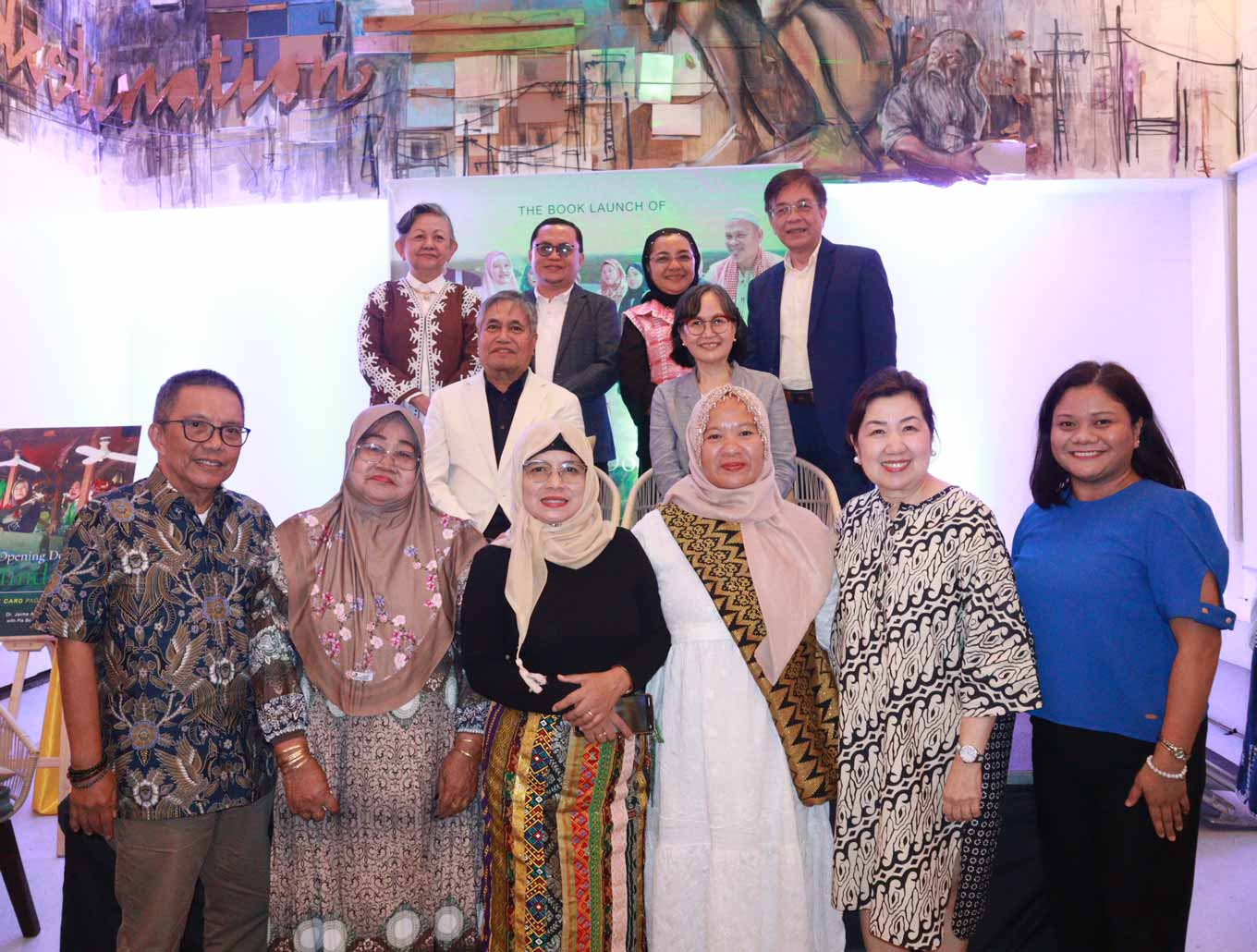
“Traditional banking is not acceptable,” Mr. Alip explains. “If you want to serve them, you must do it the Islamic way.” Today, the program supports over 100,000 Muslim families, with plans to expand significantly.
Challenges and change
Implementing this model in conflict-affected environments has been a challenge. “Initially, there were doubts and suspicions,” remembers Mr. Alip. “Most of our staff are Catholic, so we recruited Muslim staff to build confidence. It worked. Another important thing we were able to do was to help ex-combatants. They are now re-integrated into the mainstream of society.”
There were operational obstacles, too. Limited infrastructure, shortages of health professionals, and logistical obstacles required CARD MRI’s ongoing adjustment, and made partnerships with government agencies and local organizations essential.
Maintaining neutrality presented a further layer of complexity. With millions of members, CARD MRI could, if mobilized, sway political movements. To preserve independence, the organization avoids all political engagement. “We have 10 million members, which translates to about 33 million lives being insured through family insurance. If you translate that into votes… can you imagine? You can make or unmake a politician with those votes,” says Mr. Alip. “We’re non-political. We’re non-religious. I don’t want to enter politics. That’s why CARD has survived the test of time. Whoever is in government, we work with them.”
Sustainability beyond the grant cycle
A question for any philanthropic intervention is what happens when the funding ends. But, for CARD MRI, sustainability is deliberately built into the design. Ownership structures ensure that communities have the incentive and capacity to maintain services.
Healthcare, for example, is structured around affordable payments and insurance, while financial services generate revenue, and education programs create long-term value by investing in people’s future potential.
This is where blended finance becomes central. Philanthropic funding is the catalyst rather than a permanent support system. The long-term goal is for grant-supported programs to become financially viable within a defined timeframe, allowing for services to continue through local participation, ownership, and revenue streams beyond the grant cycle.
Rethinking philanthropy
The partnership between CARD MRI and The Nippon Foundation offers a blueprint for other philanthropic organizations operating in difficult environments, with some key takeaways.
One is to back models that might initially seem unconventional. Another is the importance of cultural alignment, ensuring programs are consistent with local beliefs, practices, and structures. Additionally, sustainability must also be built-in from the start. Systems designed for self-reliance can lessen dependency and increase long-term impact. And perhaps most importantly, no single organization can address the interrelated challenges of poverty alone.
CARD MRI’s successes, together with partners such as The Nippon Foundation, show that when people have access and agency, they can generate income, invest in their families, and create more stable futures. “You bring back the hope,” Mr. Alip says. “You restore the dignity they once had. Bring them back, and they will prosper.”
Related Themes
Related Links
- Dr. Jaime Alip, founder of CARD MRI, and Ms. Sayaka Kankolongo, president of WELgee, discuss social innovation in Japan and the Philippines (Sasakawa Peace Foundation, external link)
- CARD MRI Official Facebook