Is It True That Three in Four Teachers Have Ever Paid For School-Related Expenses out of Their Own Pocket? What is needed to improve working conditions for teachers?
Key Points
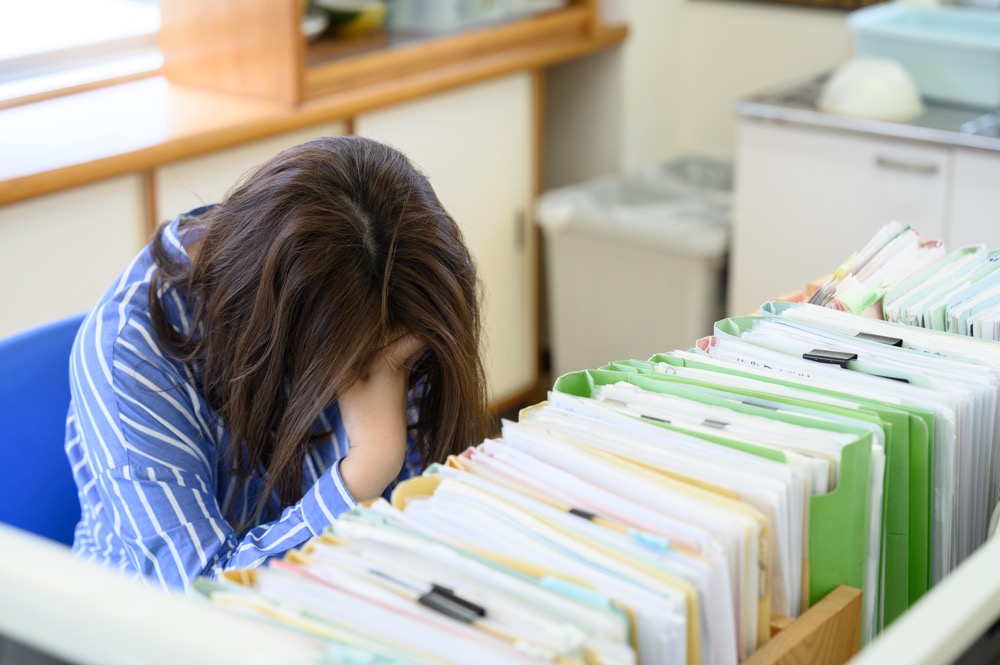
- Three in four teachers and staff working at public elementary and junior high schools report having paid out of pocket for education-related expenses.
- Out-of-pocket spending by teachers has become normalized, with many not even consciously aware that they are covering costs themselves.
- In addition to increasing education budgets, schools need designated staff responsible for overseeing how funds are used.
Recently, the issue of teachers paying for school-related expenses with their own money has been attracting increasing attention. One major catalyst was the publication of the book “The Out-of-Pocket Costs Paid by Teachers” (external link, in Japanese), coauthored by educational administration scholar Shoko Fukushima, public junior high school administrative staff member Yasuaki Yanagisawa, and graduate student Shinta Furudono of Nagoya University Graduate School of Education and Human Development.
In 2023, the authors conducted a survey of teachers and administrative staff at public elementary and junior high schools regarding their experience paying for education-related expenses out of their own pocket during fiscal 2022, as well as the types of expenses they covered. The results showed that three in four respondents had spent their own money on school-related expenses during the period surveyed. The type of expenses ranged widely, from consumables such as red pens and stickers to the costs associated with visiting school trip sites beforehand to inspect and plan details.
In this article, we talk with Ms. Fukushima and Mr. Yanagisawa about the current educational environment in which teachers routinely cover necessary costs themselves, the long-standing structural factors behind this, and what can be done to eliminate out-of-pocket expenses for school staff.
No cash in frontline education? The factors causing teachers to pay out of pocket
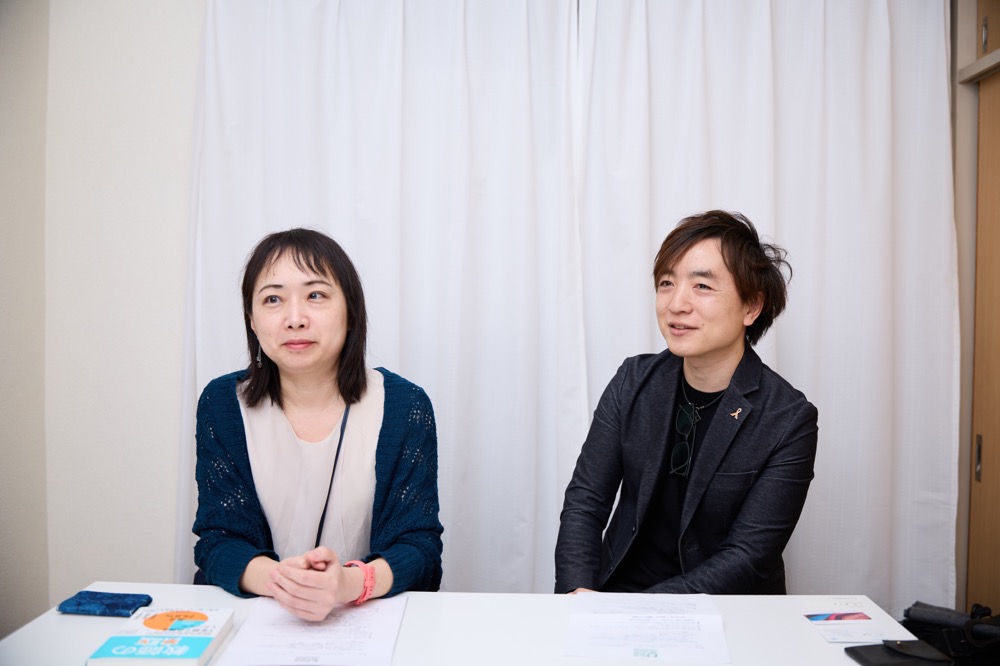
The Nippon Foundation Journal Editing Department: Reading “The Out-of-Pocket Costs Paid by Teachers,” I was surprised to learn that some 75.8% of the 1,034 respondents reported having spent their own money on education-related expenses.
Shoko Fukushima: It’s a surprising figure, isn’t it. However, although people outside the education field are surprised that it’s as high as 75.8%, many educators actually have the opposite reaction, saying, “I can’t believe 24.2% haven’t paid out of pocket.”
That said, this is just a sample of data from fiscal 2022 alone, so it’s not necessarily a comprehensive picture. Some teachers may have paid out of pocket in other years, forgotten that they covered certain expenses, or they may have not even recognized payments as “out-of-pocket” costs in the first place.
- Data source: “Kyoshi No Jibara” (The Out-of-Pocket Costs Paid by Teachers), Toyokan Publishing Co., Ltd.
Journal: The book categorizes these expenses into three types: “proactive out-of-pocket spending” by teachers in order to deliver more effective lessons, “reluctant out-of-pocket spending” where purchases are necessary due to unavoidable circumstances, and “forced out-of-pocket spending” where teachers feel pressured to cover certain expenses, even if they do not agree with the spending. Why are purchases that would normally be reimbursed as business expenses in other professions often paid out of pocket by school teachers and staff?
Yasuaki Yanagisawa: A major factor is that schools generally do not have cash funds from public expenses, and there is no reimbursement system for out-of-pocket expenses.
Although there are systems under which funds can be requested in advance from boards of education, in many municipalities these systems are limited — for example, to entrance fees to sites when supervising school trips — and the application procedures can be complex, often requiring time for approval.
Then, of course, not all expenses can be anticipated in advance. Sometimes items are needed suddenly, or teachers may want to physically view the actual item before purchasing. In these types of situations, it may become a case of “It’s easier just to buy it myself.”
Yanagisawa: I once heard about a teacher who held a class outdoors on a cold day and bought disposable hand warmers for all the students. These were also purchased with the teacher’s own funds.
When I think about why so many teachers spend their own money so readily, I believe that many do it out of a duty of care to their students, almost in the same manner as a parent.
Rather than focusing on whether it is or isn’t right for them to pay out of their own pocket, they rationalize it by telling themselves that they are doing it for the benefit of their students or to improve their lessons.
Journal: From the students’ perspective, they would certainly seem like a kind teacher.
Yanagisawa: Yes, in a way you could call it “kindness.” However, there’s also the risk that teachers’ evaluations could be impacted by whether or not they paid for expenses out of their own pocket, for example: “Teacher A bought their students hand warmers, but Teacher B didn’t.” This is why it is such a deep-rooted issue.
We don’t intend to criticize teachers who cover costs out of their own pockets with good intentions. At the same time, however, we should not simply accept the status quo or ignore the problem. This is why, in the final chapter of the book, we use the phrase “liberation from out-of-pocket payments” with the aim of encouraging a rethink of the current situation.
Some teachers may not even realize that out-of-pocket payments are uncommon in other professions, and parents have no way of knowing about the situation
Journal: What led you to focus on the issue of teachers paying education-related expenses out of their own pockets?
Fukushima: We had previously studied the financial burden of school-related expenses on parents, such as uniforms, randoseru school bags, teaching materials, club activities, and school trips. In 2019, when we published “Kakure Kyoikuhi (The Hidden Costs of Education)” (external link, in Japanese), a friend from my university days who is now a junior high school teacher sent me a message saying, “Parents have it tough, but teachers also have a hard time paying for school-related expenses with their own money.”
When we looked into the issue more closely, we realized that public school operations were being supported by out-of-pocket spending by both parents and teachers. We felt that we couldn’t turn a blind eye to the problem.
Fukushima: The more we investigated, the more we saw that the practice of teachers paying for expenses out of their own pocket had become normalized. Yet many educators don’t question the practice, and parents are unaware that it occurs.
In fact, the only people who can reduce parents’ financial burden are school staff — by selecting lower-cost educational materials or limiting purchases to strictly essential items. I’ve come to suspect that some teachers may come to adopt the attitude, “I’m contributing my own money — parents should also have to pay.”
Therefore, I feel that in order to reduce the burden on parents, we must first address the ingrained practice of teachers paying out of pocket.
New teachers may feel like something is amiss but find it hard to speak up and question the practice if their superiors and senior colleagues give off the aura that paying out of their own pockets to cover expenses is a “virtue.” By shedding light on the issue from a third-party perspective, we hope it becomes easier for educators to speak up and bring attention to the problem on a societal level.
Journal: Those with experience in the private sector might wonder “Why should a teacher have to spend their own money on expenses?”
Yanagisawa: That’s right. Schools have a completely different culture from private companies — people would be surprised at some of the differences. For example, at some schools, staff lockers don’t even have locks, yet it’s not necessarily seen as a problem. That would be unthinkable in a private-sector company, right? However, to people who have always worked in schools, that’s just the way things are done, so some people don’t give it a second thought.
There are many practices on the frontline of public education that may seem irrational, and I believe that for better or worse there is a deeply ingrained mindset of “making do with the resources available.” Furthermore, since public funding is limited, any shortfall ends up being covered by parents or teachers — sometimes even through PTA fees.
Schools lack designated financial controllers — management-level staff are needed to oversee how funds are spent
Journal: Are there any particularly memorable episodes that didn’t make it into the book that you’d like to share?
Fukushima: One symbolic example of out-of-pocket payments is school lunches. For teachers, supervising school lunch times is part of their job — they are not enjoying a leisurely meal but overseeing the classroom to ensure smooth meal distribution within the limited time available and ensuring students are safe while they eat. Yet teachers are still required to pay for their own lunches.
For this reason, I feel that school lunches for teachers should be provided free, but many educators feel it’s natural to pay since they are eating the meals that are served as well.
However, a survey of the public asking whether teachers should have to pay for the school lunches they eat revealed that around three in four people felt that teachers should be exempt from payment. This showed that there is once again a significant gap in perception between those on the educational frontlines and the general public, and reaffirmed our feeling that the issue needs to be addressed.
- Data source: “Kyoshi No Jibara” (The Out-of-Pocket Costs Paid by Teachers), Toyokan Publishing Co., Ltd.
Journal: What kind of feedback have you received from people who read the book?
Fukushima: Many people have told us that it made them reflect on their own school experience and realize, “My teacher must have paid for that out of their own pocket.”
One teacher also commented that although they previously paid out of pocket without a second thought, reading the book made them more aware — when purchasing items for school use they would realize, “I’m actually paying for this with my own money.” It might be a small step, but I hope this will lead to a change in awareness among teachers, such as feeling that they don’t want to be pressured into making purchases with their own money, or that readily spending their own money on education-related expenses shouldn’t be equated with being “passionate about teaching.”
Journal: Is there really a way to resolve the issue of teachers covering expenses out of their own pockets?
Yanagisawa: I think that the best way to resolve this issue is to improve the system so that frontline educators have the ability to respond flexibly to purchasing needs. In some cases, even buying a single pen requires approval from the board of education, with delivery taking up to three months.
Relying on teachers or parents to cover essential costs may be an easy solution, but it’s important that we continue to speak up and say “the current situation is wrong.”
Another solution is establishing a financial management cycle at schools. The issue is not just about classroom materials — staff with financial management capabilities are required to oversee overall spending. If costs are excessively high, they should propose alternatives, review procurement channels and rules, and ensure sound oversight.
Journal: So unlike private companies, schools don’t have accounting departments?
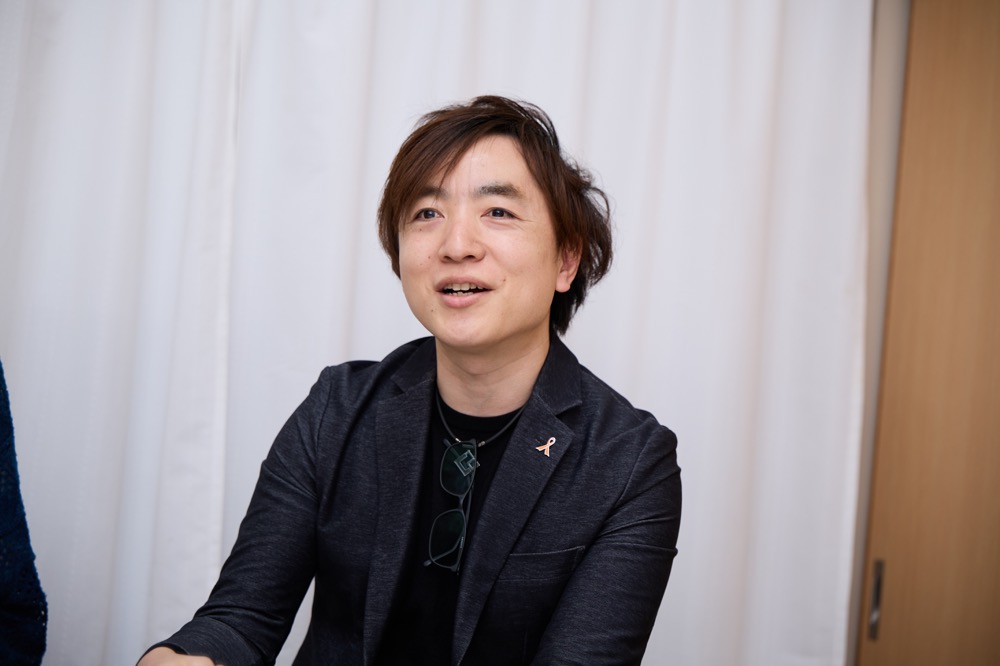
Yanagisawa: That’s right. While there are administrative staff, there isn’t a clearly established role responsible for overseeing the school and its educational activities and determining where funding is needed.
I believe that administrative staff can potentially take on this role, so I am personally working to expand my knowledge with the aim of increasing the number of administrative staff who can handle financial management responsibilities.
Journal: Finally, what can we as individuals do to help improve the working environment for teachers?
Fukushima: The situation won’t change unless we continue to raise the issue from outside the school system. To this end, I want people to know that teachers are paying for expenses out of their own pocket, and not to think of this as some kind of “noble act.”
Structural changes are also needed. Although the government is implementing policies designed to reduce the financial burden on households, such as free tuition and free school lunches, this doesn’t necessarily translate into better lessons or higher-quality meals.
What I propose is to increase budgets for public schools and create a system in which teachers can utilize their professional expertise to plan and implement educational activities within this budget. I believe this would also help avoid parents having to pay additional expenses.
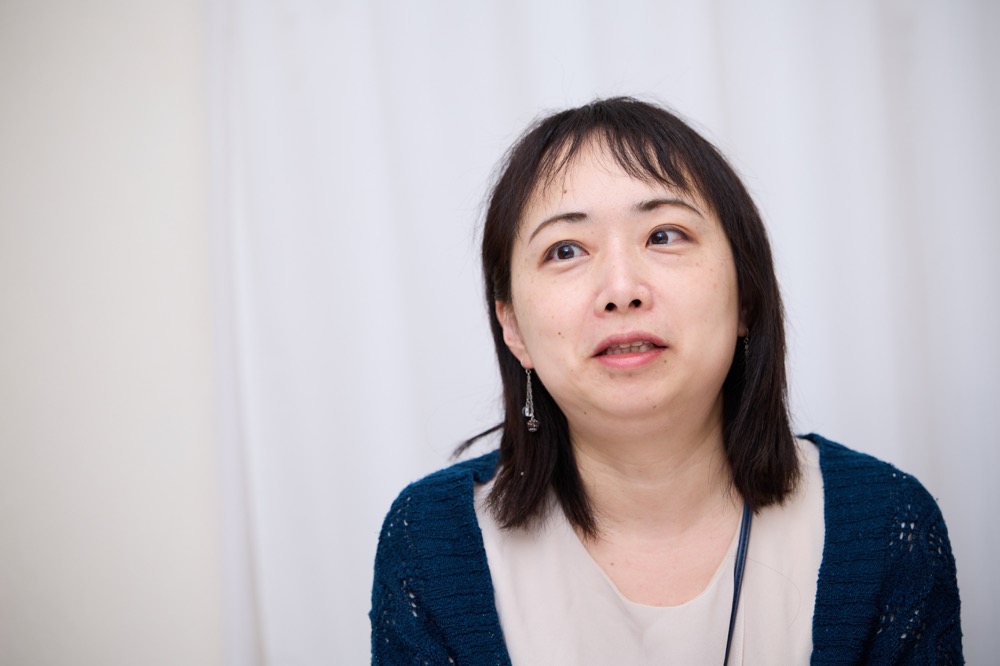
Yanagisawa: I hope people will start conversations — asking friends, for example, “Have you heard about teachers paying for school expenses out of their own pocket?” If awareness spreads, it could lead to discussions at parent gatherings at schools or within PTAs, and eventually generate momentum among teaching staff as well.
Editor’s Note
We came across the issue of out-of-pocket expenses by teachers while researching teachers’ working conditions, and contacted the authors with an interview request.
After reading “The Out-of-Pocket Costs Paid by Teachers” and discussing the issue further in this interview, we recalled our own school days and realized that there may have been several instances where our teachers may have covered costs themselves. Although a range of efforts are underway to improve working conditions and reduce the burden on educators, we hope this article will encourage readers to consider a model for public education that does not rely on teachers covering expenses with their own money in order to function.
Text: The Nippon Foundation Journal Editing Department
Photo: Eizaburo Sogo
Profile
Yasuaki Yanagisawa
Administrative staff member at a public junior high school in Saitama Prefecture and chief director of the Hidden Education Expenses Research Laboratory. He is also a board member of The Japan Association for the Study of Educational Business Management. Guided by a vision of expanding the role of administrative staff beyond the office and contributing to solving educational societal challenges, he works to convey information to teachers and school staff, parents, children, communities, and society. His research interests lie in the burden of education costs on households and financial support systems for schooling, and his specific research topics include: equal educational opportunities and free education, children’s rights, and PTA activities. He has authored several publications, including “Let’s Talk About the Reality of School Administrative Work” (TaroJiro-Sha Editus Co., Ltd., in Japanese), “The Hidden Costs of Education” (co-authored; TaroJiro-Sha Editus Co., Ltd., in Japanese), and “Reducing School Fees is Definitely Possible” (Gakuji Shuppan Co., Ltd., in Japanese).
Shoko Fukushima
Associate professor at the Engineering Center for Education, Chiba Institute of Technology and chief analyst at the Hidden Education Expenses Research Laboratory. A specialist in education administration and education law. Her research focuses on out-of-pocket financial burdens on parents and guardians, school finance, and improving material conditions on the educational frontline. One of her most notable publications is “Hidden Education Costs: A Comprehensive Study of the Cost Burden of Public Elementary and Junior High Schools” (TaroJiro-Sha Editus Co., Ltd., 2019, in Japanese), co-authored with Yasuaki Yanagisawa.