The Option of ‘Painless Delivery’ Is Spreading ‘Tobu Mutsu Café’ conveys correct knowledge about painless delivery to health care professionals
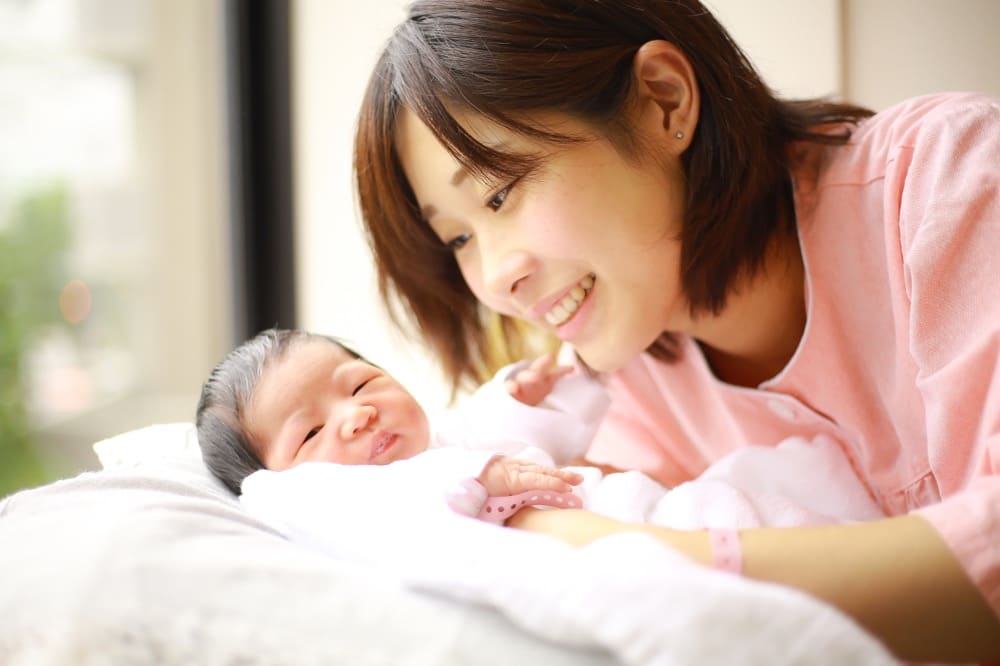
Key Points
- “Painless delivery” is a method of delivery that eases pain during childbirth with anesthesia. In Japan, it makes up 13.8% of deliveries
- Painless delivery is spreading rapidly. Midwives’ Community carries out activities to convey correct knowledge about it to midwives and midwifery students
- It is important to create an environment where women can choose the delivery method that is right for them and foster a social climate that respects that choice
- In this article, “painless delivery” refers to methods of delivery that use epidural analgesia (local anesthesia) to ease pain during childbirth. In Japan, it makes up 13.8% of deliveries.
In January 2025, the Tokyo Metropolitan Government announced that it would start a financial assistance program for “painless delivery,” a delivery method that uses anesthesia to ease labor pain, in October 2025. It is the first prefecture-level government in Japan to offer financial assistance for painless delivery.
As of 2021, the rate of painless delivery in France is 82.7%.[1] In contrast, the rate in Japan is only 13.8% for the entire country, although the data is from the survey conducted in fiscal 2023.[2] The rate of painless delivery in Japan is gradually increasing, but it is still not very high.
- 1. Reference: Enquête Nationale Périnatale Rapport 2021 (external link, in French / PDF)↩︎
- 2. Reference: “Medical Facility (Static) Survey,” FY2023, Ministry of Health, Labour and Welfare (external link, in Japanese / PDF)↩︎
I suppose many of our readers may have heard the term “painless delivery” but do not know much about it.
We talked with Keiko Tanabe-Nishino about the realities of painless delivery in Japan. Ms. Tanabe is a midwife, an associate professor at Kanagawa University of Human Services, and part of the leadership of Midwives’ Community (external link, in Japanese), an organization that has researched painless delivery for many years and conveys correct knowledge about it to midwives and midwifery students.
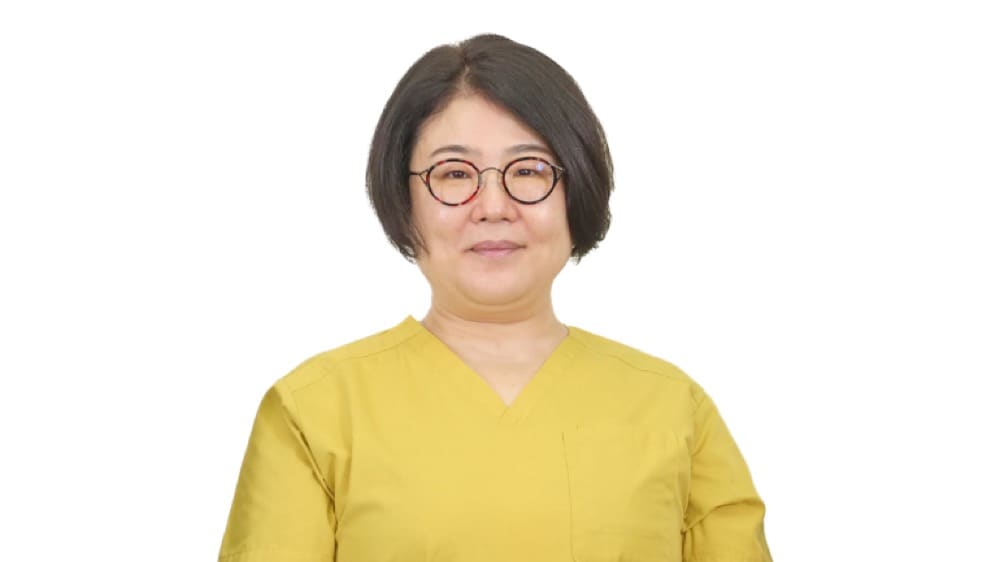
Being able to choose “painless delivery” means to be able to make decisions on your own about your own body
The Nippon Foundation Journal Editing Department: First of all, what is “painless delivery?”
Keiko Tanabe-Nishino:Women have labor pains during childbirth. The pain varies in intensity and type by individual, but in general it is very intense. There are several methods to reduce the pain. One is by using anesthesia. This method is referred to as “painless delivery” in Japan. (It also goes by a variety of terms in other countries such as “painless childbirth” or “painless labor.”)
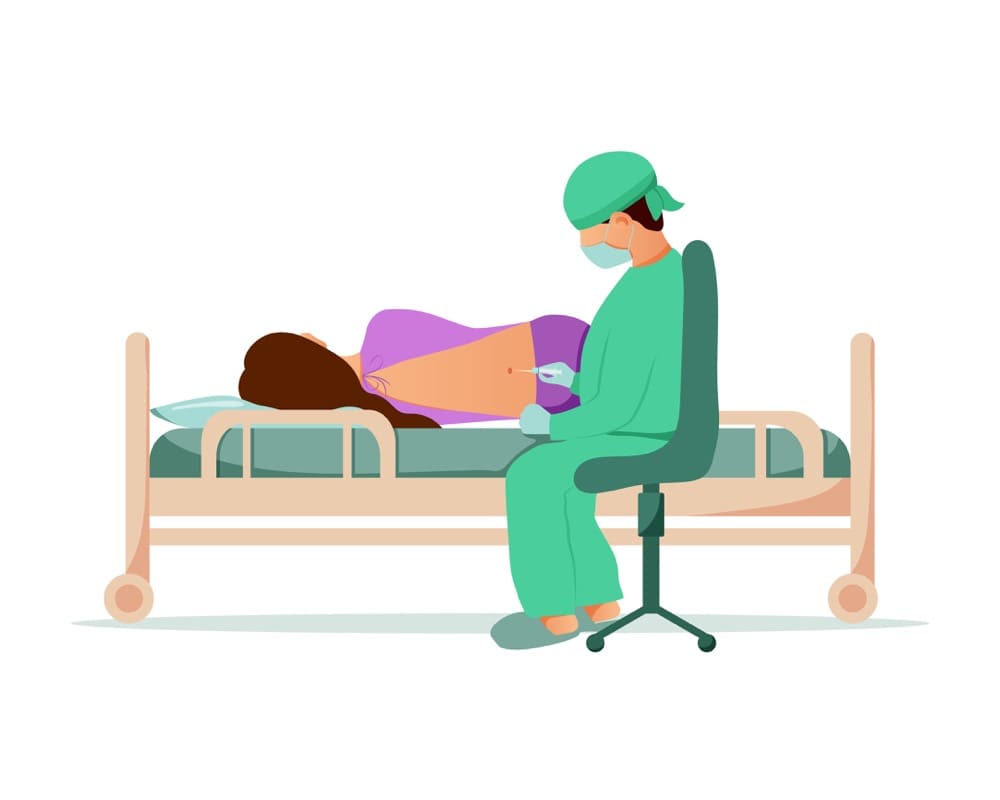
Specifically, the most common method of painless delivery is “epidural analgesia,” in which anesthetics are injected into the epidural space in the back to ease pain in the lower body during childbirth.
Tanabe: Today in Japan, painless deliveries are usually scheduled deliveries. This is because it is difficult to ensure safety since few medical facilities have a full-time anesthesiologist. So, they choose a schedule in which the entire medical team can be present and induce labor and manage the birth.
The history of painless childbirth is actually quite old and has been carried out in Japan since the Taisho era (1912-1926). Poet Akiko Yosano, known for her poetry collection “Midaregami” (Tangled Hair), wrote that she used anesthetics when giving birth to her fifth son in 1916.
Journal: All the way back to the Taisho era? This is surprising. What kind of activities does Midwives’ Community, the organization you lead, do?
Tanabe: A common misunderstanding is that our purpose is to promote painless delivery, but the main aim of our activities is to create a society where all women who want a painless delivery can choose to do so with peace of mind.
Tanabe: The way I would explain painless delivery is that it is not simply a way to reduce pain during childbirth, but a way of life and form of self-expression for women. For women, the act of giving birth represents a dramatic change for their bodies, so I think they should be able to make decisions on their own about their own bodies.
Women should have a wide variety of options for childbirth: Some women want to give birth entirely on their own, others want to give birth with the help of medical intervention, and others want to experience the moment of childbirth with their husband. To me, painless delivery — which reduces pain during childbirth with the help of medical intervention — is one of those options.
Unfortunately, painless delivery has not taken hold in Japan as an option. There are few hospitals that perform it, and women who want to choose painless delivery sometimes face pushback from their families due to unspoken shared social values such as the idea that “real” women (i.e., “mothers”) can endure the pain of childbirth or that drugs that eliminate the pain of childbirth are not good.
It’s okay if you don’t choose painless delivery, but it should be an option. If awareness about it spreads and the knowledge and skills of healthcare professionals improve, painless delivery will become safer. My hope is that this in turn will lead to a society where anyone can feel free to choose painless delivery with peace of mind. It is this idea that Midwives’ Community bases its activities on.
Journal: Why does your organization target midwives and midwifery students?
Tanabe: The reason is that, despite the fact that social demand has grown, currently there are no adequate educational programs for midwives about painless delivery, and many midwives in the field are having a difficult time in the delivery room. For example, anesthesia technology for painless delivery evolves year after year.
About 20 years ago, the common method was to use strong anesthetics. However, because the anesthetics work quickly and strongly with this method, it sometimes resulted in the mother not being able to push to give birth, which increased the likelihood of a caesarean section. This is why many midwives do not have a positive image of painless delivery.
However, today the mainstream method is to administer low-concentration local anesthetics gradually in small, divided doses, enabling the mother to give birth on her own. Moreover, it has been shown that the likelihood of a caesarean section being required is not very different from natural birth.
I want people to know more about painless delivery, which has evolved along with advances in medicine and the changes of the times. I also want midwives working in the delivery room to understand that painless delivery is one option for a safe, happy birth.
Was painful childbirth something that once gave women’s lives meaning?
Journal: Why does Japan perform so few painless deliveries compared with countries like France?
Tanabe: In the U.S. and Europe, delivery is centralized, but in Japan deliveries are usually performed at primary care facilities — in other words small clinics — so the healthcare workforce is usually decentralized. Painless deliveries cannot be performed safely when there is a shortage of healthcare staff. Therefore, many clinics will not perform painless deliveries, and not many are performed as a result.
However, today the mainstream method is to administer low-concentration local anesthetics gradually in small, divided doses, enabling the mother to give birth on her own. Moreover, it has been shown that the likelihood of a caesarean section being required is not very different from vaginal birth with fewer medical intervention.
From the perspective of healthcare providers, acquiring new medical techniques poses a risk. Anesthesiologists felt that they have their hands full with anesthesia for regular surgeries, so they don’t have the time to administer anesthetics just to take away the pain of childbirth. Obstetricians’ view was that the child will be born whether you remove the pain or not, so it isn’t necessary to make the effort. I feel most physicians thought this way until at least the 1990s.
Journal: Women didn’t want it either?
Tanabe: Women had no opportunity to choose painless delivery because awareness of it was low and they didn’t know about it.
Moreover, from a historical perspective, in Japan individual choice was limited due to the strong influence of the feudal household system and the patriarchy. I think that up to the 1990s, enduring pain to give birth gave women’s lives meaning and was a way to show their contribution to the family.
The fact that women have recently gained economic independence from working outside the home is not unrelated to painless delivery becoming known as an option. Women being able to at long last assert and exercise choices as individuals has made the painless method of giving birth possible.
Journal: How did painless delivery spread in countries where the rate of painless delivery is high?
Tanabe: I conducted a survey on France, which has a high rate of painless delivery.
A major turning point for the country was in 1994, when Simone Veil, then French health minister, gave a speech in which she said that epidural anesthesia during delivery is not a luxury item, but the right of all women who wish to use it.
Most maternity hospitals in Japan are small clinics, while in France most facilities that perform deliveries are public hospitals. I think this is a major factor in the French government taking the lead in spreading painless delivery.
Journal: Is demand for painless delivery gradually increasing in Japan as well?
Tanabe: I have seen signs of things changing since around the 2000s. Women have changed, as I mentioned, and physicians’ mindsets are changing as well now that delivery method options have increased. More anesthesiologists are taking a more proactive approach as they see it as their responsibility to ensure safe painless delivery.
Journal: Now that painless delivery is increasing, it makes me wonder about the risks. What are your thoughts on the risks?
Tanabe: There are always risks in childbirth or any medical procedure for that matter. So it is true that there are also risks in painless delivery involving medical procedures.
Recognizing the potential risks, in 2018 the Ministry of Health, Labour and Welfare released “Recommendations for Building a System for Providing Safe Painless Delivery” (external link, in Japanese / PDF). The document contains a self-inspection checklist that includes items such as assignment of medical staff, state of implementation of education and training, preparations for emergency response, and available medical equipment, which have been practiced by hospitals.
For example, the risk that appears first after the administration of anesthetics is low blood pressure. For this reason, the following monitors are taken today.
- A blood pressure monitor is placed on the patient to continuously monitor blood pressure during delivery
- Making sure that medical staff remain nearby to monitor blood pressure at least 30 minutes after administering anesthetics
- The health condition of the mother and fetus are continuously monitored
In this way, a system to improve safety is gradually being built.
The Japanese Association for Labor Analgesia (JALA) (external link, in Japanese) official website features information such as a list of facilities that provide painless delivery and standards for performing painless delivery. Take a look at the list if you are considering the option of painless delivery.
Journal: I often see information saying that one of the advantages of painless delivery is faster recovery after childbirth. Is that true?
Tanabe: That is a misunderstanding. Enduring labor pain for a long period of time places a heavy burden on the body, so reducing pain does conserve stamina and as a result may make you feel a little more at ease.
But a woman’s body goes through dramatic changes during the nine months of pregnancy. Growing another human being inside your body has a bigger impact on the body than you can imagine.
Furthermore, when giving birth, the previously closed uterus opens 10 centimeters over the course of the next 10 or so hours after labor pains start and a baby weighing nearly three kilograms comes out of the woman’s body. This process places an extremely heavy burden on the body, so in this respect, painless delivery is no different from vaginal birth with fewer medical intervention.
Therefore, the idea that recovery after painless delivery is fast or that you can quickly return to work or housework is incorrect. I want not only the women who give birth but also their families and others around them to understand that recovery after childbirth varies by individual and the body requires adequate rest regardless of the method of delivery.
Painless delivery should be an option in the pursuit of a happy childbirth
Journal: What do we need to do to create a society where women can choose safe painless delivery?
Tanabe: A society where women can choose painless delivery is one where the person giving birth can choose the method of childbirth that makes them happiest. Rather than strongly assert, “It is a woman’s right so it should be allowed!,” the ideal is for each individual to be able to pursue what makes them happy and choose the method of delivery accordingly. To make this ideal a reality, I believe it is important for individuals, married couples, and families to consider and pursue what makes them happy.
Also, as I mentioned before, in most cases painless deliveries in Japan are scheduled deliveries because most hospitals do not have an anesthesiologist on duty 24 hours a day. Because of this system, pregnant women are not free to choose anesthesia when they want it, and as a result may have to give birth while experiencing intense pain. This is just one of the many issues with the perinatal healthcare system.
Nevertheless, healthcare professionals are working daily to improve healthcare systems and acquire the latest knowledge so they can provide safer and more satisfying painless deliveries. As these initiatives progress, they will enable safer childbirth and promise to contribute to the happiness of parents, their children, families, and society as a whole.
Editor’s Note
We requested this interview because we were interested in painless delivery after hearing on the radio about someone choosing painless delivery and giving birth while laughing.
Ms. Tanabe explained that in Japan there is a hierarchy of delivery methods, and while the hierarchy has faded a great deal in the last 10 years, the mindset that vaginal birth with fewer medical intervention is better than a caesarean section, which is better than painless delivery, has not been completely eliminated.
Most women in Japan are aware that the general sense in society is that vaginal birth with fewer medical intervention is better than a caesarean section.
But France’s rate of painless delivery shows that this hierarchy is merely a distinctive Japanese value and that there are societies where no particular method of delivery is considered superior.
We hope that more people become aware of this and that we are able to create a society where a wide range of options for childbirth, including painless delivery, are available to all women.
Text: The Nippon Foundation Journal Editing Department
Profile
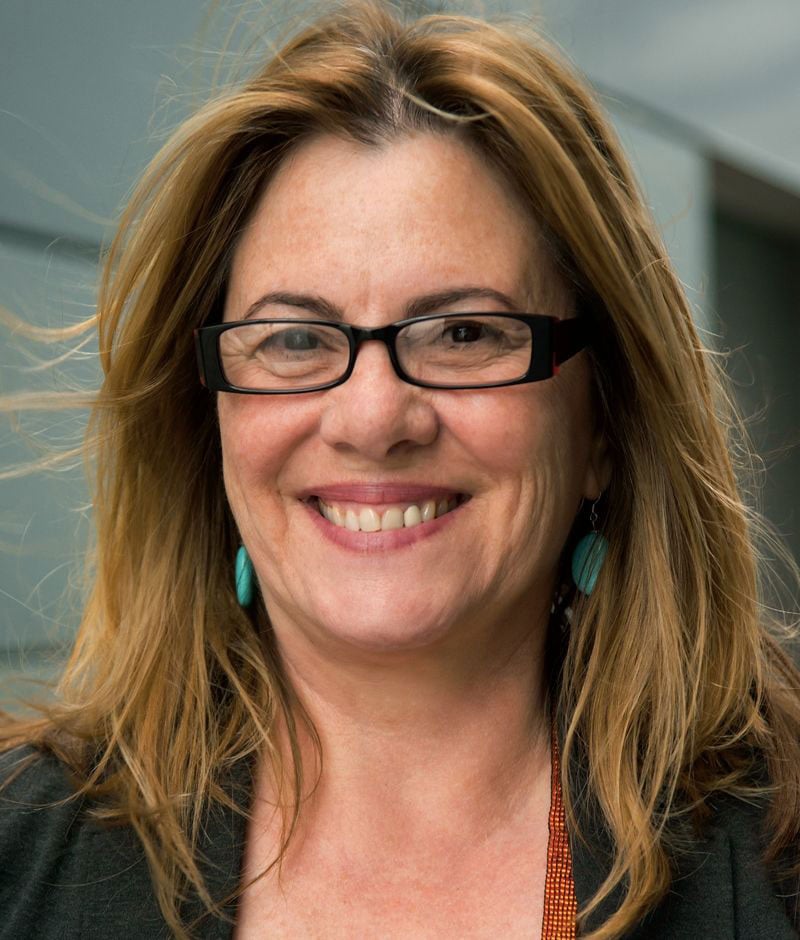
Keiko Tanabe-Nishino
Keiko Tanabe-Nishino is an associate professor at Kanagawa University of Human Services (field of reproductive healthcare and midwifery) and a midwife. After graduating from the University of Tokyo Faculty of Medicine-affiliated School of Midwifery, she worked for Aiiku Hospital (established by the Imperial Gift Foundation Boshi-Aiiku-Kai, a social welfare corporation) and Soka Municipal Hospital. In 2006, Ms. Tanabe earned a master’s degree in humanities after completing a graduate program in development and gender studies at Ochanomizu University Graduate School of Humanities and Science. In 2013, she earned a doctorate in nursing from Kitasato University Graduate School of Nursing. After serving as a lecturer at Kanagawa University of Human Services, she started in her current position in 2018. Ms. Tanabe specializes in midwifery and medical anthropology.