What Can Be Done To Ensure We Can Keep Eating Fish?‘Fisheries resource management’ supports fish-eating culture
Key Points
- Fish and other fisheries resources around the world have declined for reasons such as population growth and global warming
- “Fisheries resource management” refers to managing the amount and size of the fish caught, and the timing, to ensure sustainable fishing
- People become interested in fish not only from eating them, but also from the experience of handling and cooking them
Today we face dire circumstances. According to the United Nations Food and Agriculture Organization’s “The State of World Fisheries and Aquaculture 2024,” approximately one-third of the world’s fisheries resources are overfished. Furthermore, according to a study by the Japan Fisheries Research and Education Agency, 49% of Japan’s fisheries resources have been depleted.
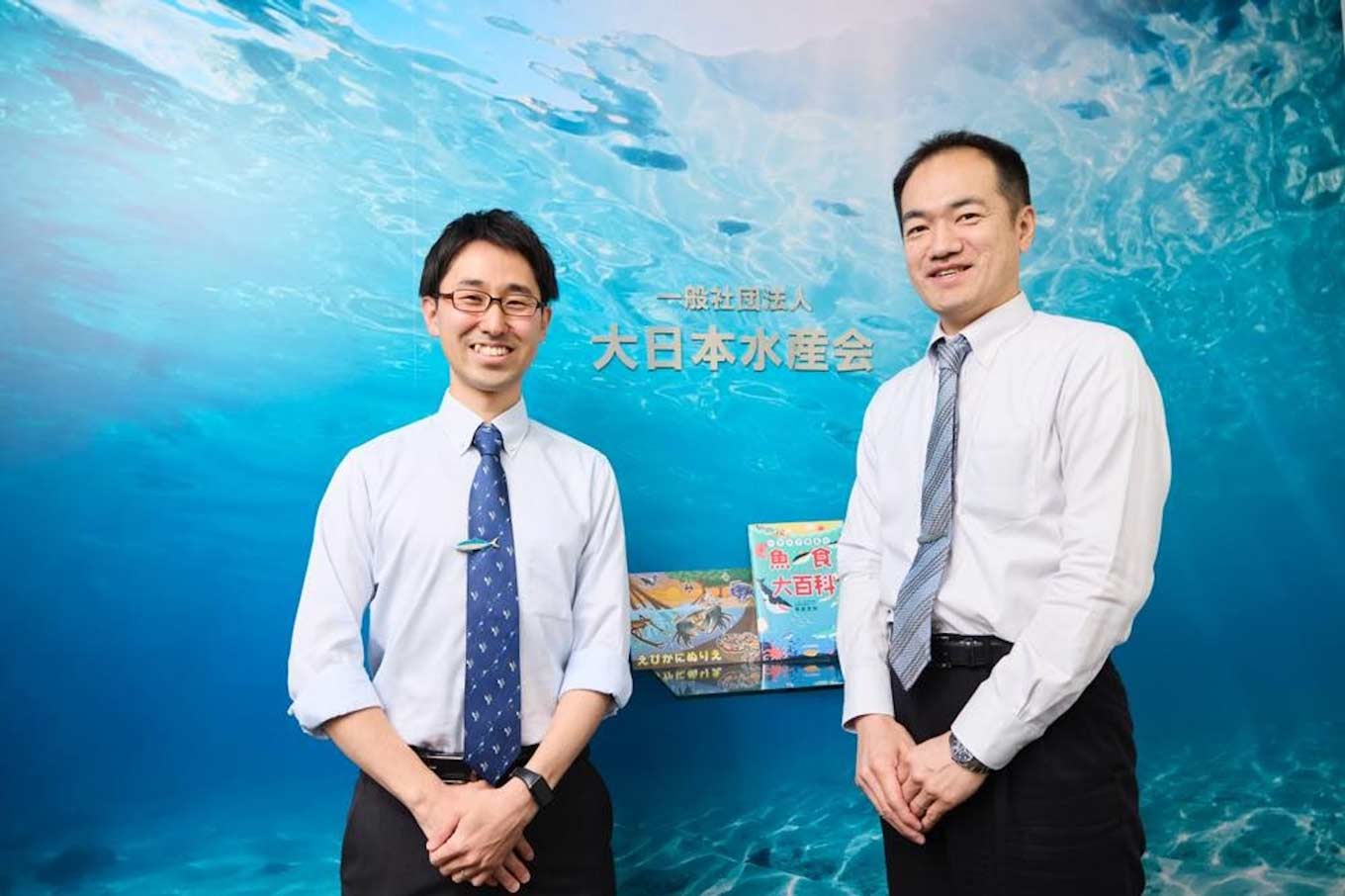
To rectify this problem, proper fisheries resource management is essential. The Seafood Consumption Promotion Center (external link, in Japanese) conducts activities that “spread the joy of eating fish and activate the fishing industry” to deepen consumer understanding of fisheries resources. We talked with Tadatoshi Hayatake and Yuta Uchibori from the center about the current state of fisheries resources, the importance of fisheries resource management, and what we can do to ensure we can continue eating fish.
If we fish efficiently, we can continue eating fish forever
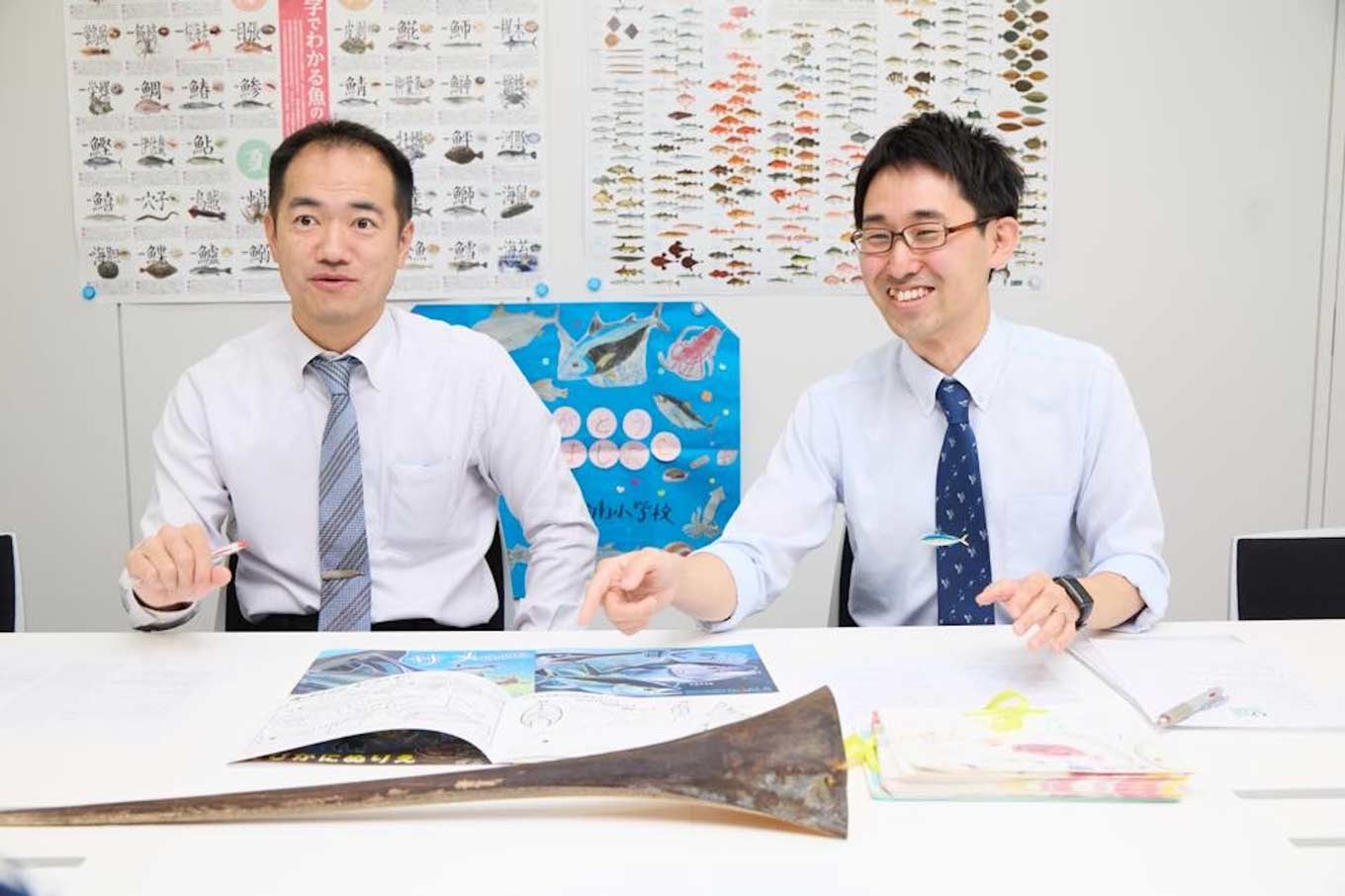
The Nippon Foundation Journal Editing Department: First off, what is “fisheries resource management?”
Yuta Uchibori: Put simply, it means to manage aspects such as the amount and size of the fish caught, and the time of the year they are caught, to ensure fish (i.e., resources) are caught sustainably. In the sea there is a food chain: phytoplankton increase due to photosynthesis and are eaten by zooplankton, which in turn are eaten by fish that grow and lay eggs, and so on. Fish are constantly being reproduced in this natural cycle.
Theoretically, fish are a resource that can be used forever. If you don’t take too much, the number of fish will remain the same. Conversely, if the amount of fish you catch exceeds their reproduction rate, they will decrease year by year until eventually there is nothing left to catch.
Once a resource drops below a certain point, it takes a long time to recover, even with proper management. And during that time, we cannot eat fish easily and fishermen cannot make a living. As a result, by the time the fish population recovers, there may not be any fishery operators or fishing vessels left. That is why resource management is so important.
Journal: What specific methods do you use to manage resources?
Uchibori: Divided broadly, there are three methods of management: Catch and size management, spawning fish protection, and habitat protection and improvement.
“Catch and size management” refers to determining the volume of fish a country catches per species and allocating the permitted volume by region and fishing vessel. And to increase the value of the whole fish, efforts are also taken to release small fish through the use of fishing equipment, such as by increasing the mesh size.
“Spawning fish protection” means restricting catches during spawning season. For example, it is prohibited to catch female red snow crab, and Japanese spiny lobster fishing is prohibited during their spawning season from early summer to autumn.
Examples of “habitat protection and improvement” include establishing artificial fish reefs on the seafloor where fish can find refuge and reproducing kelp forests where young fish can seek shelter.
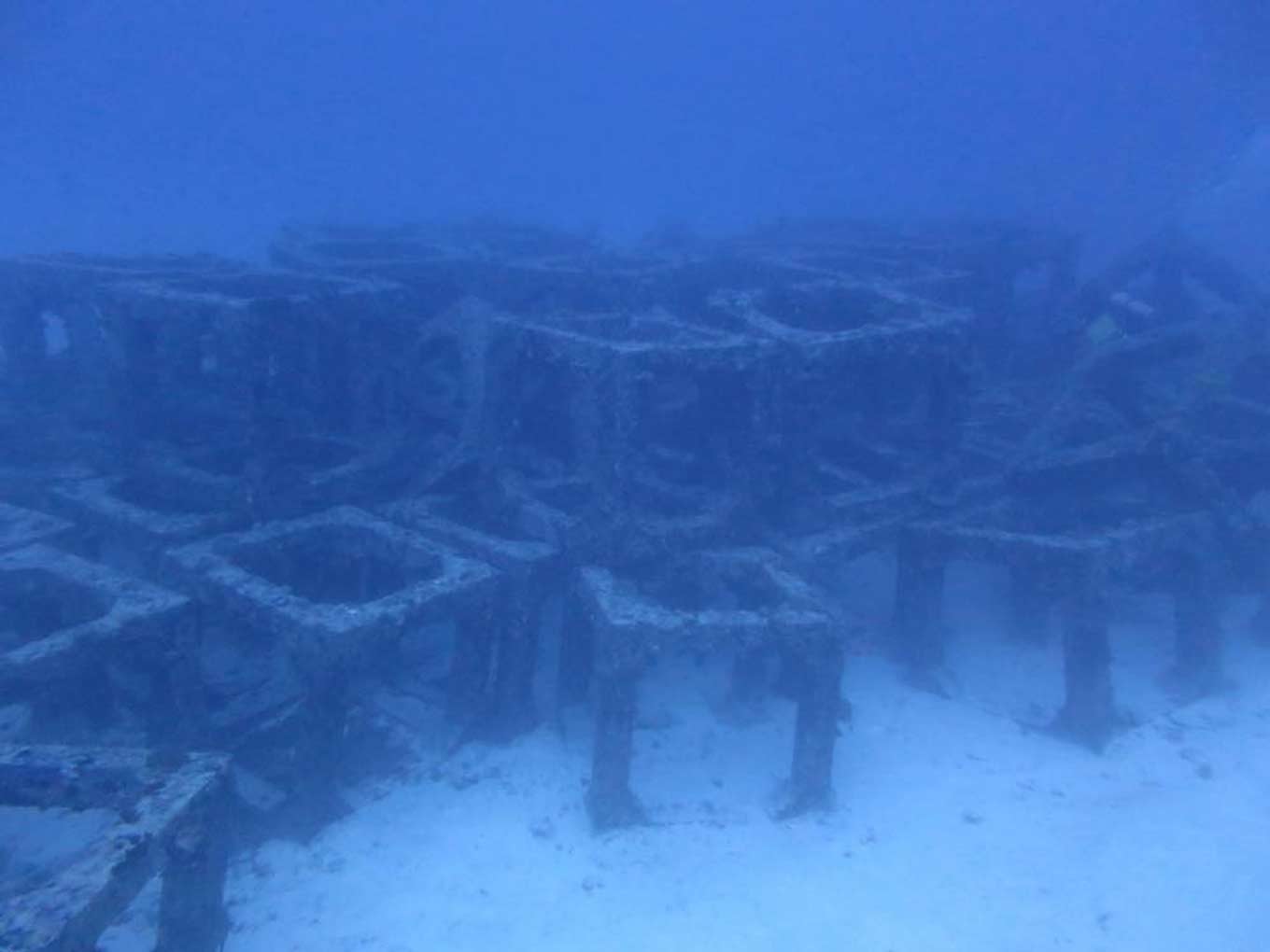
Uchibori: You can’t see them in the water, so it is very difficult to manage the number of fish. But to manage resources, you must be able to ascertain the amount of resources as accurately as possible, which is why national and prefectural research institutes are working hard to conduct surveys and research. However, recently numbers have become more difficult to measure because global warming has changed the marine environment.
Journal: What are the characteristics of fisheries resource management in Japan?
Tadatoshi Hayatake: The seas of Japan stretch north to south and range from cold to warm waters, so they are inhabited by an incredibly abundant amount of marine life. Around 600 species of fishery products circulate on the market throughout the year. Not only is there a diverse variety of fish, but fishing methods vary region to region even for the same species. For this reason, it is difficult to manage all fish species with the same method across the country. Management methods must be adjusted for each region and fishery operator.
Journal: Why has resource management become necessary for fisheries in Japan and around the world?
Uchibori: As I mentioned earlier, fisheries resources are assumed to be a “reproducible resource.” Resources will not decrease if humans do not take too much—as long as you don’t factor in changes in the marine environment.
Some of the reasons why resources have decreased include global population growth, improvement of living standards, and increased popularity of fish consumption.
In addition, the advancement of fishing technologies and distribution networks around the world have enabled more people to efficiently catch, store, and distribute fish. As a result, the amount of fish that can be caught exceeds the reproduction rate, which has led to a decline in some species. Besides resource management, another global issue is IUU fishing,* but Japan has addressed this issue by developing a system to verify whether fishery products circulating domestically are from an IUU source.
- IUU stands for Illegal, Unreported, Unregulated. It refers to fishing activities that do not comply with countries’ laws and international operating rules. Reference: Seafood Consumption Promotion Center: What Is IUU Fishing? Working To Eliminate IUU Fishing Globally and in the Whole Fishing Industry (external link, in Japanese)
Journal: Has global warming also had an impact?
Uchibori: Yes, changes in the ocean due to global warming have had a huge impact. Because the world’s oceans have become warmer, there are some areas where we can no longer catch certain fish and other areas where we can catch fish we couldn’t in the past.
Journal: On the news you hear things like “the Pacific saury catch has been poor this year” or “there was a great catch of Japanese amberjack.”
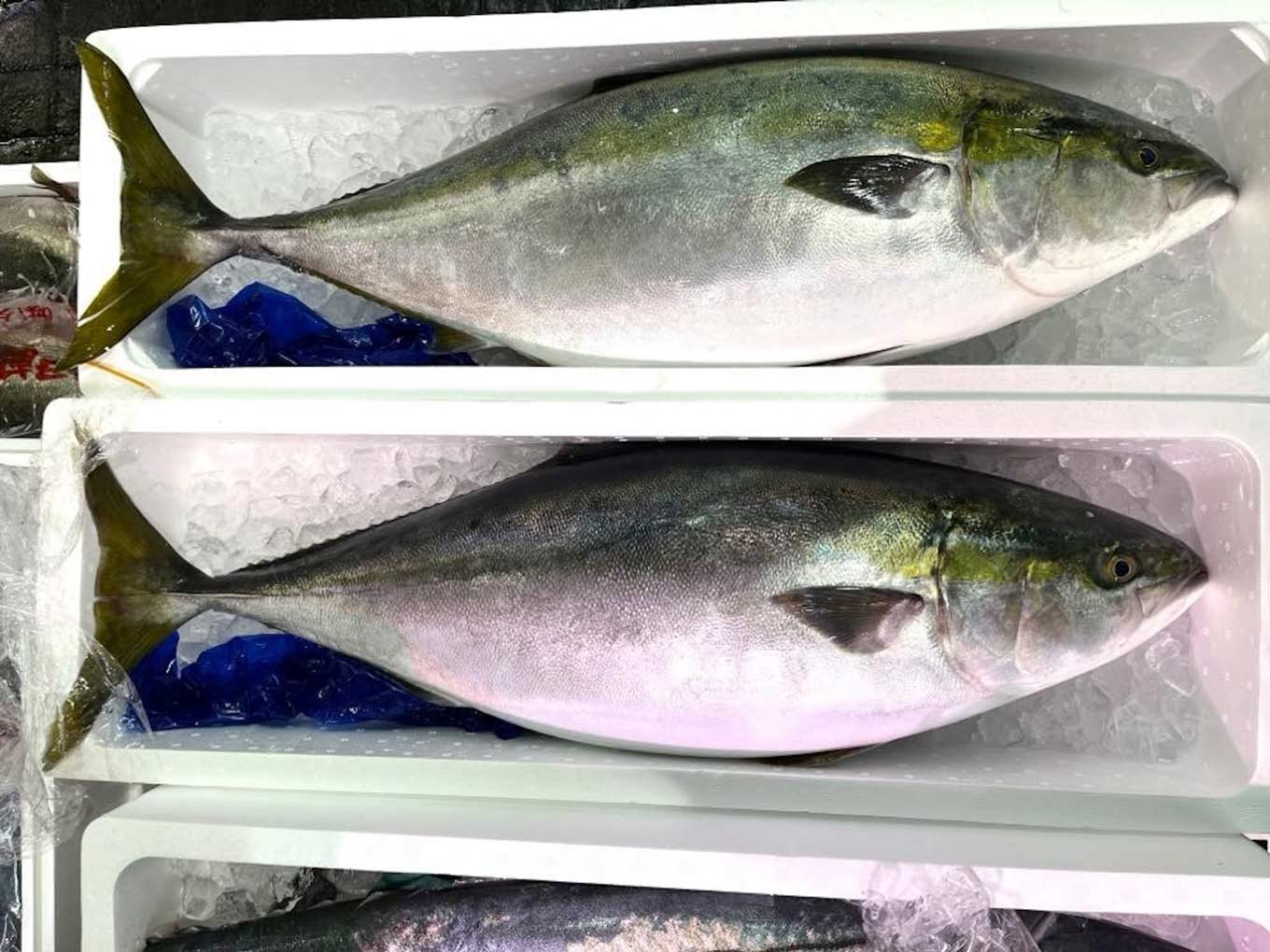
Hayatake: In Hokkaido, the Japanese amberjack catch has been great for the last 10 years, but the salmon catch has been poor across Japan.
The biggest reason for the poor salmon catch is said to be global warming. Salmon have a preferred water temperature, so global warming forces them to migrate north. This means they can no longer be caught in the same regions they were caught before. Also, salmon are born in rivers, migrate to the sea, and after growing for several years at sea they return to the rivers to spawn. According to one study, due to the rise in sea temperature, mackerel now wait to eat young salmon when they migrate from the rivers to the sea. In the past this did not happen because it was too cold for mackerel to migrate at that time. It is said that this is also due to global warming.
Pacific saury faces a similar problem. It seems like every year we hear that the “Pacific saury catch is poor this year.” Pacific saury normally come to the coast of Japan in autumn, but due to the increased sea temperature along the coast, they are forced to swim farther away. There is a limit to the amount of Pacific saury that a vessel can load, and the haul is related to the number of days required to go out to sea and back. The farther out the fishing grounds are the more days it takes to go out and back, resulting in smaller hauls.
Studies have also shown that because there are few organisms that serve as nutrients and food for fish in sea areas far from the coast, it makes it difficult for Pacific saury to grow. This is likely contributing to the smaller hauls. The industry is thinking about how to address these problems, including fish hauls.
Journal: Has there been an increase in some species?
Uchibori: Yes. Pacific bluefin tuna is one example. They decreased for a period of time, but the population is on a recovering trend. This is thanks to fishermen’s continuous hard work to manage the number of tuna and efficiently catch the fish. It is one of the accomplishments of today’s theme of fisheries resource management.
Teaching children more about the fishing industry and creatures that live in the sea
Journal: What activities does the Seafood Consumption Promotion Center do?
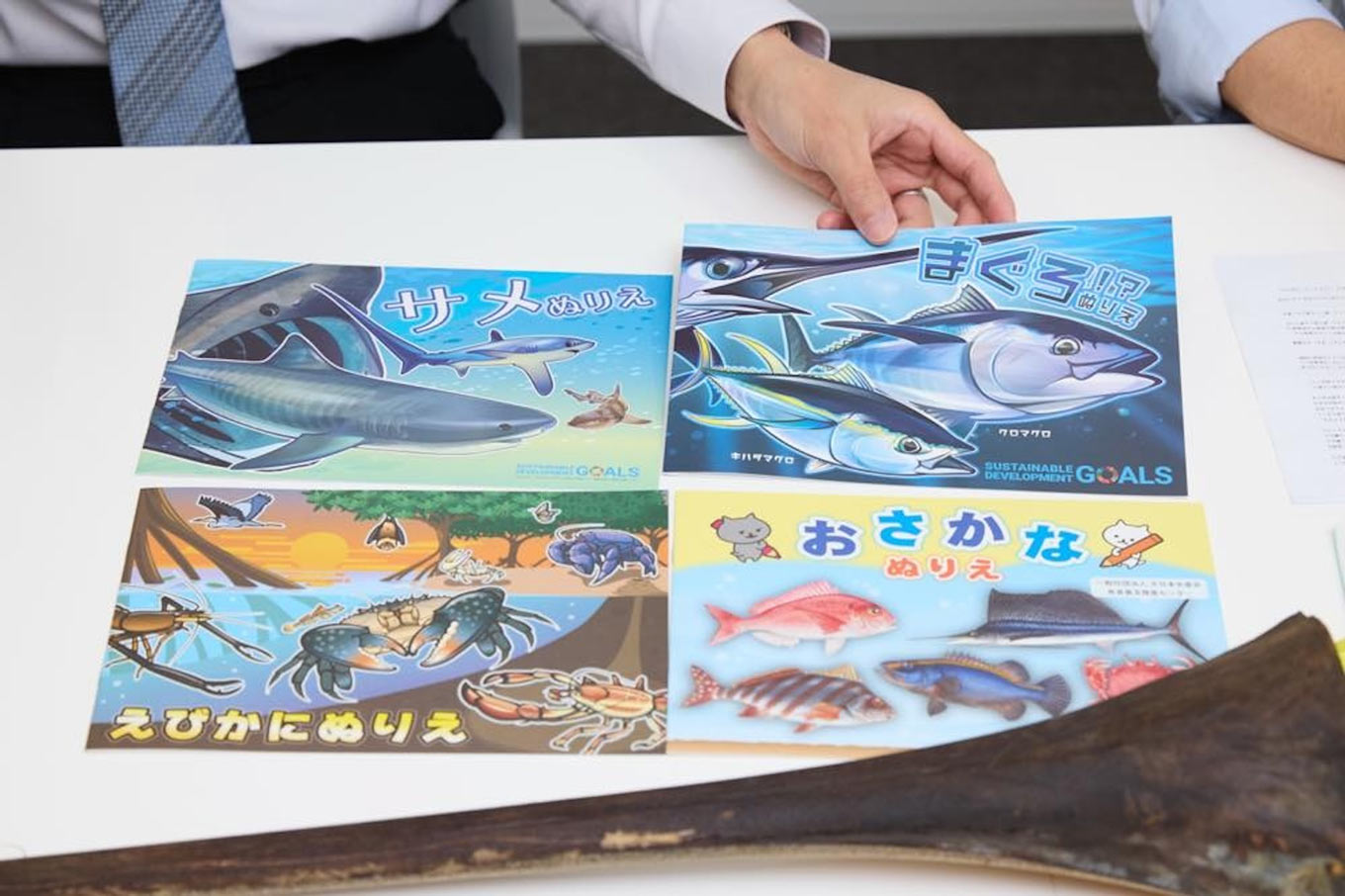
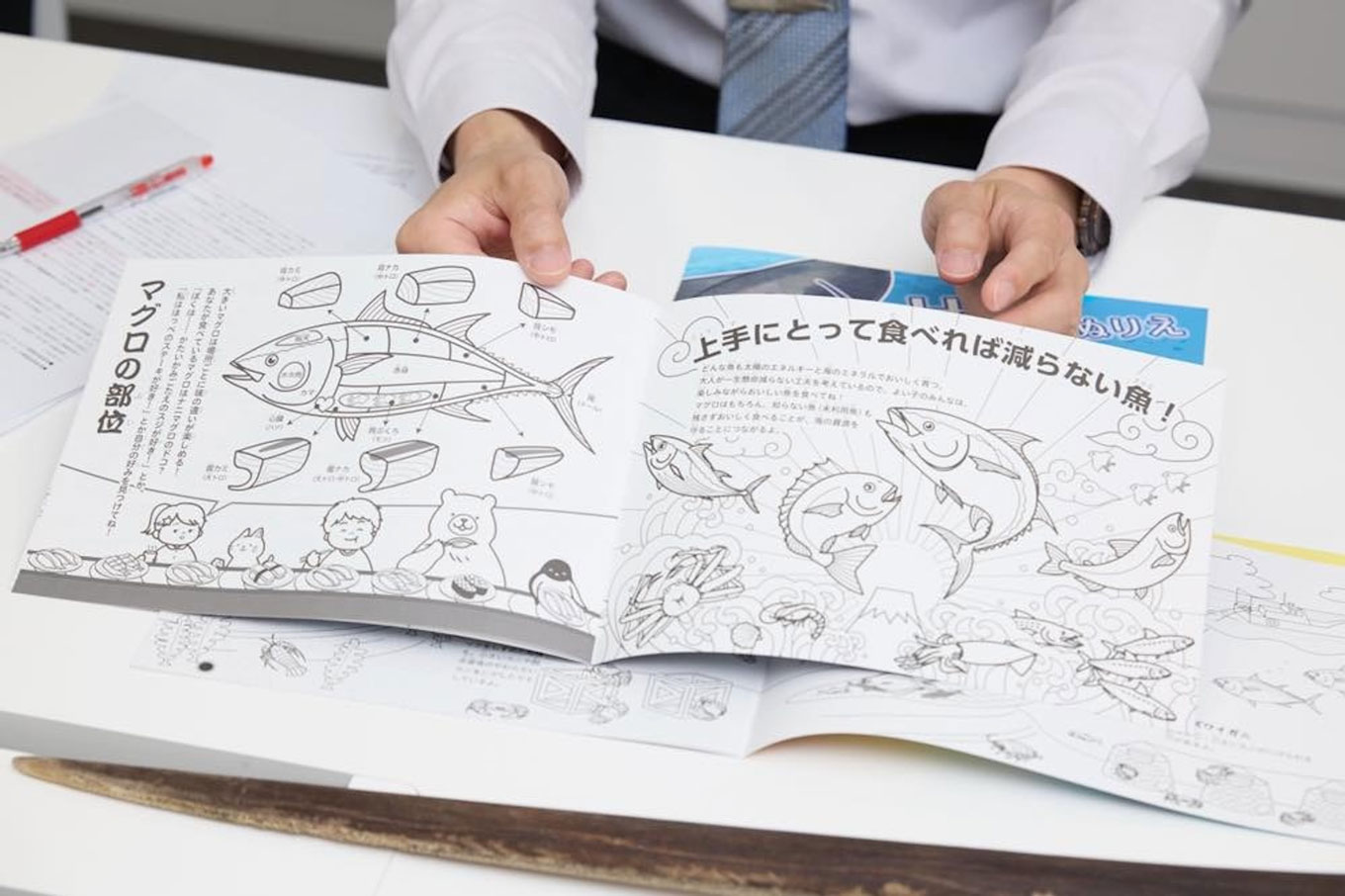
Uchibori: We spend about 100 days per year creating opportunities to promote consumer interest in the sea and fishing industry with a focus on elementary schools by offering visiting workshops called “Fish Workshop” (external link, in Japanese) and taking part in events related to fish consumption across Japan.
Hayatake: We also focus efforts on creating and posting articles on the Seafood Consumption Promotion Center website (external link, in Japanese). Currently we get about 5 million views per year. If you are interested in fisheries and search for it online, the information is often very technical, so we act as a translator and try to present the information in a way that is as easy to understand as possible.
Journal: What do you do in the Fish Workshop?
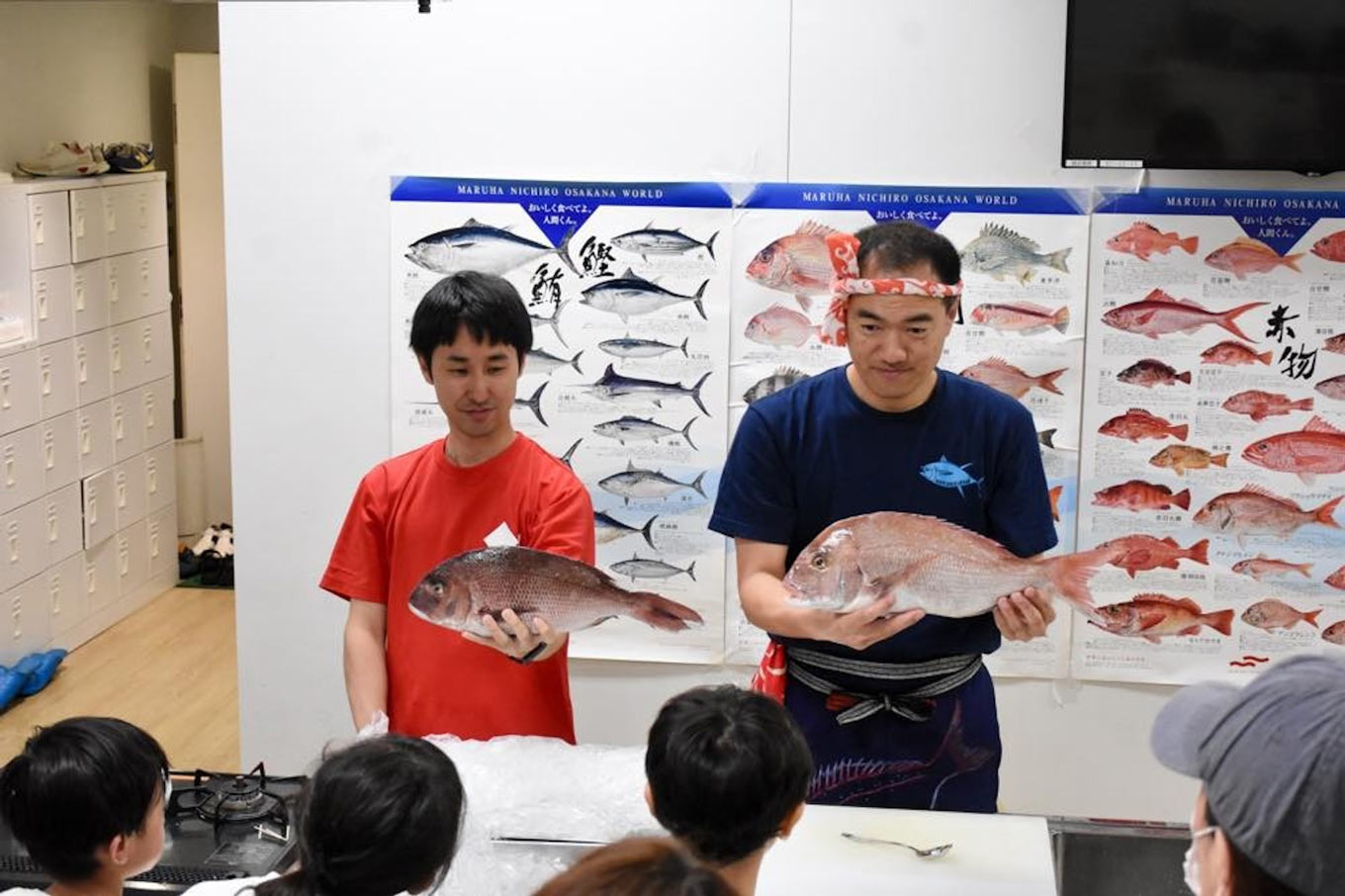
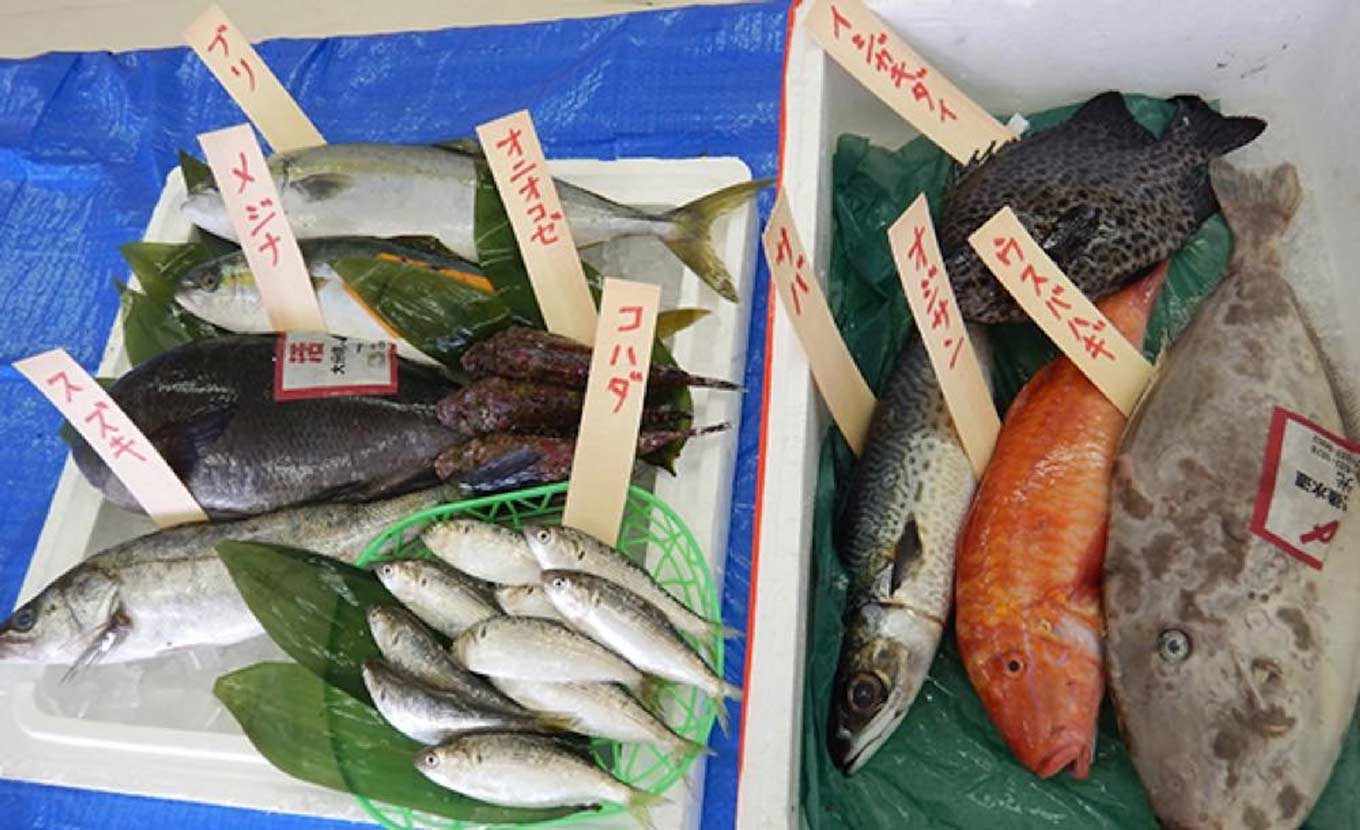
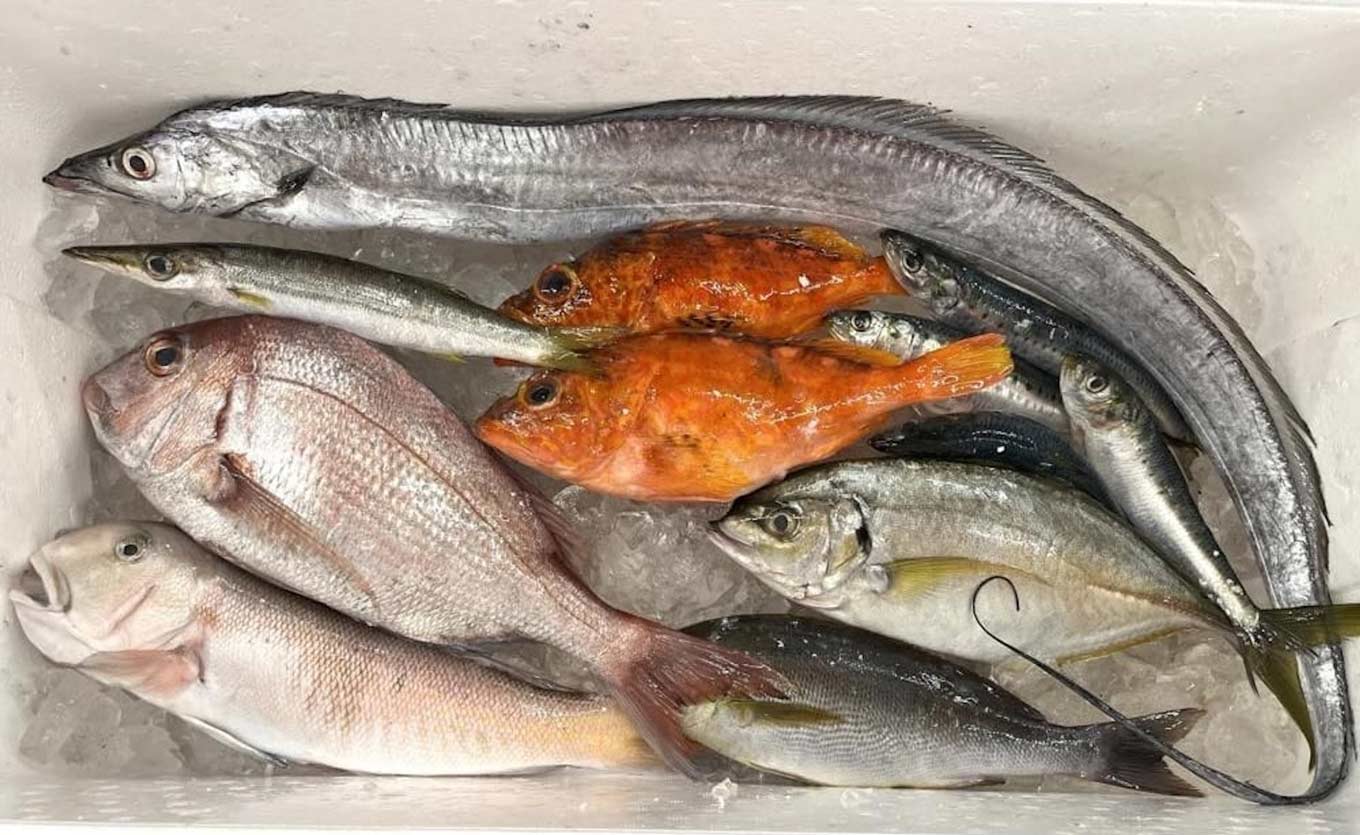
Hayatake: We do a variety of things, such as teaching children about fisheries and how the market works and cleaning and cooking fish right in front of them. Our favorite part of the workshop is a popular program called Fresh Fish Touch (external link, in Japanese) where participants are free to touch and examine about 20 different species of fresh fish.
Journal: You bring fresh fish with you?
Hayatake: We did at first, but most schools would ask us a basic question of where they could buy the fish, so now we ask the school to order fish from a nearby fish shop, school lunch supplier, or supermarket. Most of these businesses are thrilled to get orders for a whole fish from a school.
Children are free to touch the fish, poke them in the eyes, open their mouths to examine their teeth, and feel their scales. Through this experience they learn things like, “The purpose of this is to protect their bodies.”
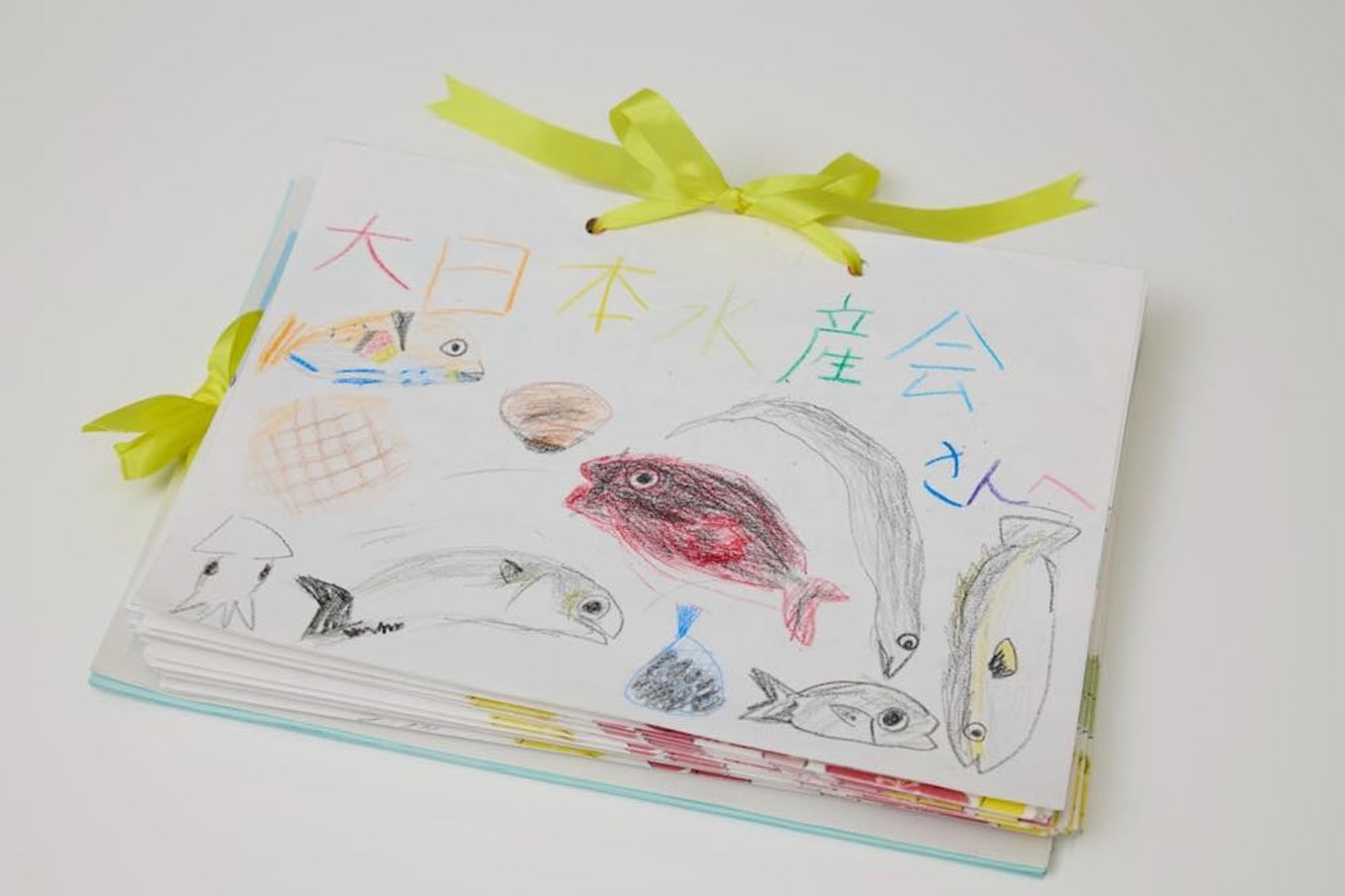
For the fish used in the lesson, we let the teachers take it home to cook and eat. Afterward they talk with the children about how they prepared the fish and what it tasted like. The entire experience is becoming part of the program. Some children say, “That’s not fair! I want to buy some too!”; this might lead them to go looking for it in stores, and it deepens their understanding.
Journal: What made you start the Fresh Fish Touch program?
Uchibori: When we started it, at first we just told children to “eat more fish!” but then I remembered that when I was a child, I liked fish more as living creatures than food. So I had the idea of getting children interested in fish as living creatures by letting them compare the differences between fish like color and shape and discovering how wide a variety of fish species there are.
I also think it encourages them to think, “If I find this next time I’m at the supermarket, I’m going to try it,” and “My teacher said it was good, so I want to try it too.”
What can be done to convey the great taste of fish and continue fish-eating culture
Journal: I often hear that fish consumption in children is down, but is that really true?
Uchibori: I don’t think it’s that they don’t like fish, but that many children are afraid to try them. In our visiting workshop we sometimes fillet fish and make soup with the leftover pieces. We have the children try them in steps. First, we let them try just the broth and pieces without the bone. Almost everyone says they’re delicious. Then we get them to try the fish on the bone, and everyone asks for seconds.
I think that children actually like fish. The reason for decreased fish consumption is just that they don’t have many opportunities to eat fish. In part of the workshop, we eat grilled fish with the children and teach them the right way to remove the bones. Some children are really interested in the bones, scales, and teeth that they cleanly remove, and say things like, “It’s so cute!” Actually trying fish and learning the right way to eat them makes children realize that they like fish.
Journal: What can we do as individuals to ensure we can continue eating fish?
Uchibori: The reason that fish are in stores is thanks to the hard work of the fishermen who go out and catch the fish. Fishermen also face the headwinds of inflation such as higher fuel costs, so conditions for them are far from ideal.
I go with my own child to the neighborhood store as a consumer and can tell that fish prices are higher than before. But the great taste of fish is irreplicable, so I think it is still worth current prices.
It doesn’t have to be every day, but I’d like people to try buying fish when they have a little time to spare. It is difficult to start out by cleaning and cooking a whole fish, so ask the fish shop or fresh fish section of the supermarket to clean and fillet it for you. I want people to know that just enjoying fish-oriented dishes, starting with something simple like this, would make fishermen incredibly grateful.
Hayatake: It’s said that 600 types of fish are in the Japanese market throughout the year. If you see a fish you’re not familiar with, take a chance and try it. Many of the fish that are “unutilized and underutilized fish”* because they cannot be caught in many places or have low-name recognition are actually delicious, just not well-known.
Buying local fish helps support the community and buying domestically produced fish helps support the fisheries of Japan. Thinking about the way you want to provide support and selectively buying products will help support fishermen and the local economy, and help pave the way to a future where we can still eat delicious fish.
- There is no clear definition for unutilized and underutilized fish but generally refer to fish that can but are not used or are rarely used as edible resources. Reference: Seafood Consumption Promotion Center: What Are Unutilized and Underutilized Fish? Efficiently Eating the Resources of the Sea (external link, in Japanese)
Hayatake: Due to the impact of global warming, you can now find fish in the supermarket that couldn’t be caught in some areas before, but the problem is that consumers don’t buy them because they are unfamiliar with the fish. About 10 years ago, one of the most caught fish in Hokkaido switched from salmon to Japanese amberjack, but salmon is a popular dish for New Year’s Eve, so many people prefer imported salmon.
Even if the region where you can catch certain fish changes, it would be great if information could be shared on how people in other regions eat the fish so the people in the region where they are caught now can learn the best way to eat them.
What we can do to continue eating fish
- Try eating locally caught fish, even if it is unfamiliar
- If you don’t know how to prepare the fish, try talking to someone at the fish shop or fresh fish section at the supermarket
- Look up and share information on how people eat the fish in other regions
Fisheries resource management may sound like a difficult term, but our interview with the Seafood Consumption Promotion Center showed us that it is an issue that directly affects us consumers and taught us about the sea and fish in a way that’s easy to understand. It is also important for us consumers to learn about the current circumstances that surround the fishing industry to convey to children how delicious fish are.
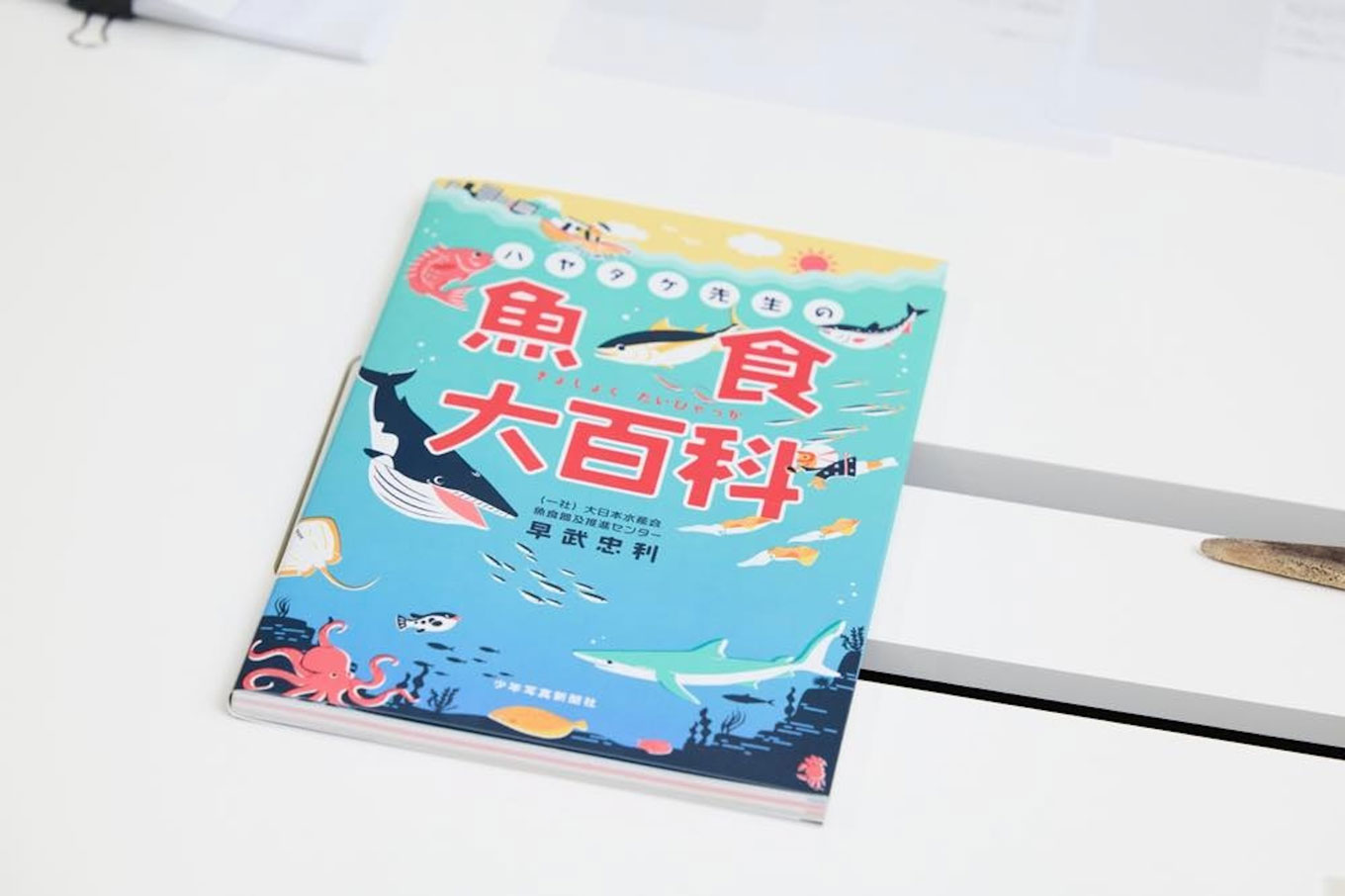
The Seafood Consumption Promotion Center’s website features a variety of information, including facts about fish, simple recipes, and research and survey data by specialized organizations. Check it out when you have the chance.
Text: The Nippon Foundation Journal Editing Department
Photo: Eizaburo Sogo
Related Themes
Related Link
Related Articles
From Streets to the Sea: How The Nippon Foundation Turns Cleanup into a National Movement
Field Notes