Children’s Ombudsmen, Third-Party Organizations Protect Children’s RightsWorking to develop communities that encourage children to speak up
Key Points
- Children’s Ombudsmen are in the spotlight as third-party organizations that protect children’s rights
- The bullying problem is difficult to solve when viewed as a “victim vs. perpetrator” dichotomy
- When specialists such as psychologists, lawyers, and social workers collaborate with schools, it helps lead to appropriate solutions
Bullying can take on many forms: Being ignored by classmates, slandered on social media, and isolated in extracurricular activities to name a few. And the problems that surround bullying between children — such as absenteeism, PTSD (post-traumatic stress disorder[1]), self-harm, suicide, and schools’ delayed response — never seem to end.
In the 2023 academic year, a record of more than 730,000 cases of bullying were confirmed in elementary, junior high, and high schools across Japan.[2] The number of “serious incidents” recognized as inflicting severe harm has risen to 1,306, and seven cases of student suicide deemed to have been caused by bullying have been reported.
Against this backdrop, Children’s Ombudsmen have gained attention as third-party organizations that protect children’s rights. Today there are children’s ombudsman organizations in about 30 municipalities across Japan. Independent from the government, these organizations listen attentively to children’s voices and engage in activities such as research, rescue, and releasing statements as an organization.
We talked with Etsuko Ishikawa, a specialist in educational and clinical psychology and a member of the Nakano City Children’s Ombudsman (external link, in Japanese), about the realities of bullying and the perspectives needed to find fundamental solutions to the problem.
- Note 1: PTSD is a disorder that exhibits a range of mental and physical symptoms that interfere with day-to-day life. It is caused by traumatic experiences such as life-threatening incidents, extreme bullying, and sexual assault.↩︎
- Note 2: Reference: “AY2023 Overview of Results of Survey on Issues in Instructing Students With Problematic Behavior and Absenteeism,” Ministry of Education, Culture, Sports, Science and Technology (external link, in Japanese / PDF)↩︎
- Note: To protect the privacy of the children seeking counseling, specific examples in this article combine multiple cases in an effort to prevent individuals from being identified.
New public organization working to protect children’s rights
The Nippon Foundation Journal Editing Department: What kind of organization is Children’s Ombudsman?
Etsuko Ishikawa: Children’s Ombudsman is a public third-party organization that is independent from the government with the authority to investigate whether the rights of children are being protected and provide advice accordingly based on the U.N. Convention on the Rights of the Child. Specifically, it conducts activities such as providing consultation to children, mediating bullying and abuse cases from a third-party perspective, giving recommendations to educational institutions and local governments, and spreading awareness on children’s rights.
One thing that makes us unique is that we are an independent organization that listens to children’s voices from an objective standpoint. Our role is not to solve problems on their behalf, but to approach families, schoolteachers, boards of education, and other organizations and people who look after children to ensure the problems are addressed appropriately.
Journal: When did Nakano City (Tokyo) start this initiative?
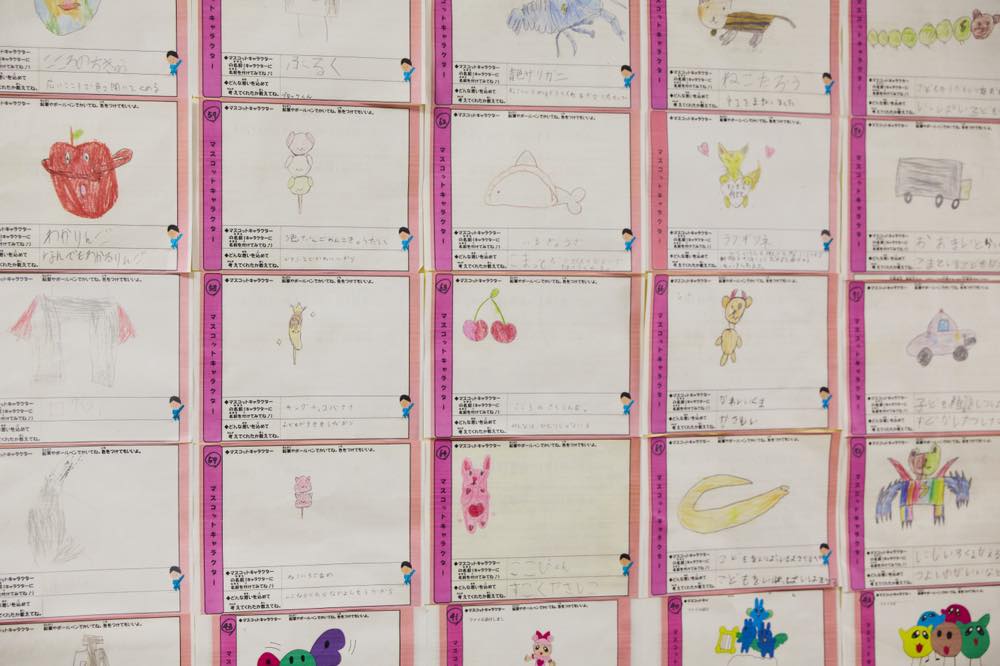
Ishikawa: Prior to the enforcement of the Basic Act on Children’s Policy* in 2023, Nakano City established the Nakano City Ordinance on Children’s Rights (external link, in Japanese) in 2022. The city designed a system by spending about a year, before creating the ordinance, holding workshops asking children questions such as “What kind of safe space do you want?” and “What do you need?” and listening attentively to their responses. Nakano City Children’s Ombudsman was embodied in the ordinance. Today, the organization consists of four members: three lawyers and me, a certified public and clinical psychologist. Together we carry out activities to solve problems with children while respecting their opinions, ideas, and feelings.
- The purpose of the Basic Act on Children’s Policy is to comprehensively advance children’s policy with the aim of creating a society where all children can live happy lives for years to come in accordance with the spirit of the Constitution of Japan and Convention on the Rights of the Child.
Journal: What methods do you use to listen to children’s voices?
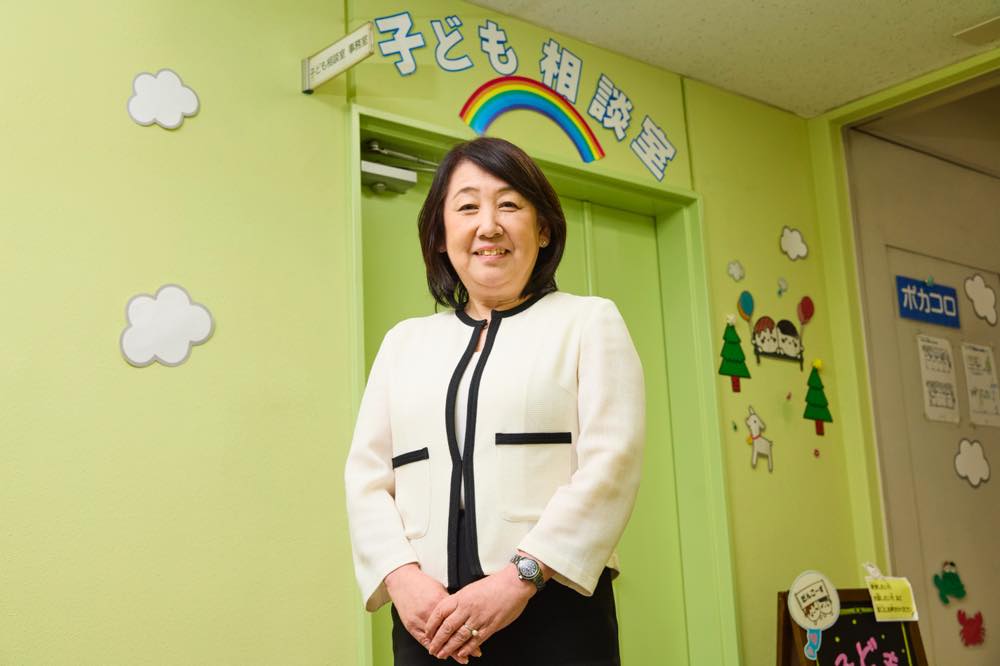
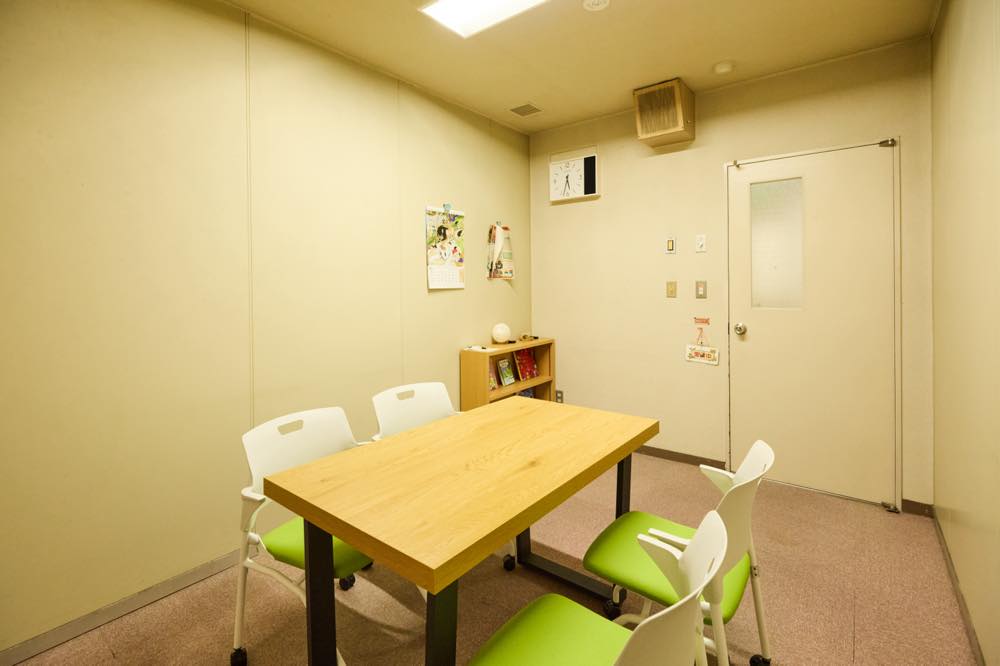
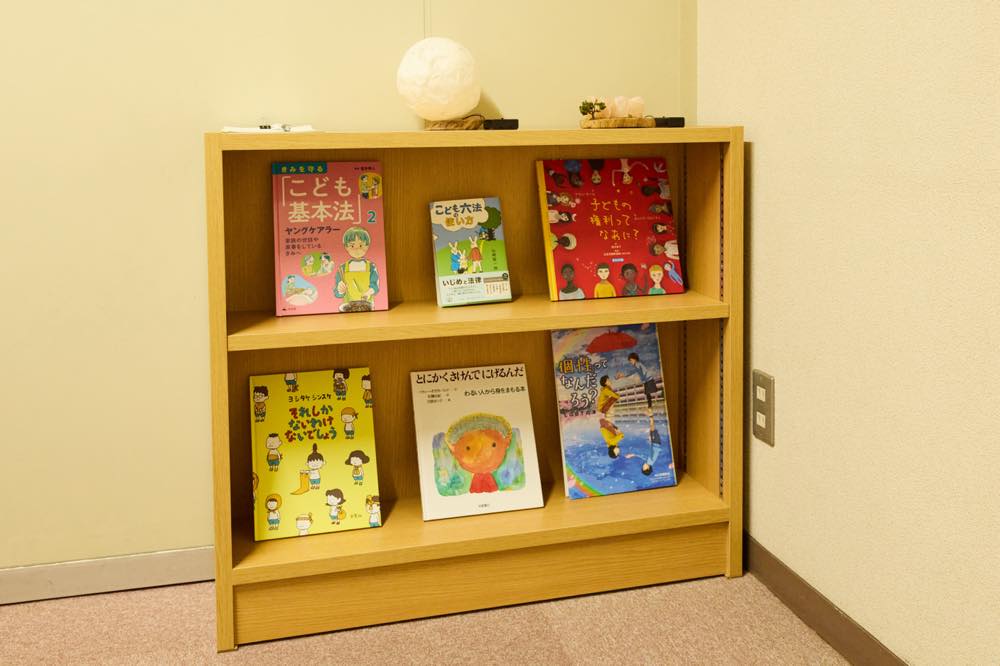
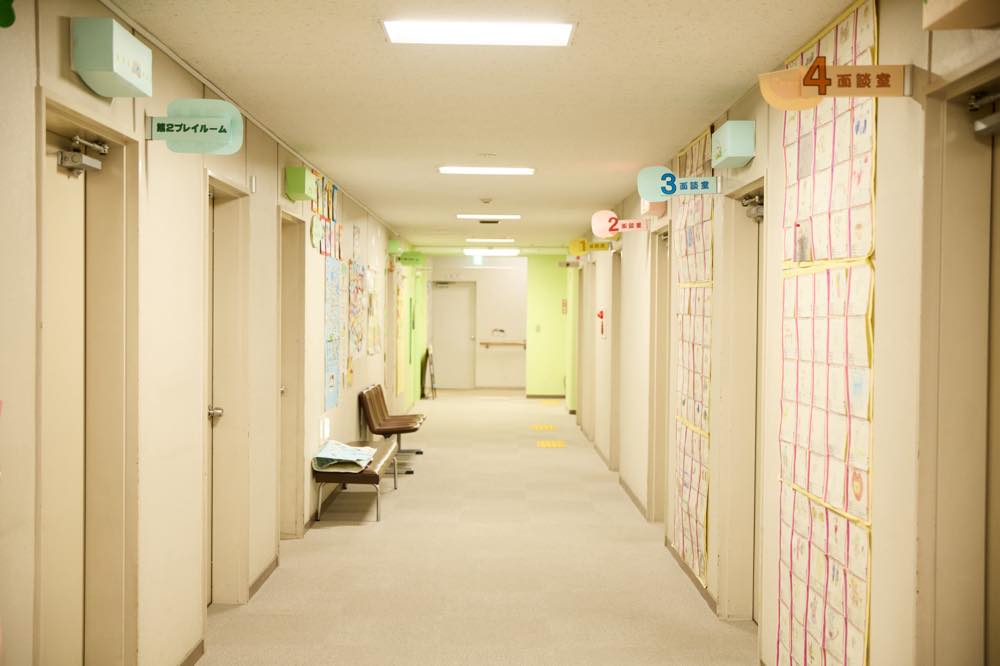
Ishikawa: We established a children’s counseling center called “Pokakoro” (external link, in Japanese) in the Nakano City Education Center Branch Office, where children who are under 18 years of age who live, work, or go to school in Nakano City can go to talk with a specialized counselor. Instead of going in person, children can also talk with us in other ways such as by calling a toll-free number, emailing, or sending a prepaid letter.
Journal: What kind of things do children come in to talk about?
Ishikawa: They come in to talk about a wide range of problems, including absenteeism, interpersonal relations, bullying, and violence at home. For example, some children come to us because they don’t want to go to school and others because their friends won’t talk to them. In one case, several elementary school students emailed us because their teacher’s angry shout scared them. We met with and listened to the children, and after confirming with them that they felt they couldn’t solve the problem on their own and wanted us to tell the school, we contacted the principal.
Ishikawa: As a result, the teacher stopped raising their voice in the classroom, and now when they need to caution a child, the teacher takes them out into the hallway to speak with them individually. Later the children who originally contacted us told us that the teacher changed so everything was okay now.
In this way, we act as quickly as possible when a child comes to us with a problem. When there is a return address on a letter, we reply and sometimes go to the school or local children’s center if necessary. I hope that more children learn that when they have a problem, even if seemingly small, there are adults that will do something about it.
The complex reality of bullying problems — Going beyond the perspective of “victim vs. perpetrator”
Journal: Bullying has become a serious social problem. Tell us about the bullying-related problems children come to you for now.
Ishikawa: While it is true that many children come to talk to us about problems related to bullying —such as a friend doing something mean to them — we also have children who want to talk with us because they were told by the school that they were bullying and it took them off guard and confused them.
There are cases that are clearly bullying, but sometimes it is a matter of taking something a different way or there is another problem underpinning the bullying such as changes in relationships that occur in the growth process or problems of development or disorder.
And the problem can become even more multilayered when the complex feelings and expectations of parents and guardians come into play. People tend to view a bullying problem simply as “victim vs. perpetrator,” but it is actually a combination of many complex factors.
Journal: Have you experienced cases that exhibited such complexity?
Ishikawa: Well, in bullying, there are two sides to the story. There are complex problems in bullying that cannot be solved by simply determining whose fault it is. To find a solution, it is important to pay attention to not only the person who was harmed, but also the background and stress of the one who was thought to have caused the harm and listen attentively.
Journal: I would imagine that how the children other than the bully and bullied are involved is also important in bullying problems. What’s the reality around this?
Ishikawa: When I took part in a large-scale survey* conducted on about 9,000 children, the most common answer given for why they think bullying occurs was that “children don’t value each other.” On the other hand, we found that the older the child the more likely they were to answer “nothing” to the question “What do you do when you see or hear someone being bullied?” The percentage who answered in this way increased from 40% to over 60% as age advanced, from elementary school to junior high school and high school age.
I feel that the current environment makes it hard for children who are bystanders and onlookers to bullying speak up because they don’t want to be bullied themselves, think they are helpless, or are scared of the group of bullies. First and foremost, adults must make an effort to notice signs of bullying, but in reality it is difficult to notice every sign. I know from experience that we must work to ensure that children can speak up about bullying, no matter what stage it is in.

The importance of diverse professions collaborating to find effective solutions
Journal: Since the reasons for bullying are complex, what approach is effective for finding solutions?
Ishikawa: In most cases, bullying is resolved before becoming a serious problem thanks to the daily efforts and actions of schoolteachers. I work as a school counselor and have seen many incidents resolved thanks to teachers’ actions and children go back to their normal lives.
However, for more complex cases and problems that have the potential to become serious, I think it is important for people with different specializations to work together. For example, specialists in psychology can ask the child about their feelings and assess why they acted that way, what stress they face on a daily basis, and what parents and guardians expect.
Lawyers can determine from a legal perspective whether bullying has crossed the line and whether it should be addressed immediately instead of treating it as simply a squabble between children. Social workers look at the child’s home environment and living background to ascertain the fundamental causes of the problem.
Journal: To what extent have such collaborations between specialists actually been implemented in schools?
Ishikawa: I can’t say that collaboration is sufficient at the moment. For example, I was talking to a school nurse who told me, “There are differences even in the same school in how information is shared between school leadership and homeroom teachers, how serious bullying incidents are treated from grade to grade, and the approaches and responses to bullying.”
Children usually find school nurses easy to talk to, and some children who come to the nurse’s office suffer from psychological problems like bullying. Some school nurses fill the role of listening to children’s voices and work to create a system where lawyers come to the school to provide training on how to address bullying.
It is important to first ensure information is thoroughly exchanged and roles are divided among faculty under school leadership, but incorporating the perspectives of different specialists such as psychologists, lawyers, and social workers will make it easier to address problems objectively and effectively. I think that having a variety of professionals collaborate to address bullying together makes it easier to find an appropriate solution before it gets worse.
Unfortunately, the problem with sending specialists to schools on a temporary basis is that their time is very limited. To enable immediate collaboration, it is urgent that we expand the number of specialists permanently assigned to schools.
Journal: Do children’s ombudsman activities incorporate such interprofessional collaboration?
Ishikawa: Yes. In general, ombudsman members and counselors collaborate in all counseling cases, and in certain cases I handle psychological care and listen to the child’s voice as a certified public and clinical psychologist. When it is necessary to talk with the school, we decide on a policy of how to respond by discussing it with our lawyers.
In cases where we suspect abuse, we address them in collaboration with the Child Guidance Office, and if we release a statement as an organization — such as suggestions for improving the system — we have a lawyer take the lead.
Involving specialists from different fields from the start gives us the significant advantage of being able to consider issues from a wide range of perspectives, such as what schools can do now and what kind of measures must be taken.
I doubt there is a “bullying specialist” who can handle every problem. If we create a team of adults from different fields such as education, psychology, law, and social work who can listen attentively to children and address problems appropriately before they become too complex, it will be a first step in preventing social issues such as absenteeism and suicide that result from bullying.
What children and adults around them can do to find fundamental solutions to bullying problems
Ms. Ishikawa gave us three pieces of advice on what we as individuals can do to fundamentally solve the increasingly complex problem of bullying.
[1] Instead of using words that hurt, use words that acknowledge and value the other person
Most bullying consists of teasing and making fun of others. Be aware that words that belittle, scorn, and compare the person to others can hurt deeply, and make an effort to regularly use words that acknowledge and value the other person like “thank you.”
[2] Create an environment that makes it easy for children to talk about even small problems
Spread the word to those around you that there are several places where children can receive counseling, such as school counselors and children’s ombudsman, and create an atmosphere that encourages children to talk about anything, which will lead to creating an environment that makes it easy for them to speak up.
[3] Don’t oversimplify the problem by just blaming the perpetrator or the victim; look at the context behind the bullying
Instead of trying to determine who is to blame when you hear about or see a bullying problem, have a mindset to think about why it happened and what can be done to resolve it. When talking about bullying with those around you, try to have discussions that will lead to prevention and improvement rather than simply criticizing.
The reason we sought this interview was that we wanted to explore the structural issues of the bullying problem that lie behind the teen suicide rate remaining high. What left the biggest impression on us was the results of the survey that showed that the percentage of children who answer they do nothing when they see or hear about bullying increases with age.
The interview reaffirmed that it is our responsibility as adults to create an environment that encourages children to speak up to someone, even if it is not directly, as we are the ones to blame for children thinking that speaking up will not change anything.
Text: The Nippon Foundation Journal Editing Department
Photo: Eizaburo Sogo
Profile
Etsuko Ishikawa
Etsuko Ishikawa is a member of Nakano City Children’s Ombudsman (Children’s Rights Relief Committee); certified public psychologist; clinical psychologist; professor at Faculty of Childhood Education at Hosen College of Childhood Education; director of the Japanese Association of Certified Public Psychologists and chairperson of the association’s Educational Committee; and an ad hoc member of the Subdivision on Elementary and Secondary Education of the Central Council for Education and a member of the council’s Teacher Training Committee. Since 2002, she has worked as a school counselor for public and private schools. In the 2021, 2022, and 2023 academic years, Ms. Ishikawa served as a principal researcher on the “Research Study on Creating Full-Time School Counselors and School Social Workers,” part of the Ministry of Education, Culture, Sports, Science and Technology’s Bullying Measures and Absenteeism Support Project.
- Nakano City Children’s Ombudsman (official website, in Japanese)
- Pokakoro — Nakano City Children’s Counseling Center (official website, in Japanese)