Autonomous Seas: Protecting Lives and Strengthening Japan’s Maritime FutureHow catalytic finance and coordinated governance are enabling the safe commercialization of autonomous coastal shipping
Why develop autonomous navigation?
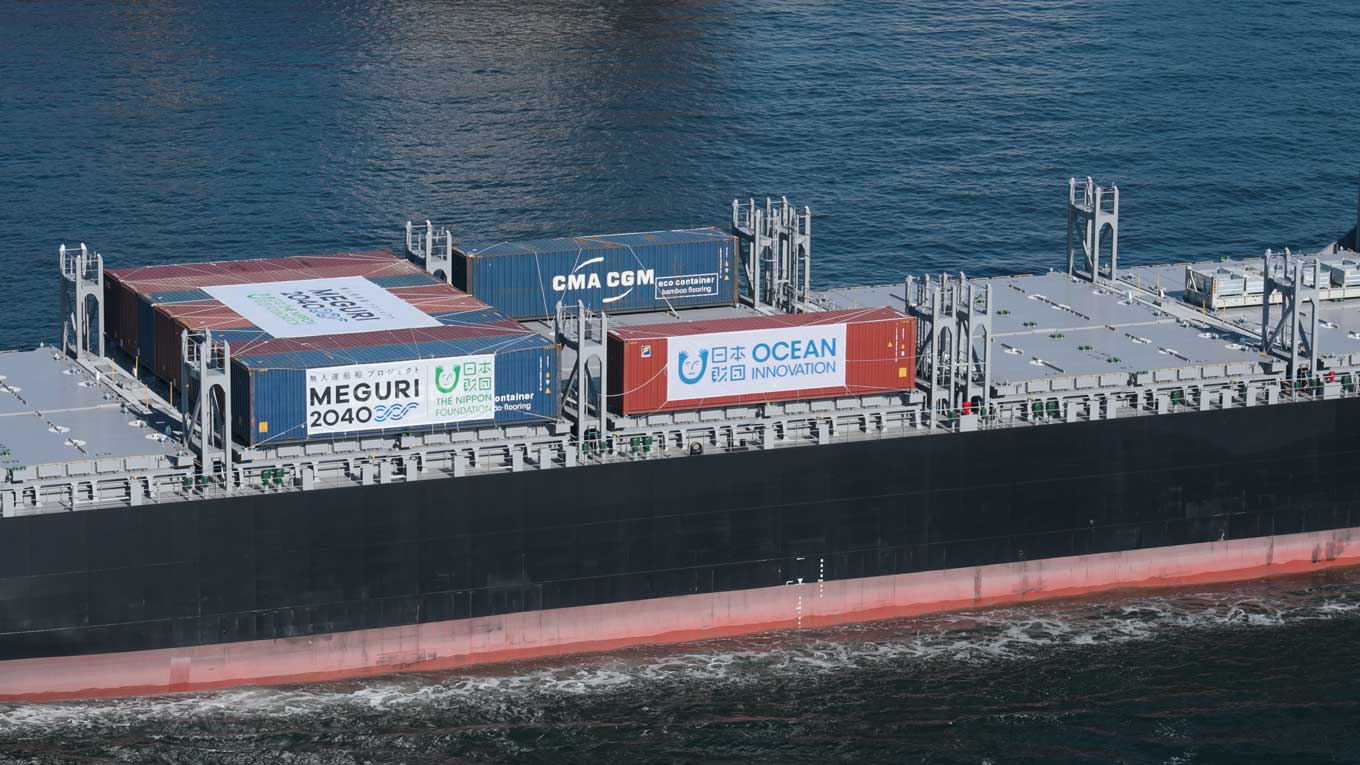
Maritime logistics worldwide are under mounting systemic strain. In Japan, persistent labor shortages due to the population decline are impacting the domestic shipping sector, where a majority of crew members are now in their 50s. Japan is also home to approximately 400 inhabited remote islands, many of which depend entirely on coastal supply chains for everyday life. As workforce shortages intensify, maintaining regular logistics and transportation to these islands is becoming increasingly difficult. At the same time, roughly 80% of maritime accidents are attributed to human error.
Integrating advanced automation into vessel operations is a potential pathway to addressing these issues. Development of autonomous vessels, however, faced practical hurdles: securing stable telecommunications between land and sea, ensuring reliable obstacle detection in dynamic marine environments, and mobilizing the substantial capital required for large-scale implementation. Nonetheless, early efforts to develop autonomous vessels in Japan were dispersed across individual companies and research bodies with technical components advanced in isolation. This fragmentation slowed integration and raised concerns that Japan could lose ground in shaping emerging international standards. Taken together, these constraints concentrated first-mover risk, resulting in limited progress toward fully autonomous seagoing navigation.
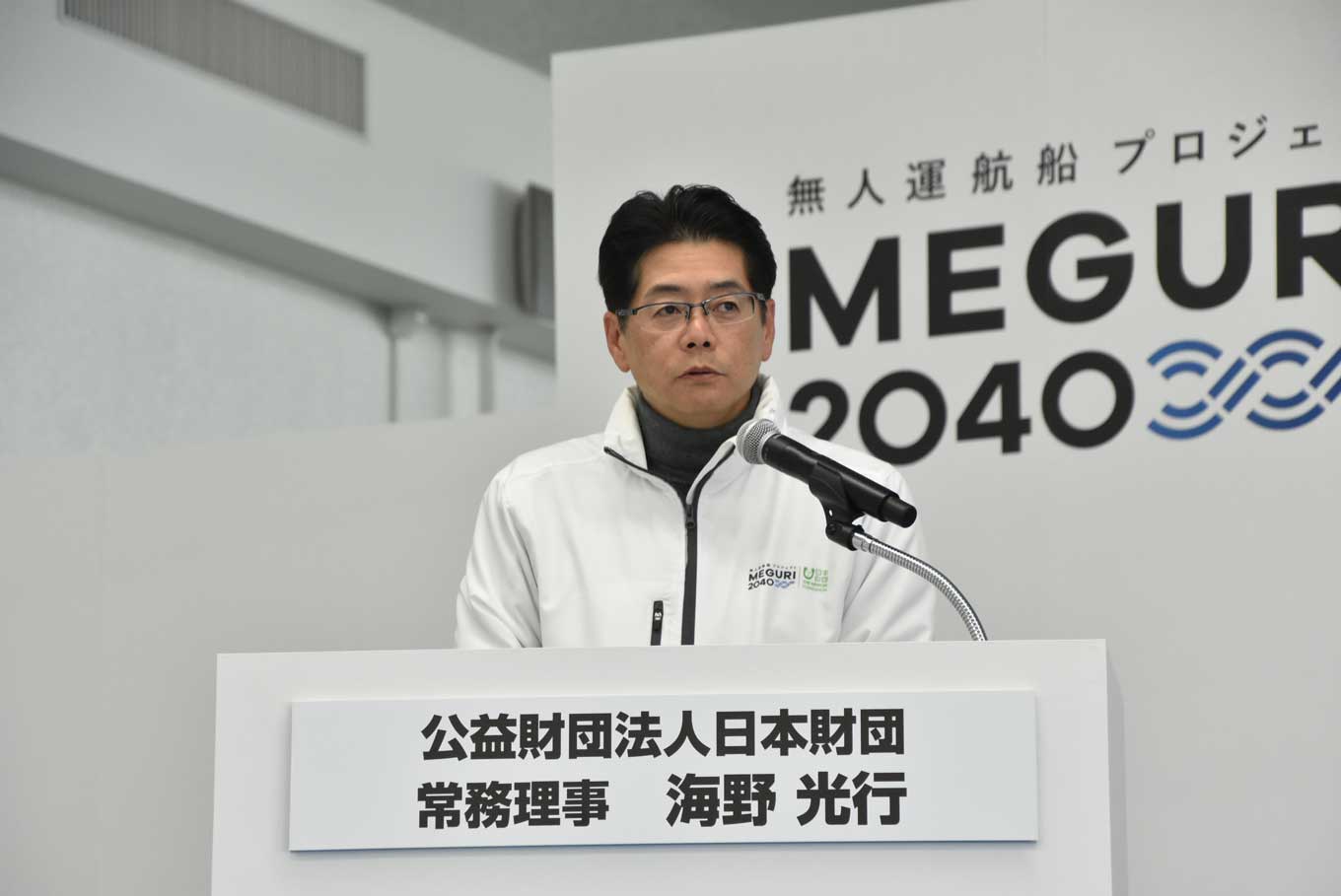
As a grant-making foundation, we are investing in and leading MEGURI2040 to serve as catalytic finance, assuming risks that would otherwise deter private-sector participation. Through collaboration with Japan’s shipbuilders, AI developers, telecommunications providers, insurers, regulators, and operators, the initiative aligns technological advancement with safety, regulatory clarity, and long-term industry resilience—while reducing the burden of long hours and harsh working conditions at sea, narrowing the margin for human error, and ultimately preventing accidents to protect lives.
1. How does MEGURI2040 make autonomous navigation viable?
In 2020, an All-Japan consortium was convened to establish MEGURI2040 as a collective infrastructure platform with a shared objective: addressing structural challenges at sea while enabling private-sector leadership and revitalizing the maritime industry. By consolidating testing environments, data-sharing, and dialogue across sectors, the initiative streamlines efforts and reduces uncertainty, particularly with respect to liability, certification, and operational accountability, that would otherwise stall commercial implementation.
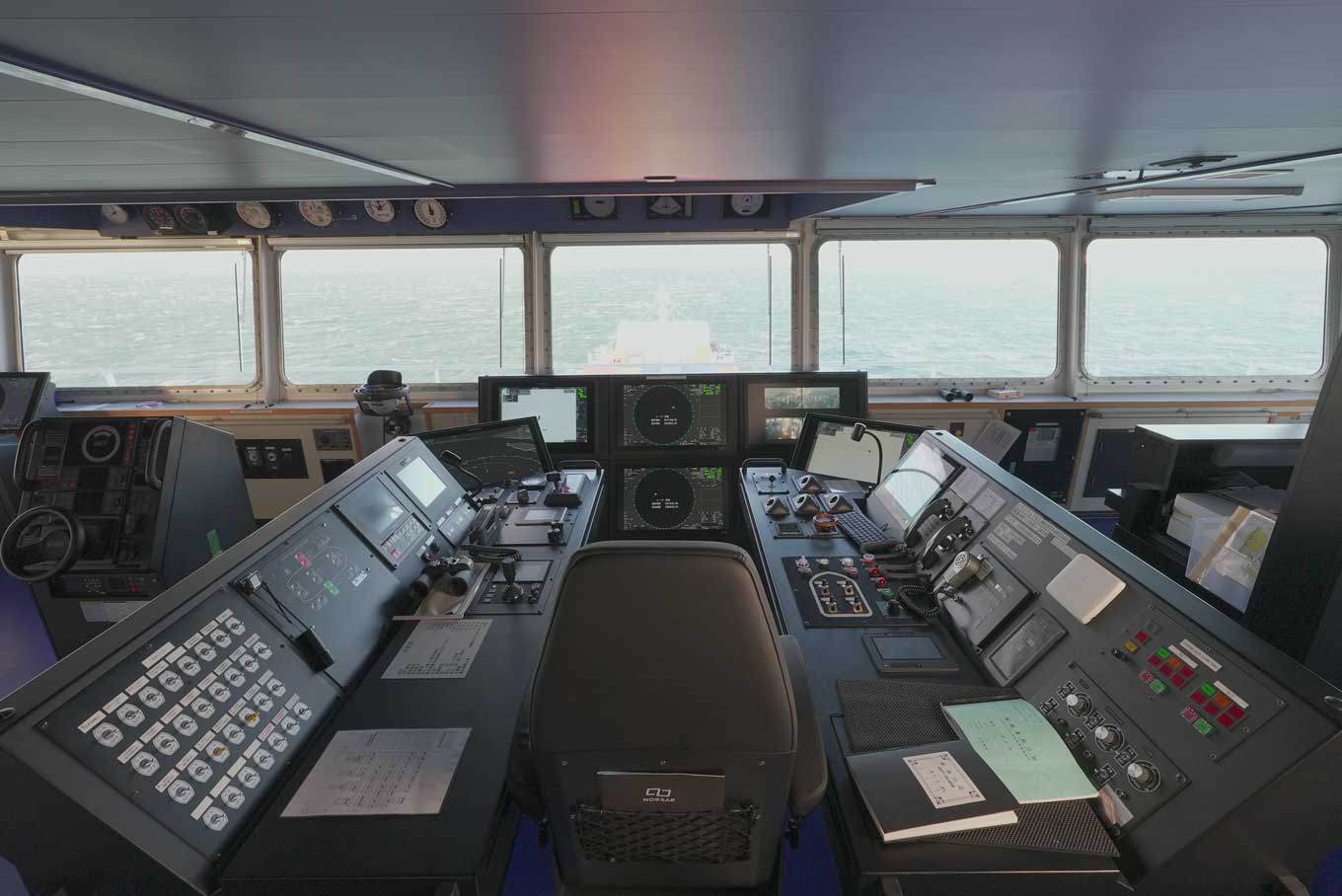
This governance architecture is critical to the project’s viability. Autonomous navigation systems can’t scale if unresolved questions of responsibility arise in the event of malfunctions, collisions, or cyber disruptions. Insurers must understand risk exposure, regulators must interpret existing maritime law, and operators must trust that standards will be recognized beyond national borders. MEGURI2040 creates a structured environment in which these uncertainties can be addressed collectively, not competitively.
Within this framework, philanthropic capital functions as catalytic finance. By absorbing early financial, legal, and reputational uncertainty, it reduces first-mover exposure and enables private-sector participation, thereby catalyzing the development of next-generation transportation infrastructure.
2. Autonomous navigation enters the market
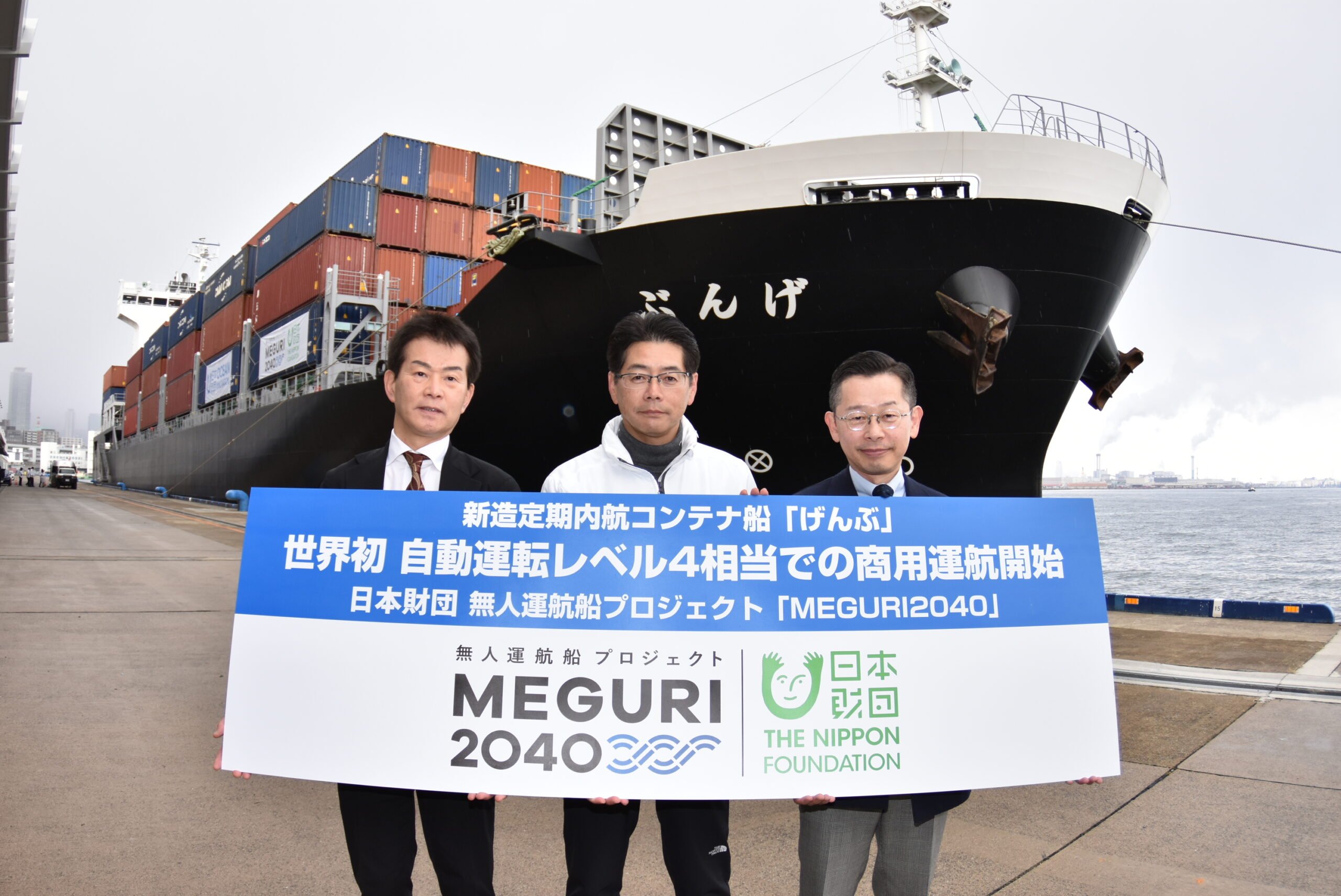
Of the four demonstration vessels participating in MEGURI2040, GENBU, a next-generation container ship, was purpose-designed and constructed for autonomous operation on commercial routes. Unlike retrofitted vessels used in earlier trials, the GENBU was engineered from inception to operate with autonomy equivalent to Level 4—high automation in which a vessel can independently manage navigation within defined operational boundaries, such as specific routes or mapped coastal corridors.
The vessel completed autonomous operation demonstration testing and obtained an autonomous navigation notation (AUTO-Nav2 (All)) from ClassNK on January 26, 2026, followed by inspection approval from the Ministry of Land, Infrastructure, Transport and Tourism on January 28. On January 30, 2026, the GENBU began regular commercial operations on a fixed cargo route, becoming the world’s first ship to carry general cargo under Level 4-equivalent autonomous navigation.
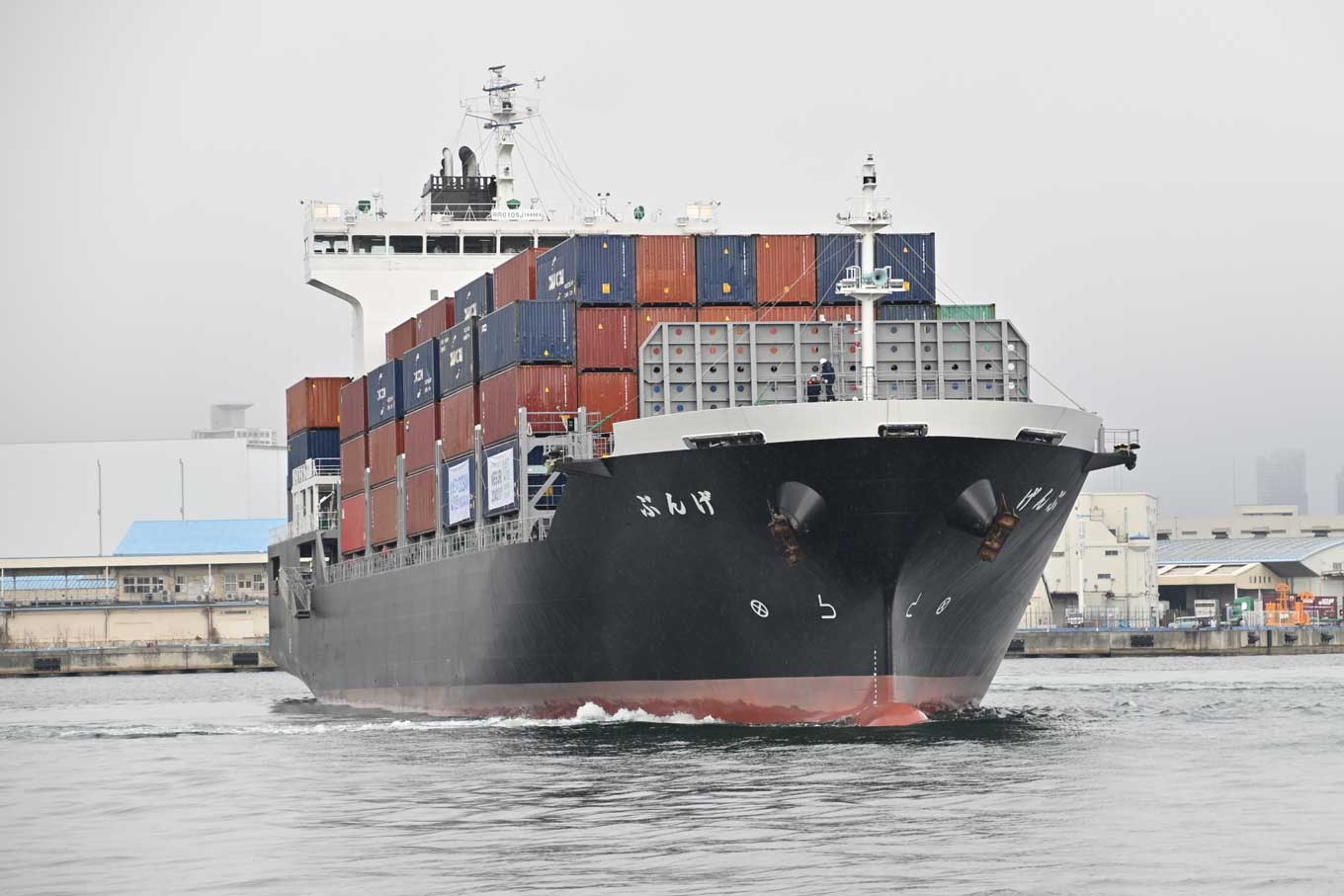
Its technological features include full automation across both the bridge and engine departments, as well as remote engine monitoring. Advanced situational awareness systems, combining cameras and radar, support navigation, while automated docking and undocking functions address some of the most technically demanding phases of vessel operation. These features are not add-ons; they are embedded in the design of this commercially operating ship.
The transition from experimental trials to regular commercial operation raises the stakes. Real cargo is moved. Insurance coverage must be secured. Certification and inspection occur within existing juridical frameworks. With the GENBU, autonomous shipping in Japan has evolved from controlled demonstrations to a fixed cargo route operating under real-world conditions.
MEGURI2040 has enabled autonomy to be tested under real market conditions. GENBU represents a technological milestone and, more importantly, proof of system viability.
3. Scaling autonomy across an ecosystem
MEGURI2040 is not a standalone experiment. Treating autonomy as a single product or flagship vessel would reproduce the very fragmentation the initiative attempts to overcome. Instead, the strategy adopts a portfolio approach, utilizing autonomous capabilities across multiple vessel types, including container ships, passenger vessels, and roll-on/roll-off (RO-RO) carriers, all operating in different conditions and use cases. This variation is a deliberate measure to generate a broad spectrum of data on navigation performance, crew interaction, liability exposure, and functional resilience throughout various environments. Autonomy must be capable of operating in congested coastal corridors, on longer inter-port routes, under adverse weather conditions, and in emergency scenarios. By experimenting across vessel categories and in multiple maritime contexts, the initiative accelerates learning and strengthens the evidence base for regulatory and commercial confidence.
Scaling autonomy is not solely a technical undertaking. While engineers advance the technology, the transition raises legitimate concerns among seafarers whose roles may evolve as autonomous systems expand. Managing this dimension of innovation is central to the Foundation’s approach. Alongside technological deployment, MEGURI2040 supports workforce adaptation—redefining maritime roles and developing training aligned with autonomous operations to ensure transition without displacement.
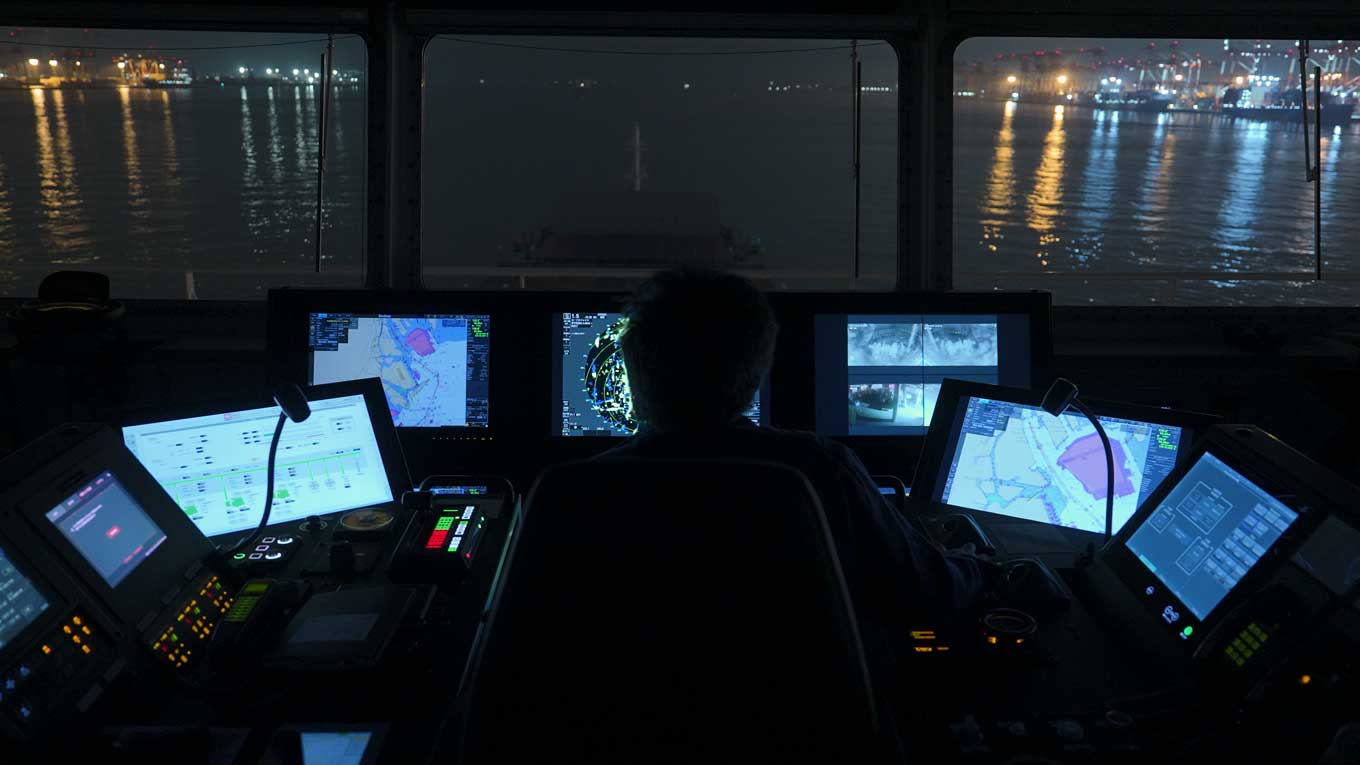
Fleet Operation Centers provide land-based monitoring, voyage optimization, anomaly detection, and coordinated disaster response for these unmanned vessels. Autonomy, in this model, redistributes oversight, shifting certain operational obligations from sea-based crews to shore. In doing so, the initiative reframes maritime employment as technologically advanced and future-oriented. Inspiring younger generations to view the sector as an emerging field—rather than a declining one—is part of sustaining long-term industry resilience.
Additionally, scaling autonomy across an ecosystem transforms rule-making from a downstream consequence into a core, foundational objective. The data generated through commercial operations feeds directly into domestic regulatory refinement and international standard-setting discussions. Japan has taken an active role within the International Maritime Organization (IMO) as global frameworks for Maritime Autonomous Surface Ships (MASS) evolve. Certification procedures developed through actual deployment strengthen assurance among insurers and financiers and establish cross-border legitimacy.
4. Who sets the rules for autonomous seas?
MEGURI2040 has set a goal for 50% of Japan’s coastal vessels to operate autonomously by 2040. This presents a multidimensional challenge that demands integrating engineering capabilities, statutory amendments, and social acceptance simultaneously.
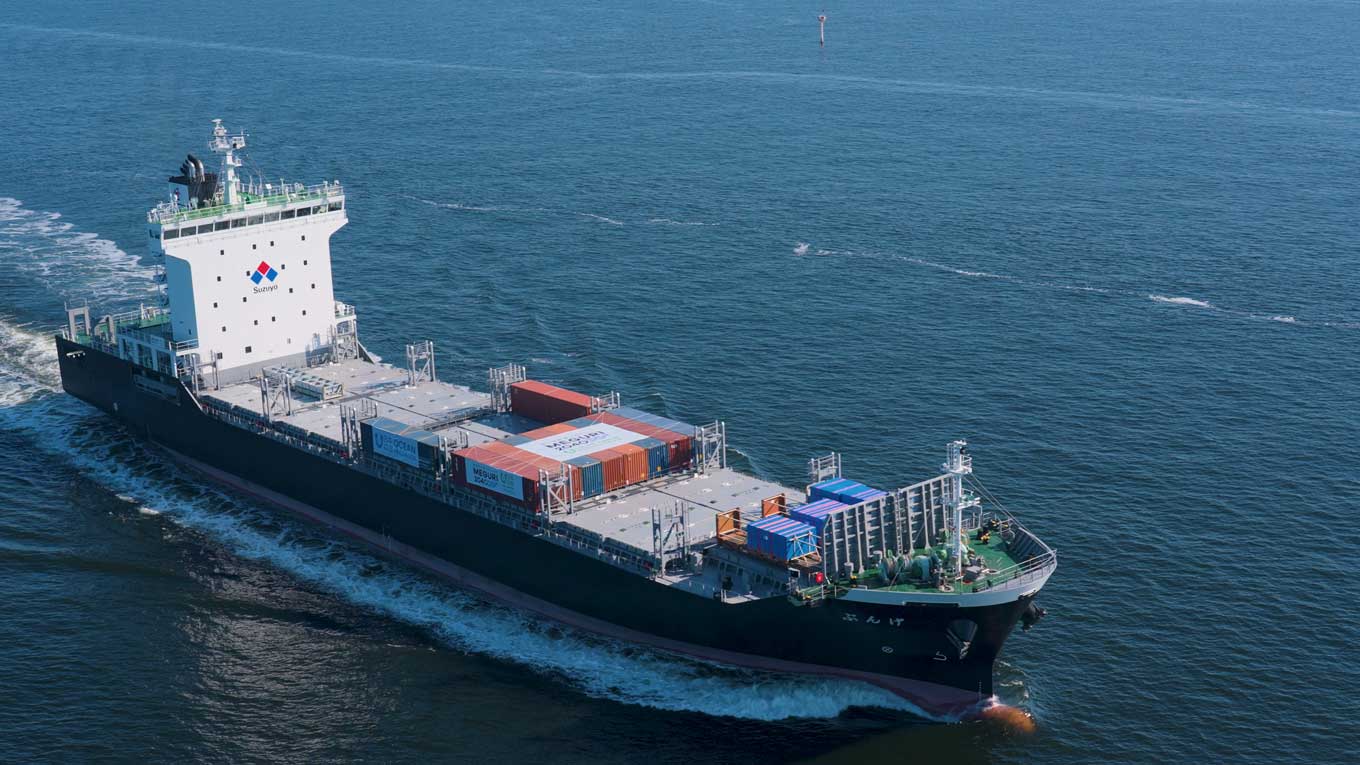
Vessels such as GENBU position autonomous shipping not only as domestic innovation but also as a reference point in shaping global maritime standards. In sectors as globally interconnected as shipping, technological leadership without regulatory influence risks marginalization. Standards, not prototypes, ultimately determine competitiveness and legitimacy.
MEGURI2040’s significance therefore extends beyond domestic deployment. By generating empirical data derived from vessels operating under real commercial conditions, Japan contributes practical evidence to discussions at the IMO while frameworks for MASS continue to evolve.
Classification and certification play a central role in this process. The assignment of a MASS notation by ClassNK signals to insurers, financiers, and international partners that autonomous operations can be assessed, audited, and governed within structured risk criteria. Without such certification, cross-border insurance coverage and project financing would remain constrained by uncertainty.
Through these advances, the initiative can move beyond national experimentation. Integrating commercial deployment, certification, and regulatory engagement positions Japan’s autonomous shipping industry as a site of international rule formation. The objective is not simply to operate autonomous vessels, but to shape the safety standards, liability frameworks, and financing norms that will determine how and where maritime autonomy scales globally.
5. Redesigning maritime systems
Japan’s autonomous shipping initiative is a live policy experiment. Its importance lies less in world-first engineering milestones than in the deliberate incorporation of technology, regulation, financing, and operations within a single coordinated framework. By moving from pilot demonstrations to commercially operating vessels embedded within existing legal structures, the initiative tests whether autonomy can function within, and gradually reshape, real institutional constraints.
This is not a blueprint to be replicated wholesale. Maritime systems differ across geographies, regulatory traditions, and labor markets. What is transferable is the method: aligning stakeholders across industry, government, and finance; generating empirical data through commercial deployment; and using that evidence to shape regulatory evolution. In environments where market incentives alone do not justify early-stage exposure, catalytic finance can absorb first-of-kind risk and invest in shared governance infrastructure, allowing technological development to proceed within established institutional frameworks.
In practical terms, the implications extend beyond technological validation. By reducing strain on seafarers, narrowing the margin for human error, and stabilizing coastal logistics—including routes that sustain Japan’s remote islands—the initiative addresses urgent domestic pressures while strengthening long-term industry competitiveness. The work does not conclude with a single deployment; continued collaboration and innovation through MEGURI2040 aim to ensure that maritime systems evolve safely and sustainably. Ultimately, the ambition is intergenerational: to pass forward a maritime domain that remains economically resilient, operationally safe, and open to new possibilities.
Text: The Nippon Foundation Journal Editing Department
Related Themes
Related Link
Related Articles
From Streets to the Sea: How The Nippon Foundation Turns Cleanup into a National Movement
Field Notes