Restoring Access to Education for the Deaf and Hard of Hearing PeopleThe Nippon Foundation’s long-term approach to deaf education in Southeast Asia
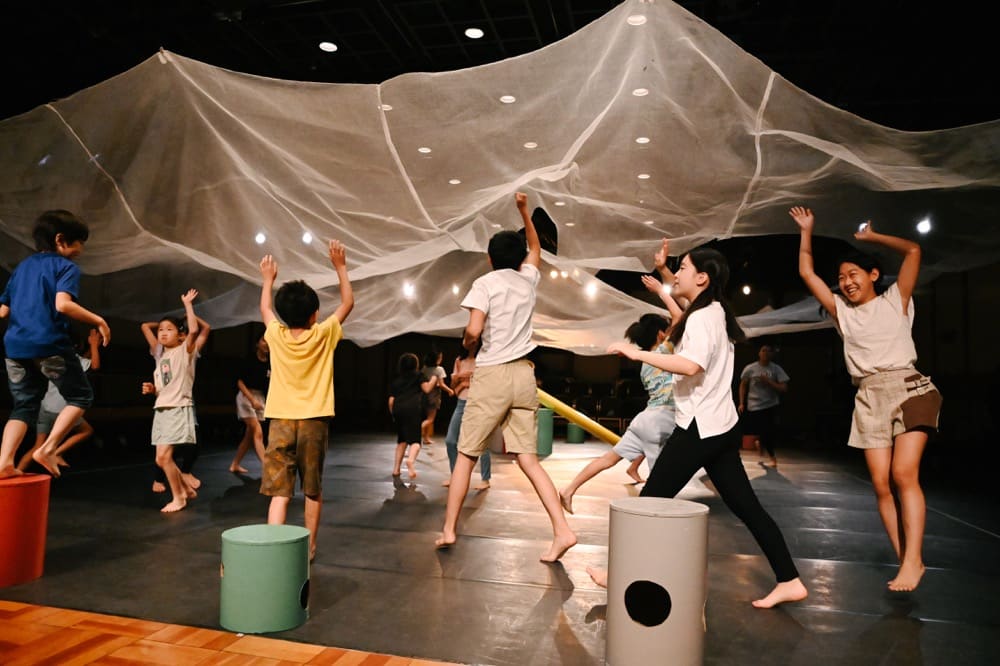
Hearing people gain a great deal of information through interactions that do not directly involve them.
Ikumi Kawamata is describing the way children absorb language not only through formal instruction, but also from the world around them, in what could be imagined as an invisible classroom of everyday interactions. She gained this insight only after entering an environment in which her primary language, sign language, was used. Now coordinating deaf education initiatives in Southeast Asia, she emphasizes the role language plays in development.
“Language is how children understand others, express their thoughts, and learn,” Ms. Kawamata says.“They also learn simply by observing conversations around them, even when they are not directly involved. Without full access to language, their ability to grow, reason, and participate in society can be limited.”
Many deaf children, however, grow up not only without access to classroom learning, which is often delivered through spoken language, but also to that invisible classroom.
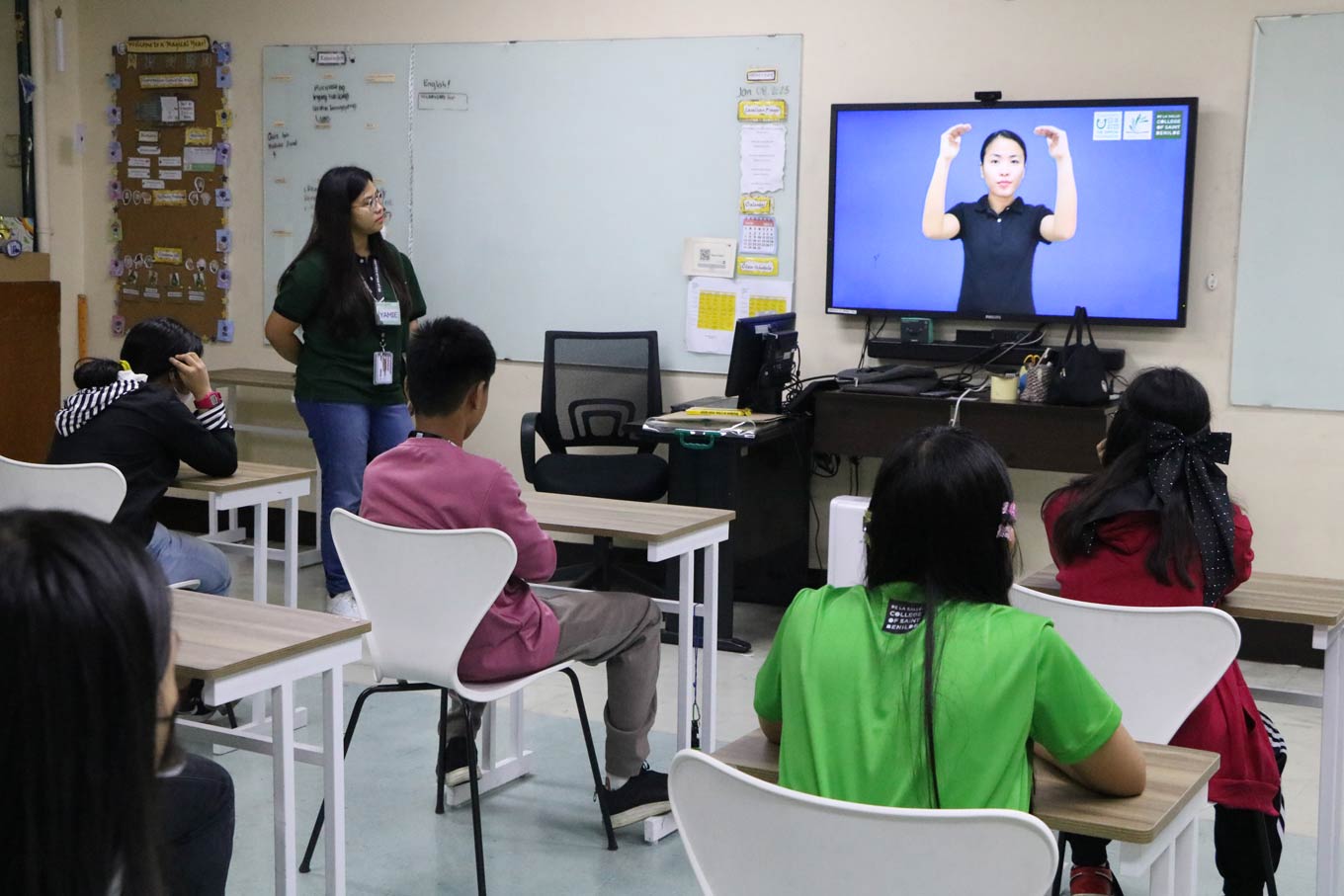
Recognizing that sign language is the natural first language of deaf and many hard of hearing people and that access to language is fundamental for every child’ s wellbeing, The Nippon Foundation has been supporting the Deaf community across the Asia-Pacific region through research in sign-language linguistics, the development of dictionaries and educational materials, and the promotion of bilingual deaf education.
Rather than providing short-term solutions, The Foundation has a long-term vision to nurture people within deaf communities to become leaders who can sustain change, with the goal that educational models will eventually operate independently.
During her university years in the United States, Ms. Kawamata met Deaf professionals who were living with pride in who they were and working in sign language as lawyers, doctors, academics and writers. “University was where my thinking really changed,” she says. “Seeing Deaf people living and working through sign language made me realize that I, too, could live that way — and that sign language is not a limitation, but something that can enable social contribution.”

Challenging old assumptions
Historically, deaf education in many countries emphasized speech-only instruction while discouraging the use of sign language. This was the prevailing approach in Vietnam in the 1990s.
At the time, leaders in expanding deaf education in Vietnam believed that providing hearing aids to deaf children would be sufficient support, despite knowing that hearing aids do not work for all types of deafness. Teachers were not expected to be fluent in sign language, and deaf teachers were rarely placed in leadership roles. These views were often held in what officials believed to be the best interests of deaf students (Woodward & Lee, p. 27).
Ms. Kawamata sees this not simply as a limitation of the system, but as a question of responsibility. “If people with disabilities are unable to learn under current conditions, then it is society’s responsibility to create an environment where they can stand on equal footing with everyone else,” she says. “I see that as a matter of rights. At the same time, I also believe that we as stakeholders have a responsibility not to leave everything to society, but to communicate what is needed and work together to create change.”
It was within this context that the Dong Nai Project emerged as a practical response, as documented in A Report on Asia-Pacific Projects by James C. Woodward and Jafi Lee.
The initiative was proposed to The Nippon Foundation in 1999 to provide higher education, at a time when only one school in the country provided junior high school education education for deaf students and fewer than 3 percent of deaf adults aged 25 to 35 in Vietnam had attended school.
A new approach
The groundwork for this effort began earlier. In 1996, The Nippon Foundation launched the World Deaf Leadership (WDL) program, providing funding through Gallaudet University to support leadership development and higher education opportunities for deaf communities internationally. One of the first implementation sites was Thailand, where a university program for deaf students was being developed. This project became a proof of concept: deaf students could succeed in higher education when sign language and interpretation support were available.
While working in Thailand in the late 1990s, linguist James C. Woodward and Vietnamese educator Nguyen Thi Hoa began exploring whether a similar model could work in Vietnam. They initially approached Vietnam’s Ministry of Education and Training, but the ministry rejected the proposal, arguing that deaf students were unlikely to succeed beyond elementary school and that Vietnamese sign languages lacked the vocabulary needed for higher education (Woodward & Lee, p. 28).
Instead of abandoning the idea, Woodward and Nguyen turned to Dong Nai Province. With financial backing from The Nippon Foundation, the first Dong Nai Project launched in 2000 at Lac Hong University in Bien Hoa despite institutional resistance. The project would go on to introduce bilingual education using Vietnamese sign language and written Vietnamese, create training programs for sign-language teachers and interpreters, and open pathways to secondary and university education for deaf students.
The first Dong Nai Project (2000–2011) built a foundation by creating certification programs in sign language analysis, teaching, and interpretation. When the program began, Vietnam’s average per capita income was around US$300 per year, making it impossible for most deaf students to cover tuition, housing, or travel costs. Scholarships provided by the project therefore supported students’ education and travel to Dong Nai from across the country (Woodward & Lee, p. 32).
However, even as results began to appear, skepticism toward sign language persisted. Some educators believed that students who could not speak clearly would struggle to succeed and that learning sign language might hinder speech development (Woodward & Lee, p. 34).
The second Dong Nai Project (2012–2020) expanded the system further, focusing on higher education and teacher development. Progress was not always smooth. Between 2013 and 2018, several training programs had to be suspended because qualified sign-language teacher trainers were unable to travel to Vietnam. In some years, courses in sign-language analysis and interpretation were also paused. The situation was compounded in 2019, with school closures and limited access to computers and internet preventing many students from participating in remote instruction (Woodward & Lee, pp. 91–93, 100, 103).
Today, Ms. Kawamata coordinates similar initiatives across Southeast Asia, working with educators and deaf leaders who emerged from programs like Dong Nai.
A foundation that lasts
Across both phases of the Dong Nai Project, 178 students completed certification in sign-language analysis, including 113 who earned Level 1 certification and six who advanced to Level 2. An additional 16 students completed certification in sign-language teaching and 15 completed interpreter training. The program also trained 10 hearing sign-language interpreters, expanding communication access between deaf and hearing communities (Woodward & Lee, pp. 110–112).
Beyond certificate training, the project also opened pathways into higher education: 32 deaf students went on to earn bachelor’s degrees and become teachers, helping expand deaf education programs for the next generation (Woodward & Lee, p. 114).
The Dong Nai Project gradually built an ecosystem—training linguists, teachers, interpreters and Deaf educators—transforming what began as a pilot initiative into a sustainable educational pipeline.
“Even individuals who are typically in a position to receive support can become the ones who support others when the right environment is in place,” Ms. Kawamata says.
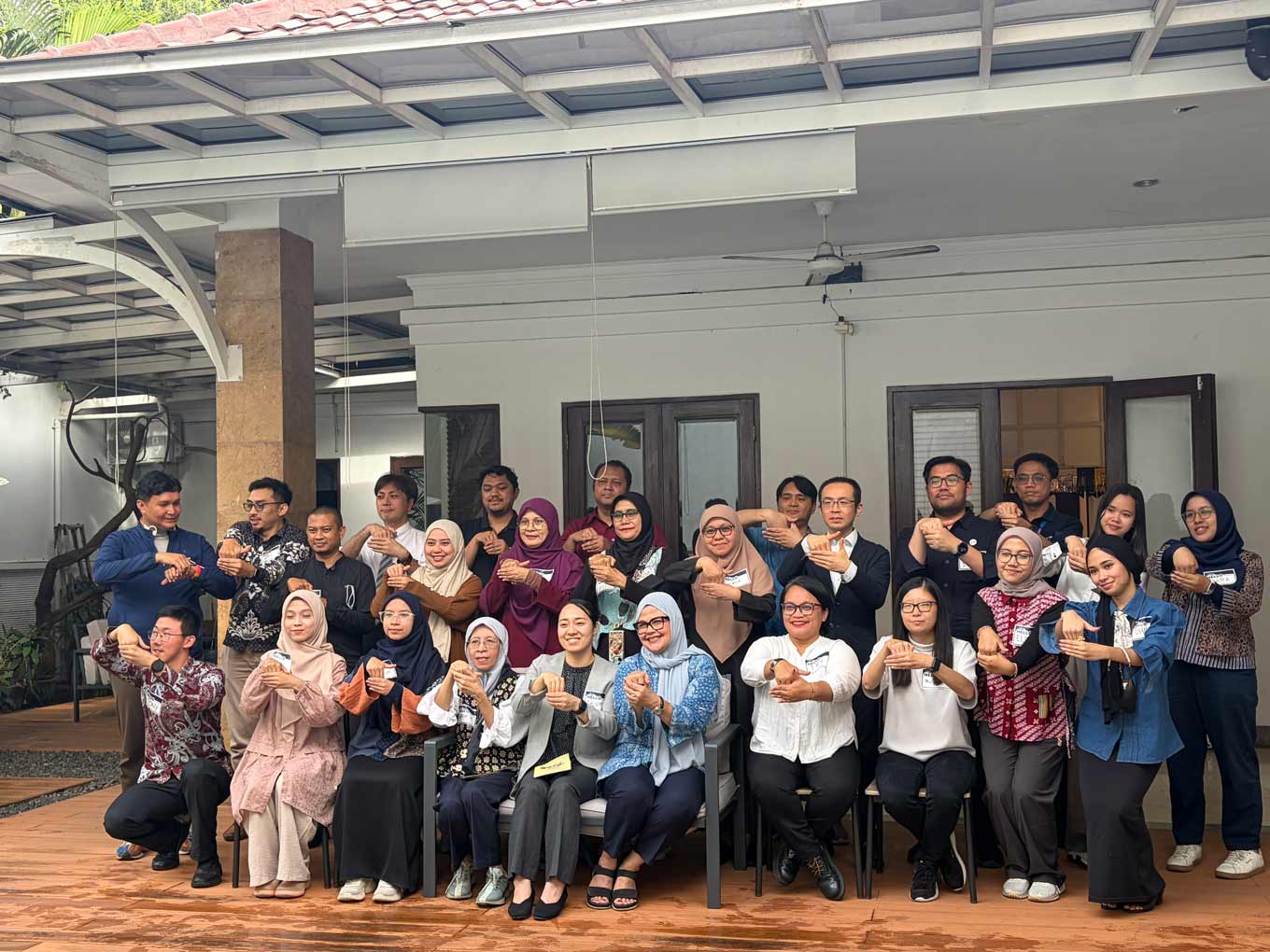
While the Dong Nai Project in Vietnam has reached its conclusion, its legacy continues to expand. Drawing on the experience and human resources cultivated through the project, similar initiatives have recently been launched in the Philippines, Laos, and Indonesia, signaling a new phase of regional development in deaf education.
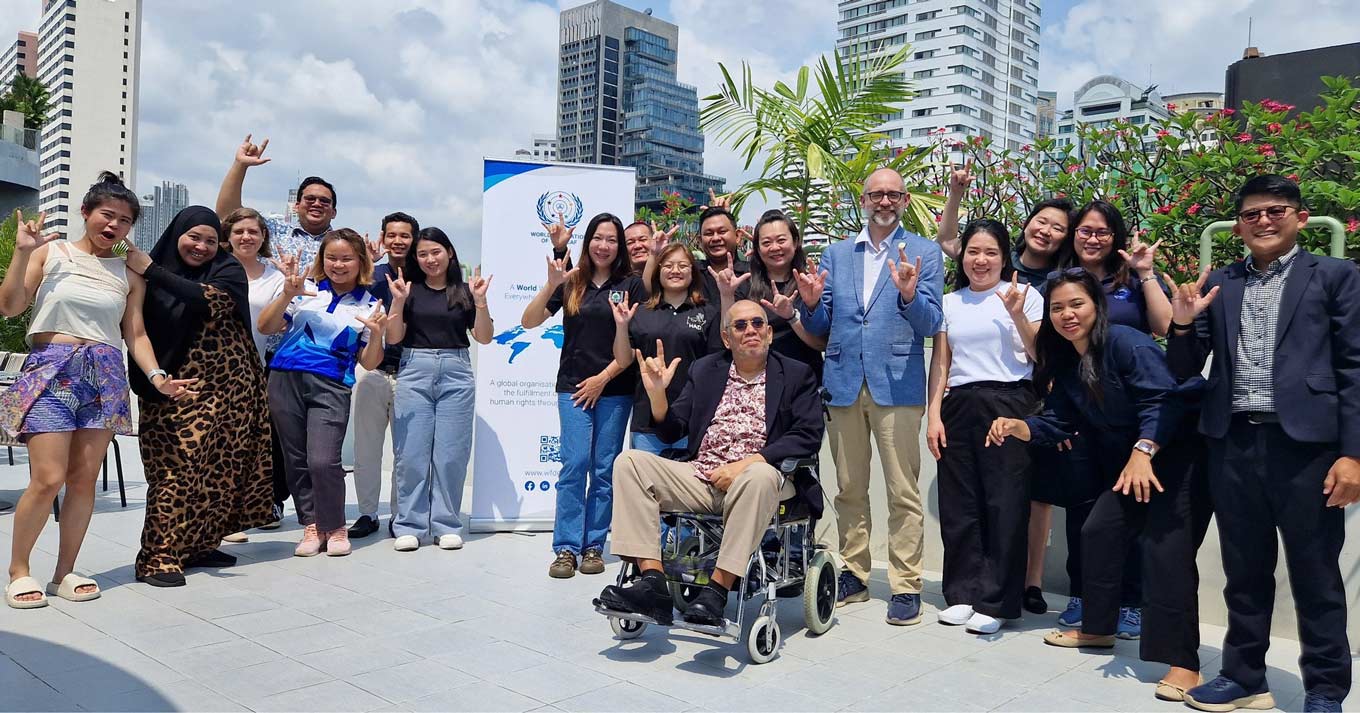
At international sign-language-related events, she frequently meets The Nippon Foundation scholarship recipients and project beneficiaries who, like herself having been a recipient of The Foundation’s Overseas Study Scholarship for the Deaf, have returned to their home countries to assume leadership roles.
“Seeing them implement the initiatives their countries truly need demonstrates the measurable results of human resource development,” she says.
Text: The Nippon Foundation Journal Editing Department