From Smelly and Dirty to Japan’s Cleanest!Public toilet cleaning professionals share their thoughts on the secret to cleanliness

Key Points
- Many people have a negative impression of the public toilets found in parks and along footpaths, describing them as “dirty,” “smelly,” or “dark.”
- OPT is a team that cleans public toilets in the town of Okutama, Tokyo. They strive to boost the image of public toilets, with approaches such as directly scrubbing the floor on their knees and greeting toilet users.
- Simply cleaning will only do so much to keep a public toilet truly shining. The key is for people who use it to be mindful of other users.
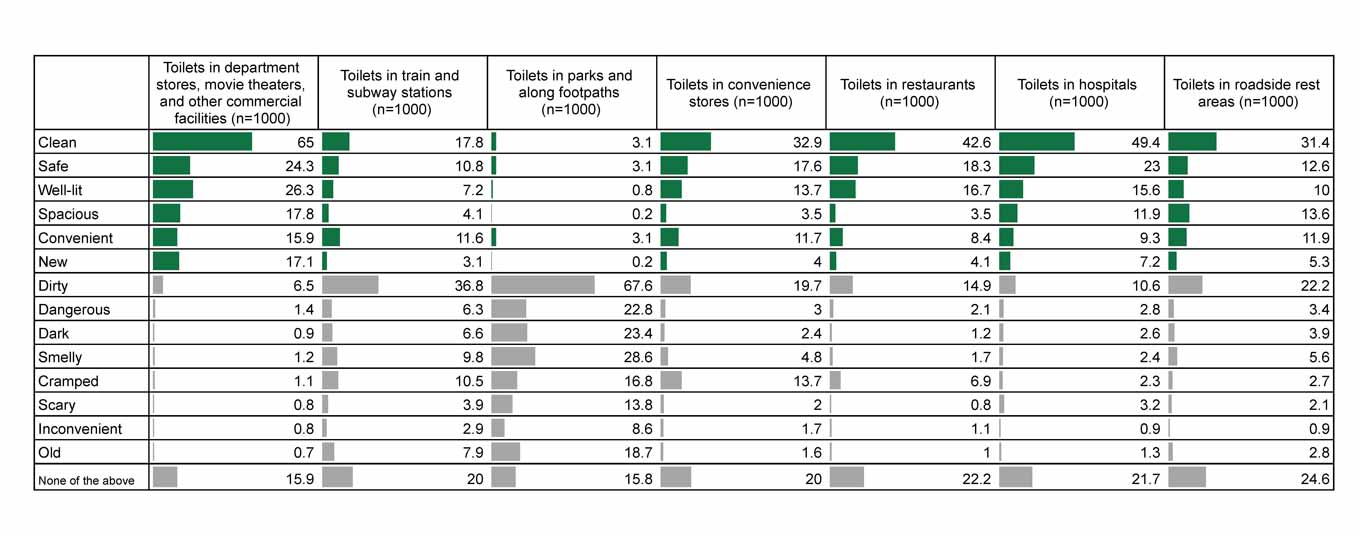
What kind of image pops into your head when you hear the words “public toilet”? Responses to the Awareness Survey of 18-Year-Olds (open in a new tab, in Japanese) conducted by The Nippon Foundation in 2021 show that particularly the public toilets found in parks and along footpaths are for many people associated with negative images such as “dirty” (67.6%), “dangerous” (22.8%), “dark” (23.4%), and “smelly” (28.6%).
THE TOKYO TOILET project (open in a new tab, in Japanese) was launched by The Nippon Foundation in 2018, with the aim of making public toilets into spaces that are comfortable for everyone to use, regardless of gender, age, or disability.
With the cooperation of the Shibuya City government (Tokyo), the project renovated 17 public toilets across Shibuya, with outstanding designs and functional features created by 16 globally recognized architects and designers. Effort has also been invested in cleaning and maintenance, which redirects back to society the question of what public toilets should look like in the future.*
- The Nippon Foundation handed over the project to the Shibuya City government in June 2023, and all operations including maintenance management were transferred to Shibuya City in April 2024.
Even before that project had begun, various media were already picking up on the story of a group that had started using thorough cleaning and innovative ideas to restore life to the neglected public toilets intended for tourists in Okutama, a rural town at the far western edge of Tokyo. This team of cleaning experts go by the name OPT (external link, in Japanese), which stands for “Okutama Pika-Pika Toilet”—representing their mission to make Okutama’s toilets “shiny and clean” (pika-pika).
When Tomoyuki Oi, who heads up OPT, first started out in around 2017, the public toilets in Okutama are said to have been extremely dirty and foul-smelling. Mr. Oi himself also had an entirely negative image of toilet cleaning staff.
However, for Mr. Oi, the catalyst for change was when his daughter came home crying because she had been teased by other children for having a father who worked as a toilet cleaner. A switch was flipped and he became instantly motivated to show them he could become Japan’s “coolest” toilet cleaner.
The uncharacteristic sight of stylishly dressed toilet cleaners scrubbing the floors on their hands and knees came as a shock to many. The perfectly cleaned toilets were also completely transformed.
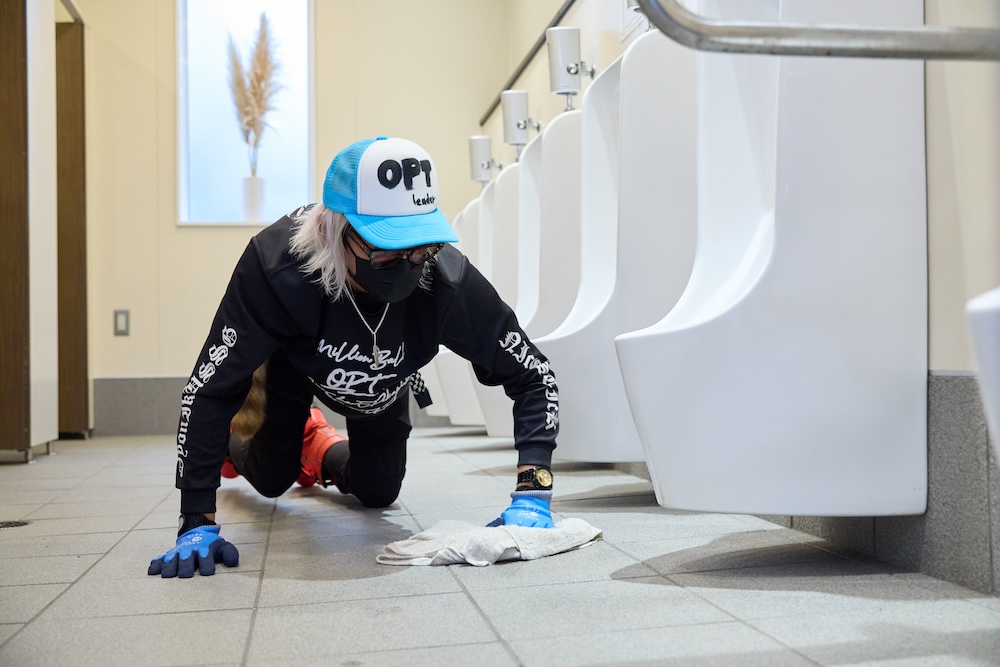
We spoke to Mr. Oi and an OPT member, who goes by the name “Mint,” about where the passion they dedicate to cleaning public toilets comes from and what can be done to make public toilets into spaces that everyone can use with comfort and peace of mind.
Desire to show one’s cool side sparked the fire for toilet cleaning
The Nippon Foundation Journal Editing Department: Please tell us the story behind you forming OPT.
Tomoyuki Oi: The OPT team is affiliated with a company called Okutama Sogo Kaihatsu. I originally joined the company after being interviewed for a different job, so I never imagined that I would end up cleaning toilets.
But around 2017, the company became involved in a project to clean the toilets of Okutama in preparation for the Tokyo Olympics, and I was asked to take charge of that work. I am a clean freak and, to be honest, back then knew only negative stereotypes of toilet cleaners, so I put off giving my answer, but, before I knew it, I was responsible for my company’s part in the project [laughs].

Journal: What state were Okutama’s toilets in when you first started cleaning them?
Oi: They really were terrible. We could smell the bad odor even from outside the building, and inside we were struck by a stench of ammonia — the kind that makes your eyes burn. Inside the toilet bowls, feces, dead leaves, and toilet paper had formed layers almost like mille-feuille pastry. It really was like a scene from hell.
In the early days after starting that job, I lost my appetite and lost weight — as much as eight kilos at one point. My family didn’t want me to stay in that job, and I also had the feeling that I wouldn’t be able to keep going.
Journal: How did you get from there to the initiatives you are pursuing now?
Oi: At one point, my daughter came home crying because other children had been making fun of my job. The children who had been teasing her were still very young, so I don’t think they meant any harm. But looking back on it, I had all the ingredients to quit: the loss of appetite, the emotional strain, opposition from my family, and my daughter crying…
And yet, it was like a switch flipped in me in the other direction, and I decided to show them that I could be the “coolest” toilet cleaner in Japan. I became determined to turn all the negative stereotypes of toilet cleaners — dirty, smelly, uncool, scary, unattractive — on their heads.
I realized that if we managed to become Japan’s coolest toilet cleaners, we would probably receive coverage on television or in the newspaper. So, I picked out a name for the team and that was the start of OPT. We have also created stylish uniforms and made a team song. We feel our way through a process of trial and error.
Journal: Do you think that the desire not to see your daughter in tears was the major source of motivation that flipped that switch for you?
Oi: No, not at all. Even now, I have never done a job for someone else, such as working for the sake of my family, company, or town. I feel like I am simply driven by the urge to do something cool.
Mint: I’m not so sure about that… [laughs]. I mean, you go so far as to cut the grass outside the toilet or clean on top of the roof, despite not having been asked to. For me, as an outside observer, it certainly looks like you are working for the sake of others.

Journal: Is that right? [laughs]
Oi: I guess the thing is that if you are working in a way that allows you to be cool, you will ultimately make someone happy [laughs]. My fundamental approach is to present my cool side.
Cleaning is not enough to keep toilets shiny and clean
Journal: You described the pretty terrible state that Okutama’s public toilets for tourists were in when you first founded OPT. What did you do to transform them from that state to the beautifully clean toilets they are today?
Oi: It wasn’t as if I knew much about cleaning, so I did all kinds of research on my own. Around that time, work was starting on refurbishing the toilets in Okutama in preparation for the Tokyo Olympics, but I chose a few places that were really dirty and made them into a kind of laboratory for testing things out. I carried out practical experiments to see which combination of cleaning products would successfully tackle the truly stubborn dirt.
The toilets in the mountains are directly at nature’s mercy, such as the wind and rain, and as people who have been walking in the dirt come into the toilet the floor becomes stained by the dirt. Fallen leaves also find their way inside. Each toilet has its own unique kind of dirt, so I was doing research in my lab to help me tackle it.
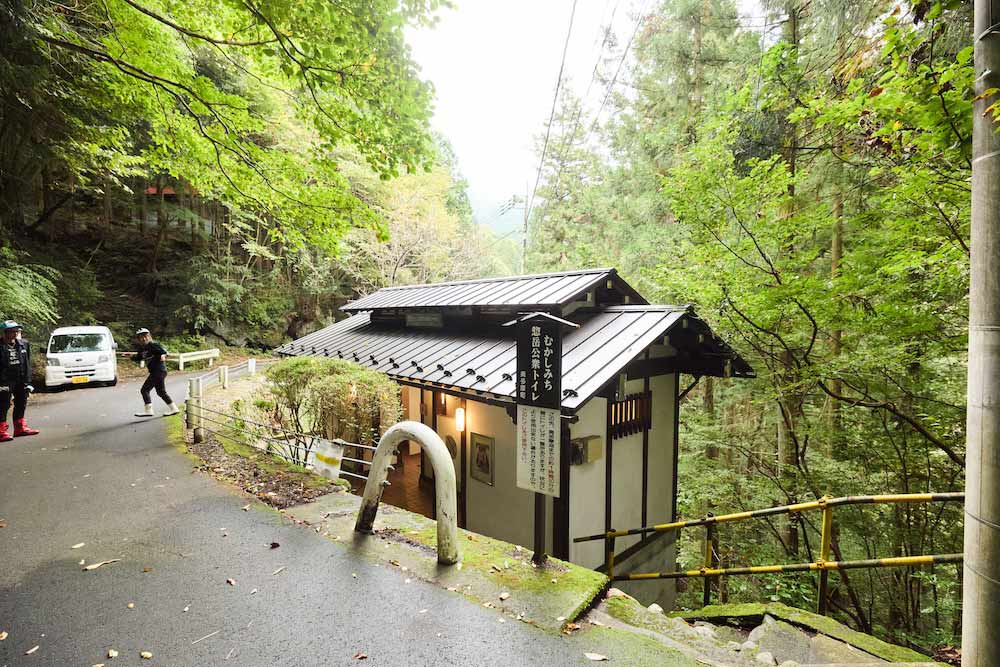
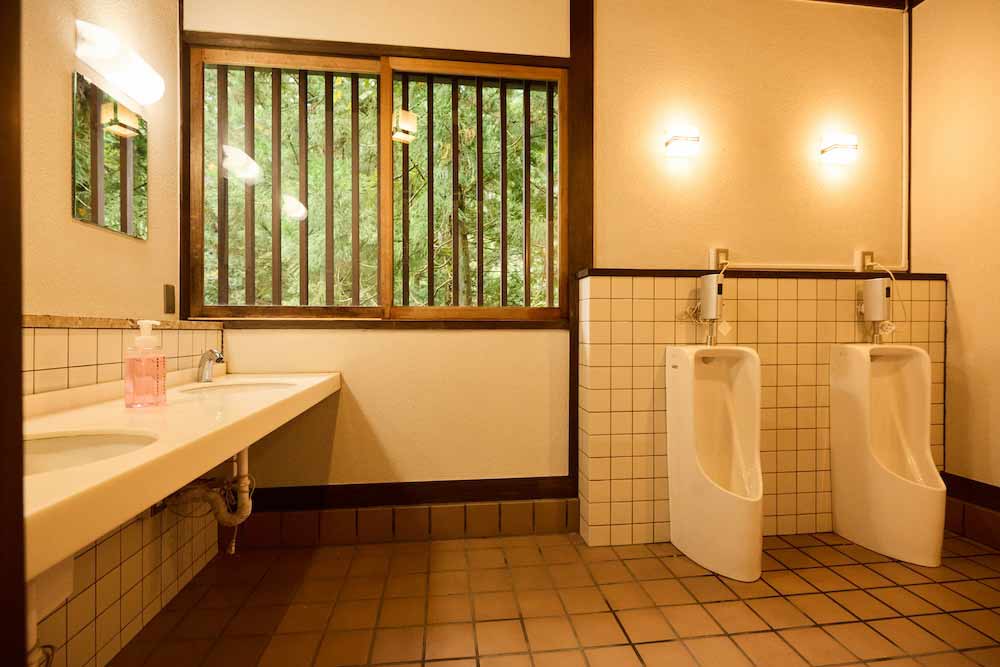
Journal: What kinds of responses have you had from people about the toilets now being so clean?
Oi: All kinds of people out and about in Okutama have said that they feel comfortable using the toilets now that they are clean and no longer so smelly. This motivated me even more.
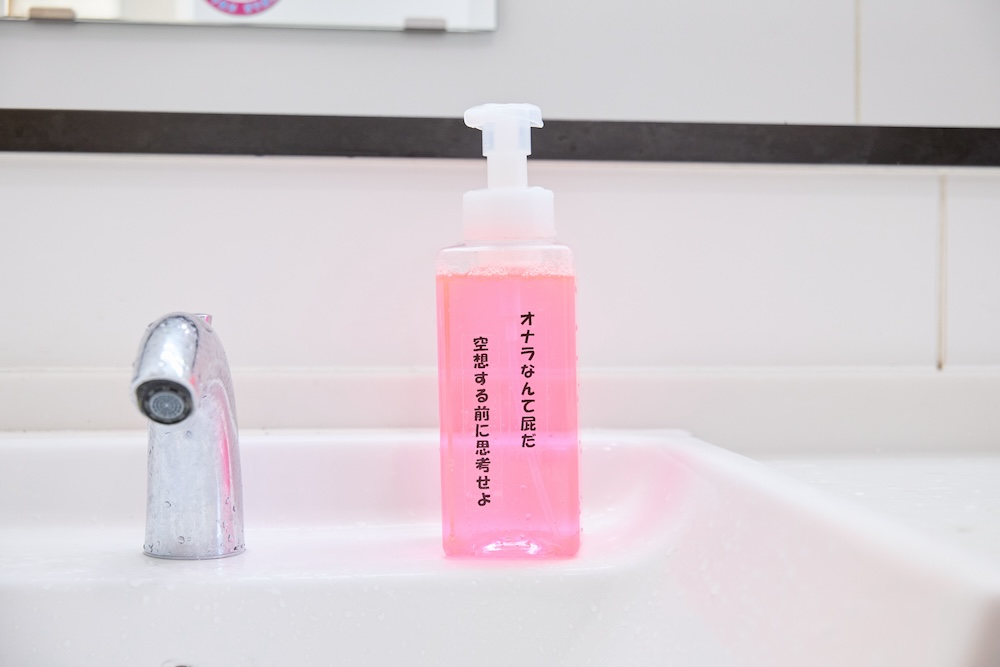
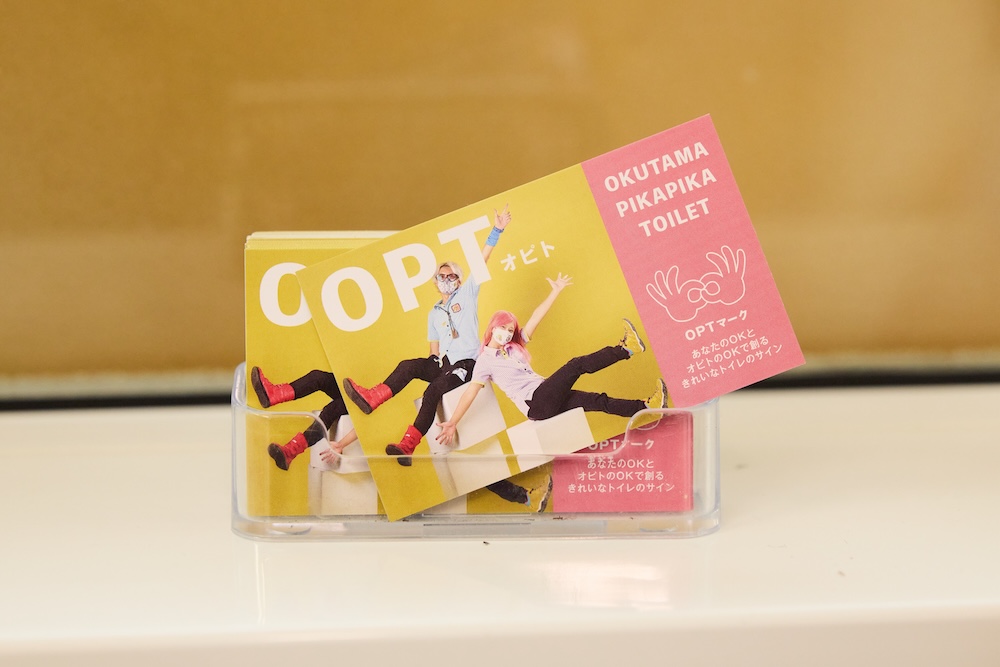
Oi: But to be honest, it is not so much taking an incredibly dirty toilet and making it clean but maintaining that cleanliness that is really difficult. That is to say, as going from dirty to clean is a big change, it is easy for both those cleaning and those looking at the toilet to appreciate that it has become clean.
In contrast, when it comes to keeping the toilets clean, however much you clean, if the first person to use it afterward makes it dirty, it will go straight back to its former dirty state. In the process of cleaning the toilets, I realized that it is necessary to urge those who use it to keep it clean as they do so.
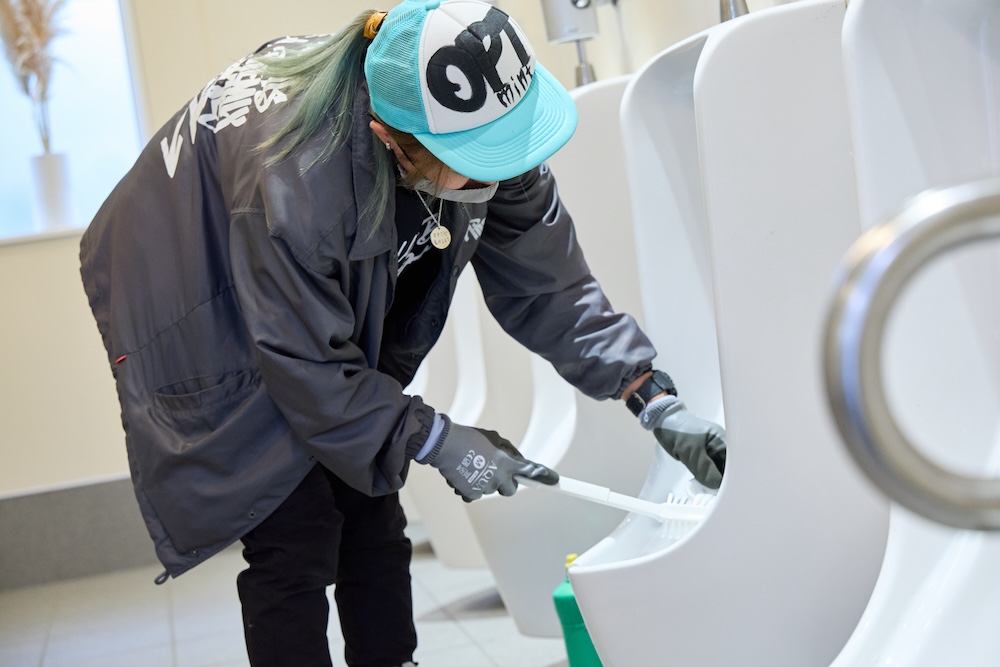
Journal: What specific approaches do you use to urge people to keep the toilets clean?
Oi: We make sure they see us down on our hands and knees scrubbing the places clean [laughs]. We OPT team members don’t really use tools like large cleaning devices or mops or brushes with long handles. Instead, we get on our knees and scrub by hand. I am sure that when people see us scrubbing every last tile and groove like that, they are careful not to get it dirty.
Mint: We also make a point of greeting people who come in to use the toilet, with a “thank you” or “have a nice day.” This is our way of saying “thank you for visiting Okutama” or “thank you for keeping the toilets clean.” When we do this, I get the feeling that they become our allies and more of them want to be careful to keep the toilets clean.
Oi: Most of the people who visit Okutama have had a roughly two-hour train ride from central Tokyo, and the first facility they use upon arriving is a public toilet that we clean. I imagine many people are busy with the day-to-day and there are also people who just happen to be in a bad mood, but there are many people who are ill-tempered even when we greet them when they have entered the toilet.
But even people like that will thank us or compliment us on how clean the toilet is once they have used it. The fact that it has become a space for such spontaneous communication makes me genuinely happy.
Journal: That is lovely. You and your team really are doing a lot to eradicate the negative stereotypes of public toilets and toilet cleaners.
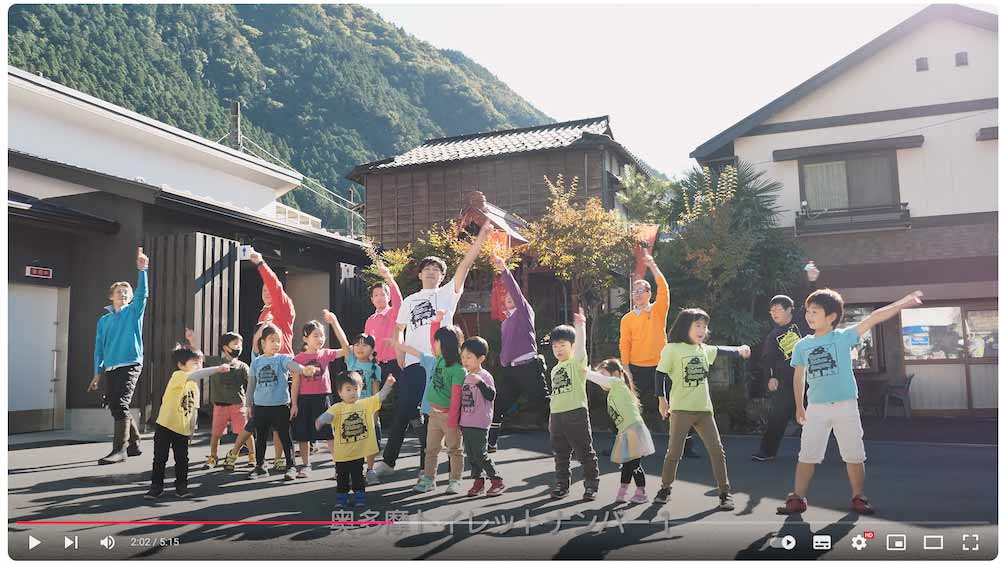
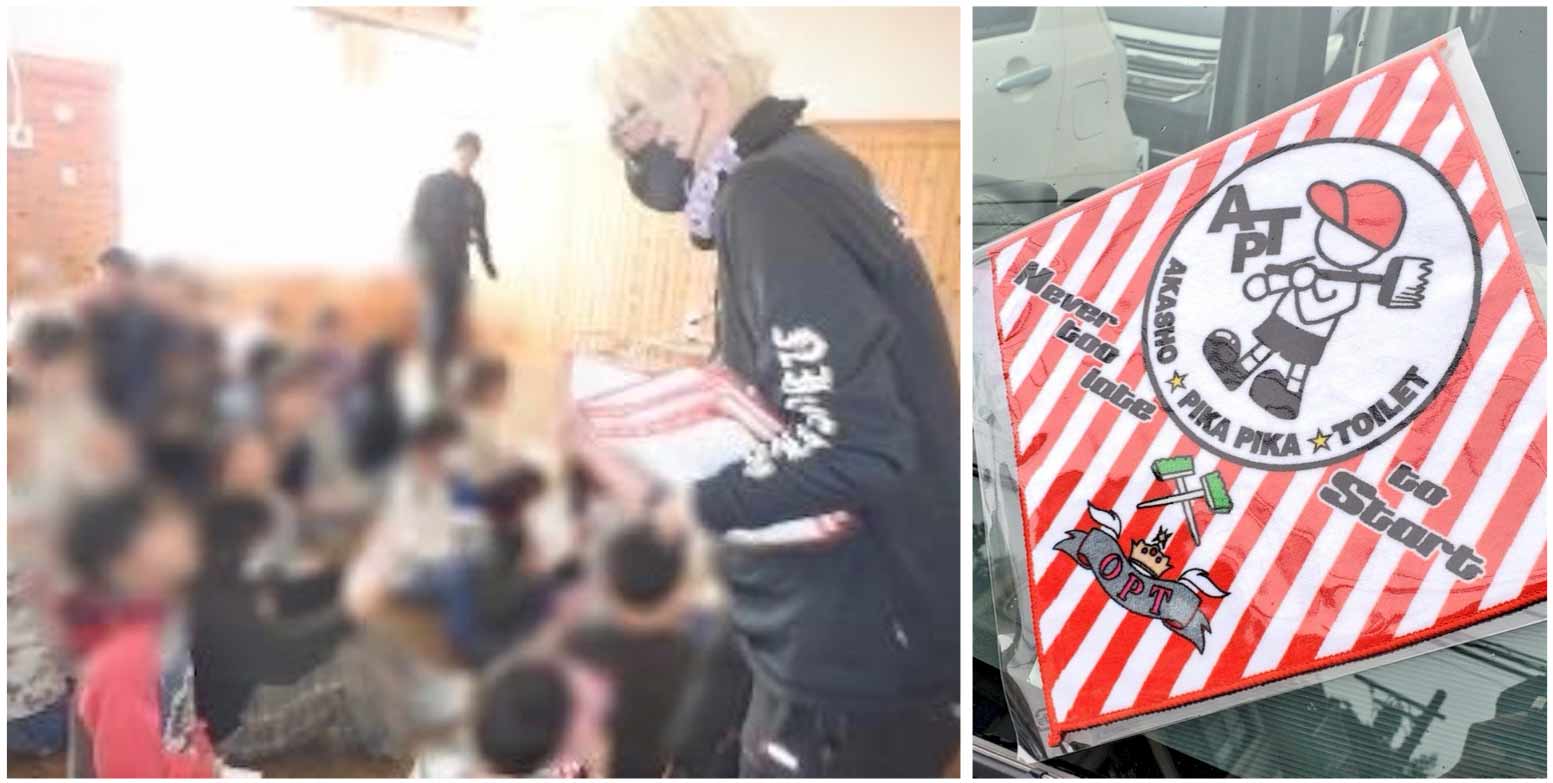
Oi: Yes, we have been up to a number of things. We have even created an OPT theme song and put it out on You Tube (external link, in Japanese / video). We had the local children perform in the music video for the theme song.
My fundamental desire is for the children of Okutama to like us and to express our gratitude to them. I am where I am today because those children made fun of my job, so I am keen to become the kind of toilet cleaner that is popular with the children.
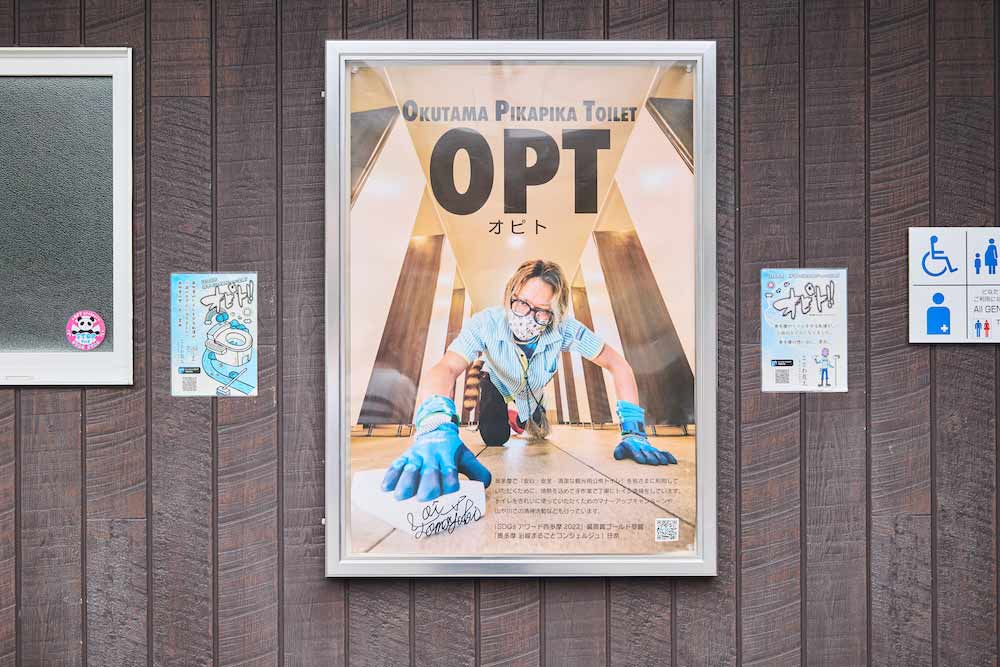
Mint: We have also put up a poster of Mr. Oi in front of every toilet we are responsible for, as a means of tackling the stereotypes of toilet cleaners. Toilet cleaners tend to blend into the background, don’t they? Instead, we use the posters to show our faces and give people the sense of the people directly involved.
Journal: Of the positive feedback that you have received so far, what made the biggest impression?
Mint: We got a message from elementary school children in Osaka, asking us how to get their toilets clean, and an exchange of messages started. They told us that their school toilets were old and truly dirty, to the extent that many children were struggling to concentrate in classes because they were holding back despite needing to go to the toilet.
We communicated with them via email and online tools for around six months about cleaning methods and how to use the toilet and they often told us we should come and visit them in Osaka.
But it is a bit too far away to simply go there, and with having to organize the timing and various other issues, we couldn’t really find the chance to go.
Oi: But I felt determined not to brush off their wish and decided to go there in March 2024 without organizing an appointment in advance. They had been constantly asking us to come, and I wanted to show them that those kinds of wishes can be fulfilled.
Despite me visiting them out of the blue, I was welcomed enthusiastically, which made me really happy. We are still in contact with them now.
The importance of keeping the next toilet user in mind
Journal: What can each one of us do toward solving the difficult challenge of keeping public toilets clean?
Oi: Naturally, I think that is for every one of us to envisage the next person as we use the toilet. Perhaps owing to the nature of Okutama’s location, recently more and more visitors who have barbecued bring their rubbish to the toilets to throw away after they are finished. It is a real problem.
The other message we have for everyone is about something people do inadvertently when using the toilet that is actually a major reason why the toilet becomes dirty.
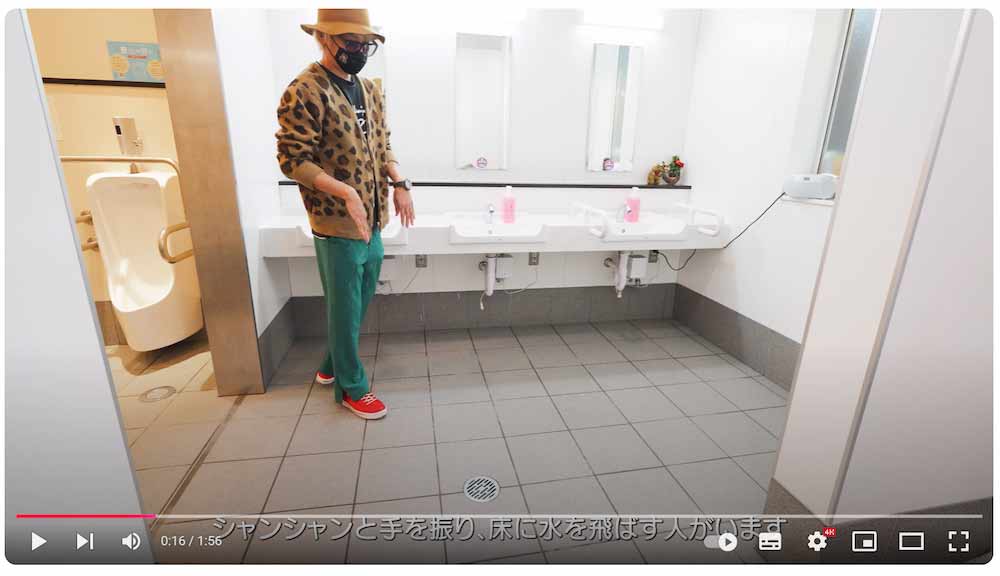
It mainly happens in the men’s toilets. It is when people shake their hands after washing them, flicking water onto the floor. When people do this, the water gets on the soles of their shoes, leaving wet footprints all the way to the urinals and toilet stalls. It creates a vicious cycle — because the wet patches on the floor look like urine, people try to avoid stepping on them by keeping their distance from the urinal or toilet bowl when they use it, and in turn the toilet quickly becomes dirty. We gave this behavior the name “shan shan,” which imitates the sound flicking the hands.
If we all just had a small hand towel with us when we went to the toilet, we could significantly improve the state of the toilet. Let us start with such simple steps.
Editor’s Note
We spoke to Mr. Oi and Mint from OPT, who were among the first to seek clues toward solving the rather difficult challenge of keeping public toilets comfortable for everyone to use.
During the interview, we used the toilet next to Okutama station which, to us, looked perfectly clean. And yet Mr. Oi still told us he would rather we didn’t examine it too closely, because he hadn’t cleaned it yet that day. It is cleaners with such a professional attitude who have allowed Okutama to become the town that boasts the cleanest tourist toilets in Japan.
When using public toilets, we should imagine not only the people who will use them after us but also the people who always keep them clean for us. If each one of us keeps such little things in mind, we will be able to keep more and more toilets sparkling clean.
Text: The Nippon Foundation Journal Editing Department
Photo: Eizaburo Sogo
Related Themes
Related Link
Related Articles
From Streets to the Sea: How The Nippon Foundation Turns Cleanup into a National Movement
Field Notes