Accommodating Food Allergies Is a Matter of Life or DeathCreating a system where everyone can receive food aid in a disaster without worry
Key Points
- When a disaster occurs, people with food allergies are limited in what they can eat, increasing the risk of food insecurity or accidental ingestion.
- The Japanese Mother’s Society for Allergy Care works to promote measures to accommodate those with food allergies when a disaster occurs.
- It is important to know the importance of helping yourself and to have emergency food stock.
Japan has among the highest frequency of natural disasters in the world. One of the most important things when sheltering during a disaster is ensuring you have food. After the Great East Japan Earthquake that struck northeastern Japan in 2011, the 2016 Kumamoto Earthquake, and the 2024 Noto Peninsula Earthquake, food and other supplies were delivered to the disaster-stricken areas from across Japan and volunteers served free hot meals.
Unfortunately, there is a tendency to neglect accommodating people with food allergies when a disaster strikes. There are many issues involved in accommodating food allergies in a disaster, including the difficulty of securing food because there are restrictions on what they can eat, lack of understanding about food allergies, and risk of accidental ingestion.
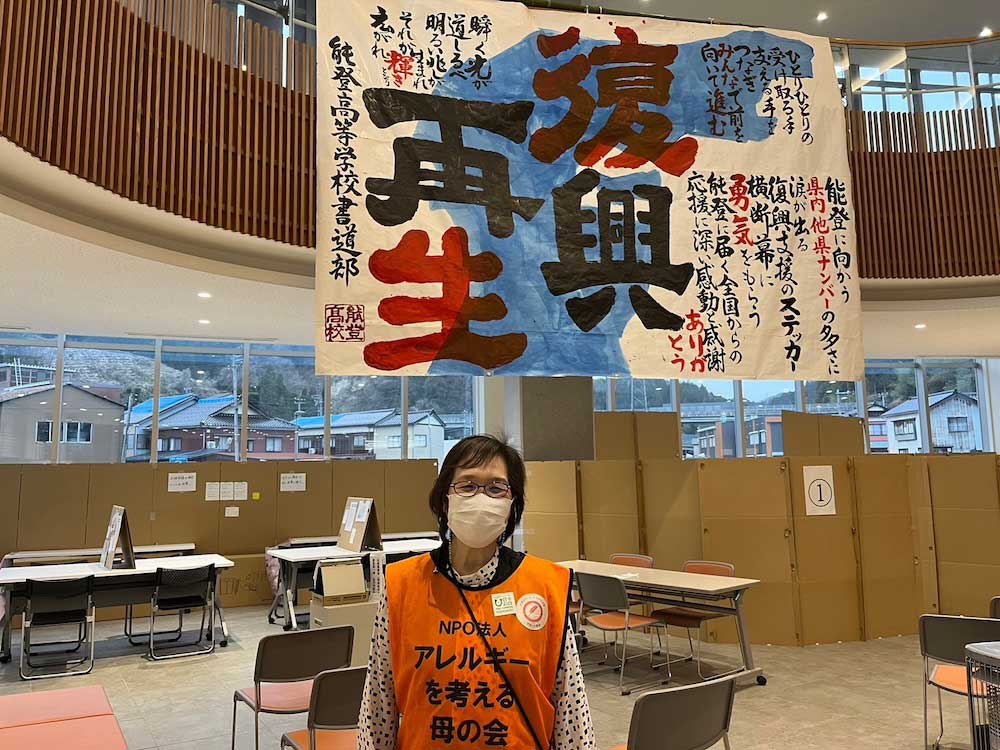
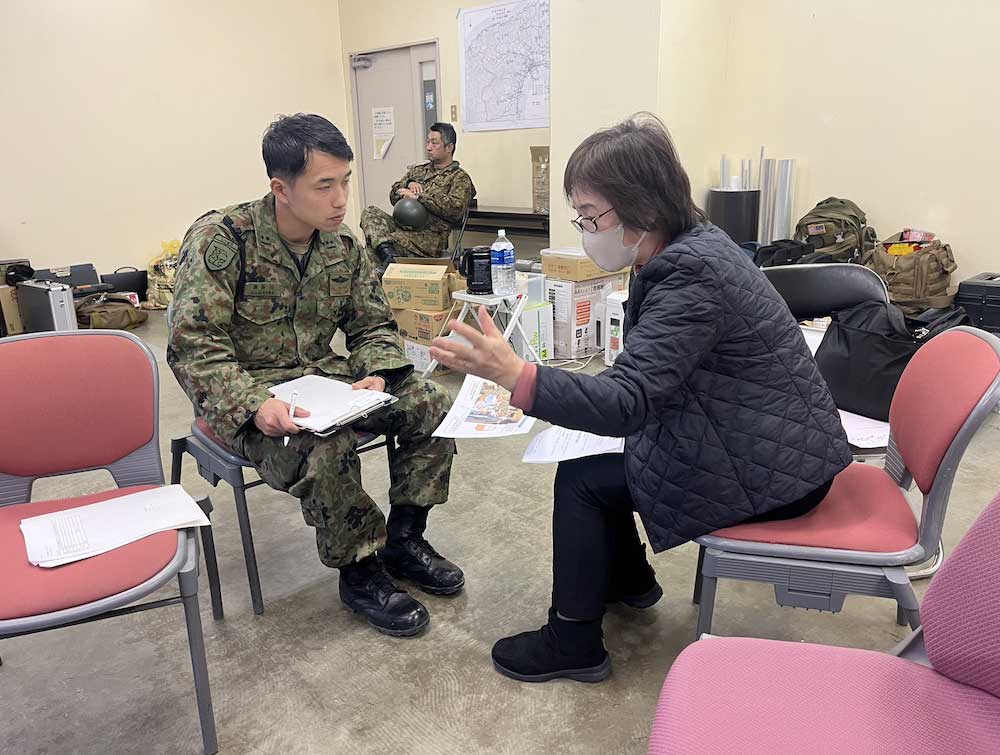
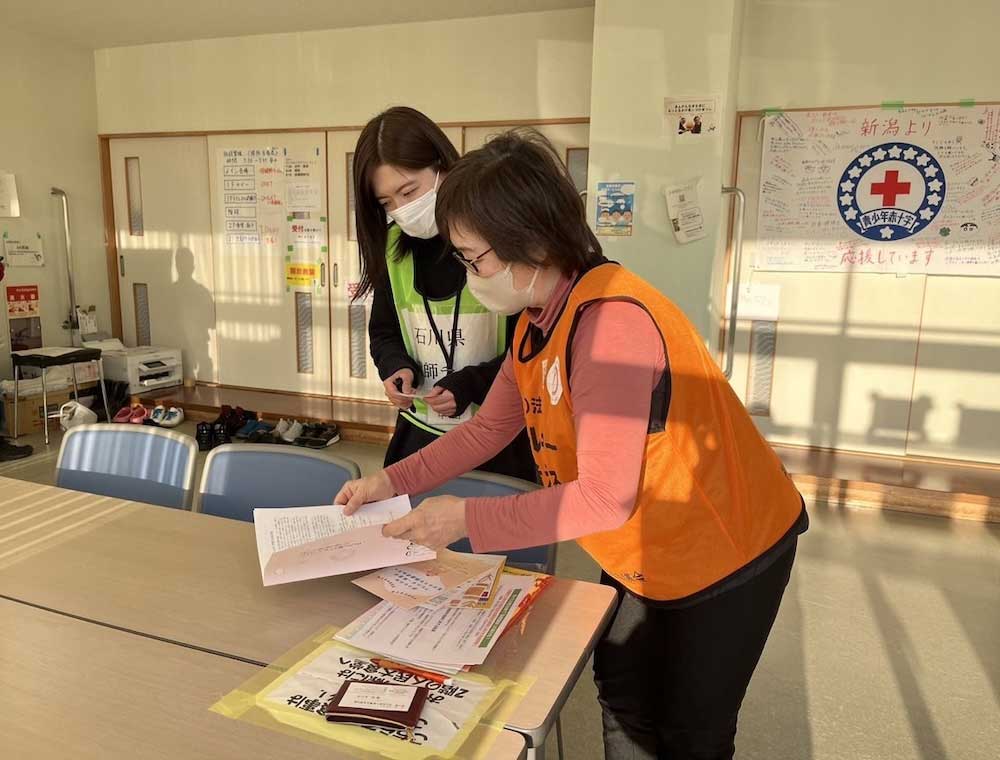
The Japanese Mother’s Society for Allergy Care (JMSAC) carries out activities to resolve food allergy-related problems when a disaster occurs. Established in 1999 by mothers of children with allergies, JMSAC offers consultation services to over 400 people per year, has held around 160 workshops even in disaster-affected areas, and conducts research and study and also works to create systems to support allergy patients. Two weeks after the Noto Peninsula Earthquake struck on January 1, 2024, the organization went to the area to provide support to allergy patients, such as those with food allergies, eczema, and other allergies, in cooperation with the local government and other NGOs.
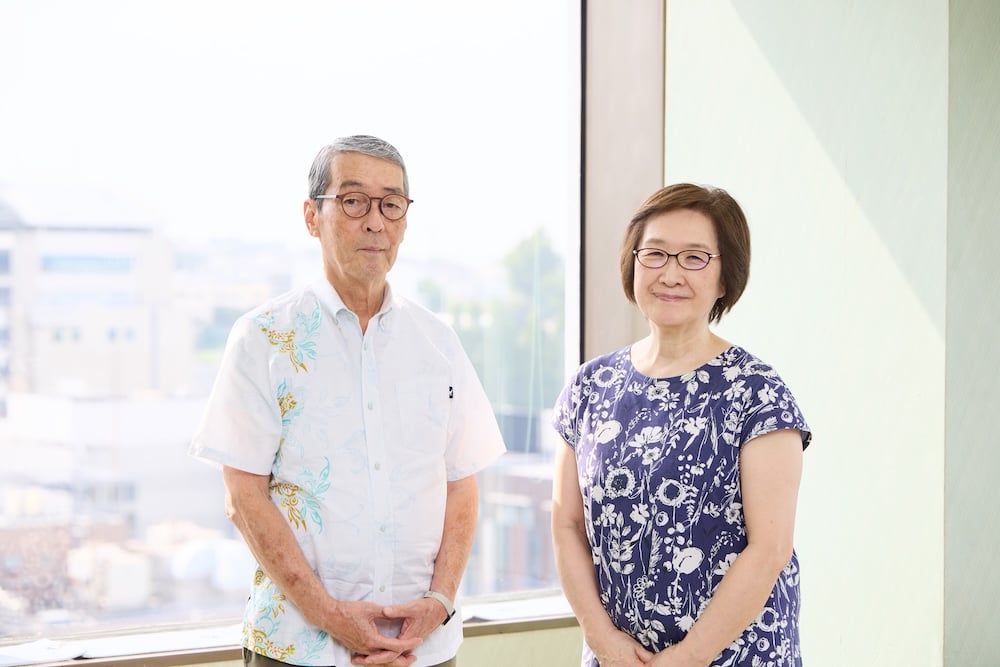
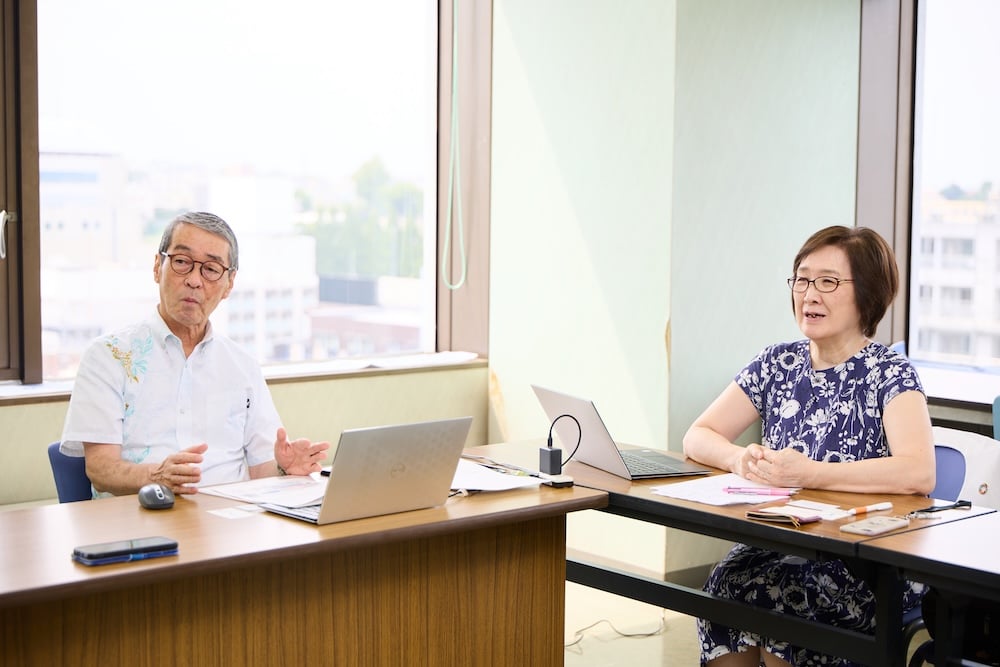
Food allergies are sometimes a matter of life or death for those who have them. What kind of system is needed to ensure that everyone can eat safely and without worry when a disaster occurs? We talked with JMSAC Representative Director Mariko Sonobe and Executive Secretary Toru Nagaoka about the status of support for the Noto Peninsula Earthquake.
“I want to eat but can’t” — difficulties those with food allergies face in a disaster
The Nippon Foundation Journal Editing Department: What problems do people with food allergies face when a disaster occurs?
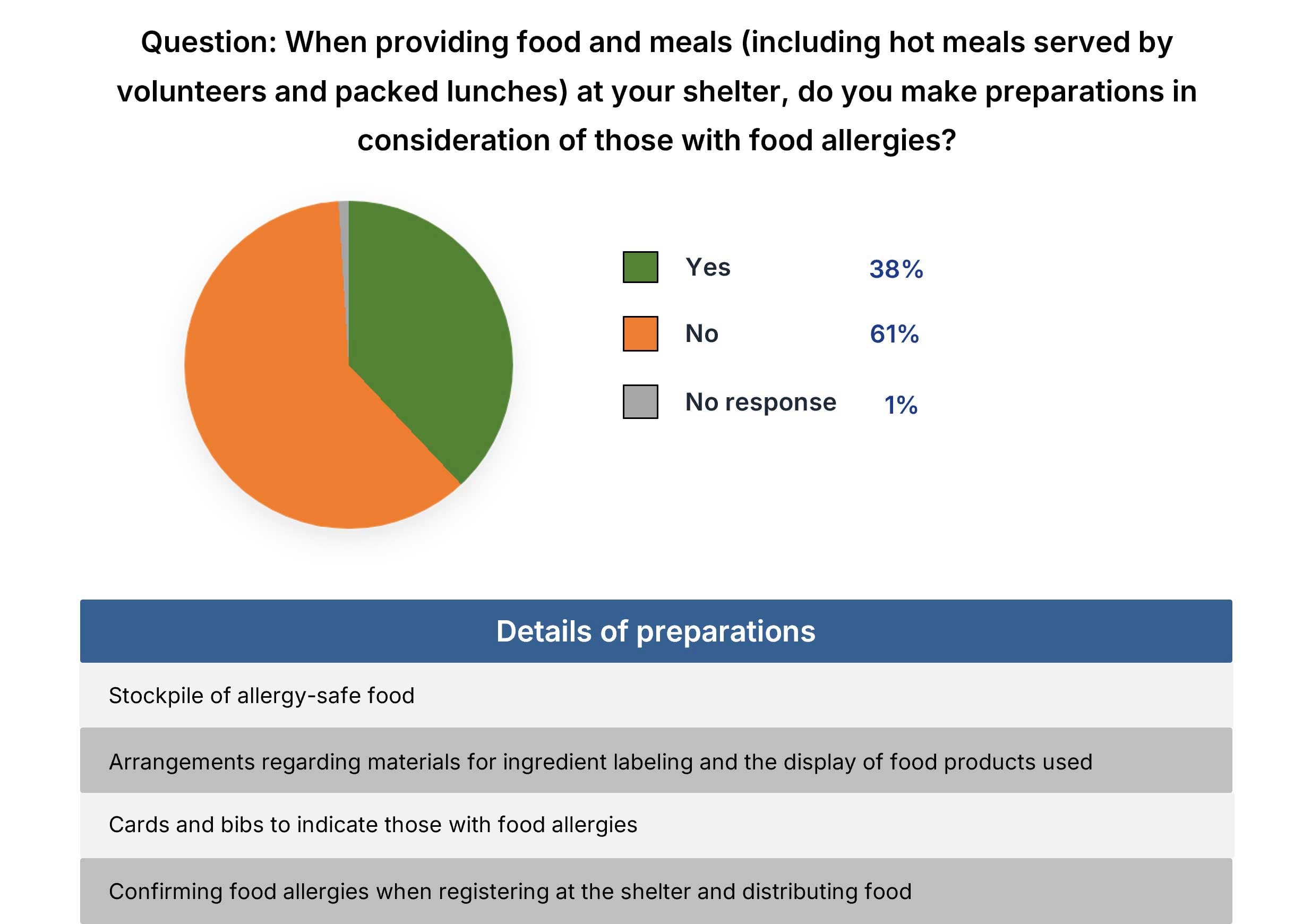
Toru Nagaoka: The first problem is that it is difficult to get allergy-safe food to allergy patients. In 2013, the Cabinet Office formulated the Guidelines for Ensuring Satisfactory Living Conditions at Shelters, which require local governments to stock allergy-safe food and baby formula and to consider dietary requirements. But according to a Health and Labour Sciences Research study conducted in 2020 and 2021, 60% of shelters do not have allergy-safe food stockpiles.
Journal: I have heard that people with food allergies even face problems with the food supplied by the Japan Self-Defense Forces and hot meals served by volunteers.
Mariko Sonobe: One problem is that because the ingredients of the food provided are not labeled, those with food allergies cannot eat it even if they want to. This is despite the fact that the Guidelines for Ensuring Satisfactory Living Conditions at Shelters require food ingredients to be labeled. According to a survey conducted in three cities and three towns that carried out relief efforts after the Noto Peninsula Earthquake, only two of them labeled ingredients.
Nagaoka: After the Noto Peninsula Earthquake struck, food was supplied not only by the Japan Self-Defense Forces, but also by restaurants, and volunteers served free hot meals. While I am grateful for their support, I heard that they did not always label the ingredients, so there were times when people with food allergies could not eat.
Journal: And I’m sure there were some with food allergies who sheltered at home. Do people who do that have to deal with completely different problems?
Nagaoka: Some couldn’t ask for help because they didn’t know where to contact about allergies and others felt that there were probably people with even bigger problems (about food allergies) than they had.
Although measures and policies for people with food allergies have been presented, challenges have also been brought to light
Journal: From what you say, it sounds like disaster measures and policies have been presented but have not been instilled in local governments.
Sonobe: That’s right. After the 2011 Great East Japan Earthquake, the national government established many policies. However, I think the system to support people with food allergies when a disaster occurs is still lacking and details including channels for providing information have not been sufficiently hammered out.
Nagaoka: According to a survey conducted in municipalities affected by the Noto Peninsula Earthquake, some said that they tried to accommodate allergy patients based on the manual immediately after the earthquake but were unable to accommodate them because the identification of allergy details and meetings on staff assignment were insufficient, and others said they prepared stockpiles in consideration of allergy patients in accordance with national government policy but were unable to identify the status of those with food allergies, resulting in inconsistencies in how it was handled at the shelter.
Journal: It seems like there are many problems that must be solved in order to act in line with the policies established by the national government.
Nagaoka: It is true that there are many problems, but that doesn’t mean there hasn’t been progress. In the past, I went to the site each time a major disaster occurred and heard from the local government, but this is the first time that proactive challenges have been identified. At the time, people thought that people with food allergies who didn’t eat the hot meals served by volunteers were just being selfish. Compared with that, I have seen first-hand that understanding on food allergies and measures to accommodate allergies in a disaster are progressing little by little.
It is important for local governments and individuals to take every precaution to prepare for disasters
Journal: What efforts do you think the national and local governments should make to prepare for unforeseeable disasters?
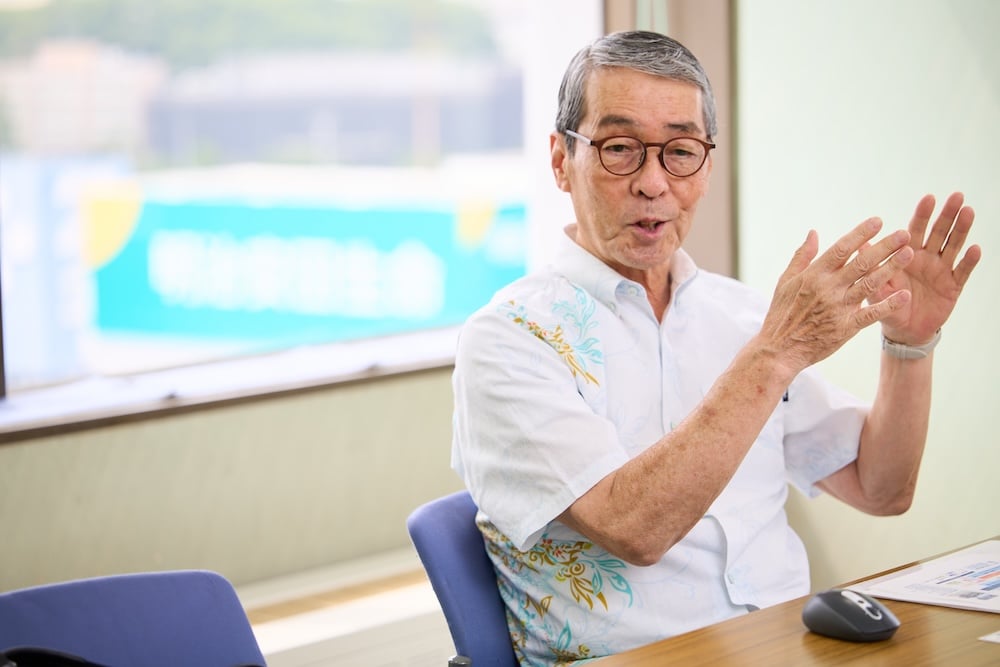
Sonobe: First, I would like them to prepare stockpiles of allergy-safe food at shelters and create a template for indicating ingredients when providing food, including hot meals served by volunteers. If they made sure these two things were carried out, it would help create an environment where safe meals could be provided. It is also important for each local government to announce* the status of their stockpile of supplies. Announcing the status of their stockpiles would serve as a good opportunity to encourage household stockpiling not only for those with food allergies but also for households that have not yet put together emergency supplies.
Nagaoka: It is also important to reexamine channels for providing information when a disaster occurs. After the Noto Peninsula Earthquake struck, one problem was how complicated the process was for municipal governments to request relief supplies from the prefectural government. Apparently, there was no central point of contact or standard form, making it difficult for the prefectural government to smoothly collect requests. When a disaster occurs, municipal governments are the ones that implement the laws and policies created by the national government and manage shelters proactively, so I would like the national government to create conditions for the municipal governments to tackle these issues.
Sonobe: We must also not forget to establish help desks at the local level for people with food allergies when a disaster occurs. I would like local governments to make posters and flyers that provide information about where to seek advice when a disaster occurs and make an effort to ensure those with food allergies can convey their needs without hesitation.
Journal: Is there anything people with food allergies and their families should do or keep in mind?
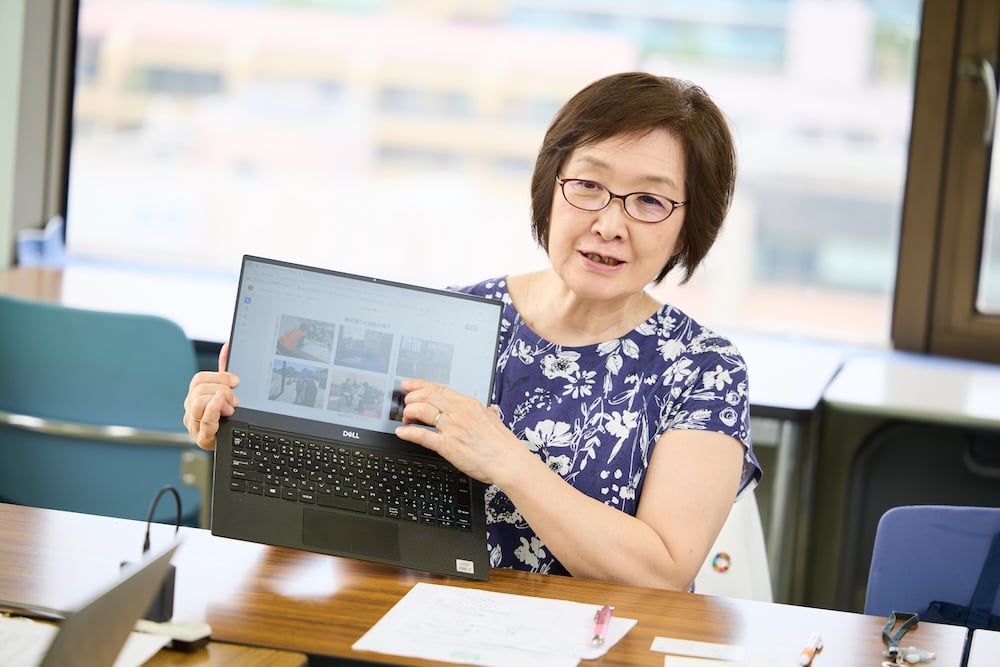
Sonobe: It is important that they do not rely only on public assistance but also rely on themselves and make preparations themselves. An effective way to do this is to have a rolling stockpile at home where you buy a little more food than you need, use up the oldest items first, and replenish what you run out of, so you always have a certain amount of food on hand. Also, look up where to seek advice when you need help at the shelter and don’t hesitate to ask for help when a disaster occurs. What is most important is that you keep yourself safe.
- In May 2025, the Basic Act on Disaster Management was revised, mandating local governments to announce the status of their emergency stockpiles once per year.
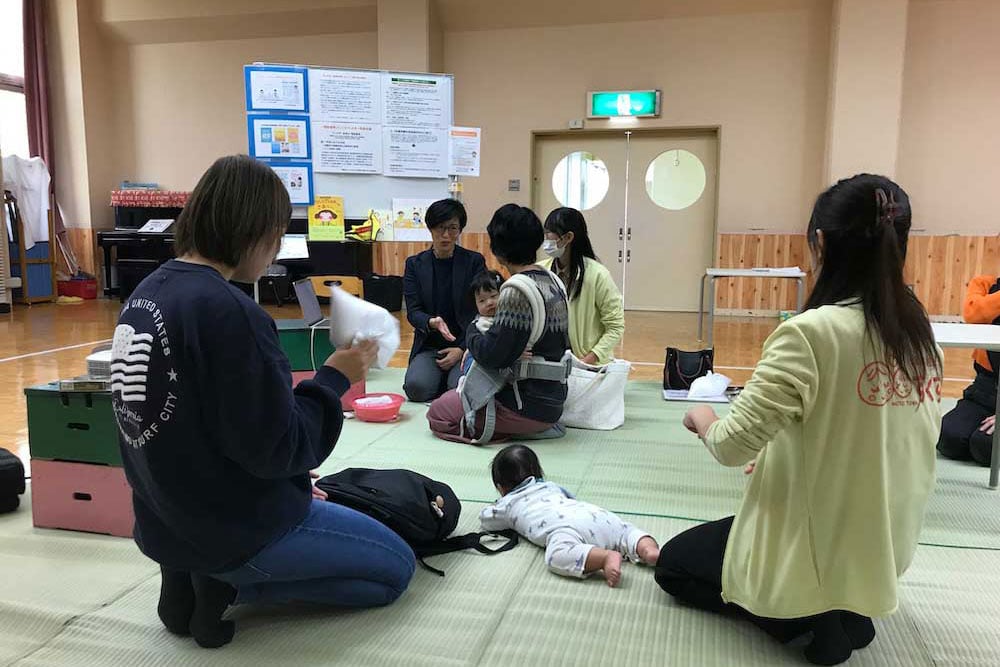
What you and those around you can do to ensure those with food allergies aren’t left behind
Ms. Sonobe and Mr. Nagaoka provided some suggestions on what each of us can do to realize a society that ensures everyone can receive food safely and reliably in any emergency whenever one occurs.
1. Obtain correct information about food allergies
It is important to obtain correct information about food allergies. In 2018, the Ministry of Health, Labour and Welfare launched the Allergy Portal website. It provides information for healthcare professionals and videos for the general public on food allergies, eczema, and asthma, so it is a good place to obtain correct information. If there are people around you with food allergies, tell them to obtain reliable information from a source like the Allergy Portal.
2. Have a mindset of trying to understand differences and spread information about food allergies
Everyone faces problems of some kind in their lives. Rather than seeing food allergies as a problem that affects only a certain number of people, it is important to imagine what you would do if it were you, make an effort to understand the hardships they face, and proactively obtain and spread information about food allergies.
Editor’s Note
We have sent food and supplies to a disaster-affected area before. But at the time, it did not occur to us to provide support considering those with food allergies. Doing this interview made us realize the importance of taking action while keeping in mind that in every situation there are people who have to deal with some kind of hardship. With the increasing frequency of large-scale disasters in recent years, we sincerely hope that measures to accommodate those with food allergies become widespread across Japan.
Text: The Nippon Foundation Journal Editing Department
Photo: Eizaburo Sogo