How Can We Provide Meaningful Support to Children of Parents With Mental illness?
Key Points
- Children of parents suffering from mental illness often fall outside the scope of existing support systems and face barriers to accessing help.
- CoCoTELI supports such children through peer support staff with similar experiences, professional counselors, as well as working in tandem with the local community.
- In addition to improving support systems, having trusted adults available to provide ongoing support is key to addressing these challenges.
“Mental illness” is a broad term referring to conditions that affect a person’s thoughts, emotions, and behavior in a variety of ways, including negative moods, hallucinations, and delusions.
The total number of people treated for mental illness in Japan reached approximately 6.03 million in 2023, and remains at a high level today.
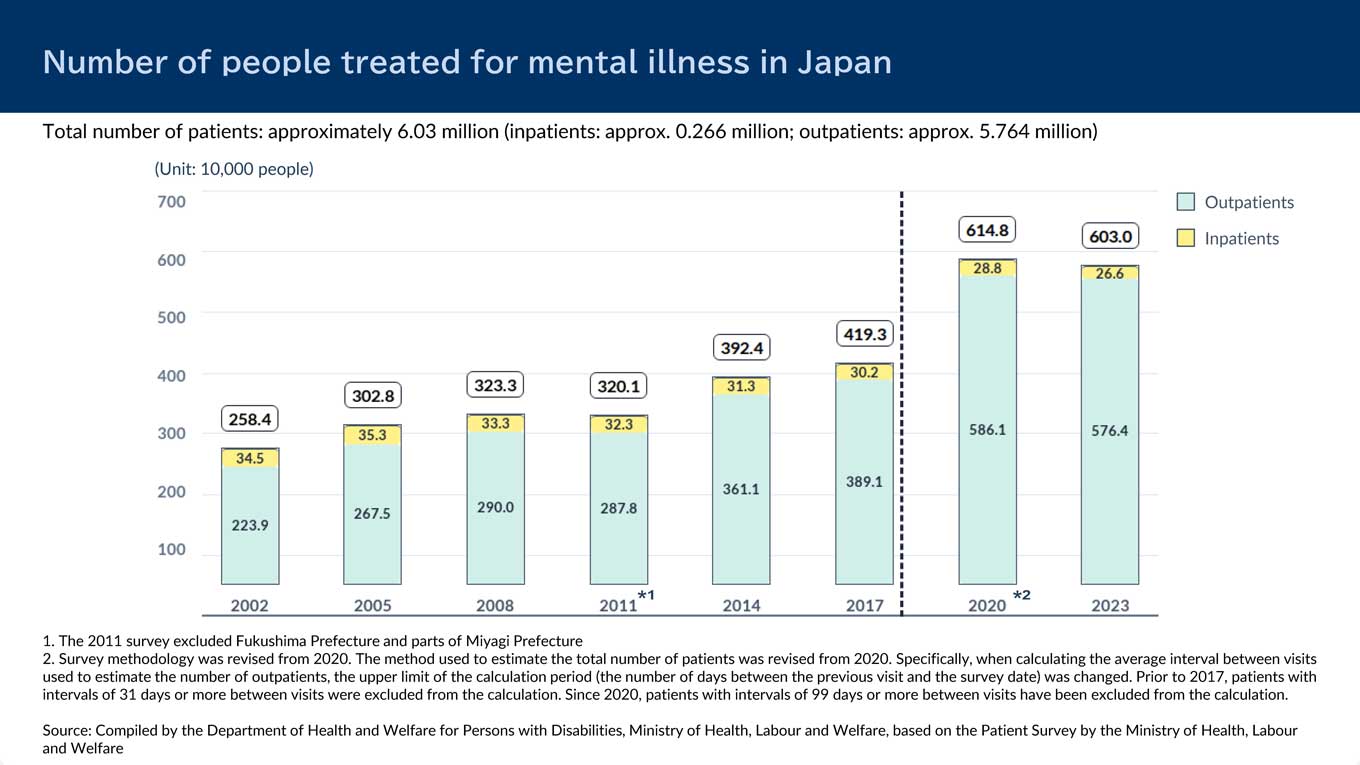
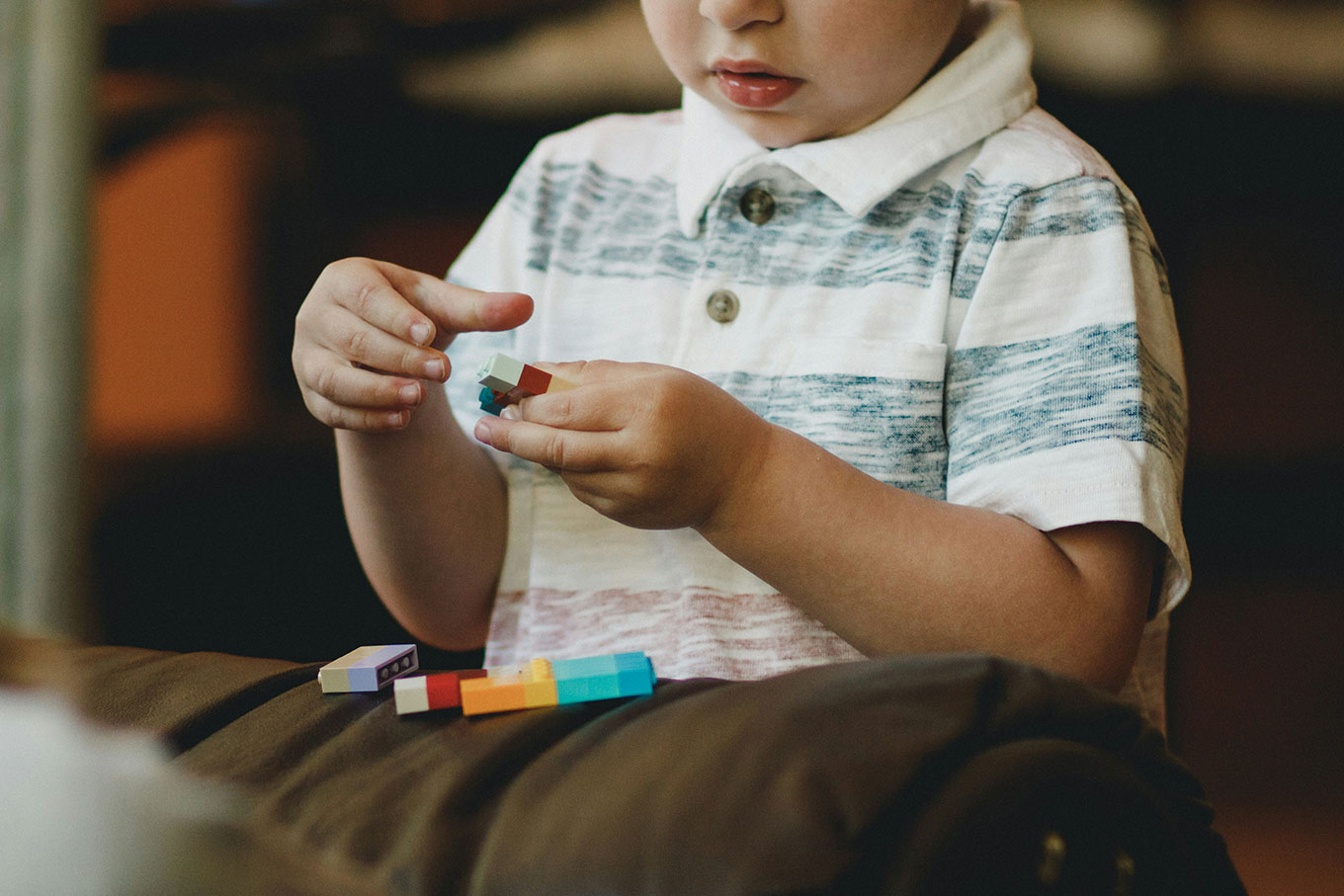
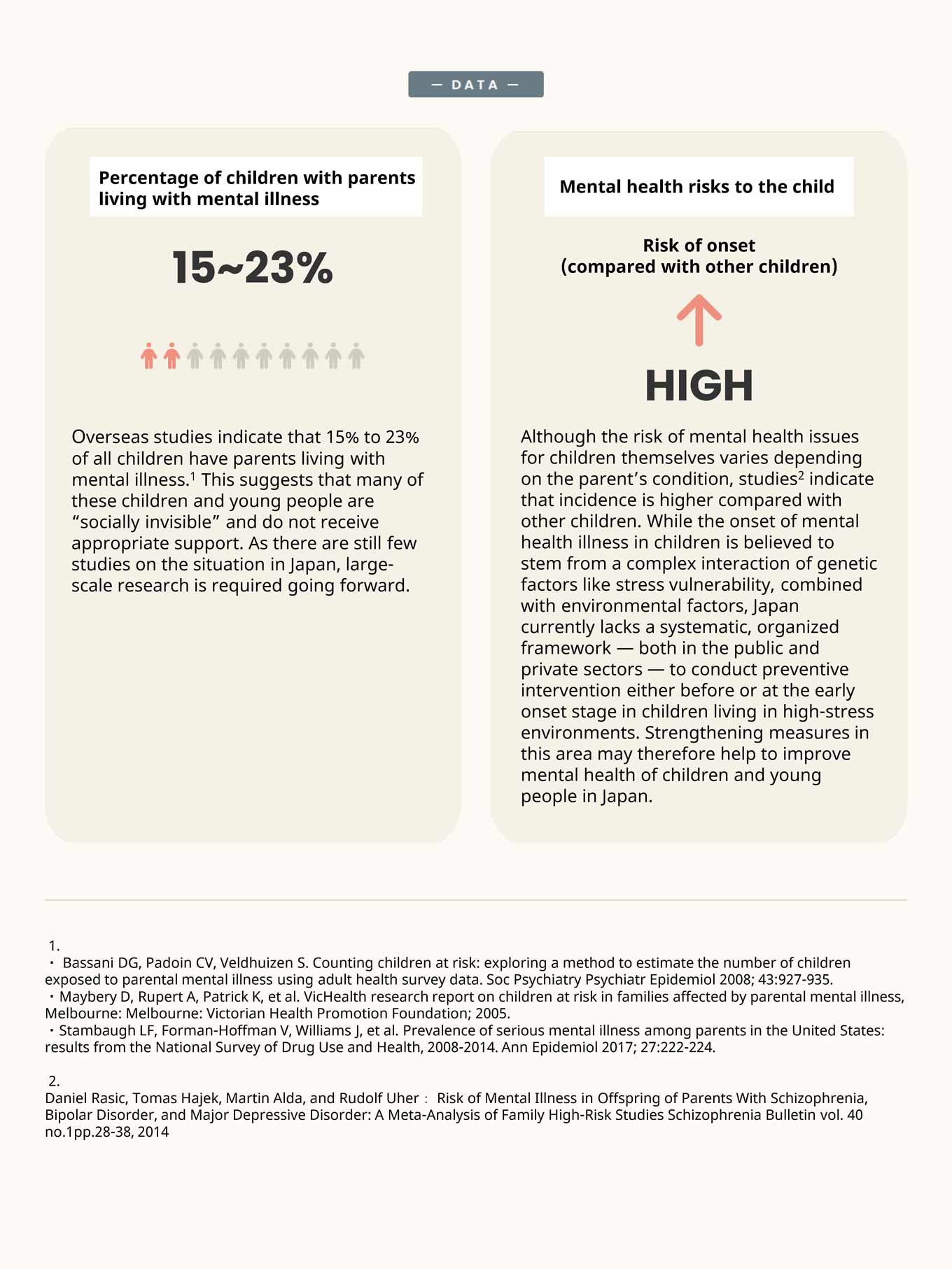
One issue that has received relatively little attention to date is the impact on children living with parents who suffer from mental illness. Overseas studies suggest that such children account for 15% to 23% of all children, and that these children face a significantly higher risk of developing mental health issues themselves.
Although support for people with mental illness has gradually expanded, both public and private sector support for children of parents with mental illness remains insufficient, making many of these children “socially invisible.”
Working to address this issue is CoCoTELI (external link, in Japanese), an organization working to create a society where both people with mental illness and their families can live with peace of mind.
CoCoTELI’s director, Toi Hirai, personally experienced circumstances bordering on abuse during his childhood due to his father’s depression. At the time, his parents had no ongoing connection with welfare or medical services, meaning that the family’s struggles were essentially hidden from society. It was a desire to provide companionship and support to children in similar situations that motivated him to found CoCoTELI.
We spoke with Mr. Hirai about the current situation in Japan, the challenges children living with parents with mental illness face, CoCoTELI’s initiatives to tackle these problems, and how society should approach the issue of mental illness to better understand the realities and challenges involved.
The unseen children enduring “intangible hardship”
The Nippon Foundation Journal Editing Department: What kinds of difficulties do children who have parents with mental illness face?
Toi Hirai: The difficulties that children face are incredibly diverse, which makes it difficult to sum up the challenges in a single phrase. But many children endure what I would best describe as “intangible hardship.”
For example, when their parent asks, “Would you rather have a hamburger steak or fried chicken for dinner?” the child may actually prefer hamburger steak, but they sense their parent’s mood or the atmosphere in the room, and think, “Things will go more smoothly if I choose fried chicken,” and adjust their answer accordingly. During daily life, they constantly suppress their own desires and prioritize their parent instead.
Although this pattern of behavior does not seem like a “hardship” on the surface, it can turn into a pattern over a span of five years or 10 years, making it difficult for children to express or even recognize their own opinions. This can have a significant impact on the development of their self-esteem and their ability to form relationships.
In fact, studies show that children with parents who have a mental illness face a significantly higher risk of experiencing mental health problems themselves compared with other children.
At the same time, I want to emphasize that simply having a parent with mental illness does not necessarily mean that a child faces hardship. There are many families who live happily together despite mental illness.
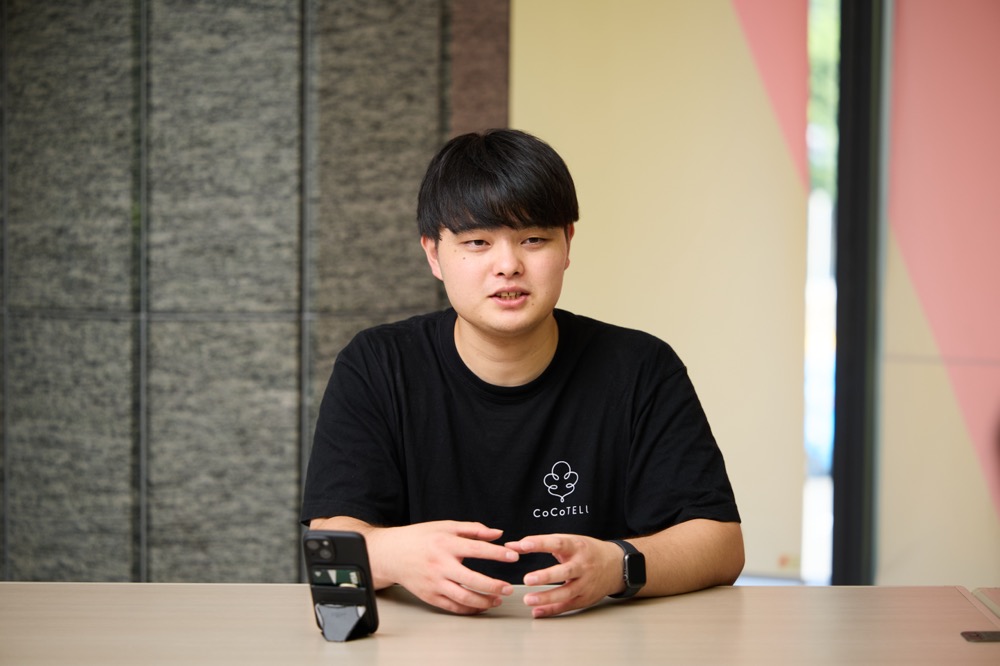
Hirai: At the same time, there are also children who face clearly identifiable “tangible hardships.” For example, there is the phenomenon of “young caregivers,”* where children are forced to take on adult responsibilities including caring for their parent’s mental health, handling household chores, or looking after siblings. There are also situations resembling neglect, such as children who are not taught how to brush their teeth or wash their hair, or are not provided with sufficient food.
Sometimes a parent might pressure their child by telling them, “If you leave home, I’ll die,” which restricts their life choices like going on to further education or finding employment. In fact, the most common age group among children who come to CoCoTELI for consultation is 17 to 21 years old — the period when they are at a crossroads in life regarding their education and employment options, and are most likely to struggle with such concerns.
- “Young caregiver” refers to children or young people who are forced to undertake excessive caregiving or household responsibilities that would normally be handled by adults.
Journal: I understand that CoCoTELI provides support to children facing such challenges. Could you tell us more about the types of initiatives you conduct and the types of children who come to you for support?
Hirai: We primarily work to support children and young people up to around the age of 25. We focus on creating online consultation channels and safe spaces via chat tools and Zoom. We also work to proactively communicate relevant information. One of our recent initiatives has been organizing online gatherings for the partners of people with mental illness.
Among the conditions of parents of the children who come to us for consultation, the most common are depression, bipolar disorder,[1] and schizophrenia,[2] as well as obsessive-compulsive disorder[3] and panic disorder.[4] Addictions are also common. In particular, due to strong social stigma surrounding drug addiction, some people are reluctant to seek help from those around them and instead turn to CoCoTELI.
- 1. Bipolar disorder is a condition characterized by recurring episodes of elevated mood (mania) and depression↩︎
- 2. Schizophrenia is a condition in which the brain has difficulty coordinating its various functions, resulting in symptoms such as hallucinations and delusions↩︎
- 3. Obsessive-compulsive disorder is a condition in which intense anxiety and obsessive thoughts or behaviors interfere with daily life↩︎
- 4. Panic disorder is a type of anxiety disorder characterized by repeated sudden panic attacks involving intense anxiety and physical symptoms such as heart palpitations↩︎
Journal: How does the consultation process work?
Hirai: Consultations typically involve three people: the person seeking consultation, and two staff members: a peer staff member* who shares similar life experience, and a social worker.
We place emphasis on three steps: “connecting with,” “staying connected with,” and “supporting” the people who come to us for support. We believe that remaining involved from an early stage before problems become serious can prevent issues from spiraling, so we prioritize creating a welcoming environment where people feel that they can open up about their problems, and have peer support staff and social workers on hand to provide assistance.
However, peer support can sometimes place excessive burdens on the staff members providing support, so peer staff handle the “connecting” and “staying connected” aspects, while professional counselors take over when specialized support is needed.
Although online support has the advantage of being accessible to anyone, anywhere, at the same time it makes it difficult to help make fundamental improvements to the parent’s condition or the parent-child relationship.
Therefore, at CoCoTELI, we prioritize connecting children to local support organizations and government services who can assist them more directly.
I also visit many regions across Japan, building connections with trusted individuals in local areas and working to increase the number of people who can serve as support hubs around the country.
- “Peer staff” are individuals with disabilities or illnesses who draw on their own experiences to provide consultation and support to others in similar circumstances, helping them to participate in society and their local community, or working together to solve problems from the perspective of a fellow or “peer”
Service 1: One-on-One Counseling
CoCoTELI staff members — many of whom are from the same generation as those seeking consultation and have grown up in similar circumstances — are available for one-on-one counseling or casual conversation. If required, users can also consult professionals with specialist expertise.
Service 2: Safe Spaces (Online)
CoCoTELI staff members — many of whom are from the same generation as those seeking consultation and have grown up in similar circumstances — are available for one-on-one counseling or casual conversation. If required, users can also consult professionals with specialist expertise.
Journal: I understand you personally grew up with a parent who suffered from mental illness.
Hirai: That’s right. My father developed depression when I was in kindergarten. From that point on, I lived in fear of verbal abuse and violence, and often had to provide emotional support. Although my parents were unemployed for many years and our home life was unstable, thanks to the support of my aunt, I was able to go to university.
But looking back, I realize that I was partly a young caregiver and experienced what could be considered abuse.
I couldn’t confide in anyone around me because I was afraid my friends would make fun of me on account of my father’s illness, or that they’d view me like him. I also played soccer, and was caught up in the typical sporting culture where there was pressure to act tough and stoic, so I couldn’t show any weakness or vulnerability.
What spurred me to launch this initiative was a chance encounter on social media with another person who had gone through a similar experience. We became friends, and together we founded CoCoTELI as a student organization.
Siloed support programs make it difficult for existing systems to address the problem
Journal: Why hasn’t the hardship faced by children of parents with mental illness been given sufficient exposure in society thus far?
Hirai: I think a major factor is that there were hardly any nationwide statistics in Japan that reveal the reality of children living with parents who suffer from mental illness. As a result, the only option has been to reference figures from other countries, which has made it difficult to acknowledge this as a problem that exists within Japanese society.
This is compounded by the siloed nature of government support systems. Even if childcare workers on the front lines of support recognize that a child is facing difficulties, policy-level priorities tend to focus on the “tangible hardship” like abuse, poverty, or refusal to attend school, while their parent’s mental illness is often brushed aside as merely a “part of the problem.”
At the same time, support within the mental health, medical, and welfare sectors is strictly limited to the individual themselves, and assistance for families is lacking. As a result, even when support workers recognize a child’s presence or the difficulties they face, they are unable to take action due to a lack of policy basis.
Essentially, although families are often viewed as supporters of the patient, they are seldom perceived as individuals who require support in their own right.
Journal: What changes do you see in children after they consult CoCoTELI?
Hirai: Although each case is different, connecting with CoCoTELI often helps children process their situation and discover options they hadn’t considered before.
For example, there was one case where a child assumed they would be unable to go on to higher education due to their parent’s illness. But by working with CoCoTELI staff and social workers to develop a plan, and by reaching out to their school teacher, their parent’s partner, and local support organizations, they were ultimately able to achieve their goal of further education.
At CoCoTELI, we also provide a system that allows children to receive online counseling from clinical psychologists and licensed psychologists. This has helped lower the hurdle to accessing healthcare services, which has led to a higher number of children receiving the support they need. In addition, we provide ongoing support to help children identify their personal needs and connect them with social welfare programs or other organizations as necessary. We have seen cases where this has led to improved quality of life and increased confidence in their abilities.

Journal: Were there any cases where parents’ conditions improved?
Hirai: Yes. In one case, we connected a high school student with a local support organization, which provided an opportunity to address the parent’s mental health needs as well. Of course, when the parent-child relationship has already collapsed, we primarily focus on helping the child leave home safely or create a healthy distance. However, I believe that in many cases, early intervention can help prevent the situation from reaching this point.
Journal: What kind of support should society provide for children with parents who suffer from mental illness?
Hirai: There are several things, but first, I would like to see greater respect for children’s “right to know.”* When a parent develops a mental illness, children should have the right to know about their parent’s condition, but the reality is that many are not given an explanation.
Many parents feel hesitant to share this information, feeling unsure of how to break the news or fearing that their child might be upset. However, if a third party could mediate these conversations, I believe it would create an opportunity for parents and children to address the situation in a healthy way and build a relationship that doesn’t let the illness create a barrier between them.
I also think it would be ideal to establish a system that could offer preventive support to both parents and children as soon as signs of mental health issues in the parent first appear. This could help break the negative spiral into problems like abuse, poverty, and refusal to attend school.
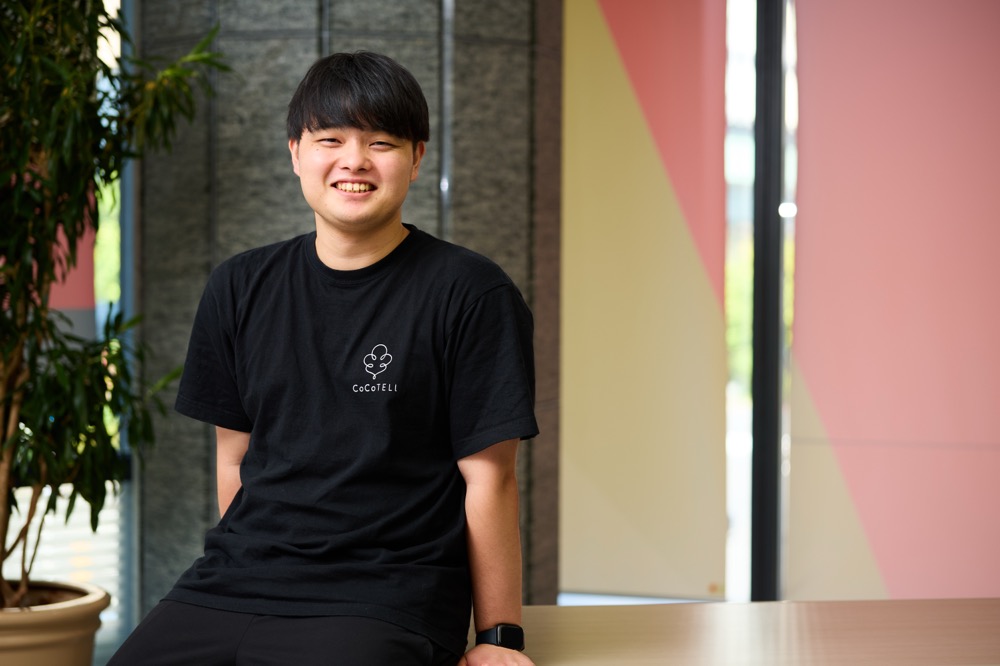
What we as individuals can do to help create a society where parents with mental illness and their children can lead fulfilling lives
Finally, we asked Mr. Hirai what we as individuals can do to create a society where both parents with mental illness and their children can lead fulfilling lives.
(1) Proactively seek out resources about mental illness and its impact on the children of parents with such conditions
Obtaining information from reliable sources helps to gradually reduce any prejudices or misunderstandings we might have about mental illness. There are organizations that provide a range of information for parents and children living with mental illness in the form of picture books or online resources, which I highly recommend exploring.
(2) Don’t judge the level of need on appearances alone
Children of parents with mental illness often try to pretend that they’re coping just fine. So if we rely solely on their outward appearances or surface-level conversations to judge whether they need support, we risk failing to provide them with the help they truly need. I hope people will always keep in mind that even if someone appears to be doing fine, they may actually be struggling.
(3) Be mindful of what not to do
On the front line of support, making sure to avoid any actions that might be detrimental to the child is even more important than “doing something” about the problem. Children reaching out for support are already hurt by the experience of being rejected or interrupted during interactions with family or caregivers. This is what makes small, consistent gestures, like not dismissing their feelings and listening to them until they finish speaking, so vital. Doing so helps create a sense of security that is incredibly important to them.
Mental illness affects not only those suffering from the disorder, but also their families. Through this interview with Mr. Hirai of CoCoTELI, we gained a deeper understanding of the challenges involved.
Many children facing such difficulties still remain largely invisible in our society, and there may be a child in need of support closer to us than we realize. This interview highlighted the importance of the role of the wider community beyond the family in providing support.
Text: The Nippon Foundation Journal Editing Department
Photo: Eizaburo Sogo
Related Themes
- Children and Young People
- Companies and Entrepreneurship
- Donation and Social Contribution
- Persons with Disabilities