Nurturing Global Leaders: The Nippon Foundation’s International Scholarship ProgramsWhy long-term investments in human capital are fundamental to future prosperity
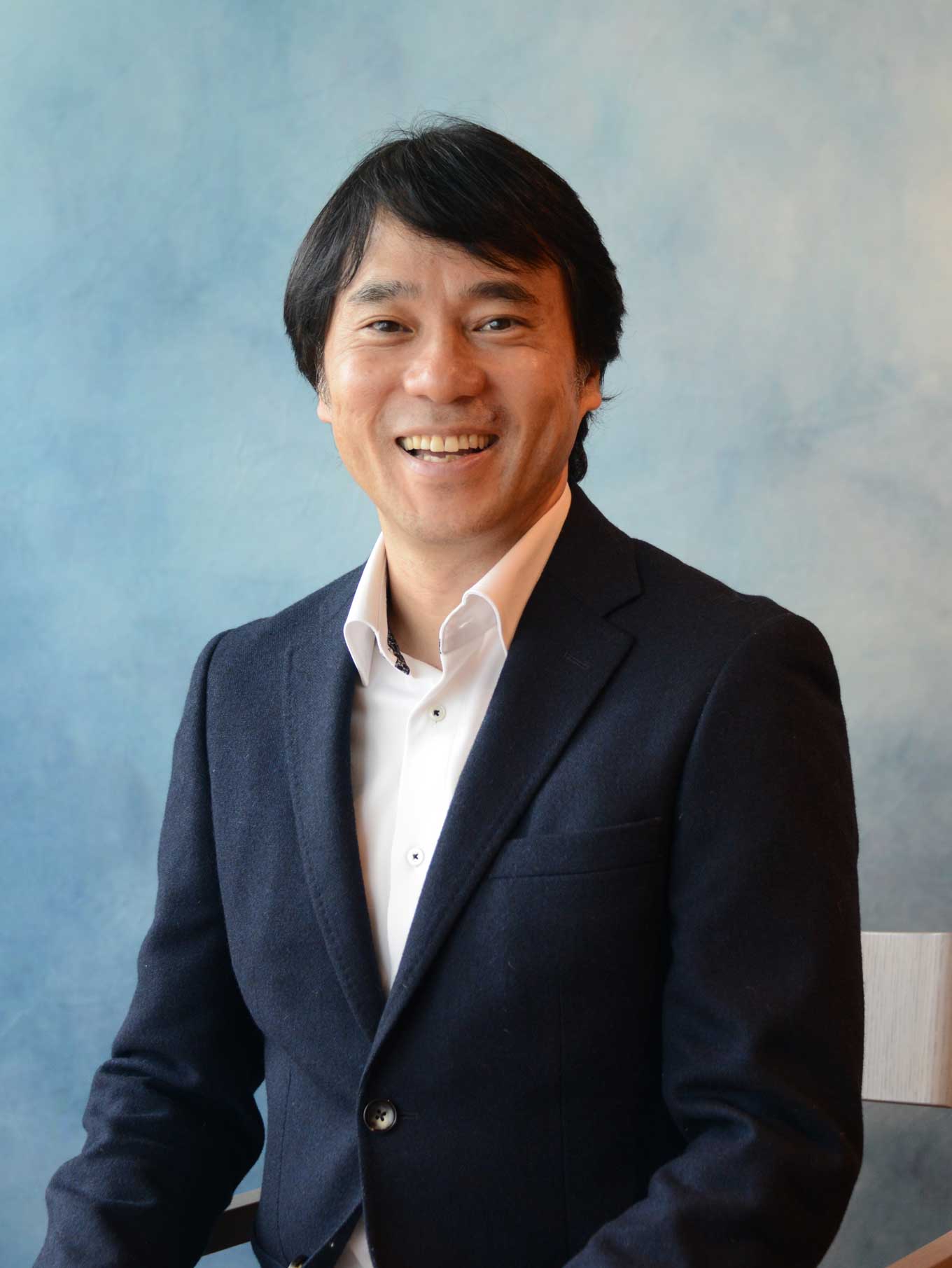
Takashi Arikawa, Executive Director of The Nippon Foundation, explains that the organization views its scholarship programs not merely as educational support, but as a crucial investment to cultivate global leaders who can guide society 20 to 30 years into the future. Mr. Arikawa believes that while technical expertise is vital, future leaders must also be adaptable, empathetic, and capable of navigating uncertainty. He maintains that leaders must grasp the concept of “global coexistence” and have the courage to collaborate across cultural, religious, and national borders to solve interconnected global problems. For Japan, a resource-poor nation, and indeed for the entire global community, Mr. Arikawa describes human resource investment as fundamental to future prosperity.
Partnerships based on co-creation
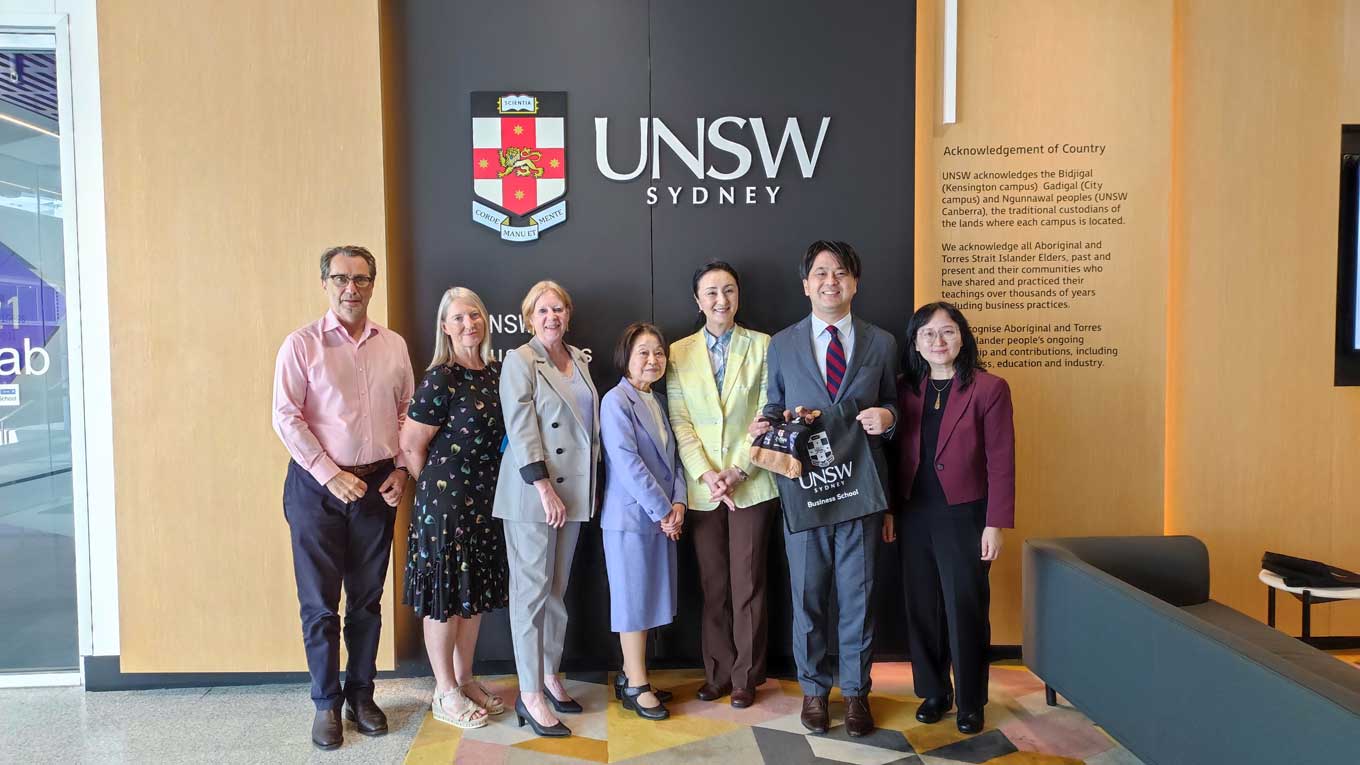
To address diverse regional contexts, the Foundation avoids a one-size-fits-all model, instead developing initiatives based on local social needs in consultation with regional partners. The Foundation’s collaborative model emphasizes mutual trust and decades-long commitments over traditional donor-recipient dynamics. As Mr. Arikawa highlights, direct engagement with local universities enables “co-creation” partnerships that succeed because they operate on shared values rather than a simple donor-recipient relationship. This is exemplified by the Sasakawa Young Leaders Fellowship Fund (Sylff) operating for over 30 years across 44 countries.
Holistic support, ‘kokoro no tomo,’ and lifelong networks
Beyond financial aid, the programs offer leadership training, cultural exposure, and interdisciplinary dialogue. Mr. Arikawa emphasizes the importance of these personal experiences, noting they build deep, lifelong relationships. Borrowing a phrase from The Nippon Foundation Honorary Chair Yohei Sasakawa, he describes these bonds as kokoro no tomo (“true friends of the heart”), which provide emotional and professional support throughout the scholars’ careers.
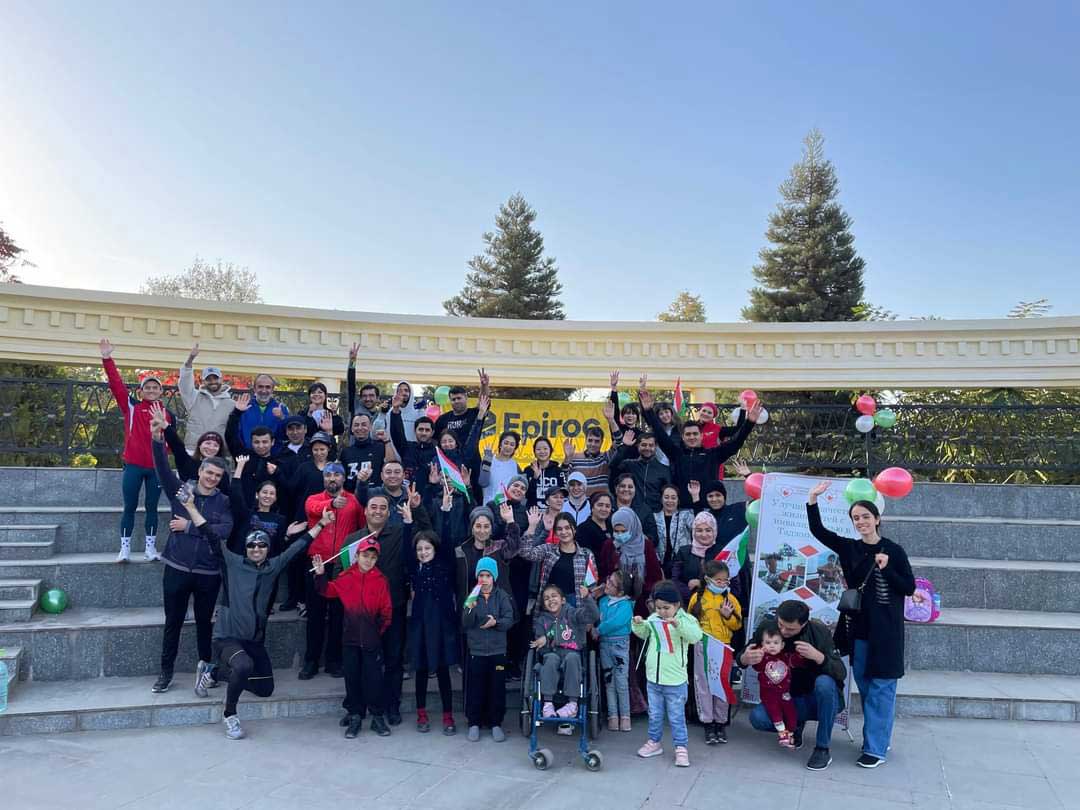
Post-graduation, these networks foster active communities of practice. As Mr. Arikawa observes, complex social problems demand collective action, and these lifelong networks enable exponential impact. This is demonstrated not only by Sylff alumni supporting peers during the COVID-19 pandemic, but also by initiatives like JACAFA (Japan Central Asia Friends and Associates Foundation), where alumni collaborate across Central Asia and the Caucasus to empower young social entrepreneurs and launch grassroots projects in fields like inclusive education, technology, and regional development.
Measuring long-term impact
The Nippon Foundation measures its achievements by alumni’s real-world social contributions rather than short-term academic grades. Decades-long initiatives—such as training over 2,000 ocean experts globally and fostering healthcare leaders in China—demonstrate how these scholarships drive long-lasting policy and institutional change.
Related Themes
Related Links
- Worldwide Scholarships and Fellowships
- Training Social Entrepreneurs in Central Asia
- Ryoichi Sasakawa Young Leaders Fellowship Fund (Sylff)
- JACAFA website