Japan’s First Graduate Program to Train Specialists in Tackling AbuseWhy Yamanashi Prefectural University established its Graduate School of Human and Social Services
Key Points
- While the number of consultations on child abuse is rising, child guidance centers are understaffed. There is also a shortage of personnel equipped with specialist expertise.
- In April 2024, Yamanashi Prefectural University established a graduate program in human and social services that is designed to train students to become specialists in tackling child abuse.
- Steps can be made toward solving the problem of child abuse by focusing on the background factors that give rise to child abuse, as opposed to simply vilifying abusive parents.
Statistics from Japan’s Children and Families Agency on “The numbers of consultations regarding child abuse received by child guidance centers in fiscal year 2022” (external link, in Japanese) show that the number of consultations rose again in 2022 to 219,170 cases, another new record high.
The Children and Families Agency’s data on child guidance centers (external link, in Japanese) likewise shows that across Japan four new child guidance centers were established in fiscal 2023, bringing the total number of child guidance centers to 232 (at the time of survey on April 1, 2023). The number of child guidance centers is on the increase.
While Japanese national and local government bodies are pursuing various initiatives aimed at reducing child abuse, there is a shortage of personnel with specialist expertise, which means that sufficient support is not currently available.
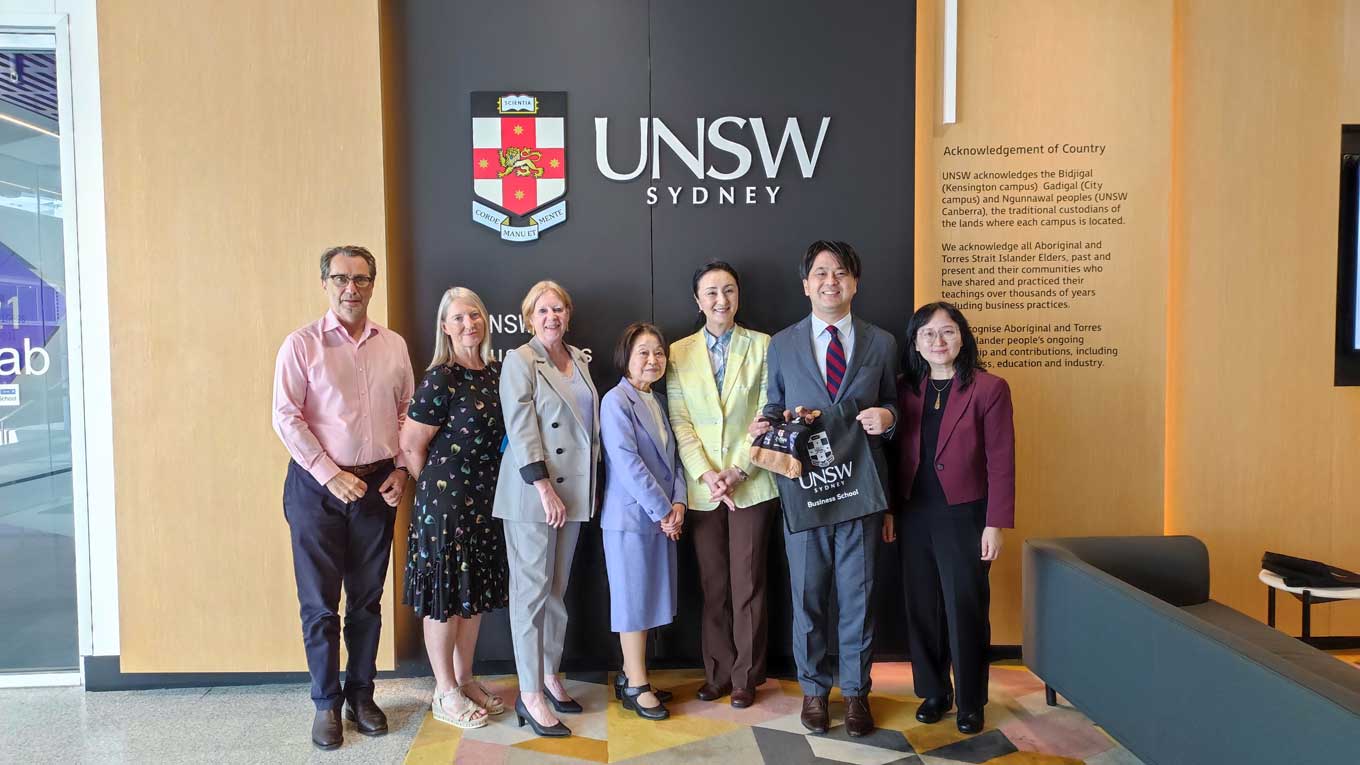
With such a severe demand to be addressed, in April 2024 Yamanashi Prefectural University established a new graduate program in human and social services (external link, in Japanese) aimed at equipping students with the expertise for tackling child abuse.
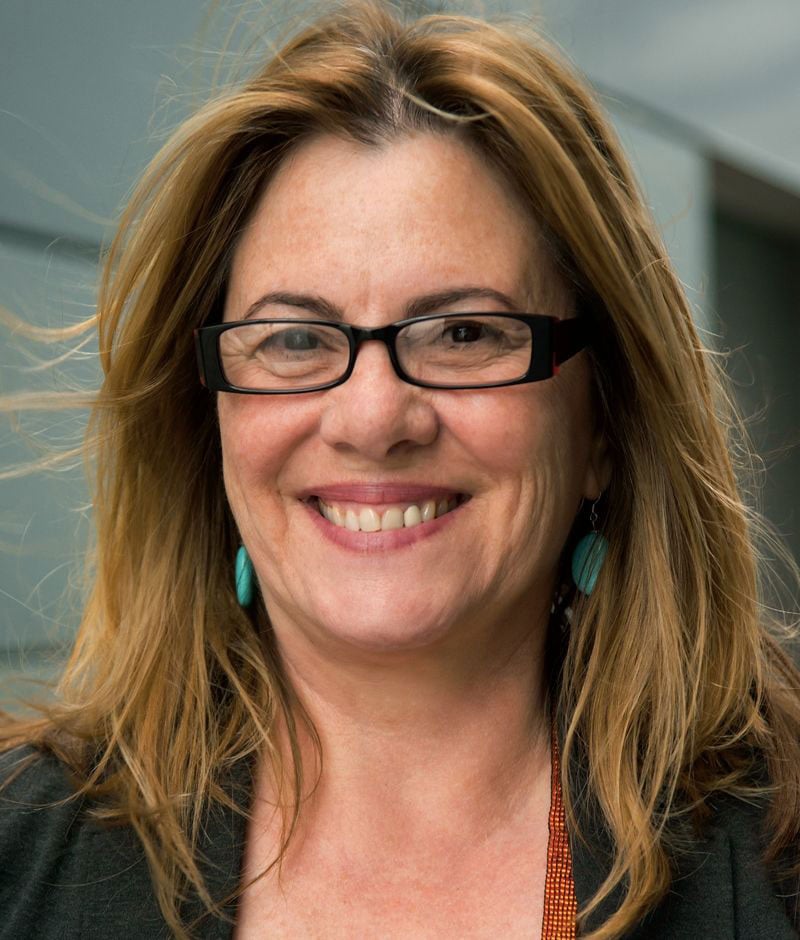
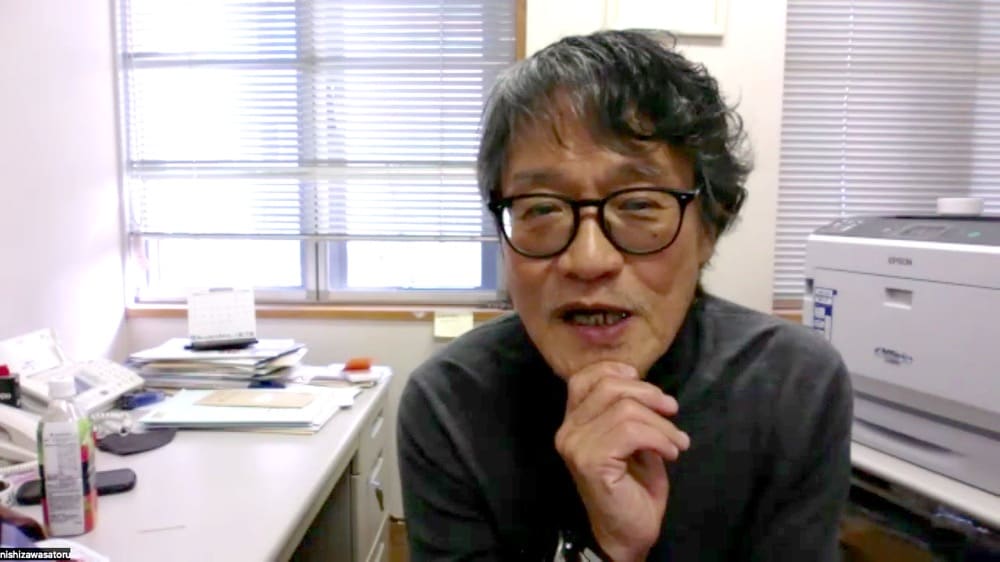
We spoke with Satoru Nishizawa, project professor at Yamanashi Prefectural University’s School of Human and Social Services, about the factors that led to the establishment of the new graduate program and the kind of society that Yamanashi Prefectural University seeks to achieve.
Allocation of specialist staff is essential in order to solve personnel shortages at child guidance centers
The Nippon Foundation Journal Editing Department: Let’s get straight to a key question: How did you come to create the graduate program in human and social services?
Satoru Nishizawa: I have been involved in addressing the problem of child abuse for over 40 years, since a time when it had not yet been identified by society as an issue. I strongly felt the need for institutions equipped to train social workers and other staff with the expertise to tackle child abuse, and in 2007, I took up a post at this university in response to a request for me to train students as specialists in tackling child abuse. With one thing or another, it was 2024 by the time we successfully established such a program. And I am past retirement age already [laughs].
Journal: Why are staff with specialist expertise required?
Nishizawa: You may have seen reports in the Japanese news about cases of child abuse, which show images of a press conference where child guidance center representatives or other staff are delivering an apology. I imagine many people wonder why the staff weren’t able to help the children in question, but there are many cases in which staff respond to a report by visiting the home but are unable to address the situation through the eyes of a specialist.
Although the number of child guidance centers is increasing along with the rise in the number of reports of child abuse, there is an overwhelming shortage of personnel. The staff of child guidance centers are typically people who have been transferred to the center after accruing a certain amount of experience at other welfare facilities, but new graduates fresh out of university and other people with very limited experience are having to be assigned to the centers.
Many facilities are so inundated with cases that they do not have the leeway to train new staff, meaning that new staff are sent reluctantly into the field without the relevant knowledge or experience. On top of this, there is a high turnover rate among child guidance center employees, due to compounding factors that include high work demands, psychological stress, and low salaries.
It is urgently necessary to train specialist staff in order to ensure that the increasingly complex cases of child abuse can be correctly addressed and to create a working environment that encourages employees to stay.
Journal: In the over 40 years that you have been addressing the issue of child abuse, have there been any significant changes or have any new issues arisen?
Nishizawa: I cannot identify anything definitively, due to the various factors that lead to child abuse — from changes in society, to the environments in which the parents were raised and the environments in which parents currently find themselves. And yet I do feel that cases of abuse are becoming more complex than in the past.
It used to be that abuse was often the result of parents believing that they had a duty to make their child do as they say, even if it meant using force, or other such misconceived notions on discipline. But in more recent years, there have been an increasing number of cases in which it is impossible to explain what prompted the abuse — even when we speak with the parents who perpetrated the abuse. For instance, there have been cases of infants being shut in a washing machine or packed inside a bag and abandoned.
Wider recognition of the concept of birth control,[1] along with the technological advances in medicine and health care, has made it possible to consciously control pregnancy and having children to some extent. Children were once often referred to as “gifts from god,” but I think that such a perception is no longer as strong as it was.
It is therefore possible that in some cases parents find themselves abusing their children because they are gripped by the concern that the child they actively chose to have is not growing up as they had envisioned.
Journal: Could it be that while technological advances have given us control in more areas, we have become less tolerant of those that we cannot control?
Nishizawa: There are also researchers that share that opinion. There is the saying: a crying child or the lord of the manor will have their way.[2] It reflects a long-held belief that children are uncontrollable.
- 1: The term is used here to refer to deciding on one’s own terms at what timing one becomes pregnant or has children as it suits one’s career, daily living, marriage plans, or other such lifestyle factors.↩︎
- 2: This Japanese proverb suggests that there is no chance of winning against a crying child or a tyrannical lord, even tackling them with reason, or in other words, when faced with an opponent who does not listen to reason, the only option is to quietly obey.↩︎
Staff specializing in child abuse need to be resilient and have a versatile way of thinking
Journal: Thinking about how staff have to face and tackle each and every case head on is a strong reminder of how extremely demanding the work of child guidance centers is. What specific areas does the human and social services program cover?
Nishizawa: The program encompasses a diverse range of topics, which are divided overall into three pillars: the field of child abuse, in which students study the psychological and psychiatric impacts of abuse and neglect[1] on children; the field of child comprehension, where students learn to understand various children and develop an in-depth knowledge of actual childcare environments; and the social work field, which collaborates with local communities to support children and parents.
Rather than simply studying the theory, we also place emphasis on practical learning, including concurrent hands-on training and field practice at child guidance centers and foster homes. In addition to equipping students to become specialist staff, we also aim to provide recurrent education for people wishing to switch to a career in the field of children’s welfare and professionals already working hands-on in the field. We have therefore developed an environment in which people can learn while working, such as taking classes on weekday evenings and Saturdays and combining online study with in-person classes.
Journal: What kinds of people are suited to becoming a staff member specializing in child abuse, and what kinds of abilities do they need?
Nishizawa: Well first, they must be resilient. They also need a highly inquisitive nature.
Journal: An “inquisitive nature”?
Nishizawa: Yes. When directly handling a case in which a child has been abused, you may be faced with things you never even imagined, and you may be pelted with all kinds of abuse from the parents or the child that needs protection.
In such cases, it is important that staff not simply accept the facts as they hear them, but be inquisitive about the background behind what happened and ask questions like, “Why did such a situation arise?” and “What do these aggressive words and behavior tell me?”
It is necessary to work on this basis to systematically analyze the behavior, asking questions like, “Is this child trying to make me angry?” or “Is the child testing how far it can go with such language and still get away with it,” or “Could this be the recreation of abuse[2]?”
Journal: What kinds of paths do you envisage students taking after graduation?
Nishizawa: In addition to child guidance centers, there is a wide range of facilities that may come into contact with cases of child abuse, including day care centers, preschools and other childcare facilities, welfare facilities for persons with disabilities, foster homes, or community family support centers. As we want to ensure that the new graduate program offers a chance for people who work with these issues hands-on to gain further training, we would like them to acquire even more advanced knowledge and skills while working in each of these work environments as specialist staff.
We would like to work with those students who have come to the graduate program straight from undergraduate courses or people who have come to study after working in another field to consider their respective areas of interest and the path they wish to pursue.
- 1: Here “neglect” refers to abandoning a child, inappropriate care to the extent that it is damaging to the child’s health, or gross negligence with regard to the dangers faced by the child.↩︎
- 2: The tendency among children who have been subject to abuse to unintentionally repeat the abusive relations with their caregiver in new relationships.↩︎
Child abuse is a problem for society as a whole — It is important to create a reassuring environment for raising children
Journal: The Japanese government has taken various measures to address the issue of child abuse, such as enacting legislation in 2022 aimed at supporting households raising children (“the Act Partially Amending the Child Welfare Act and Other Legislation,” external link, in Japanese) and establishing the Children and Families Agency in 2023. Why do you think the number of consultations on child abuse continues to rise?
Nishizawa: We tend to think that child abuse is a family issue, but the problem in fact lies with society as a whole. In addition to the issues often raised in the media, such as parents’ poverty or isolation, I think that another significant problem and factor behind child abuse could be the social disadvantages of having children, such as having to put one’s career on hold, having to leave one’s job, or change one’s way of working to have or raise children — that is, what is referred to as the “child penalty.”
With a growing number of the younger generation not wishing to have children due to financial concerns, I think it is important that changes are made to ensure a society in which young people want to have children and are able to raise children while working as they wish to. “Let’s root out abuse” is a common slogan in Japan, but surely it will be impossible to entirely eradicate cases of abuse without changing society itself.
Journal: What can we each do as individuals to change the environment for raising children to reduce the cases of child abuse?
Nishizawa: Hmm, that is difficult to sum up in one answer…Parents who are violent toward their children each have their own issues to deal with and are suffering deeply. Naturally, abuse itself is never acceptable, but there is no such thing as a parent who has a child intending from the outset to harm them.
It saddens me to see criticism of these parents on social media, such as abusive parents or parents with issues being labelled “toxic,” or posts such as “they deserve the death penalty.” I think that rather than exclusively fixating on the act of violence, it is important to focus on the current social conditions that may have contributed.
Editor’s Note
When one hears from those directly addressing actual cases of child abuse that there are many incidences in which parents who were themselves abused are strongly determined not to repeat such abuse when they become parents but are prompted by the slightest trigger to abuse their children, it seems that anyone could potentially become a perpetrator of abuse.
What is your idea of a society in which it is easy to raise children? What kind of environment could provide reassurance when raising children gets hard? Surely, if both people who have children and people who do not work together to envisage such a society, we can create a society in which anyone can raise children at ease.
Text: The Nippon Foundation Journal Editing Department
Profile
Satoru Nishizawa
Currently a project professor at the Yamanashi Prefectural University Faculty of Human and Social Services, and chairman of the Japanese Society for Prevention of Child Abuse and Neglect. Born in 1957, Mr. Nishizawa graduated from the Osaka University School of Human Sciences with a major in behavioral sciences and completed the master’s program in counseling at the University of San Francisco School of Education. He lectured full time at the Japan College of Social Work Faculty of Social Welfare and held roles as assistant professor at the Osaka University Graduate School of Human Sciences and professor at the Yamanashi Prefectural University Faculty of Human and Social Services before taking up his current position. He became involved in psychotherapy after coming into contact with children who had undergone abuse in his work at a short-term treatment center for children with emotional disorders. He is active in a wide range of areas, including research and practice related to the trauma experienced by children who have had difficult upbringings or attachment disorders and other such psychological impacts, and the approaches taken to psychotherapy, and providing expert opinions on the psychological state of perpetrators in cases of abuse-related fatalities.