Significance of Spreading the ‘Youth-Friendly Pharmacy’ as a Healthcare Consultation Space for Young PeopleA pharmacist’s view
Key Points
- Sexual and reproductive health and rights (SRHR) are not well recognized in Japan.
- The “youth-friendly pharmacy” is a healthcare consultation space for young people that is held for the purpose of expanding SRHR.
- By cultivating a sense of human rights that respects both oneself and others, the pharmacy seeks to create a society where SRHR is the norm.
Do you know the term “sexual and reproductive health and rights (SRHR)”?
It refers to a person’s right to have their privacy and self-determination respected when it comes to their own body. Specifically, it refers to being able to decide for yourself when and with whom to have sexual relations, whether to have children or not, and when and how many to have.
SRHR is considered by many people around the world to be a basic human right, but few people in Japan are familiar with it. The reason for this is the current state of society where human rights are not respected and therefore topics related to sex are considered taboo.
In addition, sex education is taught too late, and when schools do teach about reproduction, there are restrictions known as brake regulations* that prevent teachers from discussing the sexual activity that leads to pregnancy. As a result, they face such problems as not being able to convey enough knowledge about contraception or other issues to young people and it is difficult for students to consult with their teachers even if they have concerns about sex.
- The curriculum guidelines set by the national government state that “the process leading to human fertilization shall not be dealt with” and “the process leading to pregnancy shall not be covered.” These restrictions are commonly known as the “brake regulations” (hadome kitei).
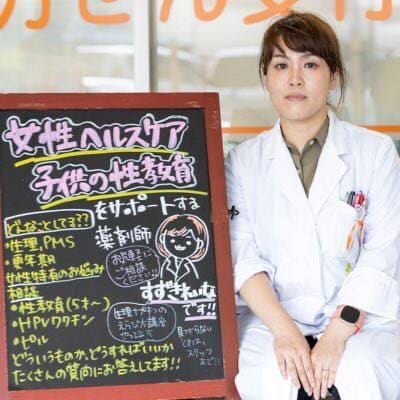
To address these problems, Reina Suzuki, a pharmacist who works at a pharmacy in Arakawa Ward in Tokyo and serves as the representative of SRHR pharmacy PROject (external link, in Japanese), is carrying out efforts to create a society that fully incorporates SRHR.
One of these activities is a “youth-friendly pharmacy,” which provides a place where young people can easily consult about their physical and sexual health. We spoke to Ms. Suzuki and asked her what kind of activity it is and why she, as a pharmacist, is carrying out this work.
The delay in sex education in Japan is complicated — so is providing a place for adults to learn
The Nippon Foundation Journal Editing Department: Can you share with us why you launched the SRHR pharmacy PROject?
Reina Suzuki: While working as a pharmacist, I began to think about what a pharmacy space should be like. Originally, I think pharmacies were seen as a familiar part of a town and were places where anyone could easily enter and consult with the pharmacist about their body and their health, but as the model of dispensing pharmacies became more established, it became a difficult place to enter without a prescription.
I wanted to break through that pattern and make it a place where people can come and get advice about their body before they become sick, not just after. That’s what I thought a pharmacy should be.
Journal: How did you get from that point to where you are today?
Suzuki: I had a vague feeling that I wanted to contribute to the community, and while I was looking for something I could do, I was studying women’s health care, which I was originally interested in, and I came across the concept of SRHR.
Internationally, it’s treated as a basic human right, but the idea hasn’t spread in Japan, and I thought it should be better known.
To put it in easy-to-understand terms, SRHR is the idea that we should make it the norm that your body belongs to you, that your privacy should be protected, and that your right to self-determination should be respected without discrimination, coercion, exploitation, or violence.
Journal: Why has the concept of SRHR not become widespread in Japan?
Suzuki: Although Japan is gradually becoming more open, I think the reason is that there is a culture in which sex is something secret, and sex education is not progressing much. In terms of the lack of progress in sex education, there are various factors. It is hard to sum it up in just one word — there is the environment, society, Japanese ethnicity, and so on.
Japanese people have a high degree of collective consciousness, so for some people, there is a high hurdle to overcome in order to seek a consultation. Some people may be introverts or reluctant to talk about private matters with an outsider. Both young people and the working generation live in a society where they feel that anxiety and failure are not allowed, so I think there are times when they wonder, “Is it okay for me to say, ‘I’m worried about this’?”
For example, each person has different concerns about menstruation. Even if someone thinks it is okay because they can endure that much pain, many times when we listen carefully to their comments in the counseling room, we are able to determine that they should go to the doctor and get checked out.
Journal: Are there other issues with sex education in Japan as well?
Suzuki: Contraception and the lack of opportunity to learn about it is an issue.
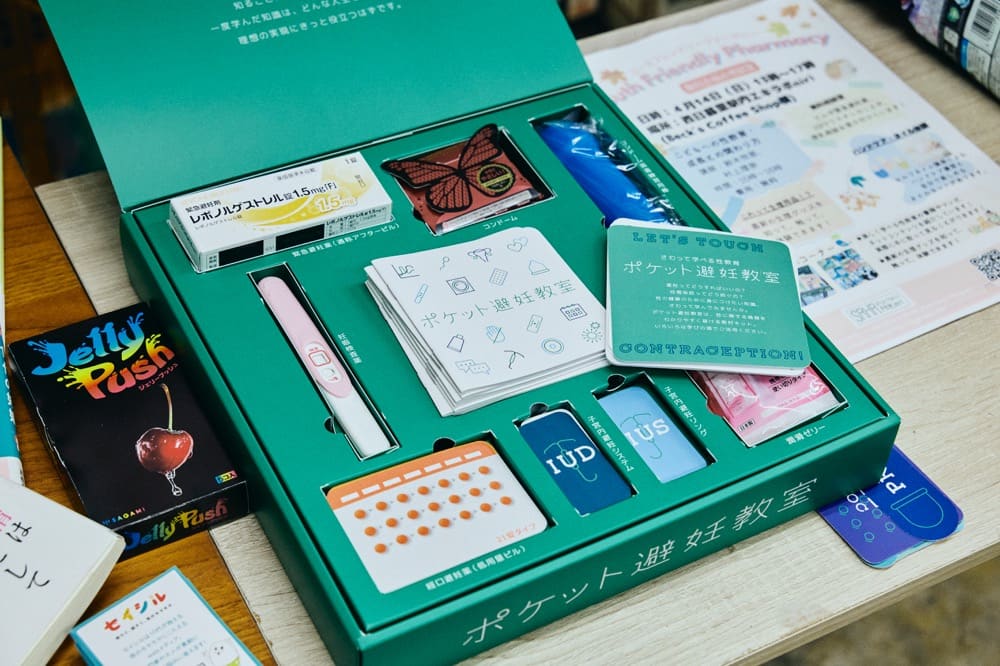
In Japan, condoms are generally recognized as contraceptives, but they were originally intended to prevent sexually transmitted diseases, and their effectiveness as contraceptives is not as good as low-dose pills. There is a Pearl Index[1] that measures the contraceptive failure rate, and the contraceptive failure rate of condoms is 2–13, while the Pearl Index of birth control pills is 0.3–7, so the failure rate of condoms is higher than that of pills.
Contraception is not only an issue for women, but also for men, and the only opportunity to learn about such things is in a class when you are in high school. Although it is a very important part of a person’s social life, I feel that there are few opportunities to learn about it once you become an adult, so that is also a problem.
However, the mood has changed a little now, and there is a trend toward recognizing the importance of learning about this issue well, so I would like to further expand the foundation for that in the community.
Journal: What is the significance of pharmacists being the ones to spread the concept of SRHR?
Suzuki: At the pharmacy, we offer consultations on general healthcare. Sometimes it is related to sexual health issues, such as contraception, menstruation, and menopause.
By working to ensure that pharmacists have a mindset that respects SRHR and that they provide a variety of information and options, we can support the self-determination of patients and pharmacy visitors. I also felt that it was a problem that SRHR is not well known among pharmacists either.
I wanted local residents to view pharmacies as a place where they can consult about their health, including sexual health.
Journal: What are the main activities of the SRHR pharmacy PROject?
Suzuki: There are three main pillars of our activities.
One is to provide a place where you can learn about SRHR, and we regularly hold study sessions and workshops. Next is making policy recommendations. Recently, there was a trend to make emergency contraception available over the counter,[2] but once it’s introduced, pharmacists are the ones who are responsible for sales. However, since there is no place where the voices of pharmacists in the field can be heard, we would like to think about how pharmacists can be utilized in the community and how they can be involved, and we advocate for that through our organization.
Finally, we are working on establishing an ideal way of operating youth-friendly pharmacies in Japan, as some countries overseas have made them permanent establishments.
Journal: What are “youth-friendly pharmacies”?
Suzuki: It’s an initiative led by the government and nonprofit organizations that is spreading to developing countries, where access to medical care can be difficult, and in countries such as the United States, where there is no universal health insurance system. It’s a pharmacy in places like downtown locations where they offer young people counseling on safe sex, testing for sexually transmitted diseases, free distribution of birth control pills and condoms, and support for victims of sexual violence. This is an initiative that Japan has not had before.
Journal: So, you thought that youth-friendly pharmacies were needed in Japan as well?
Suzuki: Yes. I felt that there weren’t many places in Japan where young people could consult not only about sex but also about health care, so I wanted to become such a place.
But on the other hand, in Japan there are many hospitals and clinics, and all citizens are insured, so it wouldn’t be possible to introduce the same type of youth-friendly pharmacies that they have in other countries. As a result, I started working with my colleagues who are pharmacists and public health nurses to establish it while exploring how best to do it in a way that is unique to Japan.
Journal: Are you currently operating a youth-friendly pharmacy at the pharmacy where you work?
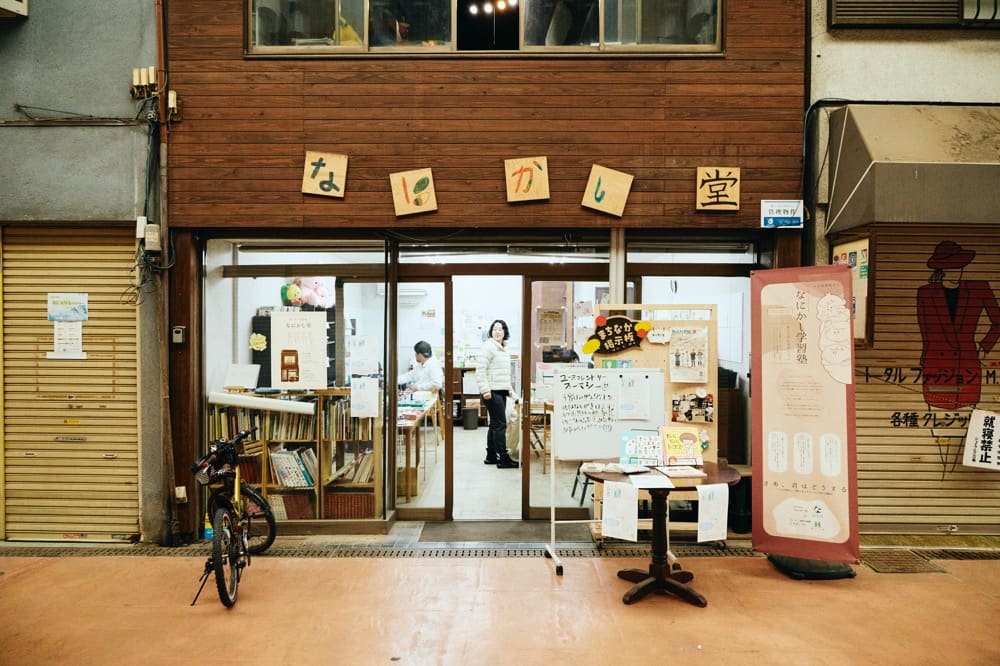
Suzuki: Yes. In addition, I have also been able to offer counseling at a community center for children called Nanikashido, located in Minamisenju in the Arakawa Ward in Tokyo, and at community events.
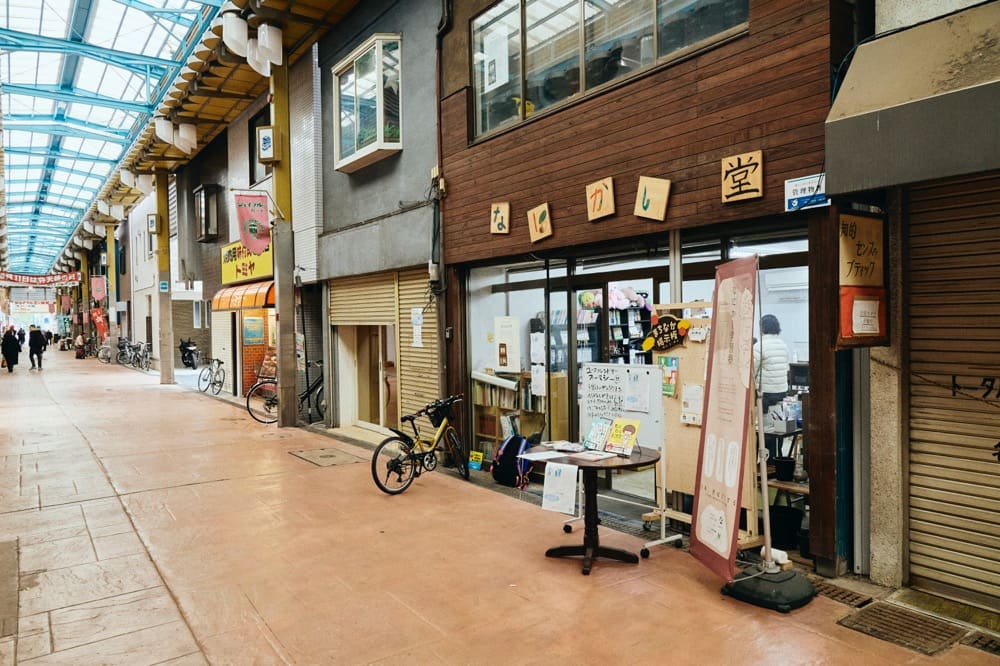
Suzuki: The events are held about once a month and are mainly aimed at adolescents and the working generation, while sometimes parents and children come together.
Journal: Do many young people actually come to consult about sex and their bodies?
Suzuki: The flyer states that sexual counseling can be provided to the general public, but it is only one of the aspects of health care. At Nanikashido, most people don’t know much about it, but because there is an event, they wander in and as they look at the sex education books and menstruation-related goods on display, they often start talking and that develops into a discussion about their concerns.
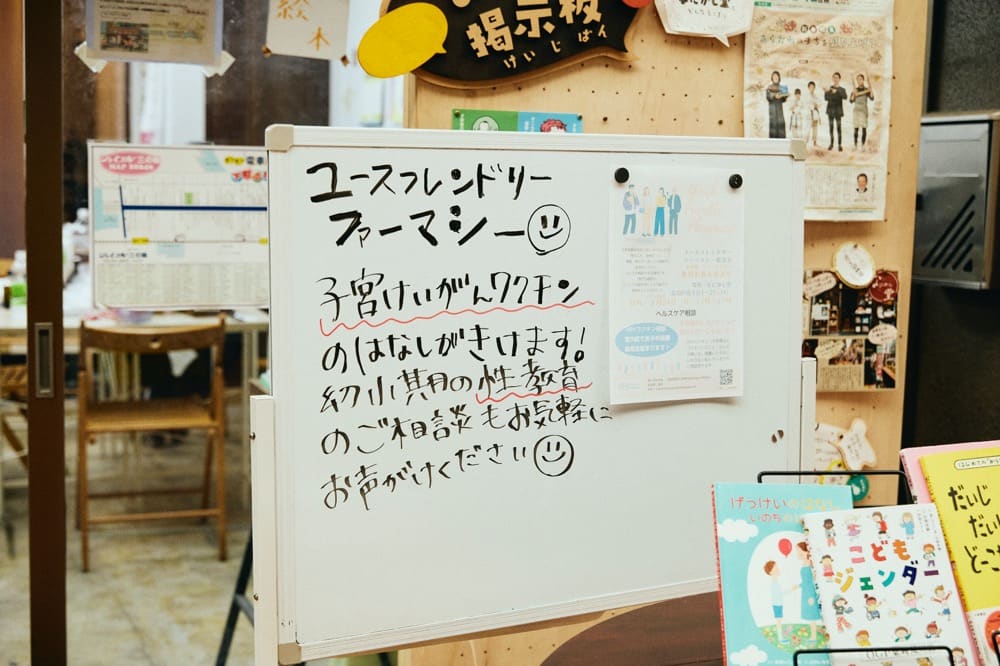
Journal: What are the most common topics for the consultations you have done so far?
Suzuki: There are a wide range of issues, including various consultations related to menstruation, diet, fertility and infertility, and menopause-related problems. Sometimes we also are consulted about the person’s relationship with their partners or contraception.
Journal: How do you respond to consultations with those types of people?
Suzuki: It’s not consulting so much as it is providing information. If the person is worried that their boyfriend won’t use protection, then we tell them that there are contraceptive methods for women such as pills, or because there is also a possibility that there is date DV involved, we casually give them a form for checking for DV… If that strikes home, then we can provide information about the necessary support and services available.
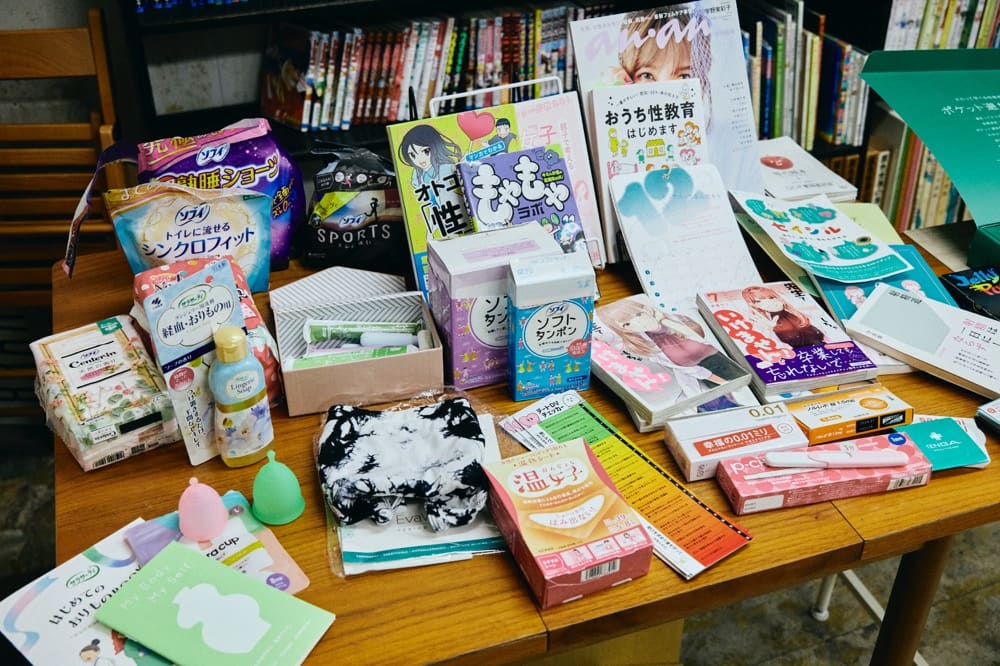
Journal: Is there anything you are conscious of when dealing with young people?
Suzuki: I am aware that there are completely different values from when I was an adolescent. For example, if a child who isn’t really fat says, “I want to lose weight,” we adults will tell them, “You don’t need to lose weight.” But for today’s children, appearance is a very important factor, and it actually happens that if they lack that, they are not included in the group, or they are ignored by their friends.
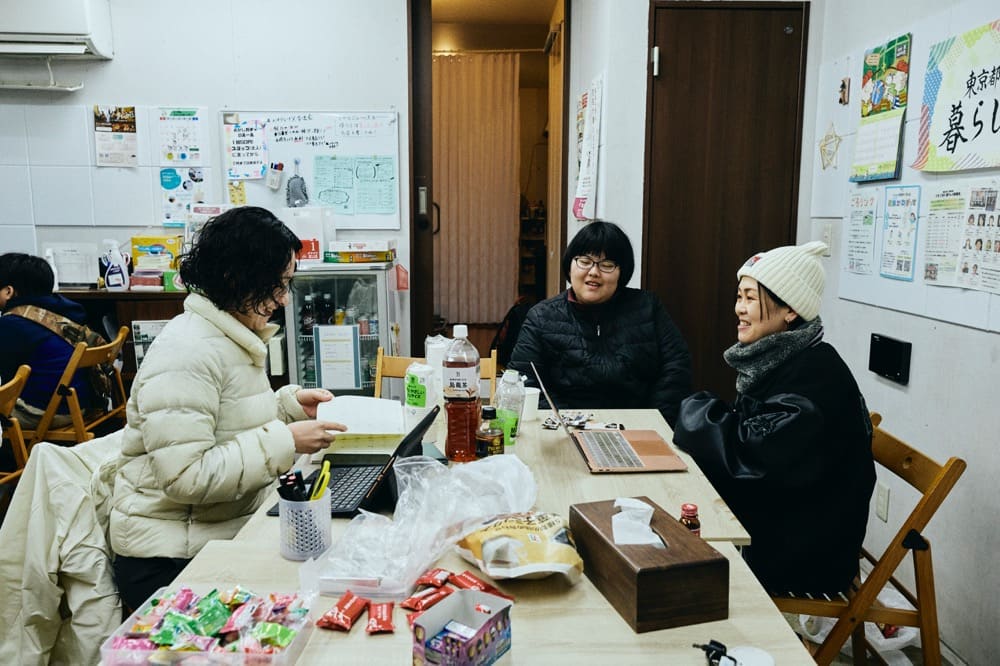
Setting aside the question of whether that situation is good or bad, I think it is cruel for adults who don’t understand that background to casually impose their own values when they talk to children. Therefore, in addition to healthcare, we also use external programs to learn how to interact with adolescents.
- 1. The Pearl Index is the number of pregnancies in one year for 100 women who used that method of contraception. Reference: “Planned pregnancy (contraceptive methods, etc.),” National Center for Child Health and Development (external link, in Japanese)↩︎
- 2. While emergency contraception can be purchased at pharmacies without a prescription in about 90 countries around the world, Japan has been slow to respond. However, it has been available in some pharmacies on a trial basis since November 2023, and there is a trend toward offering it over the counter in Japan as well. Reference: “Trial sales of emergency contraception without a doctor’s prescription — What type of pharmacies? When will it begin?,” NHK (external link, in Japanese)↩︎
In order to expand SRHR, we must cultivate a sense of human rights
Journal: What can each of us do as individuals to spread the concept of SRHR in Japan?
Suzuki: I think it is important to have a sense of human rights, or in other words, an awareness of the need to take care of both oneself and others. In the case of Japanese people, including myself, the idea of human rights is lacking. No matter how much effort we put into sex education, I don’t think SRHR will be understood well if we don’t have a sense of human rights.
For example, there is a growing awareness of the concept of “sexual consent,” which means confirming one other’s feelings before engaging in sexual activity, but there are some people who are negative about it because it “breaks the mood.” It’s not about “mood,” but about respecting the other person’s physical condition and feelings, which is also respecting the other person’s human rights.
I think we need to create an atmosphere that is conducive to learning about human rights
Journal: How can we bring about that change?
Suzuki: I believe that it’s important to convey human rights from an early age, and it has to be done both at home and at educational institutions. However, if adults don’t have a proper understanding of human rights, they won’t be able to convey it correctly to children, so I think we need to have opportunities to learn about it in the community. That’s why we are carrying out our work, even if it is little by little.
If you understand the idea of SRHR, you realize the need to respect yourself, your partner, and others, and not just you but those around you as well will be happier. I hope that those who have seen this will know that there is a concept called “SRHR.”
Editor’s Note
Many people may think that it is difficult to talk about sex, whether it is with a partner or between parent and child. However, I was able to see that the atmosphere in which sex is viewed as a taboo subject is impeding the progress of sex education and SRHR in Japan.
I believe that the number of young people who are worried or suffering because of sexual problems can be reduced by fostering a sense of human rights — not only among young people but all people — that instills respect for both oneself and others, and by creating a place and systems where people can talk to professionals about sexual health in the same way as their physical health.
Profile
Reina Suzuki
Graduated from Hokuriku University. As a pharmacist who supports the health of women and children in the community, she energetically carries out such activities as holding women’s healthcare courses and sex education courses at pharmacies. In order to make pharmacists a more familiar presence in the community, she also conducts activities outside of the pharmacy (for example, holding workshops). One of her organization’s activities, the youth-friendly pharmacy, aims to serve as a counseling room for young people and operates out of various locations in Arakawa Ward. Ms. Suzuki won the Grand Prize at the 5th Pharmacy Award.
Text: The Nippon Foundation Journal Editing Department
Photos: Eizaburo Sogo