The Future of Public ToiletsAccording to Entertainment World’s toilet expert Mitsuharu Sato and toilet consultant Nobutaka Yamato
Key Points
- Improvements to public toilets tend not to happen unless issues affecting their use arise.
- How each municipality secures its budget for public toilets, which tend not to be a priority, is a challenge.
- Toilets with superior design and function can potentially encourage tourism and population influx.
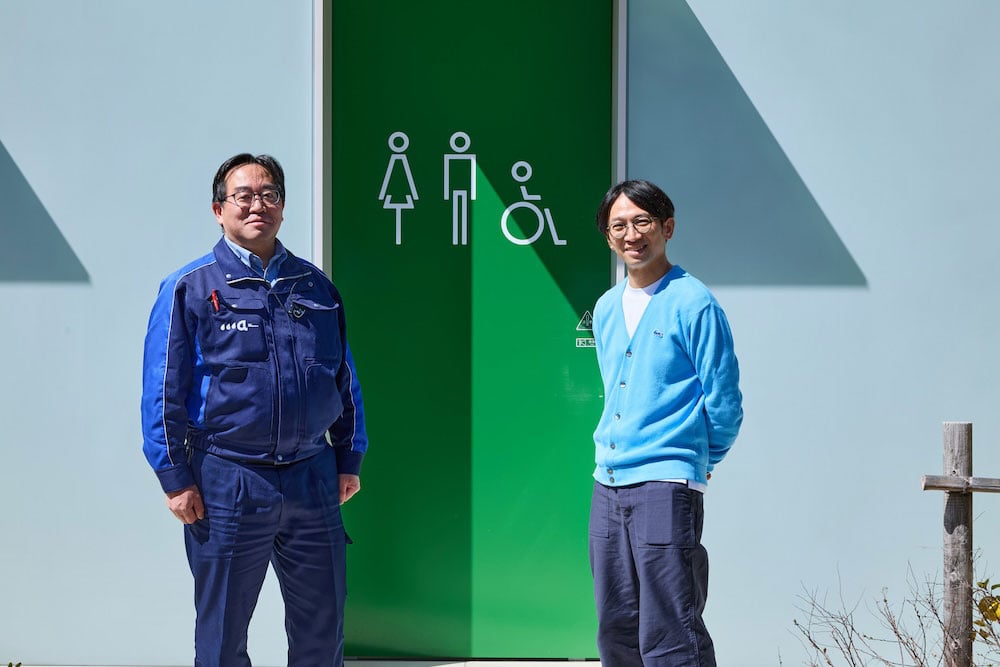
The Nippon Foundation’s THE TOKYO TOILET Project (open in a new tab) was launched in 2018 with the aim of turning public toilets, which for many years were perceived as being smelly/filthy/dark/scary, into a place that everyone, regardless of gender/age/disability, can use comfortably.
With the cooperation of Shibuya City (Tokyo), Daiwa House Industry Co., Ltd., TOTO Ltd., and the Shibuya Ward Tourism Association, public toilets boasting superior design as well as functionalities, conceived by 16 world-renowned architects and designers, have been installed at 17 sites within Shibuya City. By emphasizing cleaning and maintenance as well as design, the project sought to challenge society with a future vision for public toilets.
- Note: For further information, see THE TOKYO TOILET Project
These public toilets drew attention from many corners, including a movie being made based on the project, PERFECT DAYS (directed by Wim Wenders) (external link), featuring the actor Koji Yakusho as a toilet cleaner in the lead role. The toilets were handed over by The Nippon Foundation to Shibuya City in June 2023, and all aspects of their operation, including management and maintenance, were also transferred from April 2024.
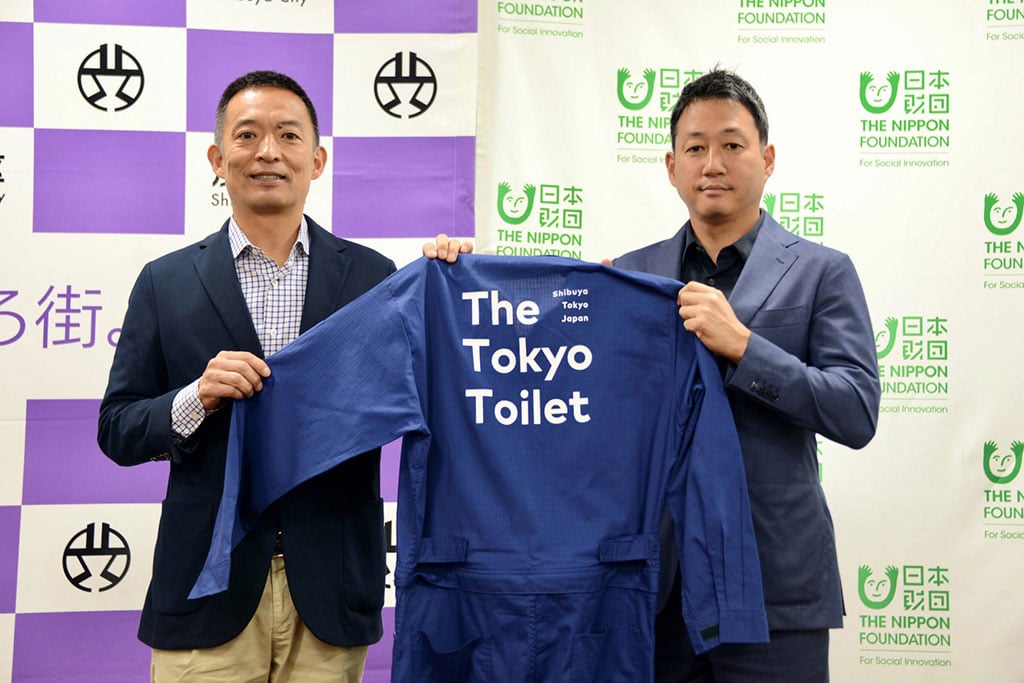
Nobutaka Yamato, a toilet consultant who is president of Amenity Co., Ltd. (external link, in Japanese), compiled assessments of each of the facilities as a project summary.
We have invited Mr. Yamato and Mitsuharu Sato, a comedian and scriptwriter known as the entertainment world’s leading expert on toilets, to discuss how one might build a society that allows everyone to use public toilets comfortably, while reflecting on the significance of this project and what the project entailed.
Old public toilets don’t get refurbished because “they are still usable.”
The Nippon Foundation Journal Editing Department: To start with, can you both explain your involvement with toilets?
Nobutaka Yamato: Amenity, the company I represent, provides maintenance to keep toilets in a comfortable state based on scientific rationale, and we also have an internal accreditation scheme — approved by the Ministry of Health, Labour and Welfare — for “toilet consultant” who diagnoses toilet-related problems.
When THE TOKYO TOILET was launched, Junko Kobayashi, who is the chairman of the Japan Toilet Association (external link), made a proposal to The Nippon Foundation in relation to the importance of maintenance of public toilets, and that’s how we came to be involved in the project.
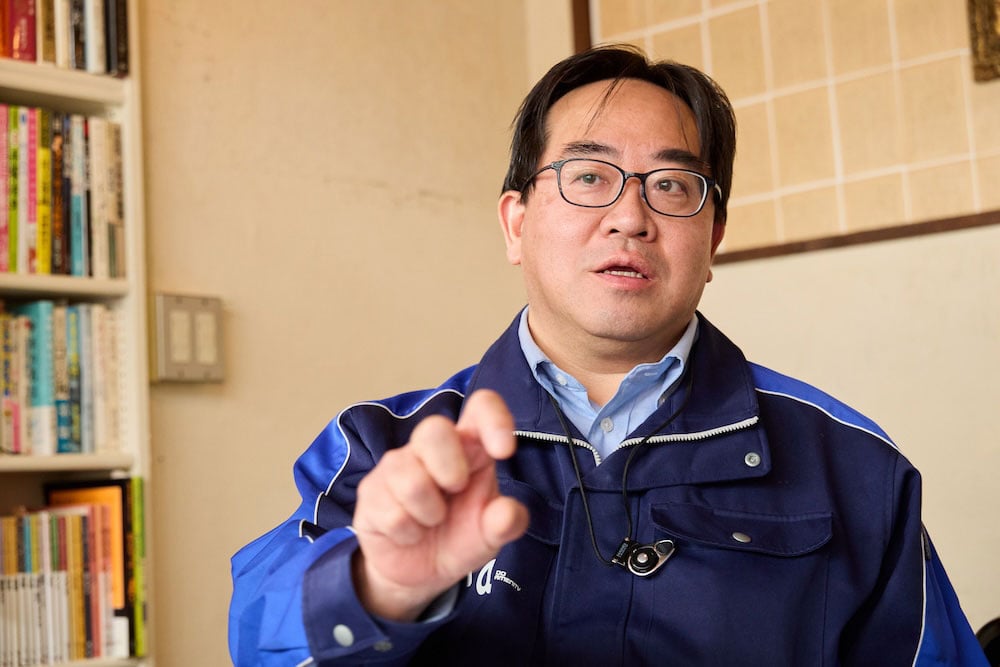
Mitsuharu Sato: Unlike Mr. Yamato, who is a professional when it comes to toilets, I am an entertainer and a broadcast writer by trade, and toilets are just my hobby and something that fascinates me. I was so fascinated with toilets that I started studying them and even joined the JTA as an individual member. I started engaging in activities to signal my love for toilets, like writing books about toilets and attending toilet-related events, and it’s through those activities that I got to know Mr. Yamato.
I even went to Amenity to get trained, and became qualified as an honorary toilet consultant [laughs]. So, as far as my involvement in toilets is concerned, I can probably be described as “someone who loves toilets.”

Journal: The objective of THE TOKYO TOILET Project was to make public toilets easier for everyone to use, but what are the main problems with public toilets?
Yamato: Public toilets are often described as being “smelly/filthy/dark,” and for women and children, I think we can add “scary.” Due to the nature of their job, those who work in transportation and are constantly on the road, such as taxi drivers and truck drivers, seem to use public toilets often, but given that you can use toilets in commercial complexes and convenience stores, most of them probably use public toilets only in a dire emergency.
Sato: And that’s partly because there are a lot of old public toilets that were built many decades ago. Thanks to the technological advances made by manufacturers, the quality of sanitary ware* has increasingly improved over the past few decades. In other words, they are less likely to break and because “they are still usable,” the reality is that old toilets continue to be used.
- Toilets, urinals, washbasins, wash sinks, bathtubs, and other ceramic fixtures used in sanitary facilities.
Yamato: Sanitary wares themselves don’t break for 40 to 50 years. However, piping and other ancillary facilities in public toilets are an entirely different story. It’s not unusual to see public toilets where, for example, water leaks from around the lever when you flush, or the door doesn’t open and close smoothly because the door has become deformed. Even so, and unfortunately, it appears that budgets are often not allocated to renovation on the basis that “they can still be used without any problem.”
Sato: It wasn’t so long ago that there was a story about a commercial complex seeing an increase in customers after cleaning their toilets. I believe that projects like THE TOKYO TOILET have appeared precisely because there have been cases of data clearly showing a cause and effect that makes our communities brighter and more habitable through public toilets.
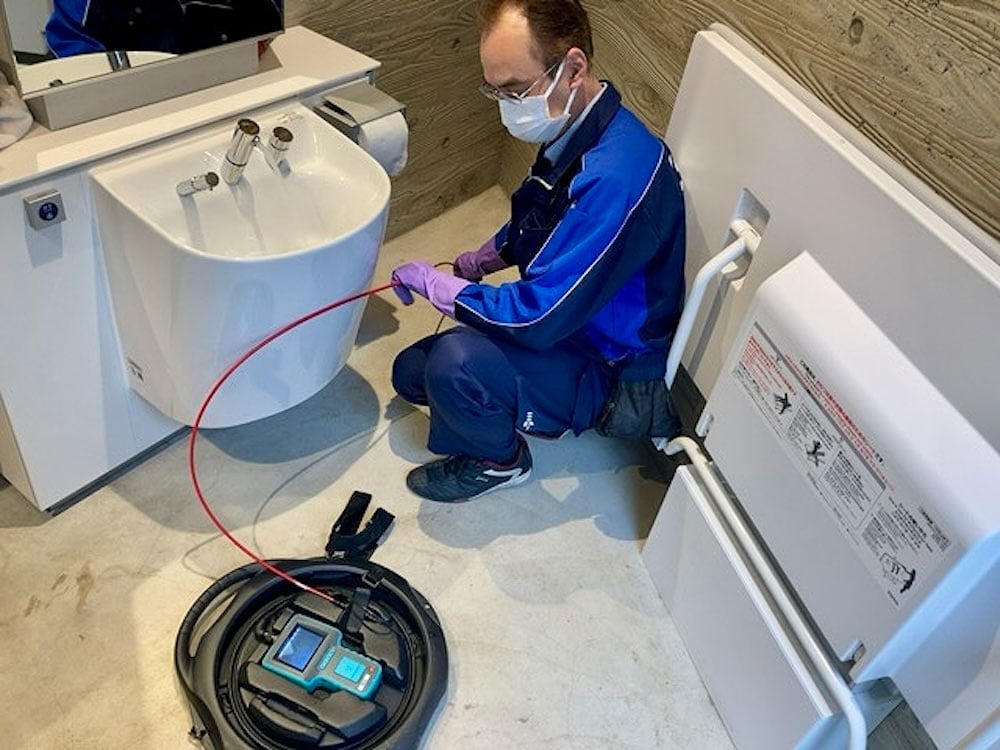
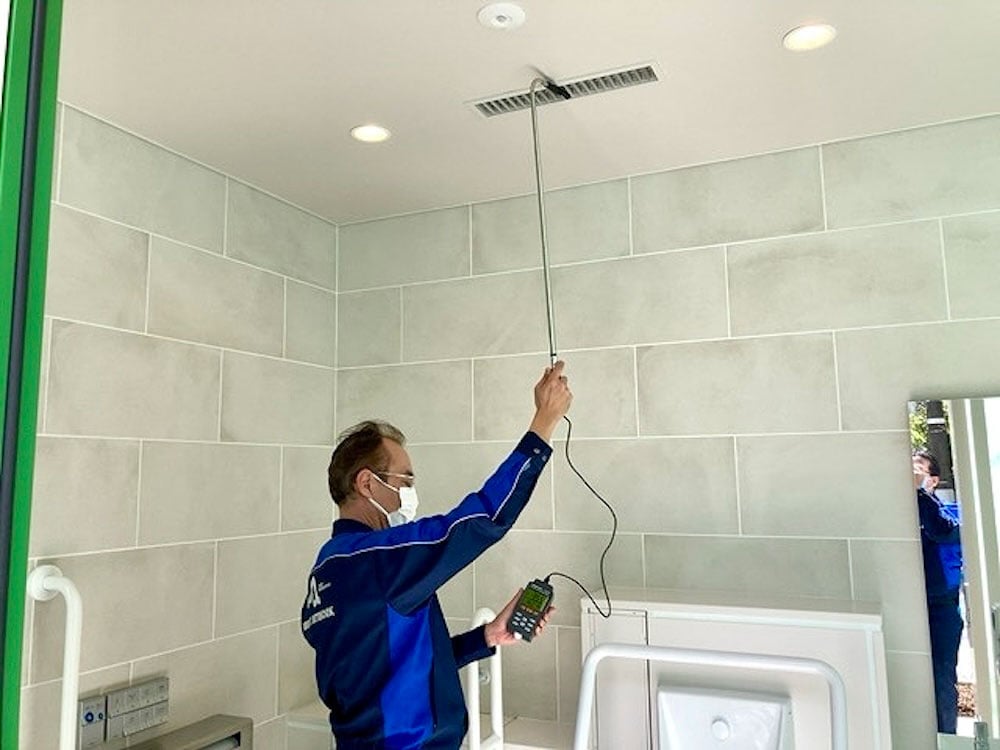
Daily maintenance is a must to keep the toilets comfortable
Journal: Visiting one of THE TOKYO TOILET’s public toilets, the Nishihara Itchome Park Toilet designed by the architect Takenosuke Sakakura. What are the aspects of this toilet that make it easy to use as a public toilet?
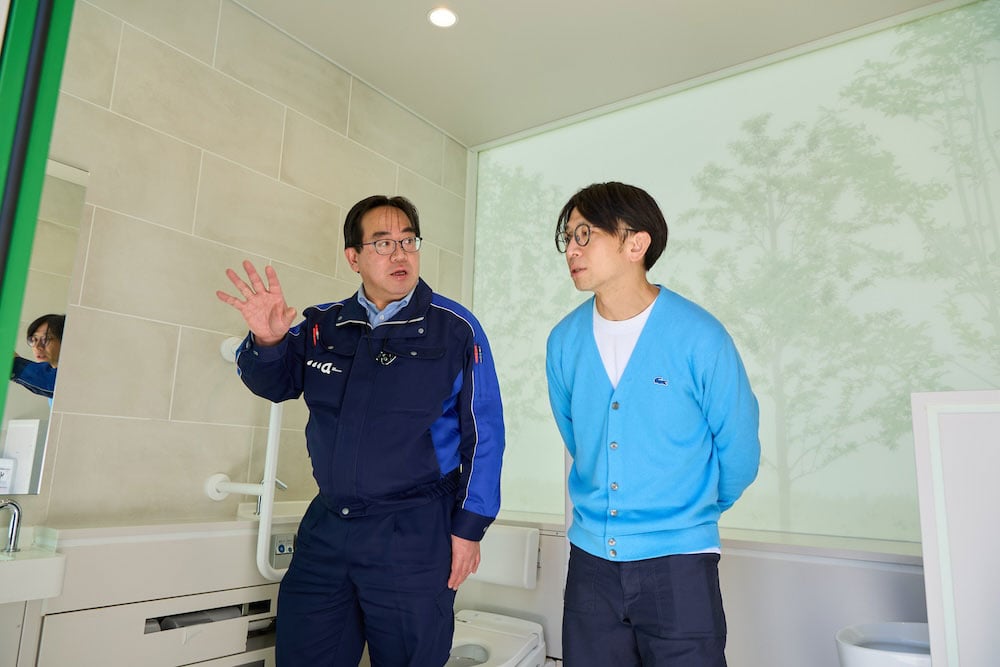
Yamato: To start with, it is spacious enough to be easy to use, even if you are accompanied by a child or you are a wheelchair user. It is air-conditioned, and is cleaned to the same standard as a hotel or a department store. And during the day, ample sunlight is allowed in so it’s sufficiently bright. During the night, the entire building lights up like a lantern and keeps the surroundings bright, so it also serves to increase the safety of its surroundings. It is the absolute pinnacle of public toilets, if you ask me.
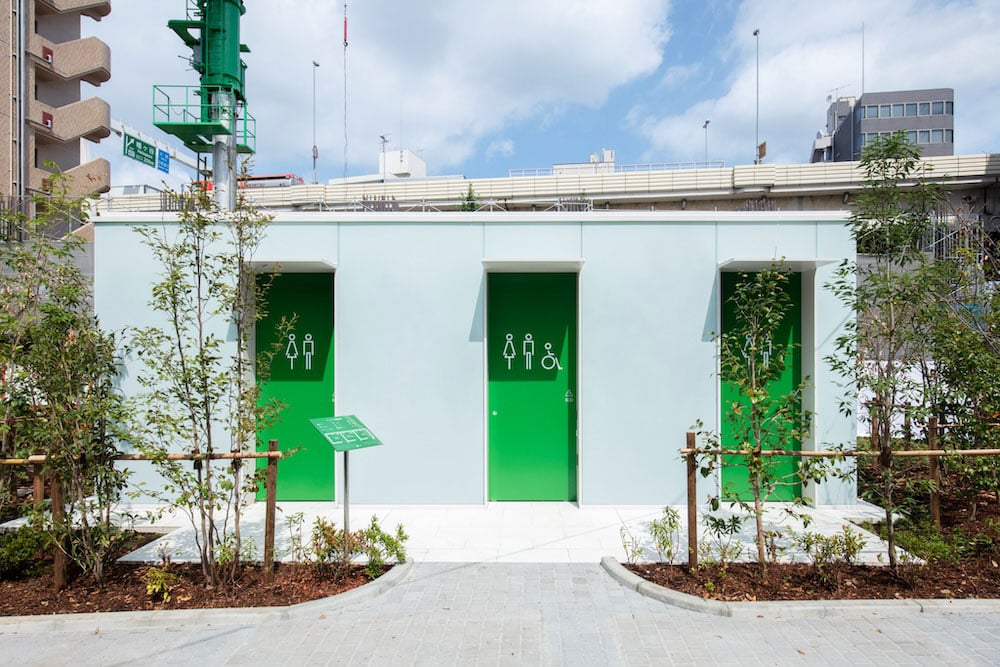
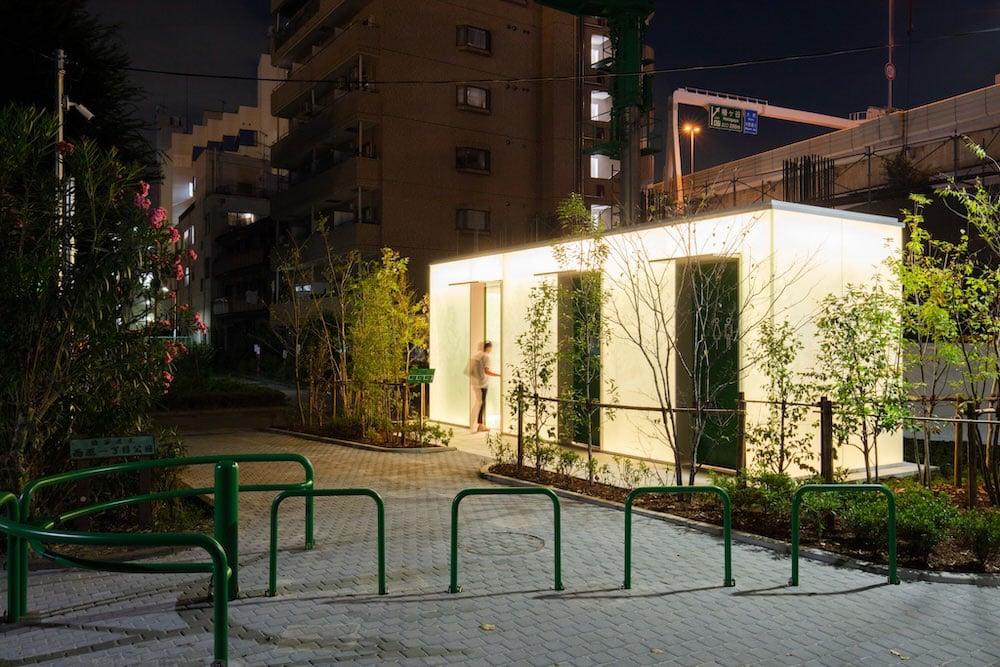
Sato: I would imagine that there were people who wondered if it is really necessary to spend that much money on a public toilet, until they saw an end result like this. But having these public toilets in your community gives you peace of mind, and also makes you more attached to the area you live in.
One thing you can say about the public toilets of THE TOKYO TOILET in general is that they are basically the polar opposite of the idea that “it’s good enough if they are usable and there is no need spend too much money,” which has plagued conventional public toilets. Attention is even paid to aspects like appearance and design, and they’re so cool that you just want to go inside. It would be great if this approach to public toilets were to spread more broadly to other areas, starting from Shibuya City.
Journal: If we were to introduce more pleasant public toilets in the future, what are the hurdles that need to be overcome?
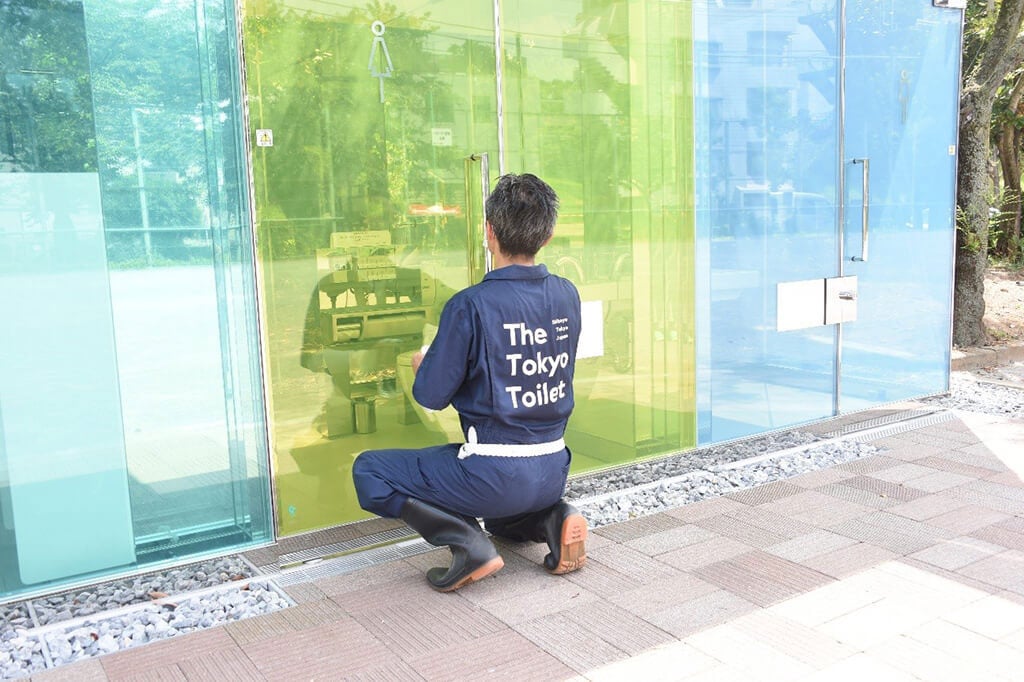
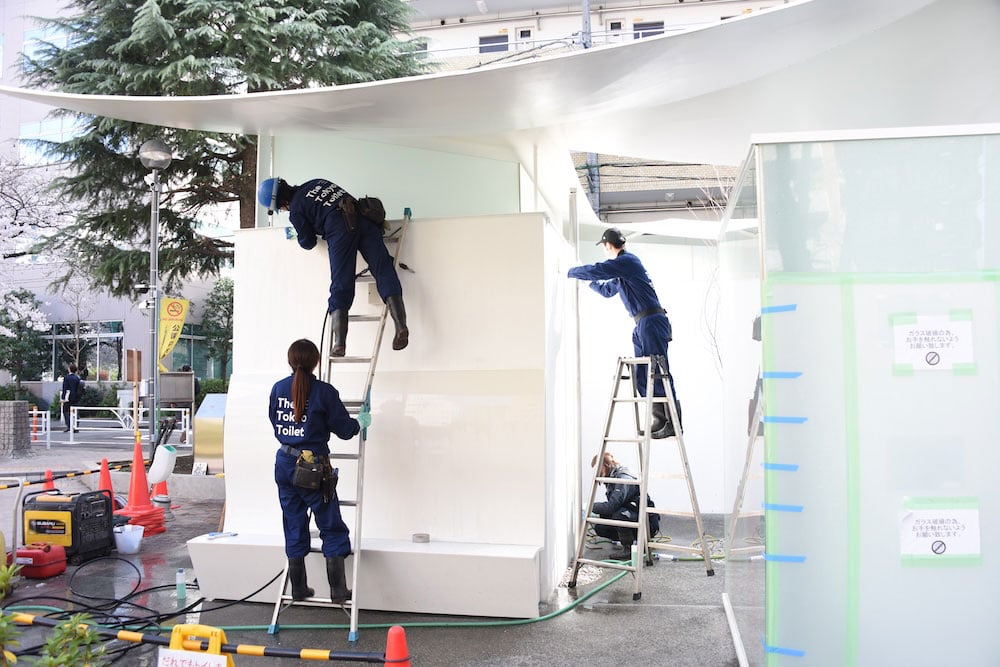
Yamato: If you want to keep toilets pleasant, maintenance is really important. The human being is a creature that relieves itself five to seven times a day, and the toilet becomes soiled every time that happens. In other words, toilets deteriorate every day, and even more so in case of public toilets that are used by dozens of people every day.
Just like brushing your teeth, it’s important to clean the toilet every day to prevent daily grime from accumulating. And in the same way that plaque accumulates even with daily tooth brushing, grime that cannot be removed with daily cleaning will need to be removed periodically. The characteristics of grime will vary depending on the local water quality, so you will need to bring in a professional for appropriate treatment.
Sato: So, if you want to do the maintenance properly, you will of course incur costs for doing so, but as discussed earlier, public toilets struggle to get prioritized for budget allocation on the basis that “they are still sufficiently useable in their current state” and that has been a quandary for many years. In that sense, I also feel that it’s important to think about how residents and citizens might lobby their municipalities to demand that public toilets be kept clean.
The first step in cleaning is to look at the toilet properly, without looking away from the filth
Journal: Are there any techniques we can use to keep the toilets in our homes clean?
Sato: Whether it’s a public toilet or your toilet at home, I think the basic starting point is to look at the toilet properly. People tend to feel that a toilet is filthy and not something you can stare at directly, but as Mr. Yamato says, it is a place that’s guaranteed to become soiled every day, and once it is soiled in one spot, germs can spread from there. Therefore, looking at it properly on a daily basis and promptly cleaning up any grime is the key to its maintenance and upkeep.
Yamato: Additionally, while most of the dirt and grime we encounter in our daily lives are oil-based, the toilet is the one place where alkaline stains occur. It’s called “urine scale,” and it forms through the deposition of calcium in urine onto sanitary wares. So, don’t forget about regularly removing the urine scale build-up by using acidic detergents.
Sato: You’ll also want to check that the ventilation fan is working properly, since germs and viruses can linger around in a confined space. Dirt on the deodorizing filter attached to the warm-water bidet seat could be another blind spot.
Yamato: That’s a very good observation. Those filters can easily become unsanitary because of urine splashes, etc., yet they tend to be installed in positions that are hard to see.
Sato: Also, those filters can become clogged with dust, and sometimes mold can grow on them too. People who use a warm-water bidet seat should be checking the filter regularly.
If you wouldn’t do it in the toilet back home, don’t do it in a public toilet
Journal: What kind of public measures do you think need to be taken going forward to create more public toilets that everyone can use comfortably?
Sato: This has come up several times, but surely the issue is how to get municipalities to allocate budgets. Budgets are allocated by municipal assemblies, so I’m thinking that perhaps we need to vote for representatives who are willing to improve public toilets, or lobby for cleaner public toilets.
Yamato: In that sense, THE TOKYO TOILET’s idea to turn public toilets into a tourism resource was truly innovative. When I first heard about it, I thought, tourism with public toilets? What are they on about [laughs]! But thanks in part to the success of the film “PERFECT DAYS” around the world, it looks like that concept is becoming a reality.
Sato: We now have examples showing that the transformation of public toilets can have this much positive impact on their surroundings. Other municipalities could well be tempted to copy this approach, and there is actually a movement to build new public toilets.
Yamato: People are coming not just from Japan but from around the world to see Shibuya’s public toilets . This is a new opportunity carved out by THE TOKYO TOILET and Shibuya City.
Sato: With Japan’s declining birth rate and aging population, every municipality is struggling to attract people who are currently raising children. If cleaning public toilets generates a population influx, that will make it easier for the municipalities to take action. In that sense, it would be good if we could next quantify Shibuya City’s results by quantifying the different positive effects public toilets had on Shibuya City, and clearly demonstrate the merits of public toilets.
Journal: What can each of us as individual members of society do to support the realization of a society that allows everyone to use public toilets comfortably?
Sato: It’s quite simple, but I think it would be good if each of us used public toilets in the same way we would use the toilet in our own home. Never do something in a public toilet that you would not do in the toilet back home.
Yamato: That is so true. Let’s say someone discards an empty plastic bottle in a public toilet. Guess what? Even more empty plastic bottles get discarded. If people are thinking that it’s okay because they’re not the one who has to clean up, that’s really regrettable. If we all became more conscious about not leaving a mess, the image of public toilets could surely be transformed.
Editor’s Note
Many of us probably take the existence of public toilets for granted. However, cleaners, toilet consultants, and many others are working on the maintenance and upkeep of public toilets day in, day out, just so that we can use them comfortably.
Public toilets are an indispensable infrastructure that provides reassurance in our daily lives. If each of us paid just a little more attention, we can surely make public toilets a place that can always be used safely and comfortably.
Why don’t you start thinking with us today, about the importance and the future state of public toilets?
Text: The Nippon Foundation Journal Editing Department
Photo: Eizaburo Sogo
Profile
Mitsuharu Sato
Born in 1978. Holds many titles and is active in diverse areas, including as a comedian, a broadcast writer, a scriptwriter, a toilet expert, a cleaning nerd, a radio personality, and a member of the band “Satomitsu & The Toilets.” Holds qualifications such as honorary toilet consultant, toilet cleaning meister, level 5 cleaning proficiency certification, and level 3 seiri-shuno (organized storage) adviser.
Nobutaka Yamato
Born in Kanagawa Prefecture. President of Amenity Co., Ltd., a franchisor of comprehensive toilet maintenance services. Holds qualifications such as level 1 toilet consultant, olfactory measurement operator, and chief engineer for water feed system construction, and loves to be on worksites. Management committee member, as well as the head of the public relations and external communications department, of the Japan Toilet Association. Performed the regular monthly inspections of toilets as a member of THE TOKYO TOILET’s maintenance team.