Senior Share Houses Are Attracting AttentionAgainst backdrop of Japan’s increasing number of ‘single seniors’
Key Points in this Article
- With an increased proportion of senior citizens living alone, more will have to reckon with issues such as isolation and solitary death
- At Shared House Satchan-chi (chi: house), a co-living space with onsite care, individual freedom is respected, and people can be themselves until the end of their lives
- To promote the spread of co-living spaces for seniors, national and local bodies, as well as each one of us, will have to gain a deeper understanding of aging
According to a 2022 survey by Japan’s National Institute of Population and Social Security Research, in 50 years the country’s population will be only 70% of what it is now, and among that population, more than 40% will be over the age of 65.[1]
Furthermore, the 2024 survey (external link, in Japanese) found that at age 50, 28.25% of men and 17.81% of women were unmarried. With these numbers continuing to trend upward, there is a projected increase of people over the age of 65 living alone, Japan’s so-called “single seniors.”
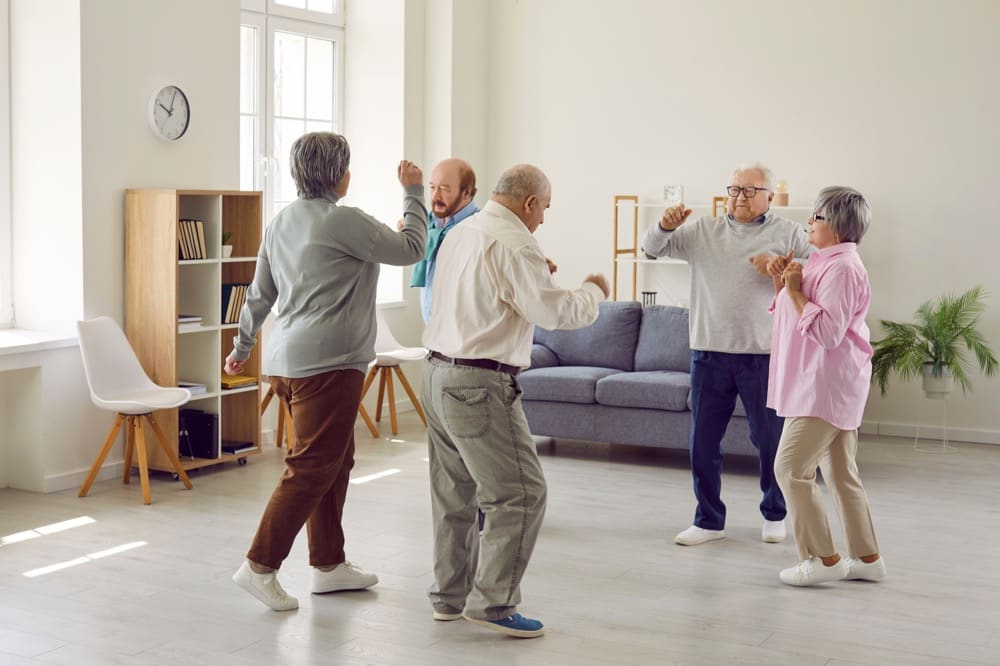
These single seniors are at risk for a number of potential reasons, including the insidious onset or progression of dementia, societal isolation, decreased motivation, being subject to scams, and solitary death. With such concerns in view, senior share houses have attracted growing attention in recent years. As the name suggests, these are residences where a number of older adults live together under one roof, and new facilities are springing up one after another across Japan.
To learn more about life inside co-living spaces designed for these single seniors, we spoke to Motohiko Sekido, representative director of the specified non-profit organization Rakuuda (external link, in Japanese), which operates the hospice Shared House Satchan-chi in Otsuki City, Yamanashi Prefecture. What is life like for the residents of these share houses, what are the benefits of shared living, and what are the issues and challenges?
- Note 1:Source: Future Projections of Japan’s Population (2023) (external link, Japanese only/ PDF) ↩︎
A desire to make a desirable place to spend old age
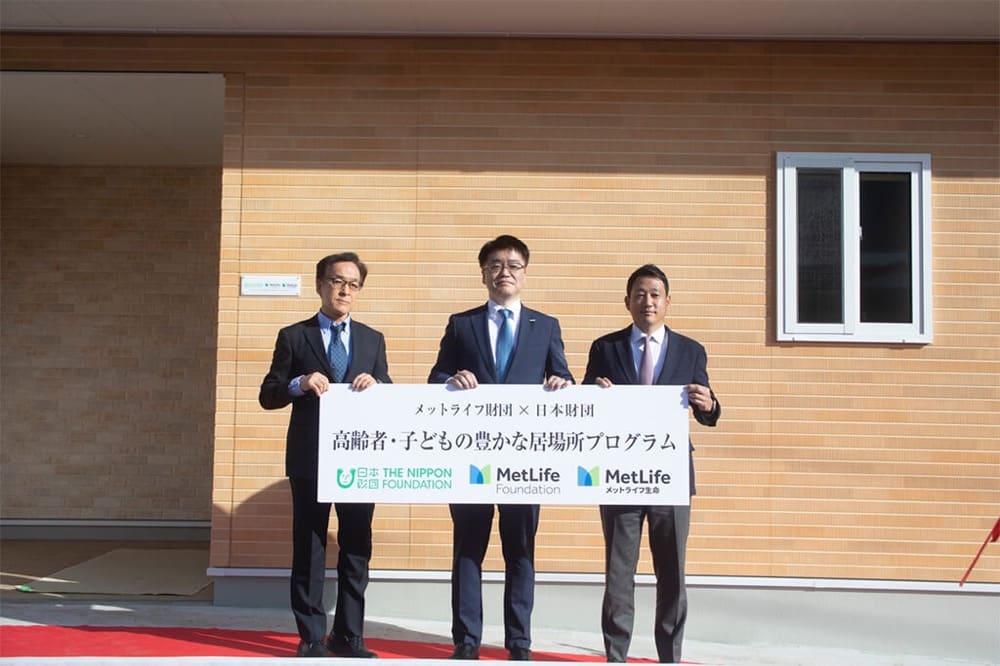
The Nippon Foundation Journal Editing Department: Satchan-chi was established as part of the ‘Better Life Better Place’ for the Elderly and Children Program (opens in another tab), supported by MetLife and The Nippon Foundation. Could you walk us through how it came to be?
Motohiko Sekido: Satchan-chi is in Saruhashi-cho, a rural community within Otsuki City, Yamanashi Prefecture, where, like in many other such regions, lots of elderly people are living. According to a survey of senior citizens in the area, in response to the question “Where do you want to spend your final days?” 80% of respondents answered “at home.” The reality, however, is that many cannot afford full-time care at home, and most eventually check into hospitals or facilities. And in rural areas, unlike in bigger cities, there are fewer choices of where to go or in types of facilities, and many have no choice but to enter facilities a bit far away from an urban area.
Sekido: I established a non-profit in 2018, and through the creation of multifunctional long-term care services in a small group home[2] Saruhashi Nursing Home, I learned more about the reality of care facilities. It made me think, “After I retire, is that really where I’ll go?” or “Is that really a place fit to spend one’s last days?”
- Note 2: A type of care service that provides daily life assistance and functional training in a homelike environment and through interaction with local residents. Mainly by commuting to facilities, combining short stays in facilities and home visits depending on the elderly person’s choice, they receive support so that they can lead an independent daily life to the extent possible.↩︎
Sekido: Then, while running Saruhashi Nursing Home, the needs of our residents began to change, and when it came time for them to decide on the next place to go, we were honored to be told that they wanted to spend their last days in facilities with a similar environment.
Rather than a place on the outskirts of town, I was wondering if it wouldn’t be possible to make a space that shares a sense of continuity with peoples’ daily lives. That’s when I learned of The Nippon Foundation’s program, which led to the creation of Satchan-chi.
Journal: What’s the story behind the name “Satchan-chi”?
Sekido: Actually, it comes from the name of the woman who oversees the facilities, Sachiko. (Laughs) We thought it would bring a sense of motivation, and also make her feel, as the woman in charge, “This is my house.”
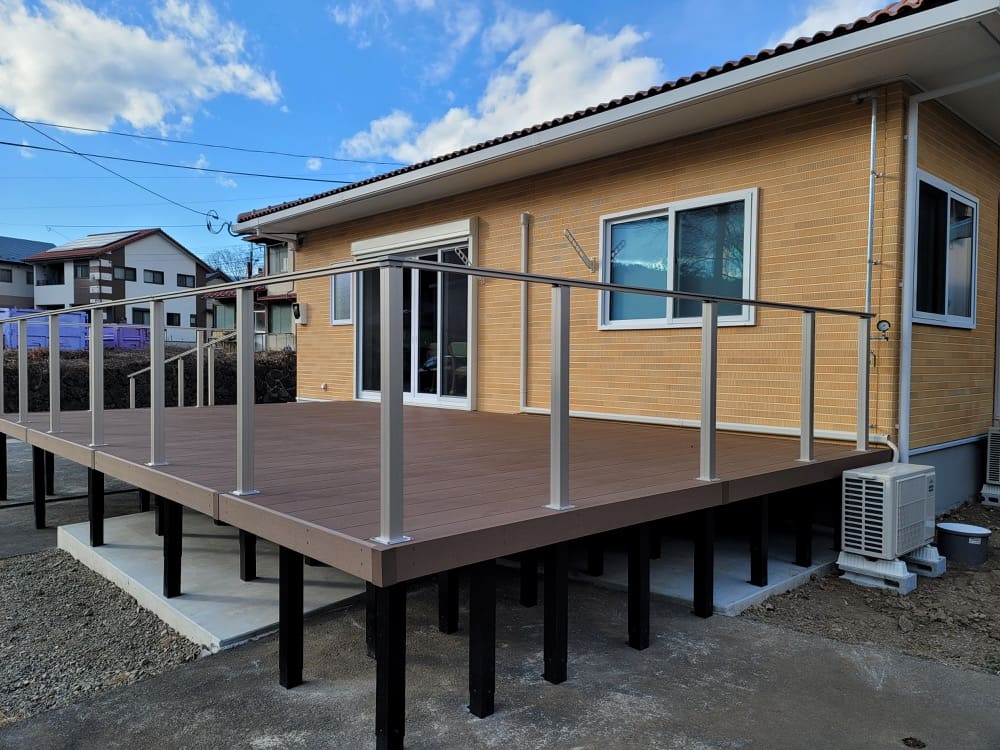
Journal: I see, so the residents are literally living in “Satchan-chi (Satchan’s house).” What is it that defines a senior share house?
Sekido: Well, it’s not like there is a clear definition. In the case of Satchan-chi, it’s a space with seven individual rooms and a common space, connected by a porch to Saruhashi Nursing Home so people can freely go back and forth. Nurses are always on staff, so we have a system that allows for year-round, 24/7 individual nursing and medical care available until one’s final moments, providing so-called “end-of-life care.”
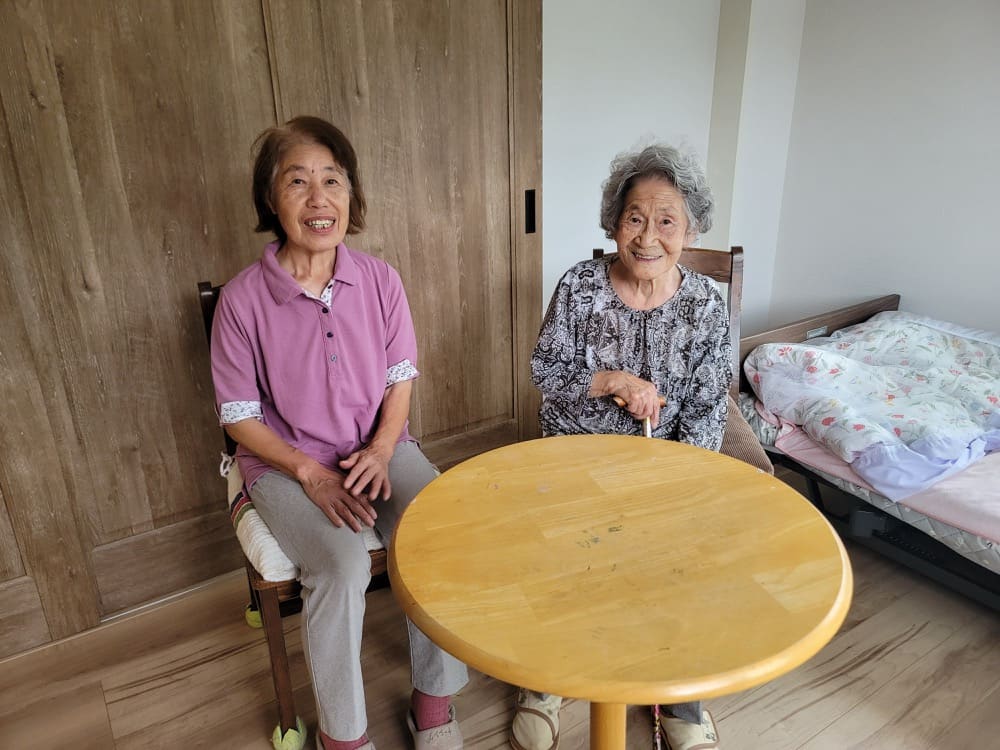
Journal: Because medical care is available until the very end, you also present it as a hospice for elderly people. Is that right?
Sekido: Right. With Satchan-chi, I wanted people to be able to spend their last days in a place where they can live in peace, and I was very particular about making it not feel like a facility. To facilitate communication with children in the area, we made it so that the large veranda would face a school route.
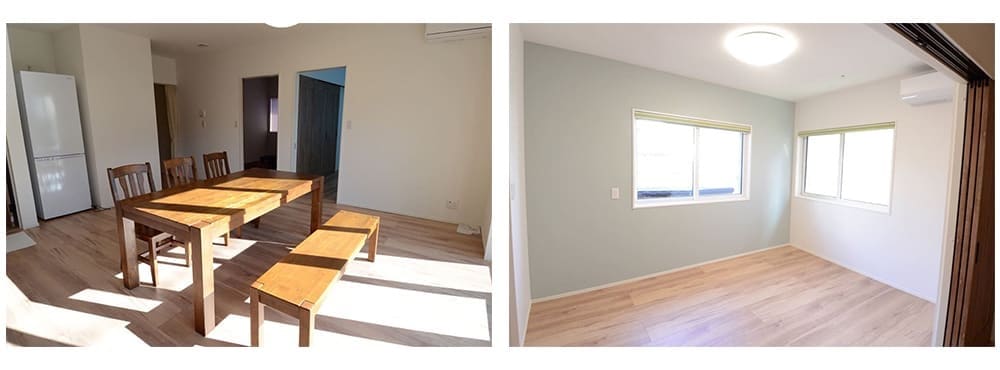
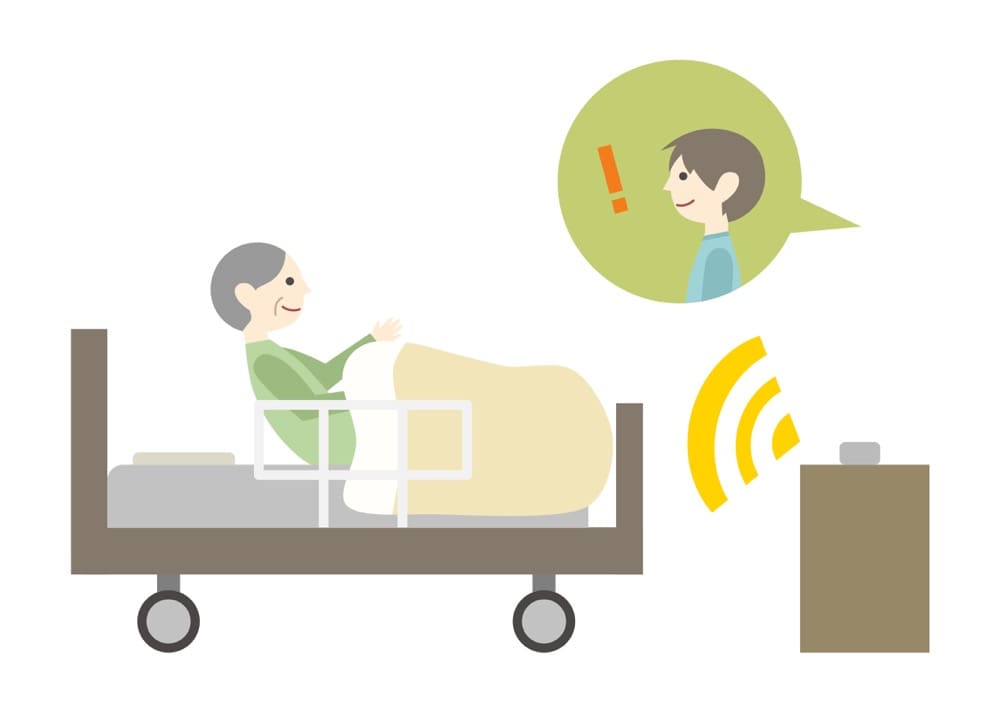
Sekido: Also, to make sure we are never short of hands, we have been actively employing the latest technology, including care robots. In the summer of this year (2024), we decided to install heart rate monitors and protective sensors to check on residents’ whereabouts. Many associate facilities for the elderly with high individual costs, but because move-in fees are subsidized, our fees manage to stay within range of residents’ pensions, which is a key feature of our services.
The importance of freedom in our final days
Journal: What other areas does Satchan-chi prioritize?
Sekido: I want all of our residents to feel free. In many facilities for the elderly, while safety is a top priority, there’s a strict enforcement of rules and behavior, and absolute control.
Of course, I don’t mean to criticize such facilities, but we won’t tell residents that to prevent the risk of falling they should sit or lie down. When we sign contracts, we tell prospective residents about this relative risk, and when we ask their families, “What kind of place would you like to spend your final days in?” most agree that they would prioritize freedom.
Journal: How do residents typically spend their days? And what have you heard back from their families?
Sekido: Well, nothing so out of the ordinary. They get together in the common space and have tea together, or read books or play instruments in their rooms, or go over to the Saruhashi Nursing Home next door. They might chat a bit less than young people, but I don’t think their lives are so unlike those of other people in co-living spaces. From families, we’ve heard they’re glad that the options for their parents’ care have increased, and also that because Satchan-chi is close to town, they can visit any time they wish.
Facing the path we all go down eventually — without turning our eyes away from the truth — is important
Journal: With the growing number of single seniors, it seems like there will be an increasing need for share houses for the elderly like Satchan-chi. What are the issues in making senior share houses more common?
Sekido: First, we need the government’s understanding. The very concept of a senior share house is still quite novel, and especially in rural areas, there are many people who would wonder why such a thing would be needed. That makes it quite difficult to get help from the national and local governments.
With the growing number of older adults living alone, this has also become a challenge for local communities. I think it’s important for local government officials to understand these needs and to build frameworks for working in partnership with these communities.
Also, with the rise of the nuclear family, many kids have fewer opportunities to spend time with their grandparents, and may be less aware of what happens when we reach our later years. So, I hope that the government can take charge in spreading the message that when people get older, they may get certain illnesses, or even develop dementia. If possible, I’d like children to be taught in their school curriculums what it means to grow old.
Sekido: Also, although this is a matter for the care industry as a whole, it’s true that there are malicious people out there trying to make a profit. There are systems where people receive incentives based on how much care they provide, which leads some of these businesses to offer all sorts of unnecessary care to make more money. We work with an all-inclusive, monthly subscription-based payment system called the global sum, but I hope that local governments can do more work to stop these malicious businesses from coming in.
Journal: On the individual level, what can be done to make society easier for single seniors to live in?
Sekido: I want people to feel an intimate connection with the elderly more. For young people, growing old may sound like something unimaginable and far away, but imagine if, for example, you were told now that you have terminal cancer. Then I think you would consider the importance of your life, and how you want to live out the rest of it.
Anyone who lives long surely gets old. I hope people can communicate more with the elderly people in their lives, and try imagining if you were in their shoes, how and where you might like to spend your final days.
Editor’s Note
According to the Cabinet Office’s Annual Report on the Ageing Society [Summary] FY2023 (external link) the proportion of people who answered that their health status was “not good” increased directly with age. Among people aged 80 and over, these numbers reached about 30% for men and about 40% for women. As people age, so do their bodies, and with organs and bodily functions weakening come various changes, such as hearing loss and vision impairment.
However, among elderly people who in the last year engaged in social activities such as sports and local community events, a high proportion answered “good” to the same question. Even when our bodies can’t move as they once did, and actively pursuing communication becomes difficult, talking with others and spending time enjoyably leads to mental health and gives us a reason to live. I felt that this is true for the younger generations, too.
When considering issues related to the elderly and care welfare, I feel that there are a few important points to consider: how to reduce the burden on families and care givers, how to enhance the quality of care services and medical systems, and how to live happily until the end of life.