Local Children Are the Producers of Cacao, the Main Ingredient of ChocolateWhat can be done to reduce child labor worldwide?
Key Points
- There are around 160 million child laborers worldwide who work without being able to get an education
- The production of cacao, the main ingredient of chocolate, is closely connected with the child labor issue
- It is important not to treat child labor as someone else’s problem but to make an effort to learn about the background of products
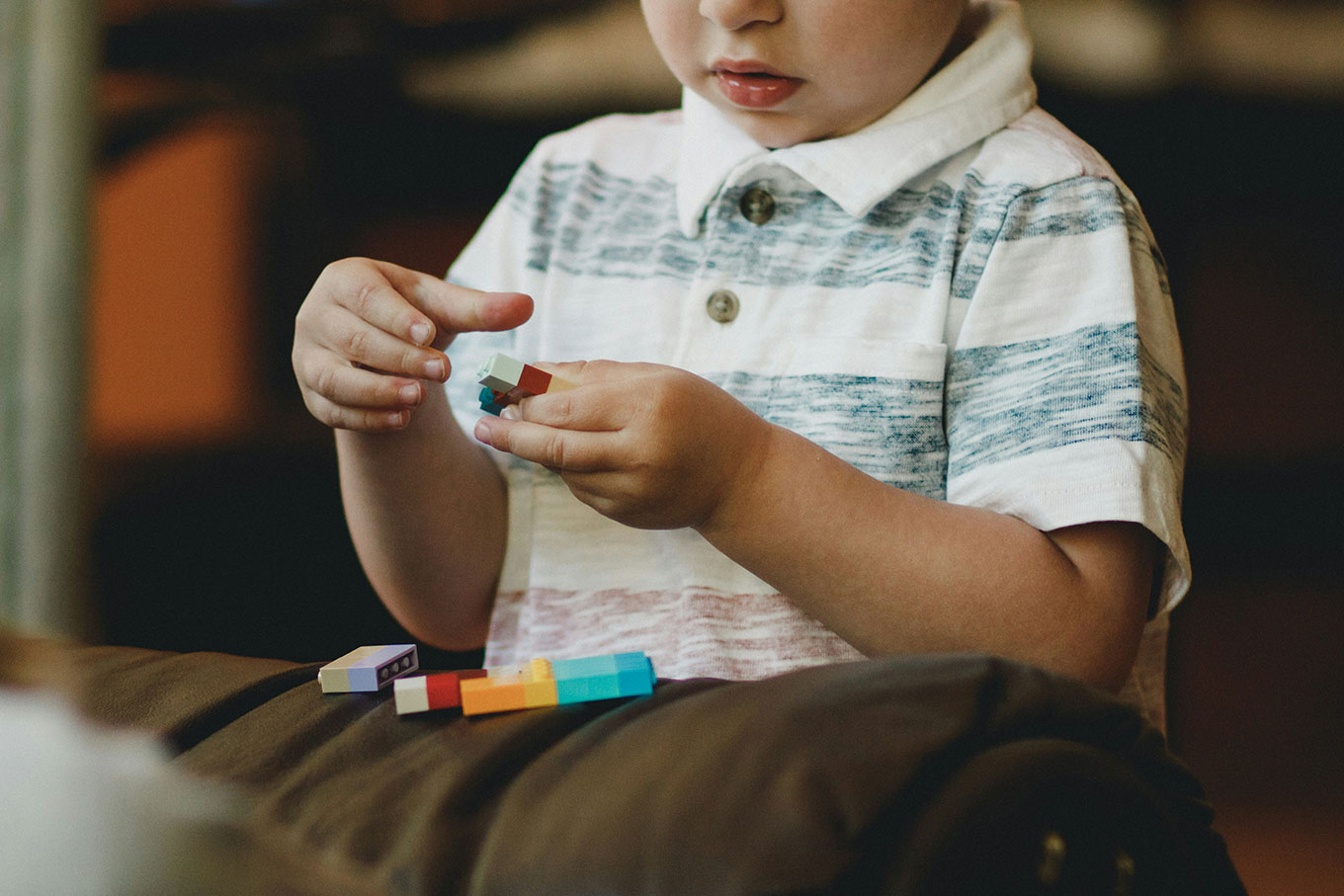
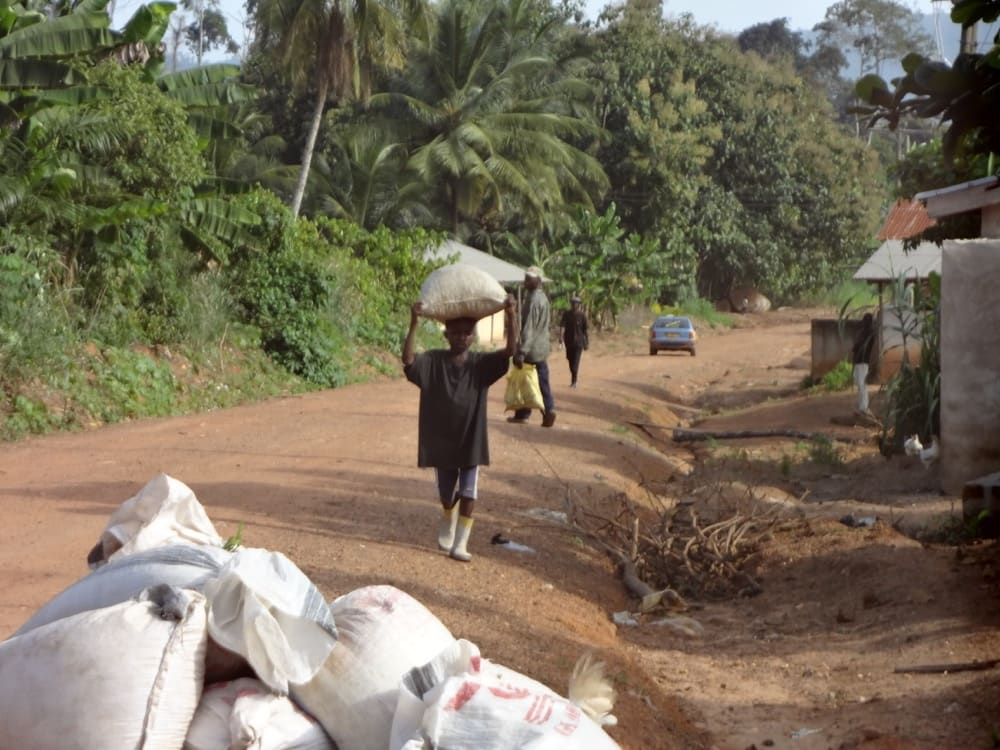
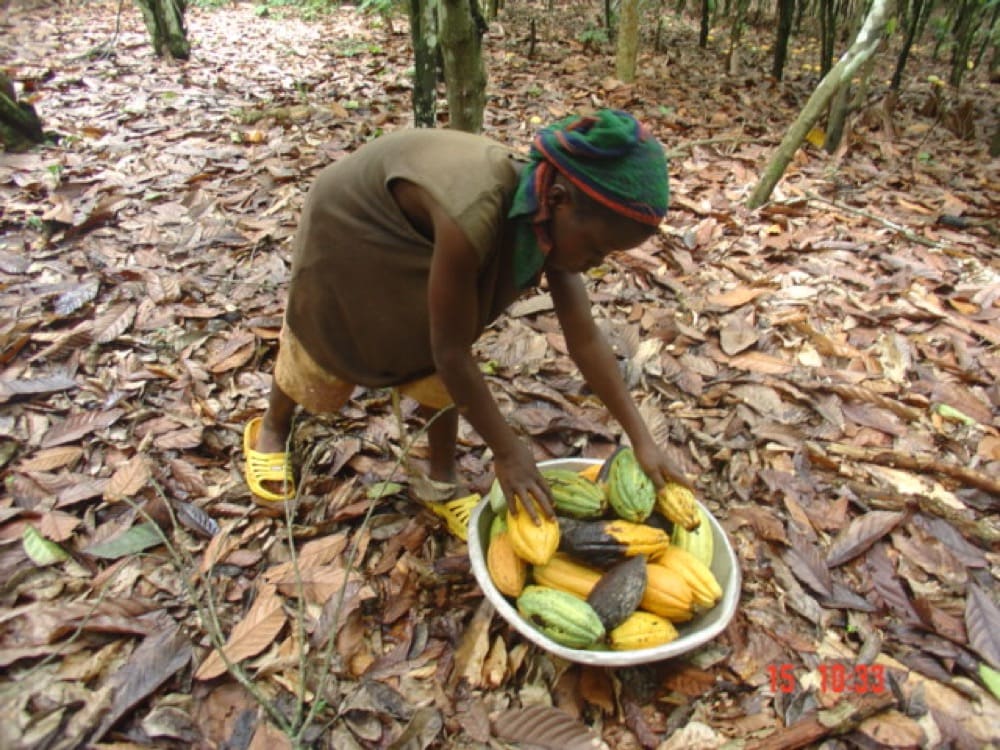
Chocolate is one of the most popular sweets loved around the world. Its main ingredient, cacao, is produced primarily in West African countries such as Ghana and Côte d’Ivoire. Unfortunately, child labor has long been a problem in cacao production there. Child labor is defined by international convention as children of the age of compulsory education working the same as an adult without being able to get an education, or as children under 18 doing dangerous and hazardous work.
According to a survey by the International Labour Organization (ILO) and UNICEF in 2020 (external link / PDF), there are still around 160 million children who are forced to work worldwide and about 1.6 million child laborers in developed countries, including Japan.
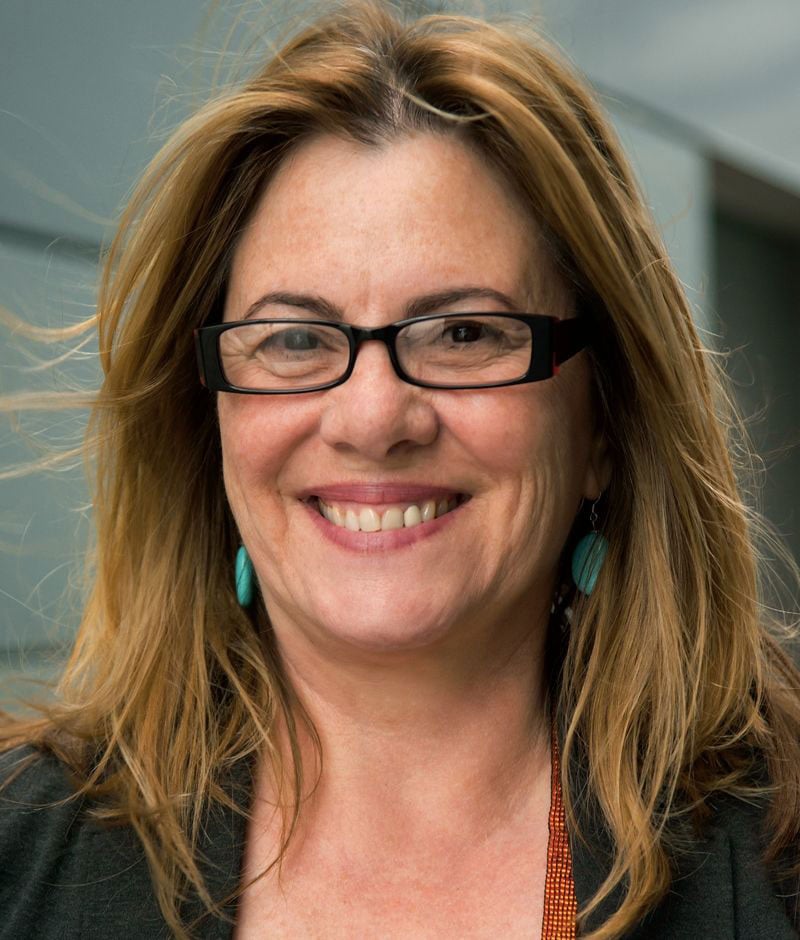
One of the organizations working to solve the child labor problem is the Nonprofit Organization ACE (external link). “There are a variety of factors that cause child labor. In order to eliminate child laborers, society as a whole must work on solutions, not just the companies that are involved,” says ACE vice president Tomoko Shiroki.
We talked with Ms. Shiroki about the grim reality behind the chocolate we routinely consume, ACE’s activities, and what individuals can do to change the current situation.

It started with five students advocating for the elimination of child labor
The Nippon Foundation Journal Editing Department: What kind of activities does ACE do?
Tomoko Shiroki: One of our activities is striving to eliminate child labor in the cacao producing region of Ghana. In 2009, we launched the Happy Chocolate Project (external link, in Japanese) to focus efforts on providing support to child laborers and economically disadvantaged households in Ghana and on improving the technological capabilities of cacao farmers with the help of companies that manufacture and sell chocolate.
Journal: What other activities does your organization do?
Shiroki: In 2020, we joined the Platform for Sustainable Cocoa in Developing Countries (external link, in Japanese), launched under the leadership of JICA.[1] Through the platform, we drive initiatives to prevent and remedy child labor in the process that turns cacao into chocolate and delivers it to consumers in collaboration with manufacturers and trading companies. Since 2018,we have been involved in creating a new program for certifying “Child Labour Free Zones,”[2] which is being advanced as a national policy of the Ghanaian government. We are also focusing efforts on carrying out projects and holding forums in Japan to inform people about child labor and children’s rights in a broad sense.
Journal: I can see you are carrying out a wide range of activities related to child labor. How did ACE get its start?
Shiroki: It started with the Global March Against Child Labour that was held from January to June in 1998, a global movement that held marches around the world to advocate for the elimination of child labor. Initiated by 2014 Nobel Peace Prize laureate Kailash Satyarthi, the marches were held in a total of 103 countries, but there was no plan to do one in Japan.
At the time, Yuka Iwatsuki, who currently serves as ACE president, was volunteering at an NGO. She proposed to the NGO that Japan should participate in the Global March Against Child Labour, but it didn’t come to fruition, so we decided to form our own organization to participate in the march. We asked others to join and the five of us that came together launched ACE.
- 1: JICA stands for Japan International Cooperation Agency, an organization that carries out international cooperation projects in developing countries.↩︎
- 2: Areas where comprehensive and consistent efforts are continuously carried out to protect children from dangerous work and guarantee their rights and welfare.↩︎
Poverty and lack of national government support — Why the child labor problem persists to this day
Journal: Why has the child labor problem persisted for so long?
Shiroki: A major factor is the financial circumstances of households. Financially disadvantaged people are doing everything they can just to survive day-to-day and have no means to better their lives. This means the parents not only lack money for tuition but also must have their children work to live. Nonprofit organizations like us can improve these circumstances by providing support at the household and community level, but unless we implement changes in the bigger social structure, improvements will only be small-scale.
This is particularly true in agriculture. Farmers must increase the prices of crops to raise their level of income. In addition, structural transformation on the international level—such as changing the system to determine international prices and establishing different methods of transaction by country—is essential, especially with cacao. It is not a problem that can be solved overnight.
Journal: Are measures such as providing aid being taken in countries where child labor is a problem?
Shiroki: Ideally, countries should have systems in place that enable everyone to maintain basic living standards, but the reality is that some countries do not. That is another reason why the child labor problem persists.
The purpose of Child Labour Free Zones that I mentioned earlier is to build systems like this and ensure that they function. We are striving to build safety nets on the local government level to provide necessary public services and support to those in need, such as establishing schools, deploying teachers, providing welfare services to impoverished households, and offering opportunities for work training to children above school age. But it is also necessary to correct misunderstandings on child labor at the same time.
Journal: What sort of misunderstandings?
Shiroki: There is a trend in society that considers child labor to be inevitable and accepts it. Some adults who were child laborers themselves put their own children on the same path. There are also children forced to work in a situation like human trafficking, and adults are behind it. In other words, adults are making a profit by using children.
Of course, there are also adults who think that since they never had the opportunity to get an education themselves, they want to make sure their child can have an education and give them a better life, but the reality is that the child has no choice but to work due to lack of support by the national government or financial problems. It is a vicious circle.
We need to change mindsets from the individual to the national and international level from thinking that it’s simply inevitable that children from poor households have to work to the idea that children have the right to learn at school, acquire skills, and forge their own path, and that this should be guaranteed for all children regardless of the circumstances they were born into.
Journal: What harmful effects does continued child labor have on children?
Shiroki: It harms their health and also narrows their choices for the future because they cannot acquire the necessary knowledge due to lack of learning opportunities. Long working hours and hard labor put a heavy physical and mental burden on children who are still developing. And being illiterate can lead to gradually damaging their health due to not being able to understand the right way to use agrochemicals. As a result, when they become adults and start a family, they are forced to put their own children to work, and the vicious circle continues.
Developing chocolate made with cacao from regions that have built systems to monitor and remedy child labor
Journal: To solve the child labor problem, I think we also need the effort of companies that manufacture and sell chocolate. What are companies doing to address the problem?
Shiroki: For example, Yuraku Confectionery Co. Ltd., a maker of the well-known chocolate bar Black Thunder, switched to using Smile Cacao (cacao produced at farms that have built systems to monitor and remedy child labor) for all products including Black Thunder, in what the company calls the Smile Cacao Project (external link, in Japanese). Ezaki Glico Co. Ltd. (external link, in Japanese) conducts activities through ACE to help build Child Labour Free Zones in regions in Ghana where it procures the traceable cacao it uses for ingredients. Morinaga & Co. Ltd. donates a portion of proceeds from chocolate products to ACE in an initiative it calls “1 Chocolate for 1 Smile” (external link, in Japanese). The company has also been supporting efforts to protect children from dangerous child labor in cacao producing areas and ensure they can go to school since 2011. E-commerce company Felissimo (external link, in Japanese) has been supporting ACE by donating proceeds from chocolate products for over 10 years. In 2024, 7-Eleven (external link, in Japanese) started donating proceeds from chocolate products as well.
Journal: What is ACE doing to address the problem?
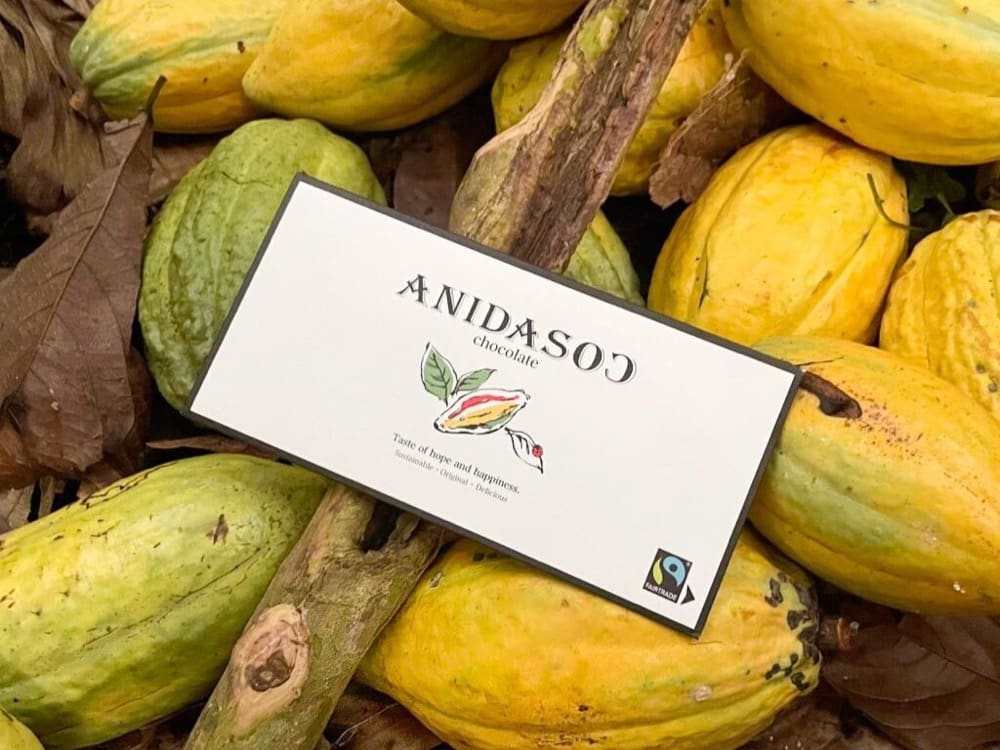
Shiroki: In celebration of our 25th anniversary, in 2023, we developed a chocolate bar called ANIDASOƆ Chocolate (external link, in Japanese). This chocolate is made with cacao from areas that incorporate systems to eliminate child labor through ACE activities. For every purchase of the chocolate, 500 yen is donated to Ghana.
In addition, we can now visualize the process from the production area in Ghana to the store shelf using blockchain* technology in cooperation with Updater Inc. (external link), ensuring that people can make purchases with peace of mind.
- Technology that links past transaction records like a chain with encryption technology to maintain accurate transaction records. Reference: What is Blockchain? | G. Learn about Financial Economics | Japanese Bankers Association (external link, in Japanese)
The importance of learning the background of the products you buy
Journal: I think the child labor problem is something that is difficult for people in developed countries to grasp.
Shiroki: I agree. To be honest, we are in a worldwide recession, so most people are just trying to get by in their own lives and don’t have the leeway to think about problems in other countries. But compared with when we started 27 years ago, I feel there are more opportunities to learn about the child labor problem. In the past, most people didn’t even know what child labor was, but I think little by little people are beginning to recognize the problem, at least as it pertains to cacao and chocolate.
Recently in Japan, there seems to be a sudden surge in incidents of minors being caught up in illicit part-time jobs where they are recruited on job posting sites and social media to do illegal activities for high pay. This is actually defined by international convention as one of the “Worst Forms of Child Labour.”* And behind these incidents there are adults pulling the strings. The fact is that cases of child labor are also increasing in Japan, so I think we need to recognize that this is our problem too.
- Child labor in which children are used in forced labor, human trafficking, prostitution, pornography, war, and criminal activities is referred to as the “Worst Forms of Child Labour,” which has been decided that children under the age of 18 must be protected from immediately.
Journal: There will probably be people who will want to take a first step in solving the child labor problem after reading this article. Is there something they can do?
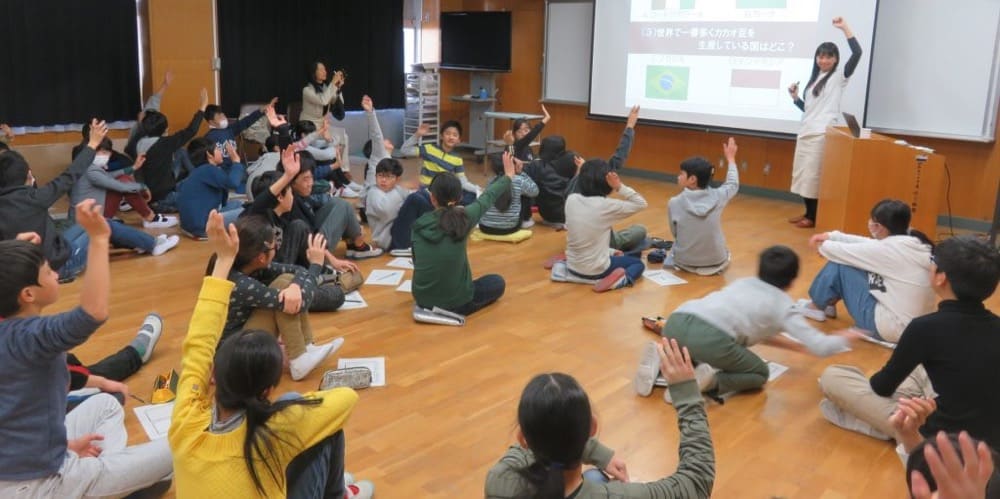
Shiroki: First and foremost, it is important to try to learn more about the child labor problem. The companies I introduced have made videos and web content on child labor, so I would be grateful if people would start by watching them to deepen their understanding. Moreover, I hope that as many people as possible share what they learn with others.
Having said that, it may be hard to suddenly bring up such a difficult social problem with others. When you do, try using chocolate as a way to start a conversation about the topic. ANIDASOƆ Chocolate helps support Ghana. We are very proud of the product and put a lot of effort into both its flavor and packaging, so I recommend giving it as a present. I would be grateful if people both enjoyed its great taste and used it as a tool to tell others about child labor.
Editor’s Note
I have loved chocolate ever since I was little and still eat it often, but I couldn’t hide my shock when I learned the grim reality behind it. Other products produced by child labor besides chocolate include black tea and cotton. Some of the things I use regularly were probably made by child labor. If consumers learn about the background of products and see the value of what goes into their production, some companies may start a movement on child labor. I’m going to start by using chocolate to try talking to those around me.
Text: The Nippon Foundation Journal Editing Department