It Overlaps With Important Competitions, and It’s Hard To Talk to Male CoachesThe challenges of periods for athletes
Key Points
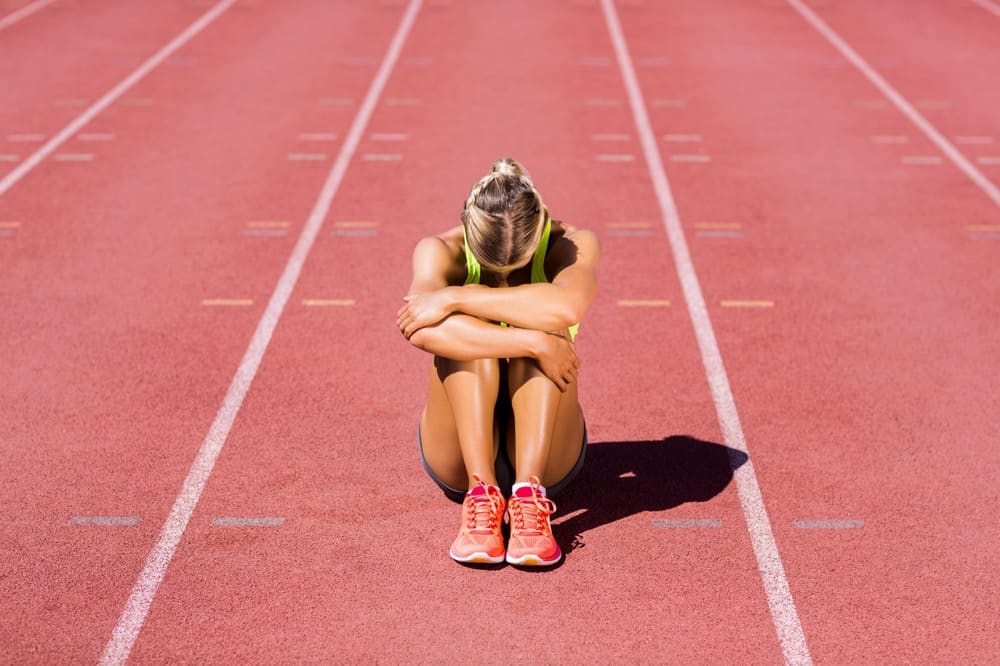
- Periods account for up to a quarter of the year, posing a significant challenge to female athletes’ ability to perform at their best.
- Excessive exercise can lead to amenorrhea, or the absence of periods, which can halt bone development.
- Creating a society where fewer people suffer due to periods starts with recognizing it not just as a women’s issue, but as a concern for society as a whole.
Can you guess what the number 12 out of 52 refers to? It represents the average number of weeks per year (out of 52) that women spend on their periods.* That works out to roughly three months, and when you see it quantified like this, it really brings home just how much time women spend dealing with their periods.
- The average menstrual period lasts about one week per month, which adds up to 12 weeks per year.
Research also shows* that PMS (premenstrual syndrome) and other period-related symptoms, which cause physical and mental distress during and around a woman’s period, reduce performance by half or more for 45% of women.
This is a serious issue for female athletes, who must constantly manage their physical and mental condition.
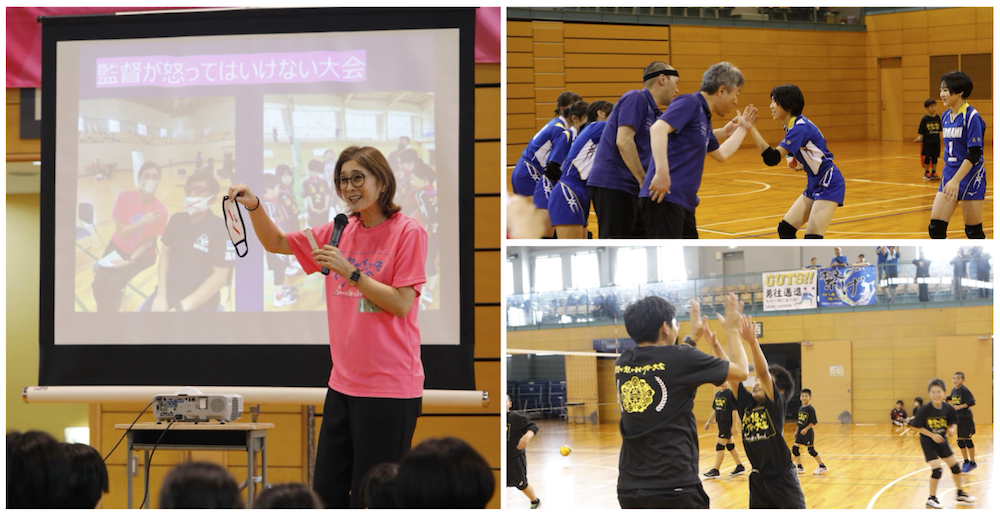
The 1252 Project (external link, in Japanese), run by the company Never Stop Playing Sports (external link), is working to address the challenges of periods in sports, particularly for female student athletes, through awareness-raising and information outreach. The project’s name comes from the 12 weeks of periods within the 52 weeks of a year.
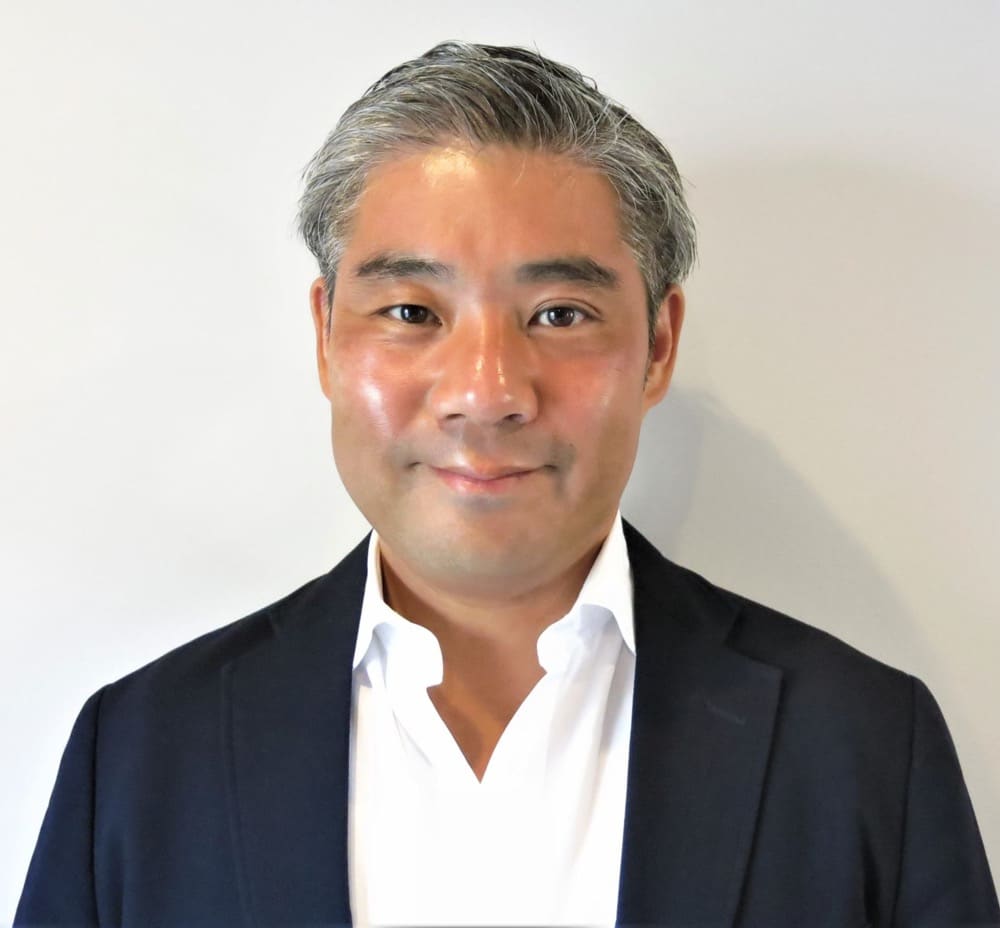
What exactly are the period-related challenges facing female student athletes? We spoke with Kota Mogami, co-representative director of Never Stop Playing Sports, to find out.
Supporting female student athletes in dealing with periods
The Nippon Foundation Journal Editing Department: Please give us an overview of the 1252 Project.
Kota Mogami: It’s an education and information outreach project that addresses the period-related challenges faced by female student athletes, drawing on the experiences of top athletes as well as expert and scientific knowledge from the medical and educational fields.
Journal: How do you get the word out?
Mogami: We primarily use two methods. The first is social media. We publish period-related educational content on Instagram (external link, in Japanese) and share first-person accounts from top athletes about their experiences with periods on YouTube (external link / video, in Japanese). The second is seminars for schools, athletic clubs, and sports teams.
Journal: What led to the launch of the 1252 Project?
Mogami: The project grew out of the personal experience of Hanae Ito, a representative director of Never Stop Playing Sports and a former member of Japan’s national swimming team, who struggled with period-related challenges during her athletic career. During her competitive years, Ms. Ito’s period overlapped with an Olympic qualifying event, and she was unable to perform as she had hoped. What made matters worse was that she had no one she could turn to for advice.
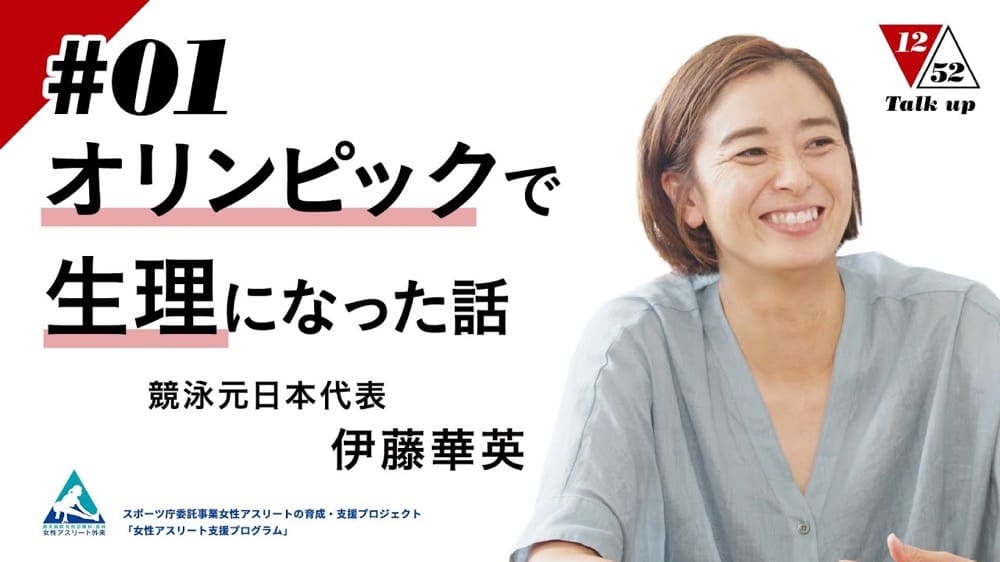
Mogami: That experience made Ms. Ito realize the importance of supporting athletes with period-related challenges and disseminating accurate information. She felt especially compelled to take action for younger student athletes. As a man, I initially had very little knowledge about periods, but I was stunned when I heard about the realities. I’m a former rugby player, and I never experienced anything like feeling unwell for a cumulative three months out of the year, and the idea that there was no support system in place for it was unthinkable. Because Never Stop Playing Sports was already focused on activities for student athletes, our visions aligned, and the project launched as part of our work. People often say things like periods aren’t an illness, and there is a prevailing attitude that it should be dealt with privately or hidden. We run this project with the conviction that it is a societal issue and a challenge for the entire sports world.
Journal: Why does the project focus specifically on female student athletes?
Mogami: For student athletes, every single year is incredibly important, even more so than for adults. Students face rapid changes in their environment, from advancing a grade to graduating, and they have to manage their conditioning through all of it. Yet female student athletes have their period overlapping with a cumulative three months of that precious year. In fact, according to a survey we conducted in 2021 (external link, in Japanese), approximately 68% of female students on athletic teams said that periods affect their athletic performance. We believe that proper support from athletes themselves and their coaches regarding periods is absolutely essential for ensuring they have a fulfilling sports experience with no regrets.
Journal: Student years are short enough as it is, and with periods taking up such a large portion of that time, it really does feel like action is needed.
Mogami: Exactly. Another reason we focus on supporting younger athletes is our desire to raise awareness about the risks of amenorrhea, the absence of periods for three or more months. When nutritional intake is insufficient relative to the amount of exercise, periods can stop. Without periods, the body produces less estrogen, a female hormone, and bone growth comes to a halt. Because bones are only built during the teenage years, female athletes face the risk of lifelong reduced bone density, which can lead to stress fractures, ligament injuries, and even osteoporosis later in life. Many young athletes see the absence of their period as a lucky break, or simply as one less hassle to deal with, and leave it unaddressed. Because this kind of information is not widely known, we are actively working to get the word out.
Periods during key competitions and having no one to turn to are challenges for female student athletes
Journal: What kinds of period-related challenges do female athletes face?
Mogami: It varies from person to person, so it’s hard to generalize, but the challenges broadly fall into two categories. The first is that periods overlap with training and important competitions, preventing athletes from performing at their best. The second is that because roughly 80% of coaches in Japan’s sports world are men, there is often no one to consult about period-related concerns.
Journal: Is there any knowledge about periods that you particularly want female athletes and coaches to know, the kind of information you share during training sessions?
Mogami: The message I want to get across most strongly is the risk of amenorrhea, which I mentioned earlier. But beyond that, I want people to know that when they have concerns, discomfort, or symptoms related to periods, they should not hesitate to see a gynecologist. For example, if their period has been absent for three months, a visit to the doctor is absolutely necessary. Other times to seek medical advice include not having had a first period by age 15, or experiencing period pain.
- Note: For further information, see this article: “Significance of Spreading the ‘Youth-Friendly Pharmacy’ as a Healthcare Consultation Space for Young People” (open in a new tab)
Journal: It’s true that even adults can find it daunting to visit a gynecologist. For younger people, the barrier must be even higher.
Mogami: Yes, I think visiting a gynecologist needs to become much more normalized. Along with that, I hope accurate knowledge about birth control pills also becomes more widespread. Top athletes typically take ultra-low-dose pills on an ongoing basis, managing their cycles over the course of a full year to avoid having their period coincide with competitions. However, there is a stigma attached to taking the pill, with some perceiving it as a sign that the person is sexually active, and because awareness and usage rates remain low, accurate information has been slow to spread.
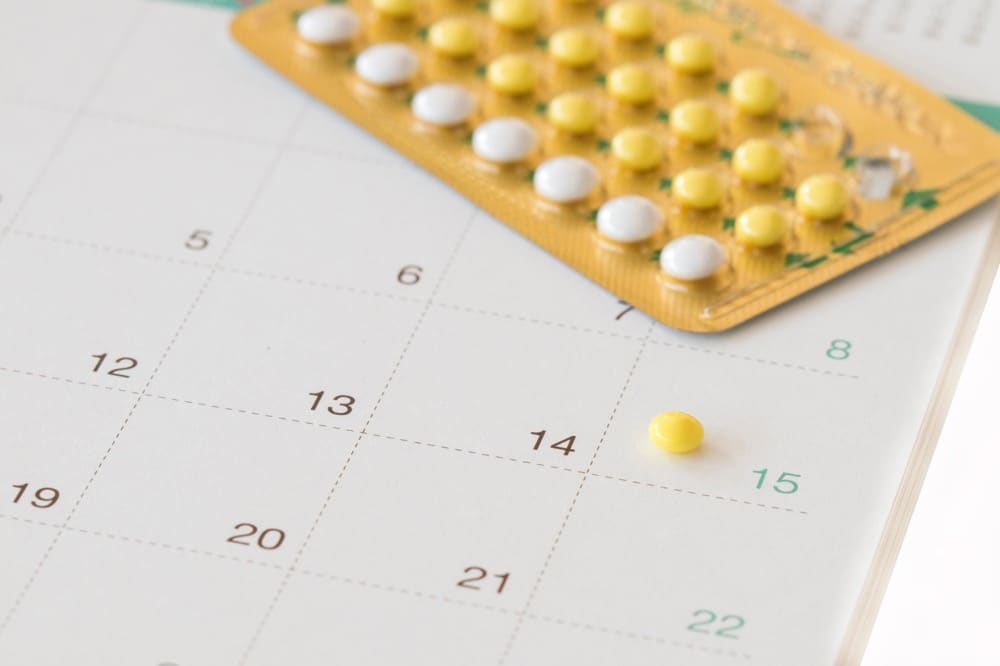
Mogami: Some athletes stop taking the pill because of side effects, but consulting a doctor can often resolve the issue by switching to a different type. Including cases like these, we work to build awareness that it is perfectly normal to consult a gynecologist whenever you have concerns, anxiety, or pain related to your period.
Journal: Addressing periods seems essential for keeping female athletes in peak condition. Why has the sports world been so slow to take action?
Mogami: Sports have historically been built around male athletes, with rules and structures designed with men in mind. Women entered this world, yet considerations for periods were never incorporated, and things have continued that way to the present day. At the first modern Olympic Games in 1896, only men were allowed to compete, but at the Paris 2024, the male-to-female athlete ratio reached 50:50 for the first time in history. It took over 100 years just for women to achieve equal representation in the sports world. Addressing period-related challenges for female athletes is still in its early stages and will take time to progress. As research into periods and sports advances, I believe training methods for female athletes will be reevaluated, and that will lead to new records being set. We are committed to doing our part.
Periods are not an individual women’s issue; they are a societal one
Journal: Beyond the world of sports, what can each of us do to build a society where period-related challenges are better recognized and fewer people suffer because of them?
Mogami: I think it starts with no longer viewing periods as solely a women’s issue and recognizing it as a matter for society as a whole. Having a period is a basic reality for most women, and many deal with related difficulties. I think it is important to be mindful that the women around you may be experiencing this kind of discomfort at any given time.
Mogami: If people recognize periods as a societal issue, they will be more willing to engage when opportunities arise to learn about it. And I believe that as individuals learn, society will change.
Editor’s Note
After watching the 1252 Project’s YouTube content and being surprised to learn that so little progress had been made in addressing periods for female athletes, we reached out to request an interview. One thing that stood out during the interview was this: Japan is often said to lag behind in sex education, so we had assumed that period-related measures were similarly behind those of other countries. But according to Mr. Mogami, aside from countries like the United States where the sports business is well established, very little progress has been made on period-related challenges for athletes internationally either. In 2024, the 1252 Project received the Ignite365 award through the Olympism365 Innovation Hub, an initiative by the International Olympic Committee and other organizations. This program supports pioneering efforts that leverage sport for a sustainable society, and the project was the only recipient selected from Asia.
While it may be true that understanding of periods and accurate knowledge have yet to fully take hold in Japan, we found it encouraging that the 1252 Project is gaining recognition on the world stage. We have once again come to realize that we can start changing our attitudes toward periods right now, and that doing so is essential for building a society where everyone can thrive.
Profile
Kota Mogami
Co-representative director of the general incorporated association Never Stop Playing Sports. Born in 1979, grew up in Tokyo. After graduating from Keio University, he joined an advertising firm, where he was involved in sports marketing and business development in the public sector. Alongside his career, he coached university and high school rugby teams and worked as a coaching consultant supporting other instructors. In 2020, he co-founded the general incorporated association Never Stop Playing Sports with fellow colleagues and serves as its co-representative director.
Text: The Nippon Foundation Journal Editing Department