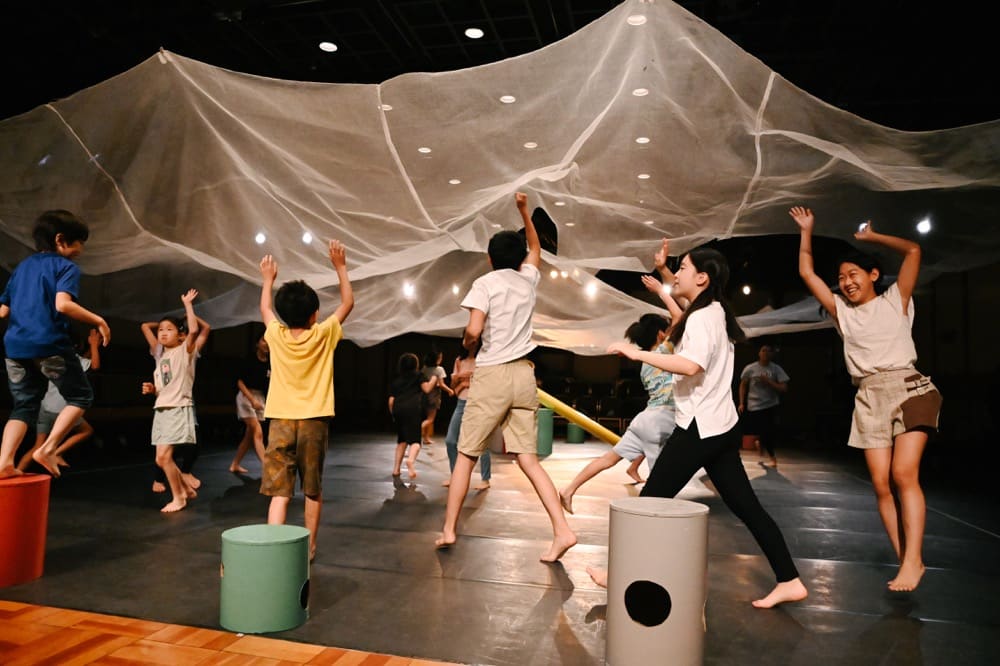
Creating a Space for Children With School Refusal and Developmental Disorder Tendencies‘Self-understanding’ is what’s needed most
Key Points
- Children facing difficulties come from a variety of backgrounds, including developmental disorder tendencies and isolation
- Hitonone provides a space like a secret base after school for these children
- Creating a space to develop self-understanding and become immersed in individual passions brings out the potential of these children
The new school year has begun. While some children are full of excitement in anticipation of their new classes and friends, a significant number of students are beset by anxiety and unease. This surely applies even more to those who have fallen back at least once in their studies or struggled to adapt to group living.
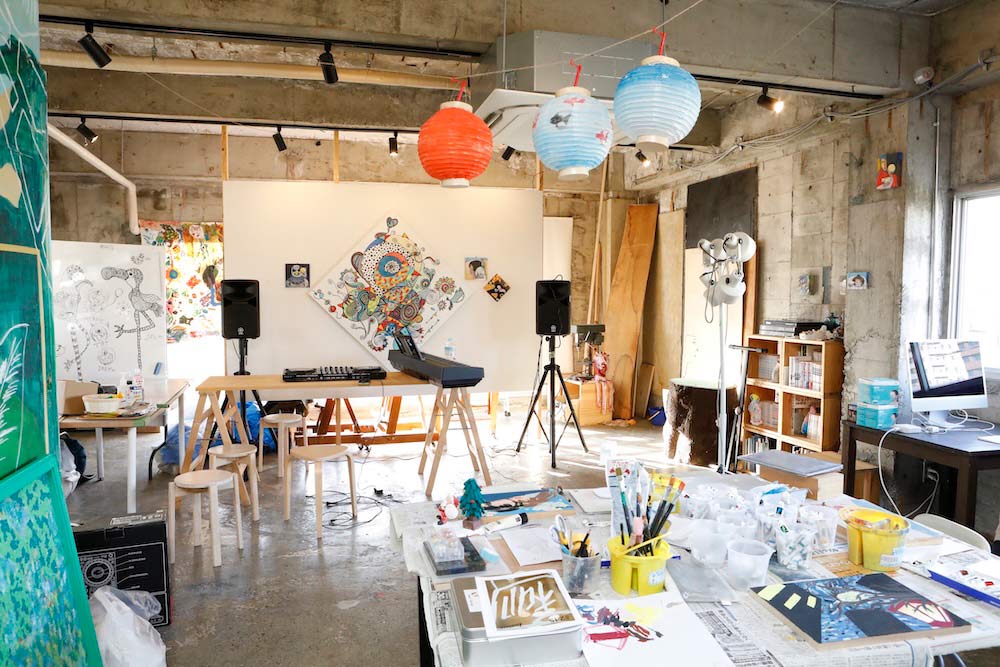
In Gifu City, Hitonone (external link, Japanese only) supports these children. Providing four services called Hitonone Explorative After-School Childcare, Michina After-School Day Service, Imaru Private Tutoring, and the Creators’ Club, Hitonone offers a space between school and home for all sorts of children, including those with developmental disorder tendencies. A distinctive aspect of their services is the focus on creative activities such as art and music. With soundproof rooms, art spaces, and video editing equipment, children are actively encouraged to pursue their passions.
In this interview, we ask Hitonone’s representative director Hanako Shinoda about these children who are facing difficulties, and how they can be supported, as well as the work and ideas behind Hitonone.
Self-understanding has a direct connection to ease of living
The Nippon Foundation Journal Editing Department:What sort of difficulties do the children at Hitonone usually experience in their school lives?
Hanako Shinoda: At Hitonone, there are kids from a range of backgrounds, some who are neurotypical,[1] some who are in a gray area, and some who have developmental disorder tendencies. For children with such tendencies, for example, those who have a learning disability are able to function in group living, and it may seem at a first glance that nothing is wrong, but then they may prove to have difficulties when copying notes from a blackboard, or when reading books.
When children have learning disorders, some see text as being warped and distorted, and some have difficulty processing things within their brain. When people don’t know that a child has these disorders, it may lead to them simply being labeled as “incapable.” In some cases, without this knowledge, even these kids’ parents may end up thinking, “Why can’t they do that?” “Aren’t they just being lazy?”
Some kids have an acute sensitivity towards changes in their surroundings. When coming to school in a group, if a meeting point should happen to change, the confusion around where and how to line up can lead to panicking and suddenly bursting into tears. It can be difficult to adapt to environments and situations outside of the usual.
- Note 1: The term neurotypical is used in contrast to developmental disorders; it refers to a state where development is progressing smoothly — physically, intellectually, socially, and emotionally — according to age.↩︎
Related article: Sometimes Mistaken for Laziness. Dyslexia: A Learning Disorder With Reading and Writing Difficulties (opens in another tab, in Japanese)
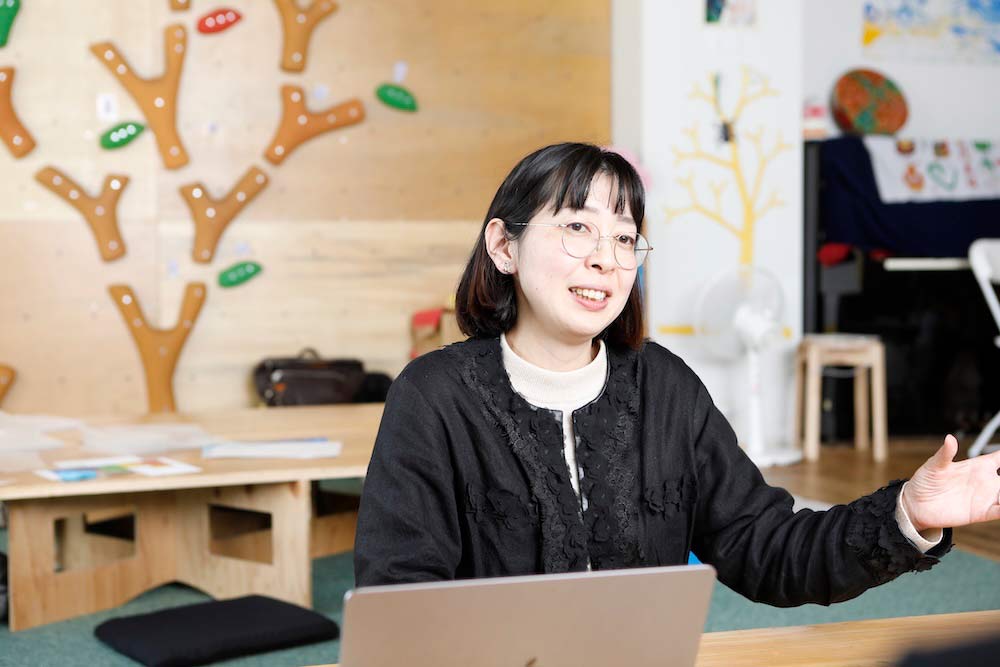
Shinoda: However, these traits vary from person to person, both in details and intensity, which makes it hard for them to be understood by those around them. In fact, nobody is truly “normal,” and we’re all in a gray area, and I think this gradation is part of what makes us human.
Journal: Some of these traits have become widely recognized in recent years, but there’s still some way to go to be understood.
Shinoda: Right. So, regardless of whether they have developmental disorder tendencies or not, we encourage children facing difficulties to practice self-understanding (understanding yourself by yourself). We try to understand what they can do, what gives them difficulty, and what sort of environment is needed to bring out what they are good at. After understanding these things, they need to be able to explain them to the people around them. If they can do that, we believe the people around them will naturally come to understand them too.
Journal: Is putting oneself into words like this something younger children can do too?
Shinoda: They can learn to. For example, at Hitonone, we have a boy in the second grade of elementary school who experiences a lot of difficulty in speaking in front of others. If he has some time to prepare in advance, however, we learned he can speak with confidence. When we encouraged him to try explaining that to his teacher, he told them “I can’t speak well if I’m not ready to, so is it alright if I take some time to prepare?” And by doing that, even in his other classes, he became able to ask teachers for help. What’s crucial is that these kids be assured that it’s okay to tell people about the trouble they face. Those early, small victories are the first steps towards them being able to speak to the world. At Hitonone, we value that.
Eschewing rejection and providing various options
At Hitonone, where self-understanding and self-determination are valued, staff members work closely with children to support them. To learn more about how they spend time with children and how care and guidance are provided to them at Hitonone, we spoke with staff members Asa Masumura and Soya Yajima.
Journal: What work do you do at Hitonone?
Masumura: I work across all programs, from after-school and day service programs to private tutoring and the Creators’ Club.
In supporting kids, what I pay particular attention to is never rejecting. Everyone has individuality and traits unique to them, and I think for the generations ahead that’s not something to be made uniform, but to be utilized in life. So, it’s a mission of mine to find these special qualities in every kid and to verbalize them.
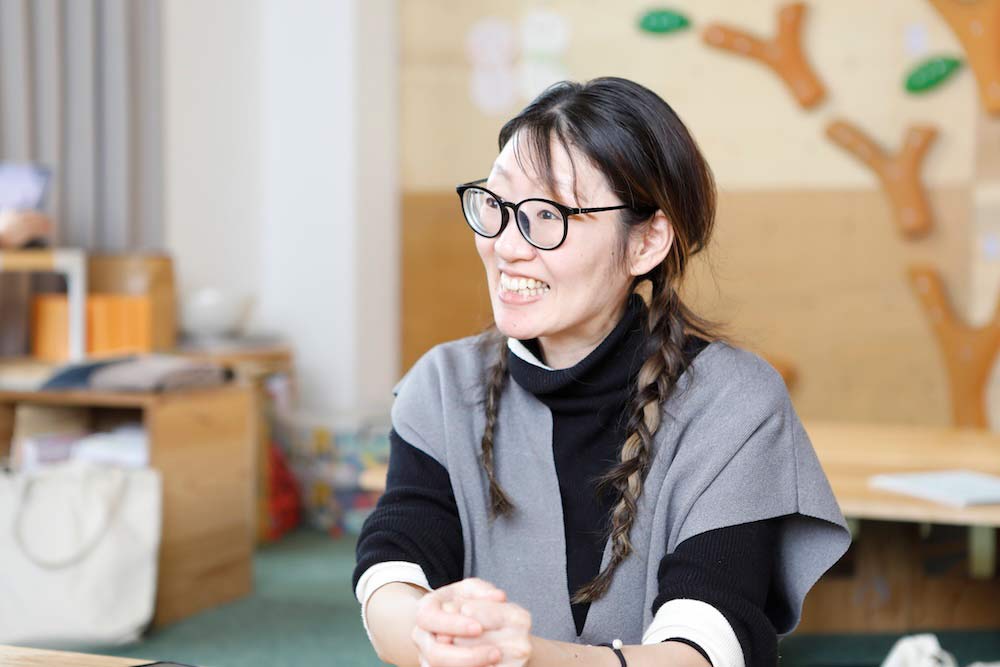
Yajima: I work at the Creators’ Club, where I teach formative art to children. But when we’re short on staff I help out in other areas too, and I teach three kids in private tutoring.
I find it important not only to focus on “teaching” but also, a little bit more gently, to be a conversation partner. I want to be somewhere between a teacher and a friend. I hope that our students can gain more experience interacting with others this way.
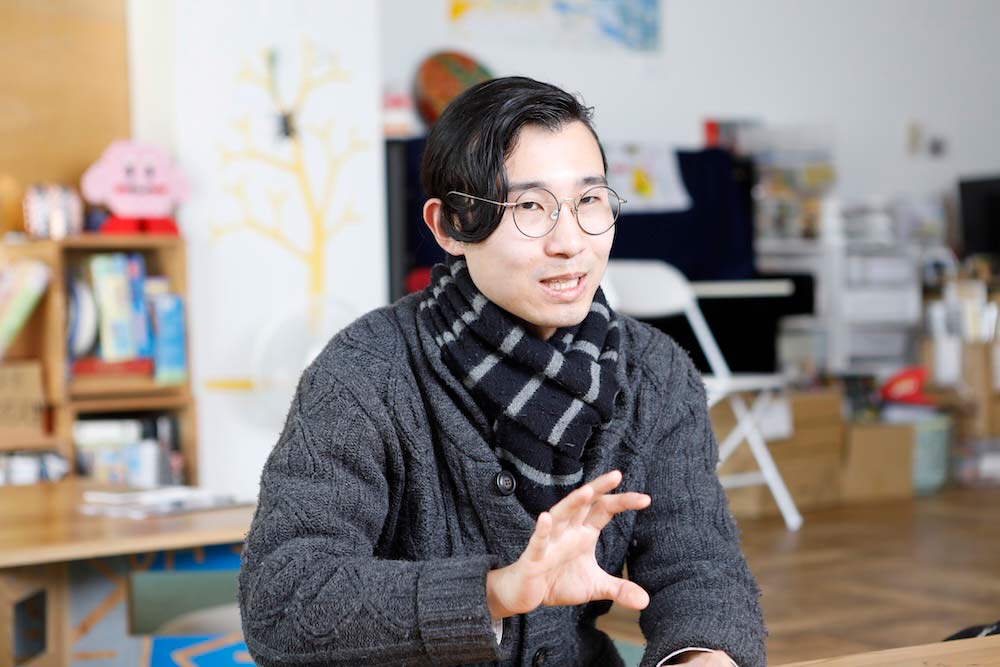
Journal: Has anything stood out to you regarding children’s changes after starting to attend Hitonone?
Yajima: There was a kid in the sixth grade of elementary school who hadn’t been attending school for a while. While I didn’t think there was any need to force them to return, I wanted them to have some kind of goal. So I said, it doesn’t have to be right away, but we should figure out something you want to do in the future.
Suddenly, they developed an interest in sociology and autonomously began researching universities they were interested in going to. I was so happy that from our interactions they were able to discover their own goals.
Masumura: For kids who refuse to attend school, we first have to work to make them understand that this is a place where they can feel safe. Once that hurdle’s been cleared, some kids come forward and say they’d like to continue in their studies.
Something I strive to do is provide options. For example, to kids who are unsure about going to university, I say that it’s fine to go straight into work after high school, and you also have the option to think about your future while you’re in university. I want to help them create a situation where they have many roads they can follow, and to be able to consider and choose which, among those many roads, is best for them.
Yajima: At first, many kids don’t really talk, but by meeting them halfway they begin to speak more and eventually let us talk with them about their future. It may be because we’re not their parents nor their teachers that they’re able to speak honestly with us.
Masumura: Yes, that may be right. In private tutoring, there are some kids who really hate studying. They tell their mothers “I don’t want to study, and I don’t want to go!” But in private tutoring, they work very hard. So while they may hate studying, they understand that they should, and they’re just unable to articulate that.
So when we, a third party, enter the mix, kids are sometimes able to move on. I think that is the value of our existence at Hitonone.
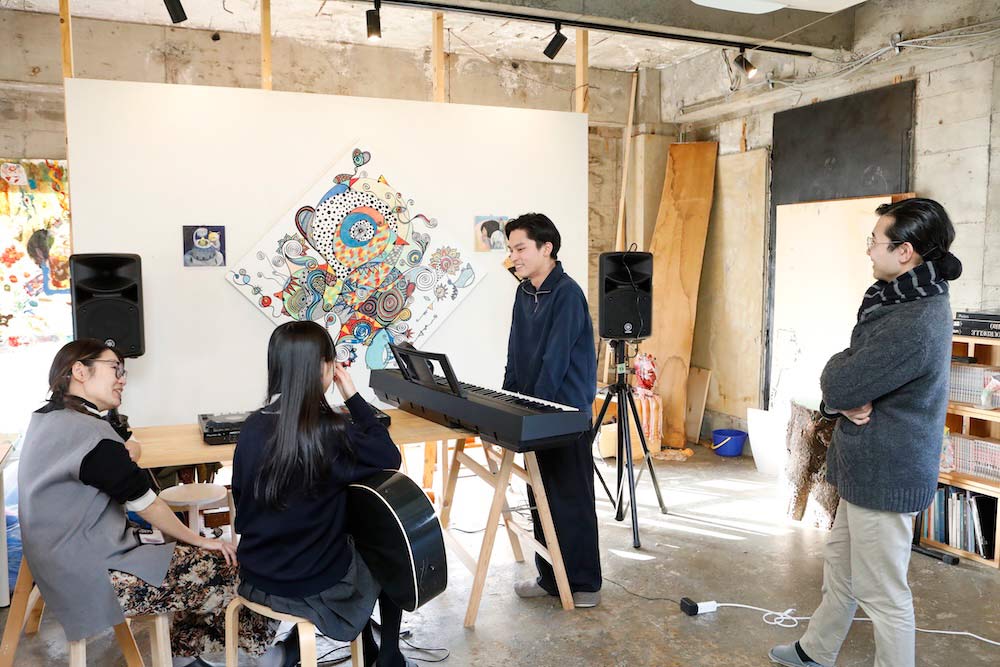
Through Hitonone, some became able to dig deeper into what they are interested in
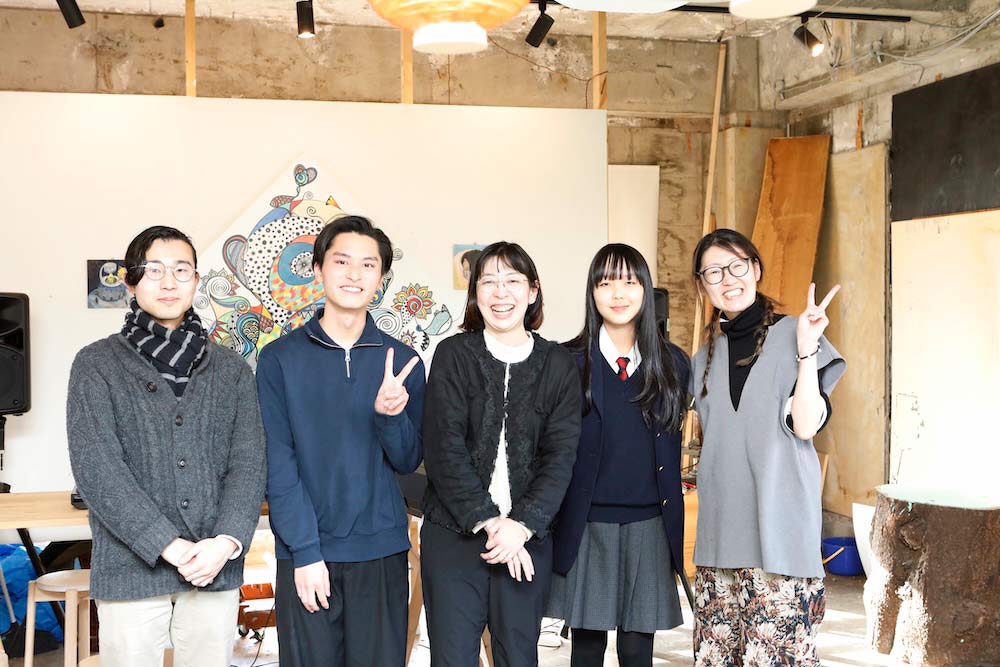
It is not uncommon that many children, through attending Hitonone, discover new talents and their path to the future. High school students Etsushi and Kano, who perform as the band Hoshinone (external link, Japanese only), were average high school students, but found their passion at Hitonone.
Journal: What led to the creation of your band, Hoshinone?
Etsushi: I met Kano here at Hitonone, and invited her to make music with me. I had been making songs on my own before, but I couldn’t sing…and just when I was wondering if I could find someone right for the part, I met Kano.
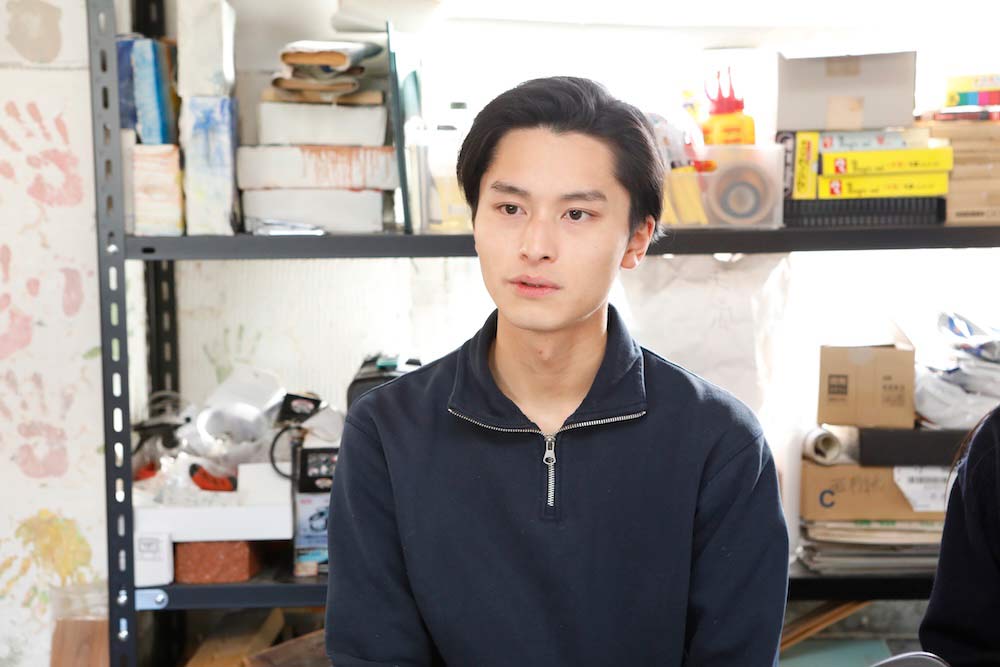
Journal: Why did you originally come to Hitonone?
Etsushi: At school, I had originally been in a community of people who liked music, but I got into arguments and ended up on my own, losing a place where I belonged. At that time, a friend of mine introduced Hitonone to me, and I started attending.
Kano: I had been attending the after-school care program that Hitonone had run since I was in elementary school. Then in middle school, I didn’t attend for a while, but after I heard they’d begun lessons on DTM,[2] I thought I’d start coming again.
- Note 2: The abbreviation of “desktop music.” It is a general term for creating and editing music using computers.↩︎
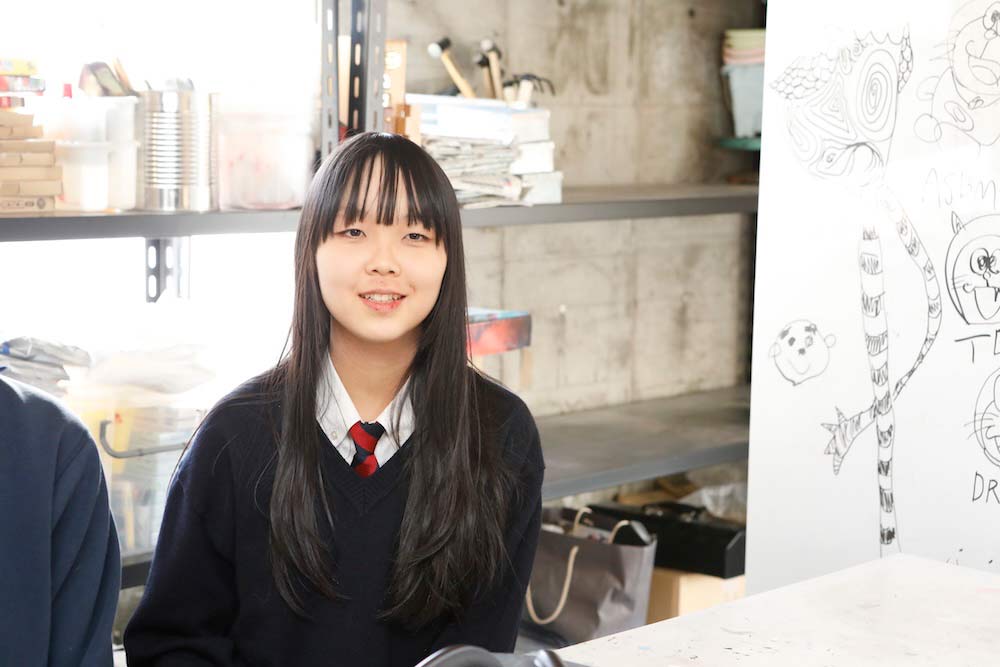
Etsushi: I got much more into music after coming here, and I feel my range of expression expanded greatly. Because you meet all kinds of people here, even for genres of music which I wasn’t as interested in, I would hear people talking and naturally ended up listening to all sorts of stuff. This has helped me to create music, so I’m very grateful.
Kano: Thanks to Hitonone, I’ve been able to explore my interests more deeply. Most of the kids here are really giving their all for their passions, and even if it’s a bit on the edge they allow that. That’s given me the courage to pursue what I like and not feel afraid of doing that.
Journal: Tell us about your goals for the future.
Etsushi: In April, I’ll start going to a music university in Tokyo, so I’ll be a bit far from Kano, but I’d like to do more and be more active with Hoshinone. While honing my skills at university to boost my ability, I want to write great songs, and have Kano sing them. In the meanwhile, I’ll continue making music like that.
Kano: I’m still not so sure what I’d like to do in the future, but I know for now that I want to be involved in music.
I want to be a bridge to connect children facing difficulties with society
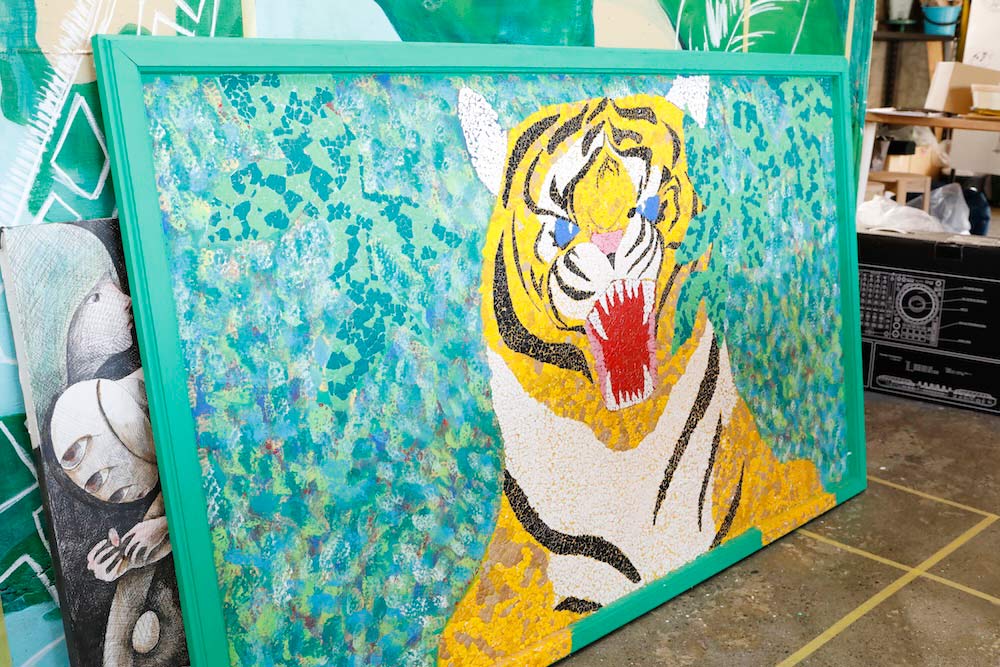
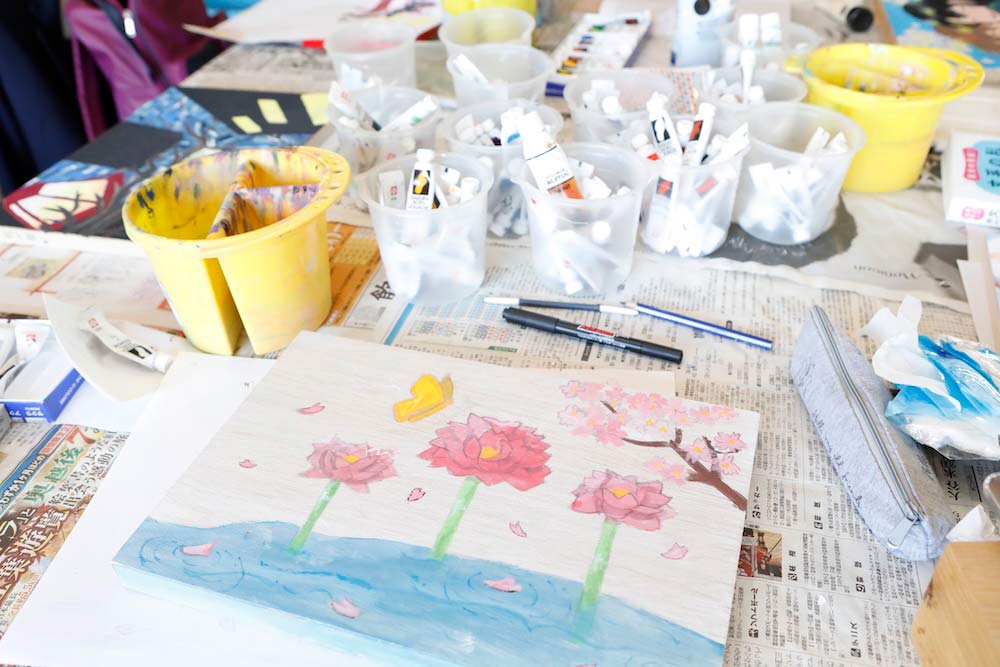
Like the two members of Hoshinone, many children at Hitonone exhibit creative skills. This is because at Hitonone, creative activity is supported and encouraged. In workspaces, art supplies, tools, computers, instruments, and more are stocked, so we have in place an environment where students can creatively challenge themselves. To find out why creativity is a priority, we turn again to Ms. Shinoda.
Journal: What was the impetus for you to create spaces for creative activities?
Shinoda: At schools in Gifu, there are lots of sports clubs, and it’s easy for kids who like sports to create a space for themselves. For kids who are more into cultural stuff, like art and making things, it’s much harder. What’s more, for other creative areas like DJing or filmmaking, schools are not necessarily suitable for students to pursue those activities. That’s why we decided to make such spaces within Hitonone.
I think that creative activities allow people to express themselves, so I want people to be themselves as much as they can here. Also, especially for kids in middle school and in high school who don’t belong to any club, there are not enough opportunities for them to express things that are not normally appreciated by those around them but are precious and important for them.
For creative people, when it comes to their own work, there are things they may think little of and feel too embarrassed to show to others, but when they’re around like-minded people they share a mutual understanding. By coming here, kids can mix and match what they’re interested in — art, music, programming, and more — and encounter people in all different fields. And sometimes they may be able to find something that can lead to their independence in the future.
The two members of Hoshinone met here and created a band spontaneously on their own. Music professionals who listened to their music took an interest and even made a music video together with them. I think that fueled them more, so for years to come, I want to provide support to children who are interested in creative activities.
Journal: How have you used the soundproof room which The Nippon Foundation helped complete?
Shinoda: We’ve set up a drum kit, and I’ve seen a lot of people using it, both kids who are into music and those who aren’t as much. From what I understand, drums don’t just provide a way of release, but also the ability to regulate emotion. For kids who are going through a lot, I think the soundproof room has been a very valuable space.
One kid films their drumming there and aims to become a YouTuber, while another uses it as a recording space. It’s been useful in a plethora of ways. And the talents of these kids may be yet to flourish.
Journal: Hitonone is becoming a space where kids discover all sorts of talents. What prospects do you have for the future?
Shinoda: I want us to be a base for children who like creative activities, and to create a greater understanding of children who have developmental disorder tendencies or are in a gray area. Speaking frankly, there is not enough support for them. And for that reason, I would like for more schools and organizations to broaden their understanding. I also want to create more connections between the kids attending Hitonone and people working in organizations. For example, we host monthly food parties, and I invite working professionals to participate in these events as well.
By having them interact with these kids, they will come to understand what sort of problems they encounter and what developmental disorders or gray areas are. And I think eventually that will lead to the creation of a more diverse society.
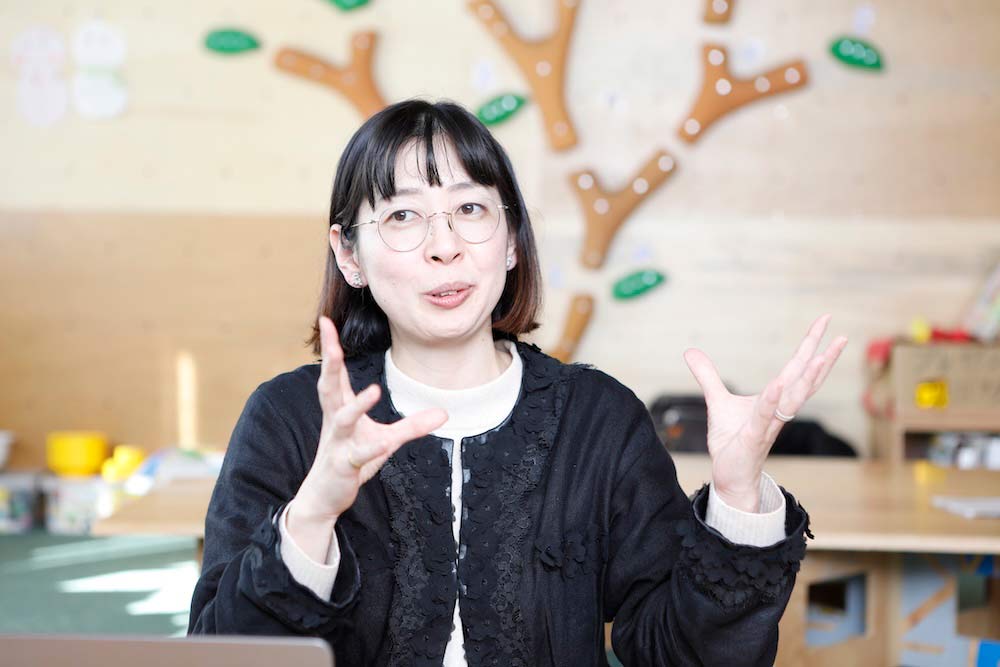
Shinoda: All children must one day become a part of society and stand on their own. If that is so, we want to support them. For kids who refuse to attend school, we want to help them return, and for kids who are worried about joining society, we want to alleviate them of that anxiety. We want to connect these kids to the world in the way that matches them best so that they can become independent. I believe that’s the role of Hitonone.
Editor’s Note
I felt a sharp realization when Ms. Shinoda said the word “self-understanding.” Understanding ourselves makes life easier and can open paths to find future dreams. I think it is because “self-understanding” is prioritized that Hitonone has been able to create a space for so many kids. I hope that many more kids to come will find themselves here and shine. I want to continue watching the activities of Hitonone with these thoughts in mind. That summarizes my reflections on our interview.
Text: The Nippon Foundation Journal Editing Department
Photo: Emi Enishi
Profile
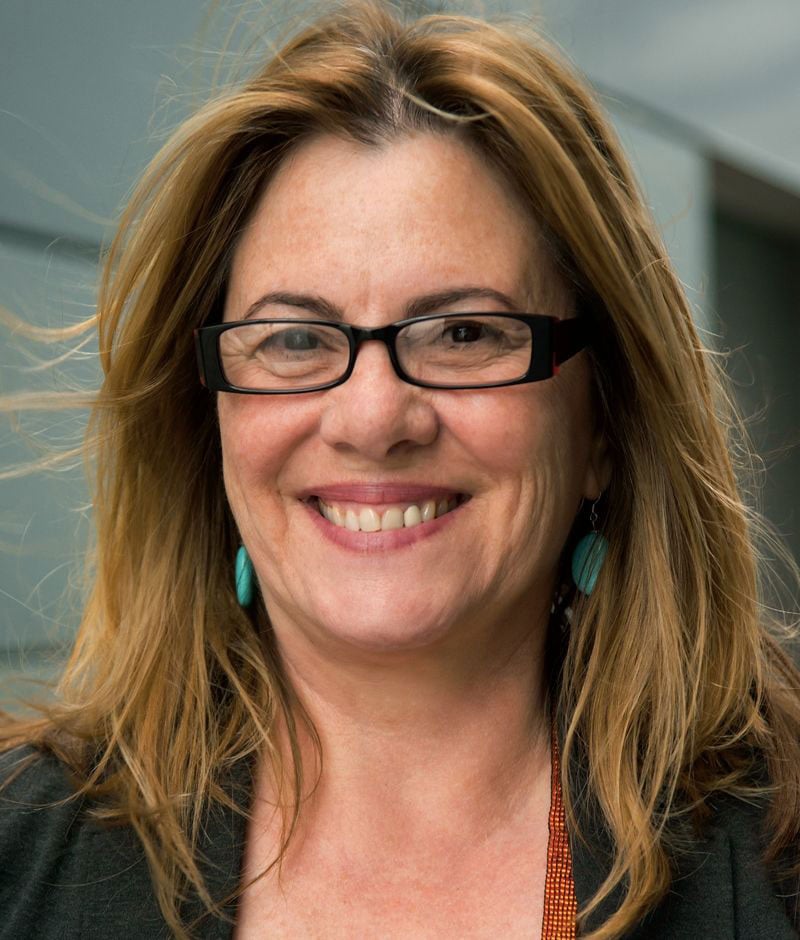
Hanako Shinoda
BA, Faculty of Foreign Studies, Nanzan University; MA, Art Education, Graduate School of Education, Tokyo Gakugei University. After working as a director and copywriter at an advertising company, she founded the General Incorporated Association Hitonone in 2018 with the mission of creating a more fulfilling time after school for children. She is the mother of three children, a Master of Education, a certified after-school childcare worker, and a licensed psychologist.