Sex Education in Japan Won’t Change Unless Adults ChangeWhat does Ogi Mama hope to realize in his advocacy for reform?
Key Points
- Comprehensive sexuality education (CSE) takes a wide-ranging approach to sex education. With human rights forming its core, CSE teaches not only accurate and scientific information about sex and reproduction, but also about human relations, gender equality, and sexual diversity.
- Ogi Mama has developed CSE Hub for the promotion of CSE.
- Sex education should not mean simply talking about reproduction and intercourse. As adults, we must first update our knowledge of sex and advance our awareness of human rights.
At Japanese schools today, sex education is something that has long been procrastinated, and opportunities for children and young adults to have access to accurate and diverse information on sex have been lacking. Important topics directly relating to human life, including sexual consent, the prevention of sexual assault, menstruation, and contraception, are not covered sufficiently.
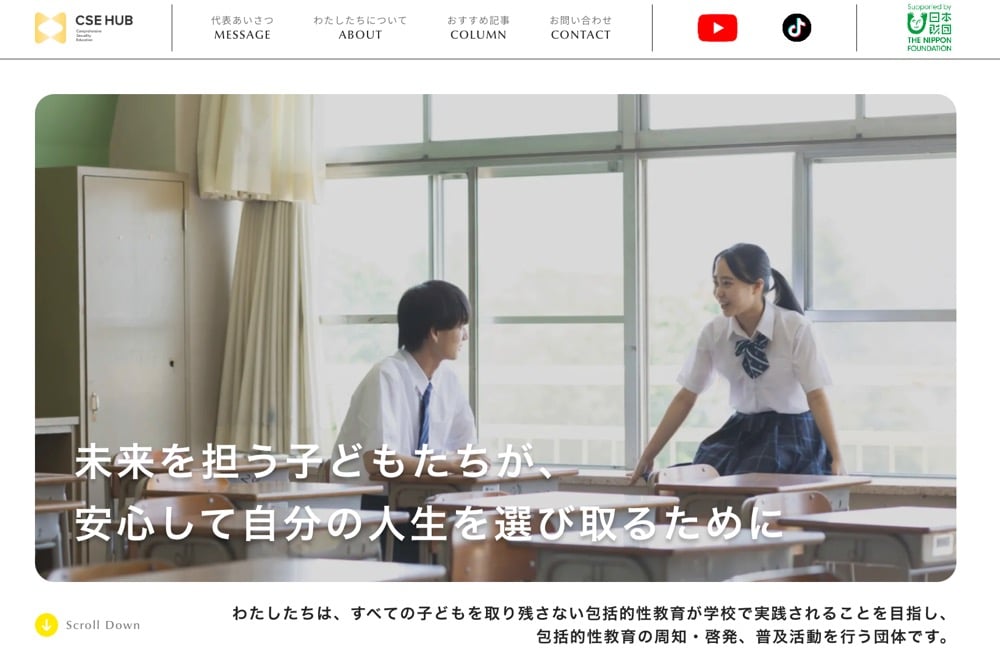
In light of this, Japanese media outlets have begun to feature voices that call for the use of CSE, which is promoted by international organizations, instead of the conventional sex education in Japan. Since 2024, educational critic Naoki Ogi, also known as “Ogi Mama,” has spearheaded CSE Hub, a web portal that aims to help implement CSE in Japanese schools.
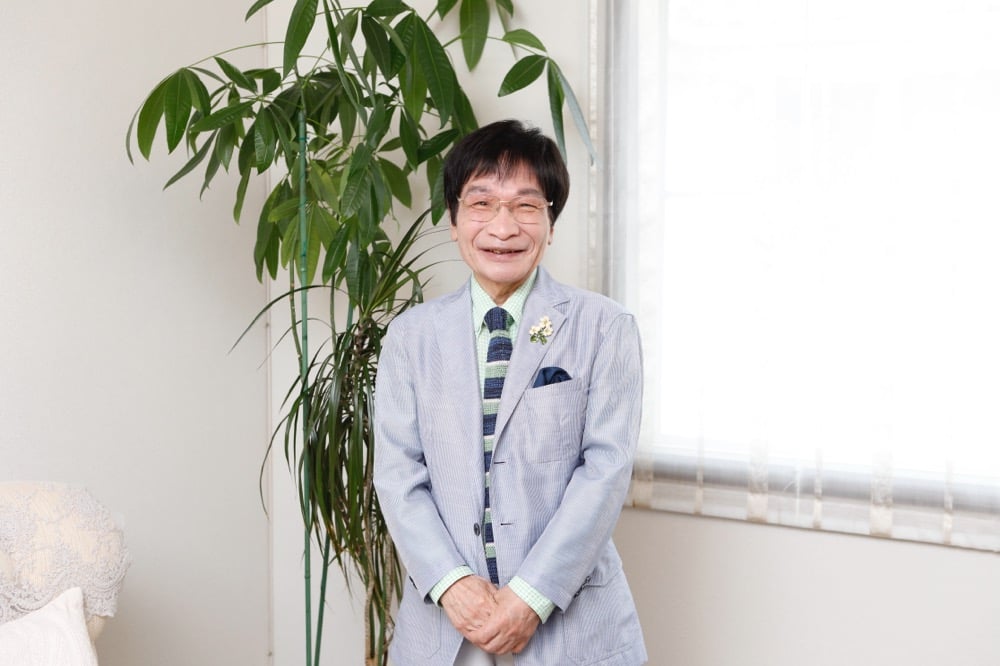
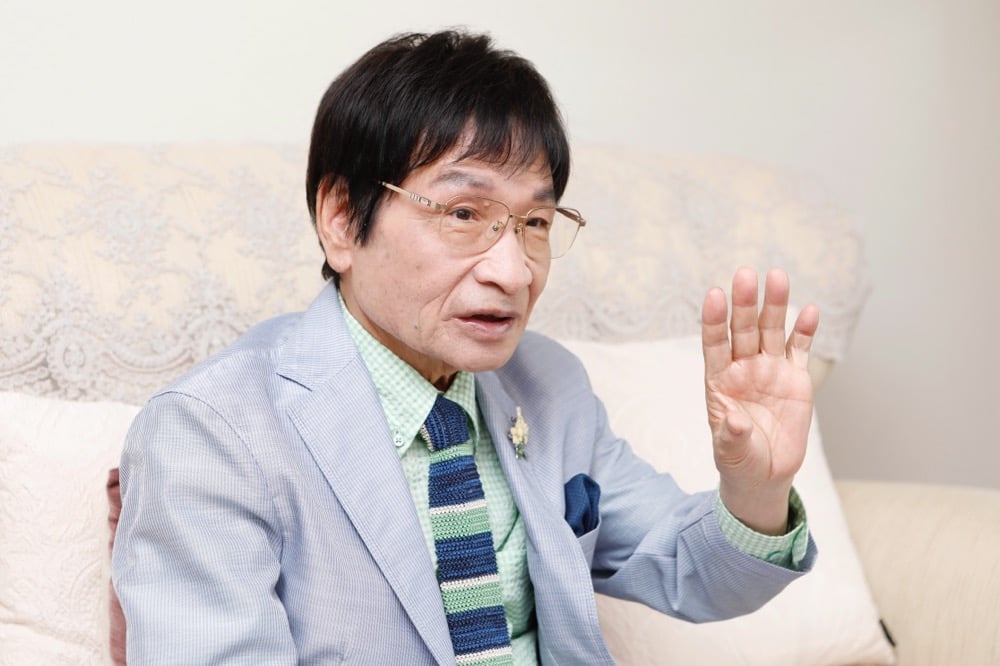
Mr. Ogi, who has been a part of the educational field for more than 40 years, came to the conviction that sex education among children was lacking—an idea that was prompted by attending the First Expert Council on Sex and Pregnancy held in 2020. We asked him to tell us about CSE, and about the necessity for Japan to update its sex education.
Shock at the present situation, where a lack of sex knowledge invites unplanned pregnancies and child abuse
The Nippon Foundation Journal Editing Department: First, we’d like to ask what led you to create CSE Hub.
Naoki Ogi: What led me to coming into contact with CSE was participating in the First Expert Council on Sex and Pregnancy in 2020. I learned there that there had been a sharp increase in consultations from young people related to unplanned pregnancies during the COVID-19 pandemic, and that among abuse-related deaths excluding collective suicides, approximately 50% were of infants aged zero, the highest rate, and among those newborn children, zero-month babies represented the highest number.
Furthermore, according to the Children and Families Agency’s report, “Kodomo gyakutai ni yoru shibo jirei to no kensho kekka to ni tsuite (Verification results and other findings of child abuse-related death cases)” (external link, in Japanese), the most frequent reason cited in the abuse-related deaths of newborns was “unexpected and/or unplanned pregnancies.” Among childbirths across Japan, approximately 1% of mothers were in their teens, and yet in cases of abuse-related deaths, the average proportion of teen pregnancies was 17%, a significantly high rate. This taught me how strikingly grave the situation is for young people; lack of access to contraception and accurate information about sex as well as lack of information and support for pregnancy, birth, and child-raising are causing various difficulties.
During debate among the council members, I began to feel keenly aware that there is a need to not only teach scientifically-proven, accurate information on sex, but also to incorporate — at the level of compulsory education — CSE, which can be used to repeatedly teach human relations, gender, and sexual diversity through the lens of human rights, based on international standards, the International Technical Guidance on Sexuality Education.
In 2022, the council released “Hokatsuteki seikyoiku no suishin ni kansuru teigensho (Proposal for the promotion of comprehensive sex education) (external link, Japanese only / PDF),” which aims to decrease unplanned teen pregnancies, and through sex education for children and young adults, to not only increase knowledge of reproduction and sexual conduct but also to nurture positive values promoting respect for human rights and diversity.
However, this was during the COVID-19 pandemic, and regrettably, this proposal was unable to move toward concrete action.
Ogi: At around the same time, there was the discovery of the frozen body of a girl who had been subject to sexual bullying at the girl’s junior high school in Asahikawa City, Hokkaido, and I was assigned as chairman of the review committee. As we investigated the background from scratch, I saw the horrifying sexual bullying that took place over social media, and learned that this was a problem that could appear at any time in any part of the country. In the “Proposal for the prevention of a reappearance of bullying” in our report, we also prescribed “the guarantee of sex education for all children enrolled in school,” recommending the implementation of CSE and the preparation of appropriate environments in compulsory education.
To help raise awareness of these problems plaguing Japan’s sex education, which has fallen behind the rest of the world, we created the Comprehensive Sexuality Education Research Council in 2023. With funding from The Nippon Foundation in 2024, we created a web portal, CSE Hub, to help relay accurate information regarding CSE, and to connect people, organizations, and experts who implement its teachings.
Journal: Please tell us what’s different between the sex education that has been taught in Japan until now and comprehensive sexuality education.
Ogi: Japan’s sex education is lacking in both quality and quantity. The content is piecemeal, and it is not systematically situated within curricula. CSE is a form of sex education grounded in human rights based on international standards, the International Technical Guidance on Sexuality Education advocated by UNESCO.
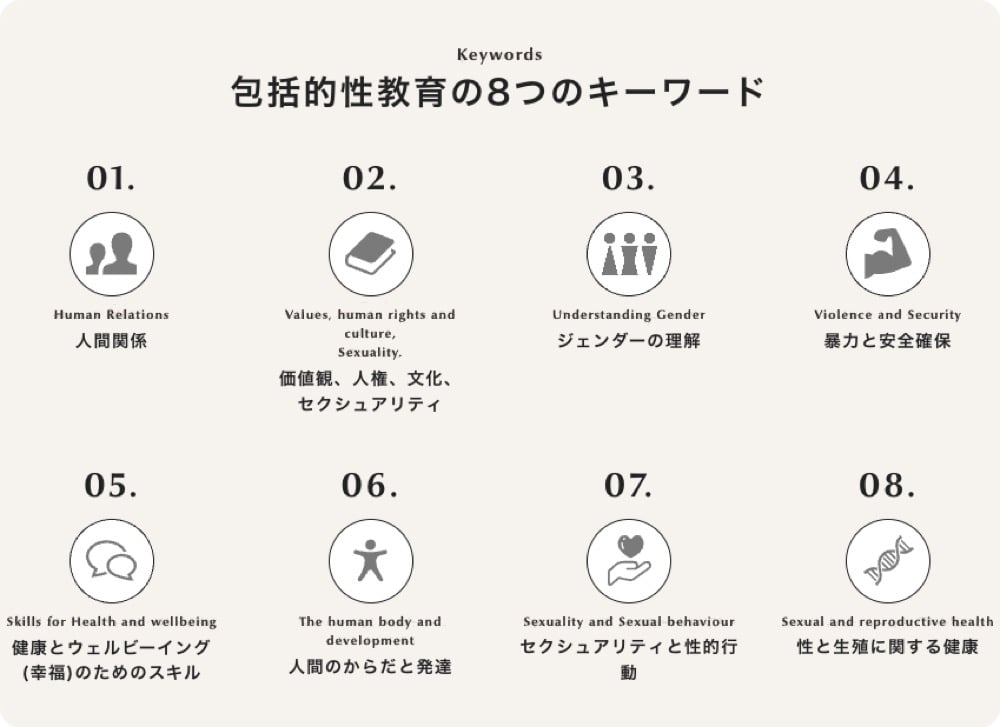
CSE is not only about reproduction and intercourse, but about human relations, gender, and more, centered around what are called the “eight key concepts.” The key point is to learn a wide range of content repeatedly in a comprehensive manner according to ages.
Journal: It is often said that sex education in Japan is outdated, but what is the reality of the situation in schools today?
Ogi: In schools abroad, sex education is taught for approximately 10-15 hours per school year, but in Japanese middle schools, it is only taught for around three hours per year. And that’s not time specifically reserved to teach sex education, but lessons taught in physical education on rainy days when the school playground is unavailable, to pass away the time.
In addition to this, even though schools teach about how ejaculation or menstruation work, or about impregnation, pregnancies, or STDs, the crucial point of “How does one become pregnant?” is missing from the curriculum.
In Japan, people strongly believe in letting sleeping dogs lie and think that there is no need to bother teaching children about sex Or that sexual behavior isn’t to be encouraged. Also, the curriculum guidelines include the so-called Hadome (limit) Stipulation,[1]
which states that the process of fertilization of human beings is “not to be covered” in elementary school science classes, and the same is true for the pregnancy process in middle school physical education classes. People take this to mean that “sex is not to be taught in school,” which has led to the current situation of not teaching how one becomes pregnant.
In 2003, there was the incident at the Tokyo Metropolitan Nanao School for Handicapped Children,[2]
that caused further government intervention in schools that conducted sex education, and this intimidating situation has continued to the present.
With the rapid proliferation of smartphones, there has been a sharp increase in the number of children involved in cases of sexual assault via social media. In 2021, the Ministry of Education, Culture, Sports, Science and Technology began promoting Life Safety Education (external link, Japanese only), but this is not sex education, and in some areas it has still not taken full effect.
To begin with, unless children are equipped with the right knowledge of sex as a premise, it’s difficult even to recognize what they are experiencing is sexual assault, and I think it is hard for victims to understand that it is an issue relevant to them personally. Furthermore, children who are perpetrators of sexual assault may not be aware that what they are doing is an infringement on human rights.
Recently, issues of sexual harassment and assault by prominent figures have been widely covered by the media; every time I see such news, I am made keenly aware of how low adults’ awareness of human rights is.
- Note 1: When handling the content of curriculum guidelines, while it is assumed that the relevant content will be covered, restrictions are placed on the way it is handled; this is called the “Hadome (limit) Stipulation.”↩︎
- Note 2: A case in which sex education being taught to students with disabilities at the Tokyo Metropolitan Nanao School for Handicapped Children (current Tokyo Metropolitan Nanao School for Special Needs Education) was heavily criticized by the members of the Metropolitan Assembly and others, and its teachers and staff members were punished.↩︎
The misunderstanding shared also by adults that sex education means “reproduction and intercourse”
Journal: What potential issues and risks are created by outdated sex education?
Ogi: With teen pregnancies, for example, many cases have shown that the lower the age of the individuals involved, the less likely they are to realize they are pregnant. And even if they have realized what’s happened, they may not know who to talk to about it, or feel they can’t talk about it, and once some time has passed, they may be forced to undergo high-risk abortions. This sometimes results in the abuse-related deaths of first-day newborns.
Young adults with pregnancies can have difficulty receiving support and understanding, with some having nobody to turn to but themselves, dropping out of high school, and in some cases becoming single mothers in their teens. Of course, people in these situations cannot achieve adequate financial independence, and are faced with poverty.
Journal: Despite such circumstances, some are still opposed to the early introduction of sex education. How can understanding be won?
Ogi: I believe Japan’s outdated sex education is not the responsibility of children, but of adults and society as a whole. So, I think there is first a need for us adults to update our knowledge and understanding of sex education and human rights. I suppose still today, many believe sex education to be no more than “reproduction and intercourse” or “talk about private parts.”
To learn about sex is to learn about life. Sexuality is a basic human right, and I think that there is a need to create an opportunity to understand that it is something that should be learned systematically and comprehensively according to the developmental needs of children.
Journal: If adults don’t properly understand sex, surely they won’t be able to teach it to children.
Ogi: Exactly. For reasons such as this, at CSE Hub, we use platforms including TikTok and YouTube to relay various kinds of information on CSE, and reply to commenters’ questions and concerns, and also address cases in the news such as those of sexual assault to a wide range of generations.
Journal: What response has there been so far to the activities of CSE Hub?
Ogi: Although we’ve just begun, we’ve been making new connections through contact from school teachers and people in the countryside working to implement CSE. On TikTok, there’s been an overwhelmingly strong response from parents, particularly women, with kids in their teens.
CSE teaches to “accept yourself as you are”
Journal: What can be expected of Japan with the spread of CSE?
Ogi: Research shows that when sex education is provided with proper information by age group, sexual conduct becomes more cautious. In addition, with increased awareness of human rights to respect every individual, I believe sex-related crimes can be expected to decrease in the long-term.
Another thing I think is important is increases in self-esteem. Within self-esteem, there is both social self-esteem, which can be measured in test scores or public image, and also, more importantly, absolute self-esteem, which is about accepting yourself as you are. This is an essential self-love that prevails in spite of, say, one’s difficulty with athletics or studying.
However, in practice, many parents and teachers do more to develop a sense of social self-esteem than absolute self-esteem.
CSE includes self-respect and absolute self-esteem in its teachings. When adults continuously convey the message to children “you are wonderful the way you are,” children come to think “I’m fine the way I am.” I believe that is the starting point for people to accept others.
Journal: For Japan to update its knowledge and understanding of sex education, what steps need to be taken by society?
Ogi: Number one is for Japan to realize that its sex education has fallen behind the rest of the world. After that, make a great impact to society, rather than work slowly, or else it won’t change, so I believe a media strategy is also important.
In 2022, the Student Guidance Essentials was revised, and in 2023 the Basic Act on Children’s Policy (external link) was enforced. The policy aims to respect human rights and the rights of all children and young people as well as to pursue their safety and well-being. However, both have unfortunately failed to make an impact.
The Japanese version of the DBS[3] has been widely discussed, and the proportion of repeat offenses of sexual assault is another issue. Together with the stricter penalties for sexual crimes, the treatment of perpetrators for the prevention of repeat offenses is another area which requires work.
- Note 3: A system requiring that people in specific fields of work, who come in contact with children in their job, are clear of any past sex crime records. Reference: Act on Measures to Prevent Child‑Targeted Sexual Violence by School Operators and Private Education/Childcare Providers (the “Japanese DBS Act” or the “Child Sexual Violence Prevention Act”) / National PTA Council (external link, in Japanese)↩︎
Ogi: Also, I think regulations regarding sexual content and advertising are not sufficient. Particularly in areas visible to children. On the internet and on social media, things are even worse. In the West, voluntary restraints have been placed on the advertising industry to prevent the sexual exploitation and abuse of children, and compared to Japan, there is a greater consciousness with regard to protecting children from sexual content and advertising.
However, many disagree on grounds of “freedom of expression” and while it is a very difficult issue to handle, I think that through active debate, raising public awareness of this issue would be a great step forward to change society.
Journal: Taking into account all you have said until this point, what can we do individually to help move forward CSE in Japan?
Ogi: As I said before, I think it’s important for both adults and children to obtain accurate, scientific information on sex. Then, we must continuously update our knowledge of sex and human rights. In recent years, there have been easy-to-understand books for kids published on sex education, and I think some of these could serve as an introduction for adults, too.
I also think it’s important for us to acquire information by ourselves and have the courage to speak up when we find something that seems completely wrong or disagreeable.
At CSE Hub, we hope to continue to provide various information regarding comprehensive sexuality education, to work towards the abolishment of the “Hadome (limit) Stipulation” and the introduction of CSE at the compulsory education level, and by connecting with people of all sorts, to create a new momentum in society.
What each of us can do to help promote CSE
- For both children and adults alike, to recognize the current situation that Japan’s sex education has fallen behind the rest of the world
- To learn through books etc. about CSE and update our knowledge for understanding sex education
- When noticing something in society that doesn’t feel right, to always proactively raise our voices or support those who have already raised their voices
I hope that with the spread of CSE, not only will our understanding regarding sex become more accurate, but also that society will foster recognition that everyone is precious, and that unplanned pregnancies and sexual violence will in turn be prevented.
Text: The Nippon Foundation Journal Editing Department
Photo: Emi Enishi
Profile
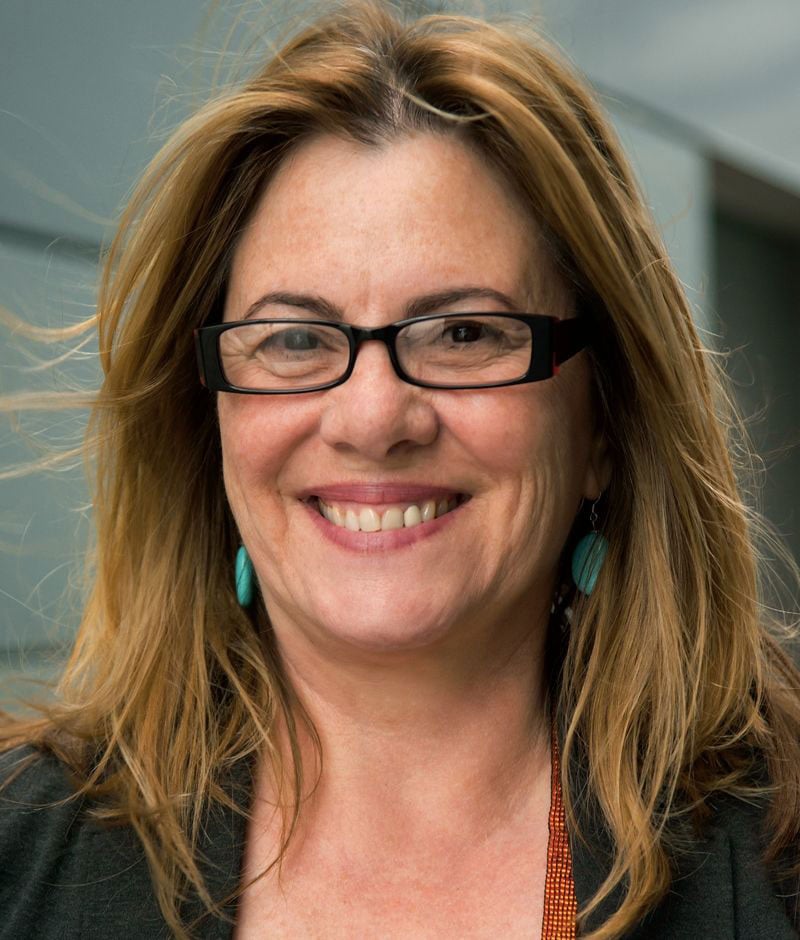
Naoki Ogi
Born in 1947 in Shiga Prefecture. After graduating from Waseda University, he began a career working at Kaijo Senior High School and Tokyo Metropolitan public middle schools for 22 years, developing creative education centered around children. Afterward, he worked as a university professor for 22 years, accumulating a total of 44 years’ teaching experience. Currently, he is Professor Emeritus at Hosei University and Honorary Director of the Tokyo Metropolitan Library. At the Clinical Education Research Center Niji (Rainbow), for which he serves as chairman, he works on field-based investigations and research. From his appearances on TV, he has earned the nickname “Ogi Mama,” owing to his popularity with audiences ranging from children to the elderly.