Empowering Change-Makers: Case Studies from The Nippon Foundation's Global Scholarship NetworkHow international scholarship alumni transition from students to drivers of systemic change
As explored in our overview of The Nippon Foundation’s scholarship philosophy, educational grants are designed not as short-term financial aid, but as a 20-to-30-year investment in human capital. The true measure of these programs lies not in immediate academic performance, but in the real-world social contributions alumni make decades later as they advance scientific research, enter public service, and strengthen local institutions. Below, three former recipients demonstrate how their fellowship experiences fostered lifelong networks that continue to drive systemic change today.
Finding how interdisciplinary critical thinking shapes global policy
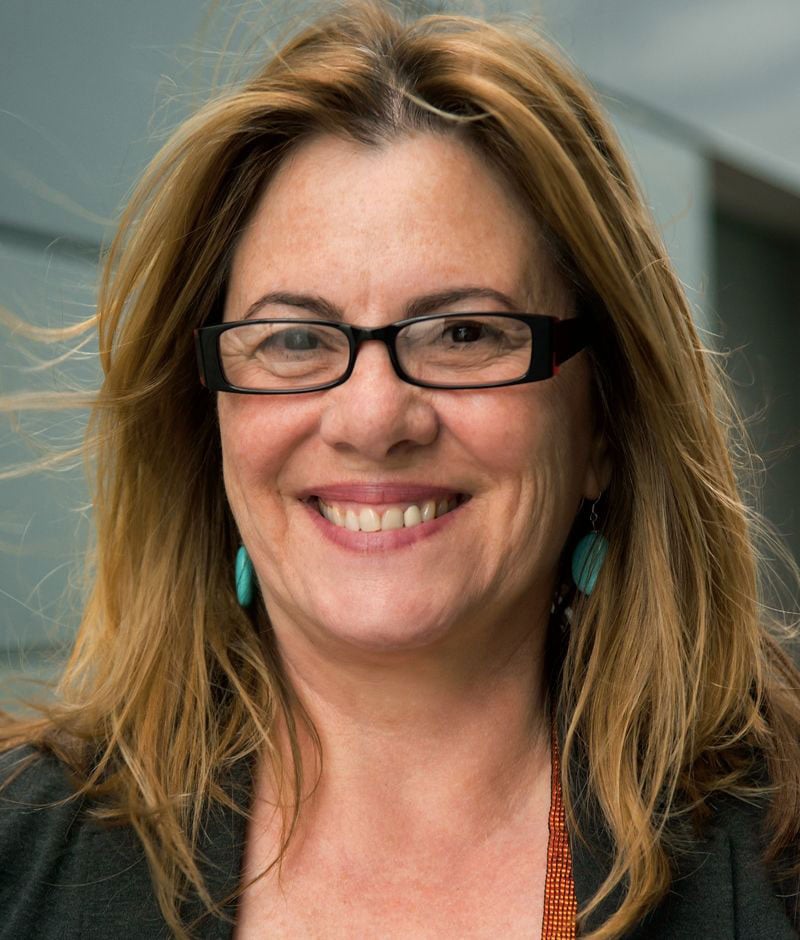
Harriet Harden-Davies, now Director of Ocean Voices—a partnership between The Nippon Foundation and the University of Edinburgh— points to an early lesson from her fellowship as a defining moment in her career.
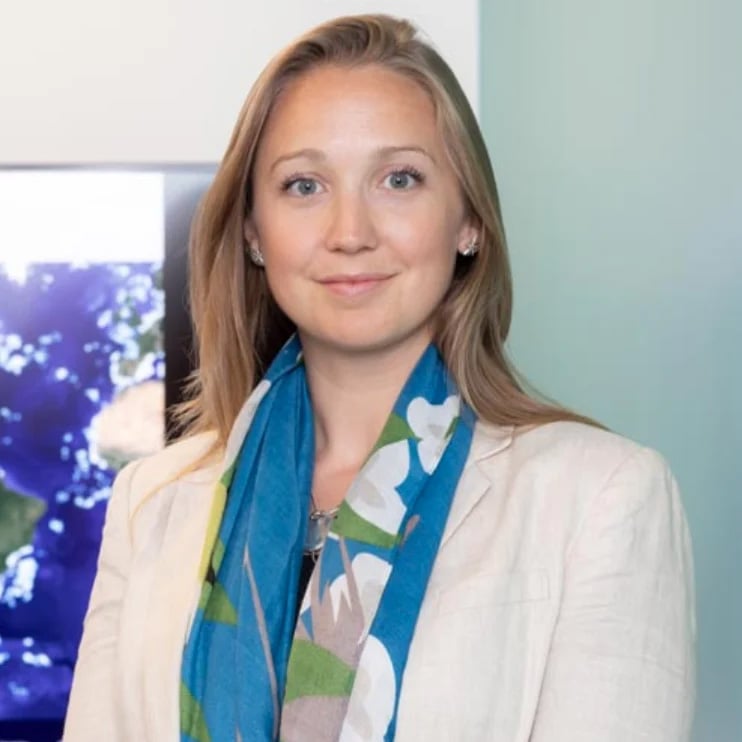
Supported as a postdoctoral research fellow through The Nippon Foundation Ocean Nexus Program at the University of Washington, her background in science and law was expanded through training in social science methods. She describes this interdisciplinary education as an “apprenticeship in critical thinking” that fundamentally shifted how she approaches ocean governance.
This cross-disciplinary approach proved vital during negotiations for the U.N. High Seas Treaty in New York. Amid complex discussions on marine conservation, international law, and genetic resources, Ms. Harden-Davies joined an informal, trusted group of scientists, lawyers, and social scientists gathered outside a conference room. Free from political constraints, the group pulled apart difficult legal text, reconciled scientific realities, and evaluated equity considerations to co-create essential technical inputs. “To understand an issue, you often need a few different brains in the room,” Ms. Harden-Davies says.
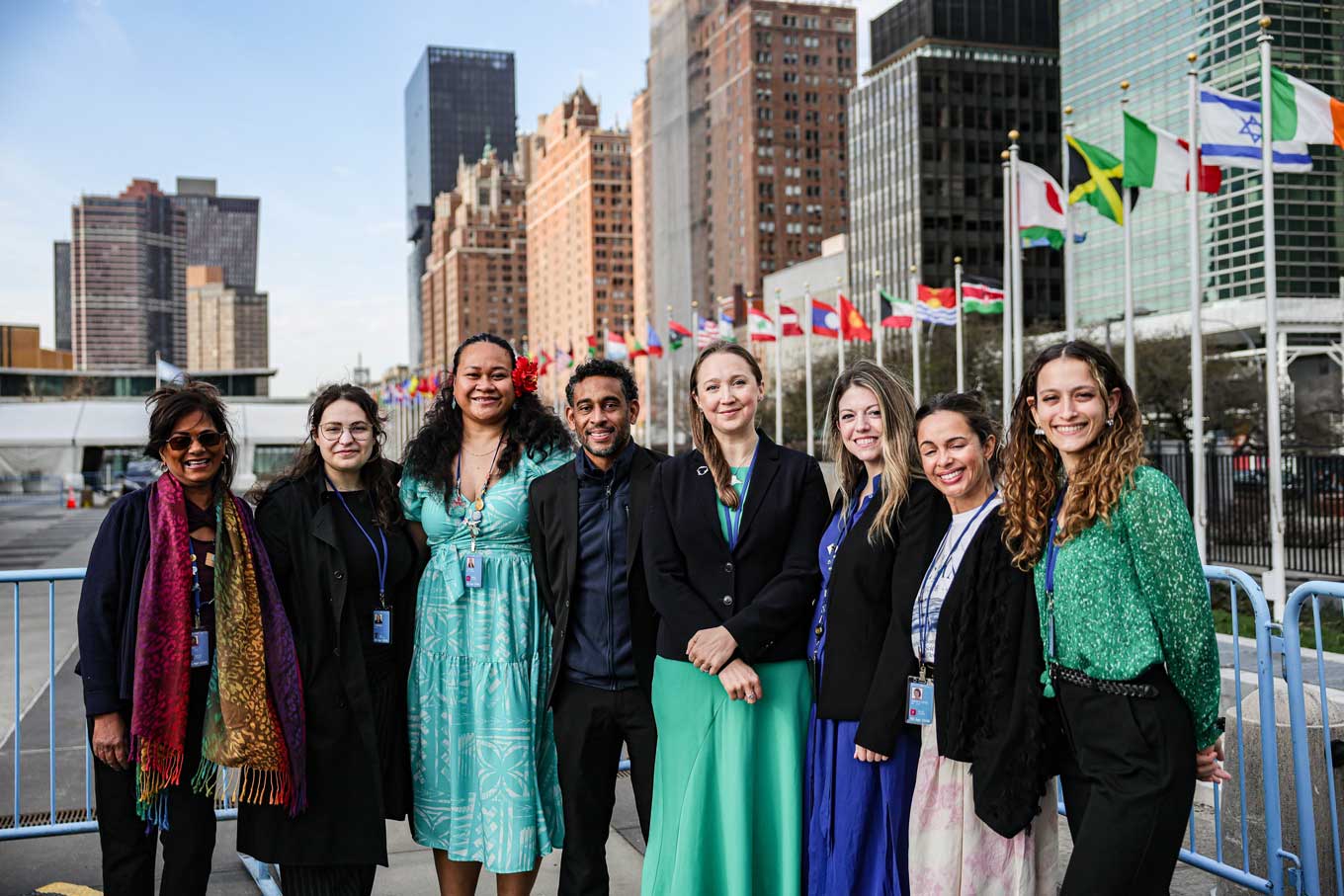
Today, Ms.Harriet Harden-Davies draws on those same global connections to find mentors and research placements for Ocean Voices fellows, particularly those from the Global South. In doing so, she has transitioned from a beneficiary of an international research network to an active leader expanding it.
“I’ve seen firsthand how, when people have an opportunity to find their voice and make strategic decisions about how to use it, they can go on to do fantastic things,” she says.
How cross-border mentorship fosters regional public leadership
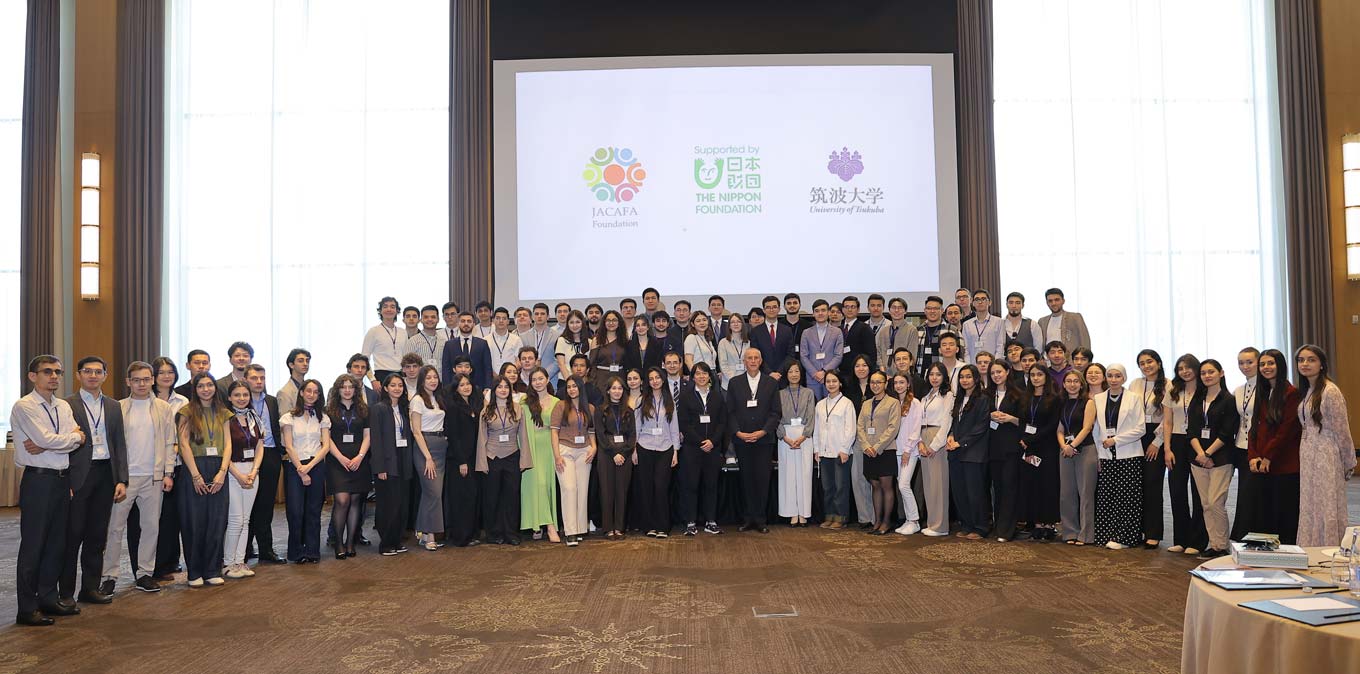
For Kairat Berdishaliev, attaché at the Ministry of Foreign Affairs, receiving the JACAFA (Japan Central Asia Friends & Associates Foundation) scholarship supported by The Nippon Foundation transformed his career path. Coming from a low-income background, removing immediate financial barriers allowed him to focus entirely on his studies in international relations. More importantly, it introduced him to a regional community of peers committed to public service across Central Asia.
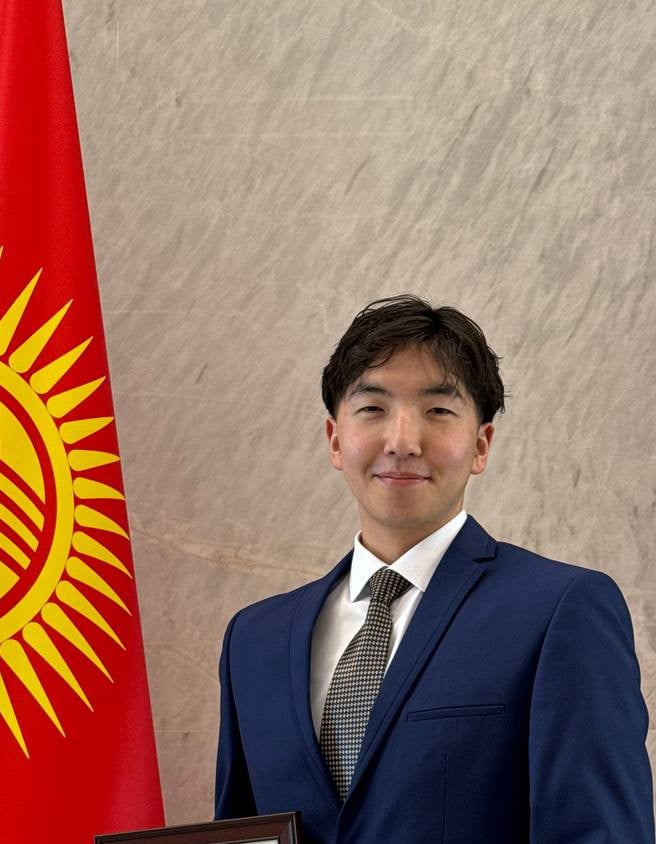
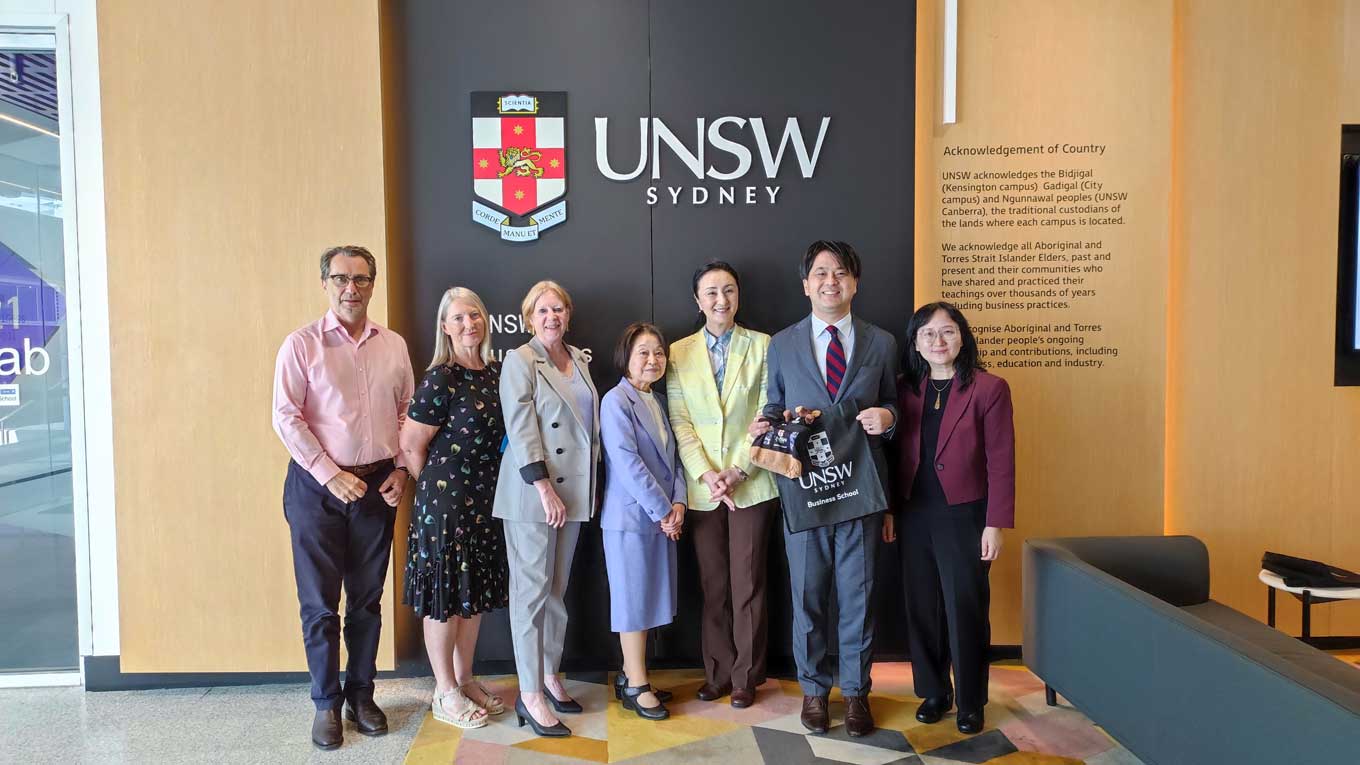
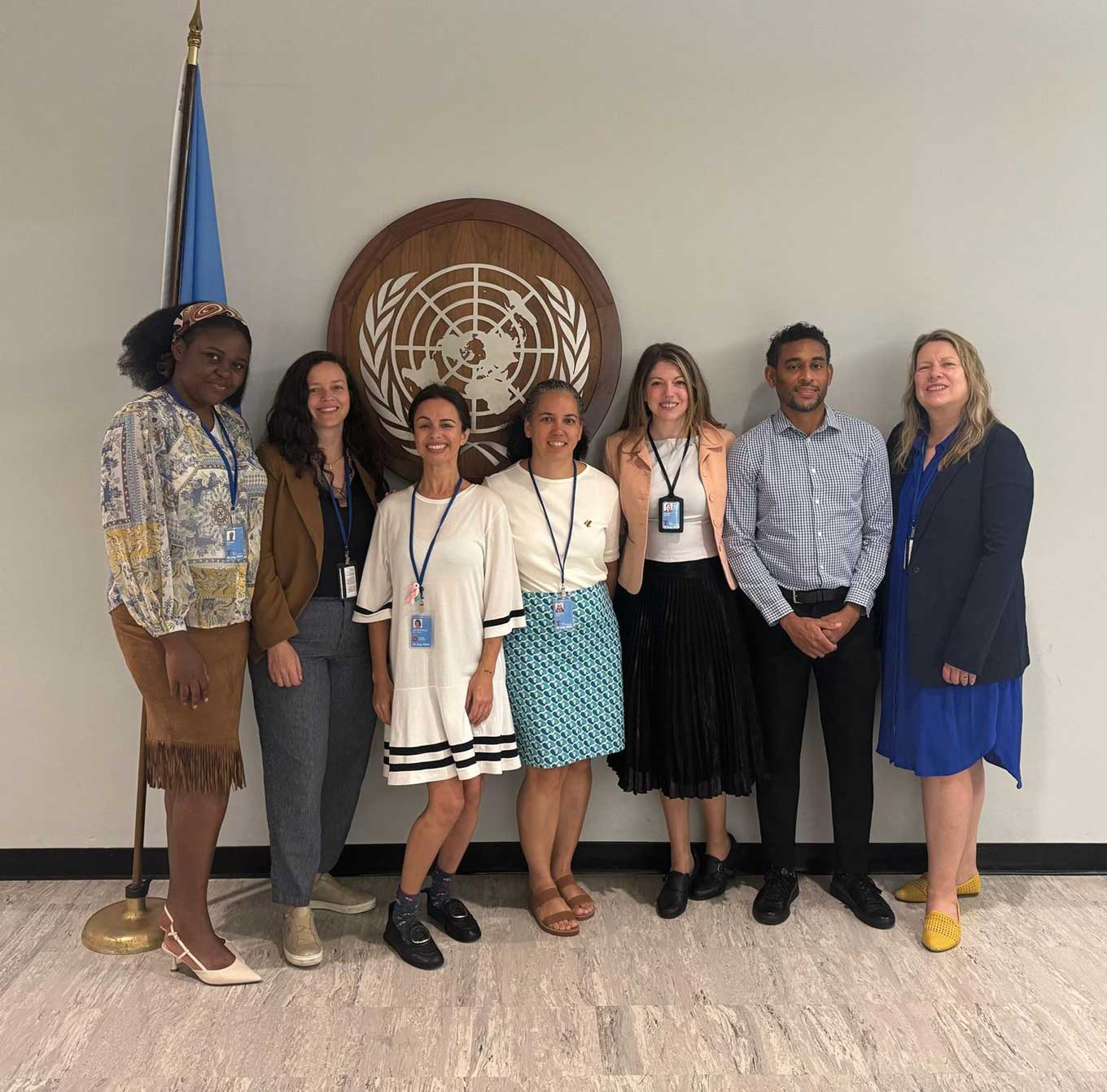
Beyond academic support, the scholarship provided access to a structured interdisciplinary network. Through The Nippon Foundation Scholars Association (TNFSA) framework, Mr. Berdishaliev participated in a cross-program mentorship initiative that paired him with Tali Nates, Director of the Johannesburg Holocaust & Genocide Centre and an alumna of the Foundation-supported Salzburg Global Seminar program.
These interdisciplinary and cross-border experiences, including the mentorship, have provided vital guidance and community as he navigated his transition into diplomacy. During his studies, he also applied for community project grants through the network, organizing initiatives including “Basketball for ALL,” an inclusive sports project that engaged more than 50 children and young persons with disabilities.
Today, Mr. Berdishaliev applies knowledge gained through the mentorship directly to his work in diplomatic relations and regional cooperation. “People, mindsets, cultures, and institutions vary across contexts,” he says. “Diplomacy requires holding that difference without rushing to judge it.” His journey demonstrates how targeted support for a student from a rural background can yield a public servant dedicated to fostering stability across borders.
Empowering local leaders to build self-sustaining healthcare systems
For Sisary Kheng, now CEO of Exceed Worldwide, the journey toward transforming rehabilitation services began at the Cambodian School of Prosthetics and Orthotics (CSPO), supported by The Nippon Foundation. After completing her CSPO training, she received a Nippon Foundation scholarship to study prosthetics and orthotics at La Trobe University in Australia. She went on to become a leader in the field, working to strengthen rehabilitation services and professional education in Cambodia and across the region.
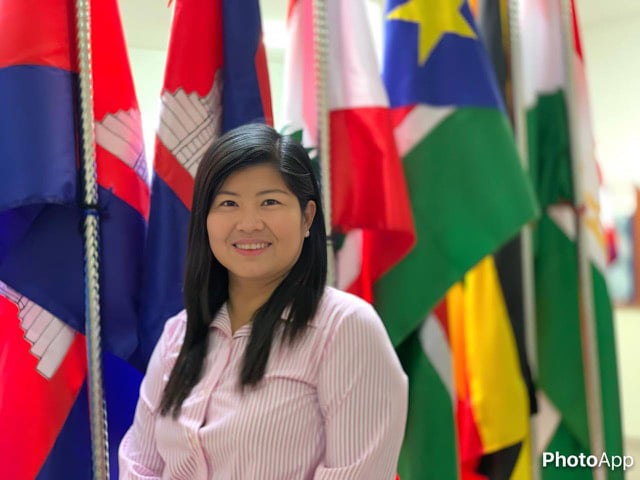
As she stepped into leadership roles, Ms. Kheng focused on dismantling systemic barriers for persons with disabilities. When a prospective student from Samoa who used a wheelchair applied to the training program, Ms. Kheng personally navigated the school in a wheelchair to identify accessibility obstacles. Her modifications to the classrooms and facilities enabled his successful graduation; he later returned to Samoa to lead national rehabilitation efforts. For Ms. Kheng, this demonstrated how targeted training creates a ripple effect of capacity building across borders.
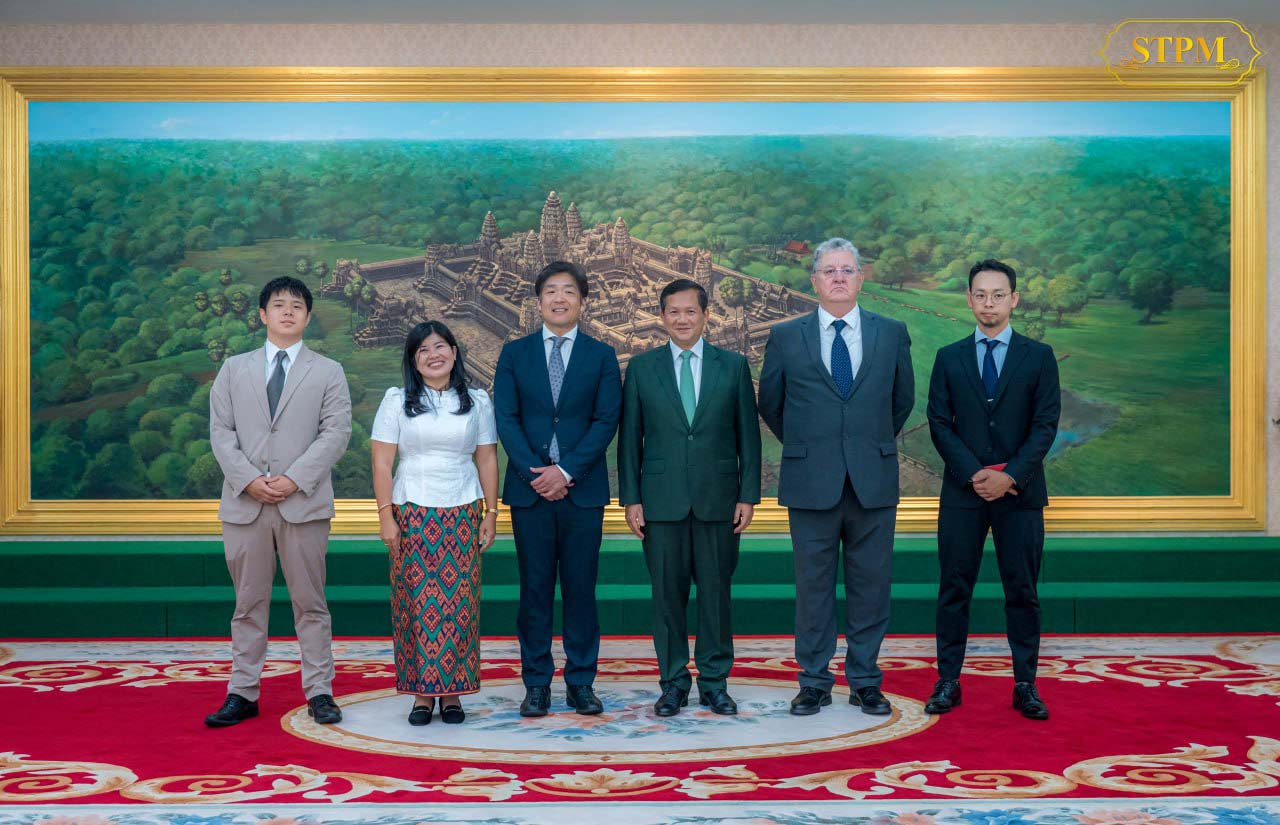
Today, as CEO of Exceed Worldwide, Ms. Kheng’s work extends beyond clinical training to national advocacy, pushing to integrate prosthetics and orthotics fully into Cambodia’s public healthcare framework and social protection systems. She is also strengthening professional networks across the region. Exceed brings together schools and professionals through exchanges, shared educational resources and collaborative research, while its research network connects more than 30 academic, research and industry partners. For Ms. Kheng, these connections help turn investment in individual professionals into stronger local leadership and more sustainable rehabilitation systems.
Sustaining multi-generational impact through lifelong networks
While individual programs maintain active alumni groups, The Nippon Foundation Scholars Association (TNFSA) provides a broader interdisciplinary platform that enables former recipients to exchange knowledge and collaborate across fields. These networks turn individual opportunities into collective, distributed impact—whether it is Ms. Harden-Davies guiding the next generation of ocean researchers, Mr. Berdishaliev applying cross-border perspectives to public service, or Ms. Kheng driving regional healthcare reform.
Ultimately, while an academic degree has a defined conclusion, the resulting relationships and commitment to public service endure. By expanding these global programs and strengthening ties among alumni, the Foundation fosters a self-sustaining cycle of social contribution. This multi-generational vision is best captured by Ms. Kheng’s ultimate goal for her students: “My goal is to train my students to be better than me.” The investment of The Nippon Foundation begins with one person, but its true impact is illustrated in how far that individual can carry it to empower others.
- Disclaimer: Any personal views or expressions by Kairat Berdishaliev in this article do not represent the views or official positions of the Ministry of Foreign Affairs of the Kyrgyz Republic or the Government of the Kyrgyz Republic.
Related Themes
Related Links
- Worldwide Scholarships and Fellowships
- The Nippon Foundation Scholars Association (TNFSA)
- Ocean Nexus
- JACAFA
- Exceed Worldwide
- Cambodian School of Prosthetics and Orthotics (CSPO)
Related Articles
Empowering Change-Makers: Case Studies from The Nippon Foundation’s Global Scholarship Network
Field Notes