Challenges Facing Disaster Zones Immediately After a Disaster StrikesLifesaving support phase
Key Points
- Disaster relief has three phases: emergency response, recovery, and reconstruction. Each phase has different challenges and needs.
- Restoring infrastructure as quickly as possible and rebuilding an environment where people can live is what leads to reconstruction.
- There is always some form of support that anyone can provide. To make that possible, people who can guide and coordinate efforts on the ground play a critical role.
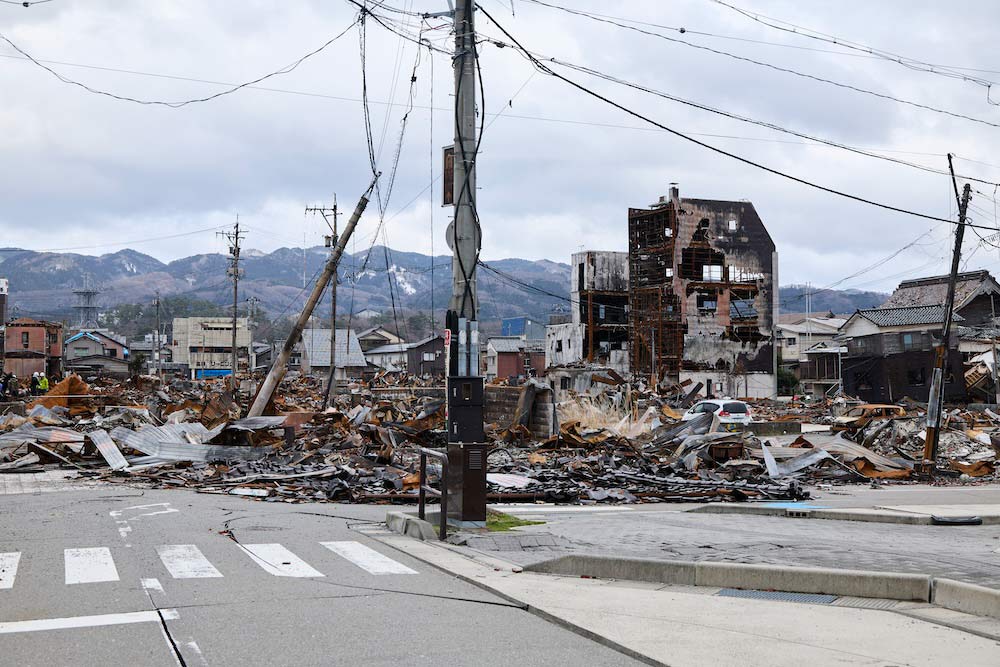
At 4:10 p.m. on January 1, 2024, a major earthquake struck, recording a maximum seismic intensity of 7, with its epicenter on the Noto Peninsula. Known as the 2024 Noto Peninsula Earthquake, the disaster occurred on New Year’s Day, which delayed the initial response and resulted in extensive damage.
At The Nippon Foundation, disaster response efforts are carried out with an awareness of three phases: the emergency response phase, the recovery phase, and the reconstruction phase.
Phases of support from the time a disaster strikes through reconstruction
Emergency Response Phase
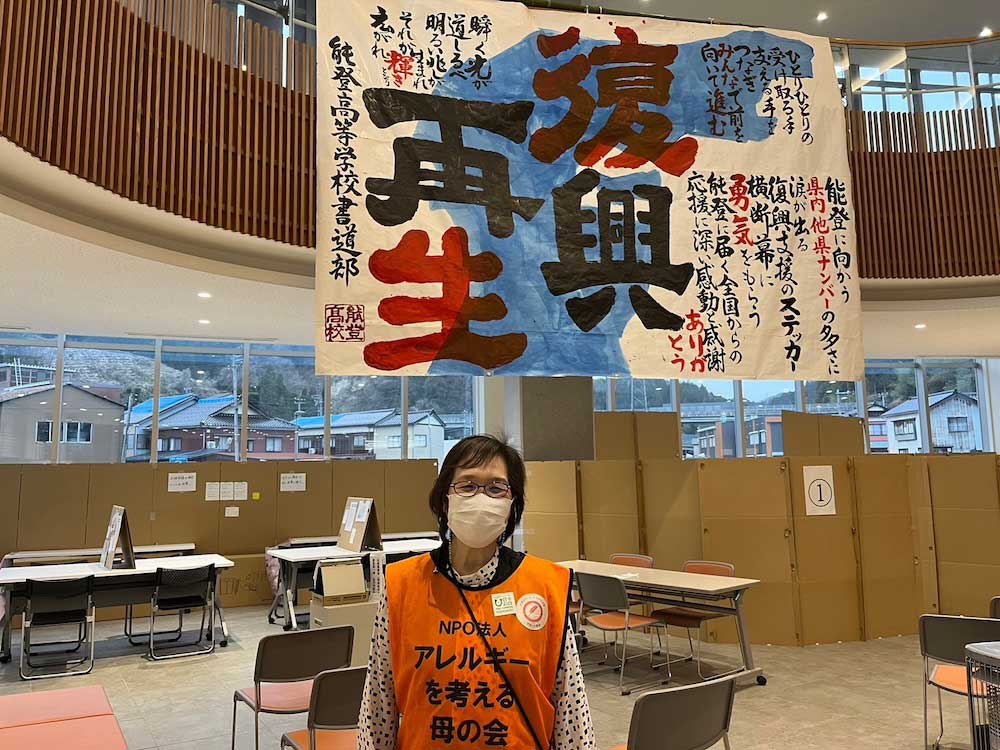
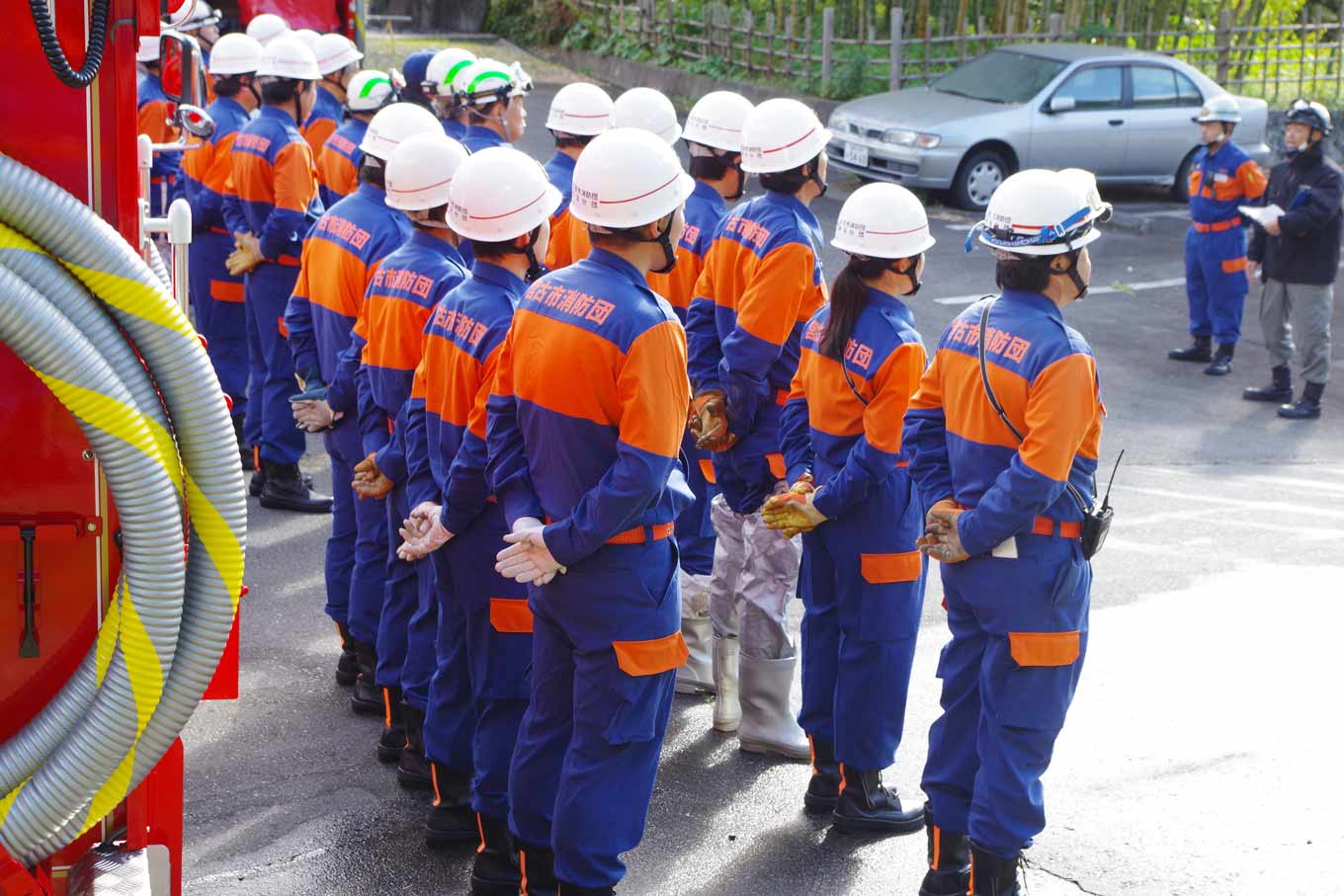
This is the phase that begins immediately after a disaster strikes, during which life-sustaining support is required. Search and rescue operations, as well as the establishment and management of evacuation shelters, are required. However, because outside assistance is often slow to reach affected areas at the outset, disaster survivors themselves become the primary actors.
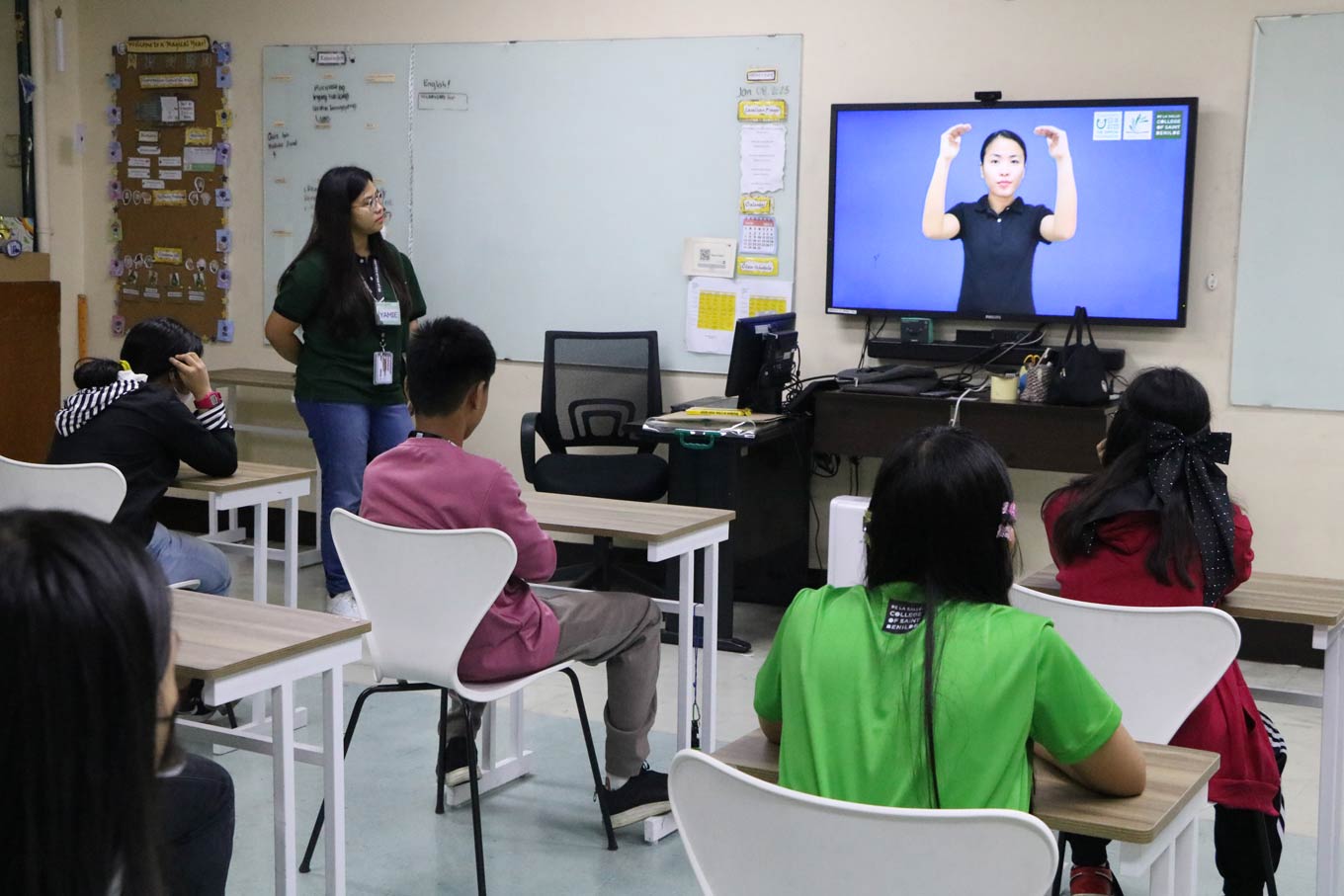
Support for people requiring special consideration, such as older adults, persons with disabilities, and foreign residents, is often overlooked. Because these individuals may have difficulty accessing information and require diverse forms of consideration, responses to their needs tend to be delayed.
Recovery Phase
As the confusion immediately following the disaster begins to subside, efforts are required to identify the latent needs of disaster survivors, as well as to prevent secondary harm such as health issues caused by prolonged evacuation.
Recovery also requires the demolition and removal of damaged homes, but this work faces challenges including funding constraints and a shortage of workers. Without progress in this area, it becomes difficult to secure land or build new housing, making it hard to envision a clear path forward and creating an environment in which anxiety easily takes hold in affected communities.
Reconstruction Phase
This is the phase in which daily life begins to return to normal in the disaster-affected areas, and long-term efforts toward rebuilding livelihoods and revitalizing local economies begin in earnest. At the same time, a challenge arises as volunteers and other external support providers gradually withdraw.
Support is needed to help affected individuals live independently, to restore communities, and to revive locally rooted culture and industries, requiring long-term support focused on the future of the affected areas.
A staff member from The Nippon Foundation’s Disaster Response Department describes what kinds of problems arose immediately after the Noto Peninsula Earthquake.
“Immediately after the disaster, the national government requested that prefectural authorities provide nutritious meals to disaster survivors. However, the response was delayed, and unless private support organizations stepped in to prepare meals, survivors were left without access to warm food for an extended period. Another issue was the lack of progress in demolishing damaged homes. Local construction workers were themselves affected by the disaster. To begin with, rural areas simply do not have enough civil engineering professionals to handle a disaster of this scale, making this a situation that should be addressed through nationally led projects. At hospitals, nurses resigned one after another, and those responsible for providing care locally became exhausted, raising concerns that reconstruction could take a very long time.”
The Noto Peninsula Earthquake presents a mountain of challenges on the road to reconstruction. Yet on the ground, people in many different roles are working tirelessly to provide support. To ensure that their efforts are not in vain, it is essential that we first understand the reality faced by affected communities.
Road disruptions that cut off evacuation routes and support efforts
To assess the extent of the damage on the Noto Peninsula, our reporting team visited Wajima City. Located in the northwestern part of the Noto Peninsula, it is also one of the areas where a maximum seismic intensity of 7 was recorded in this earthquake.
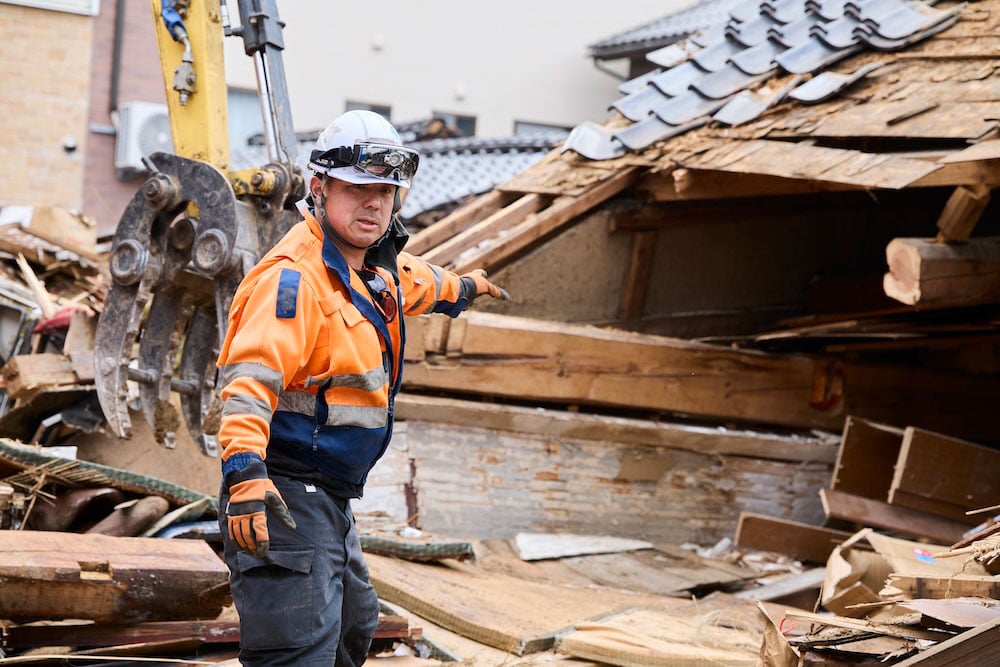
Cracks ran through roads everywhere, and collapsed houses stretched as far as the eye could see. As we made our way through a residential area, we saw a man operating a small piece of heavy machinery atop a severely damaged house.
He is Seiji Yoshimura, who serves as the representative of Humanshield Kobe, an NGO dedicated to disaster relief (external link, in Japanese). Mr. Yoshimura entered the disaster zone on January 2, immediately after the earthquake, and has since been engaged in support activities without a moment’s rest.
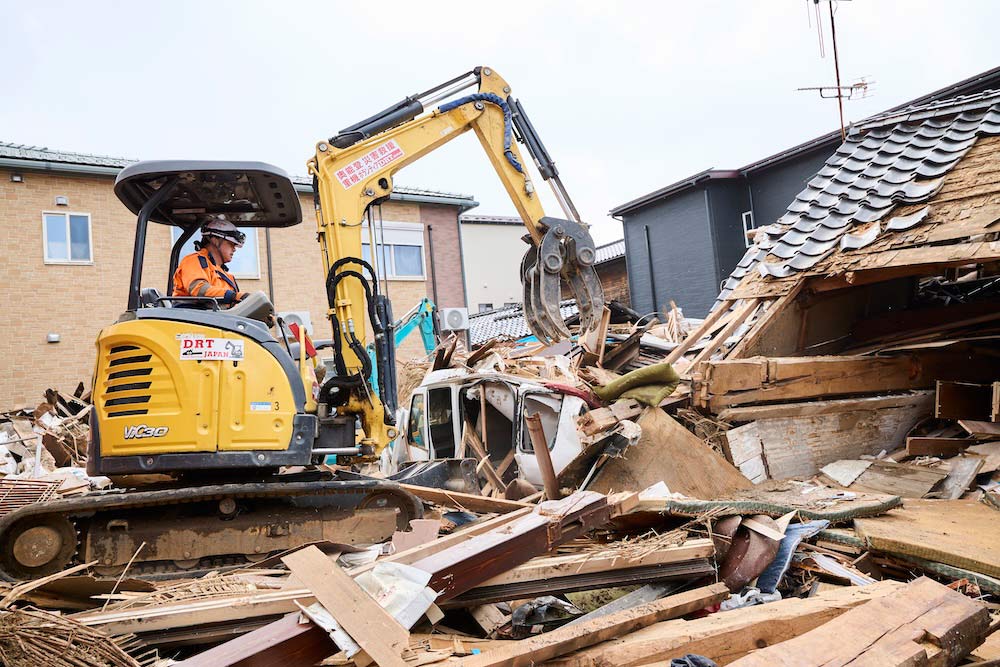
Mr. Yoshimura receives a wide range of requests from disaster survivors. On this day, the request was to find keepsakes belonging to a deceased child. As the bereaved parent looked on, Mr. Yoshimura lifted broken pillars and collapsed walls using small machinery, at times working carefully by hand as he continued the search.
Reflecting on the earthquake, Mr. Yoshimura recalls the experience.
“During the Kumamoto Earthquake, seismic intensity 7 earthquakes struck one after another, but the Noto Peninsula felt as though it released even more energy. The devastation was overwhelming. The coastline was uplifted, and ports are currently unusable. Immediately after the disaster, roads leading into the Noto Peninsula were severed, so large fire and rescue vehicles could not enter the disaster zone.”
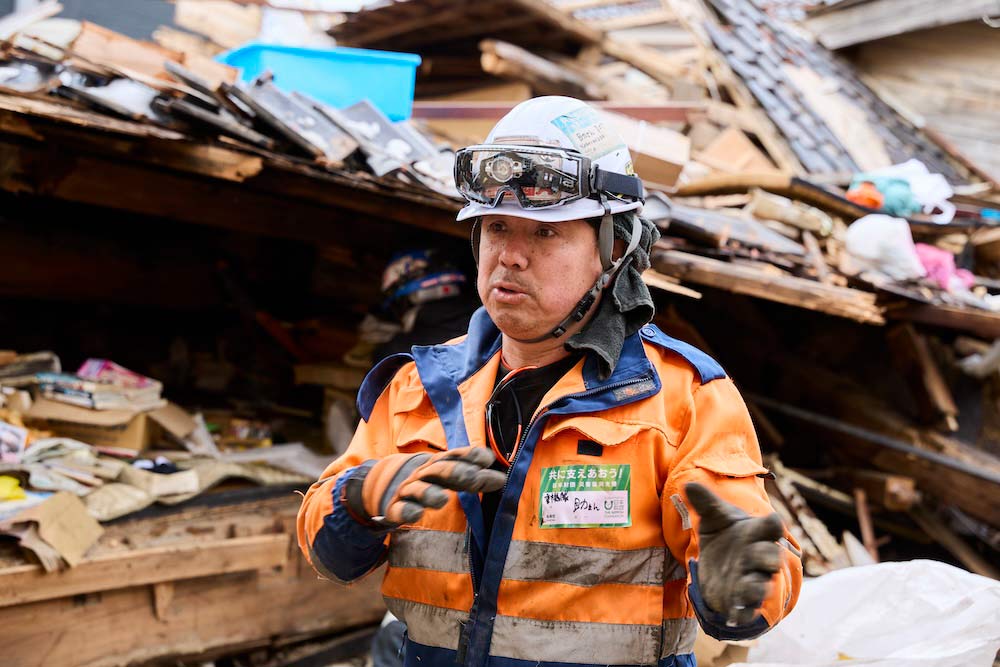
One of the defining characteristics of the Noto Peninsula Earthquake was that major roads were cut off due to landslides and ground deformation. As a result, both evacuation routes and support efforts were brought to a halt, leading to an expansion of the damage.
“Even so, the reason I was able to reach the disaster sites so quickly was because local residents who were themselves affected cooperated with me. People who had been stranded on the road with flat tires guided the emergency vehicle I was riding in. Wanting to do whatever they could, they devoted themselves to guiding support workers like me, and I am truly grateful for that.”
After finally reaching the site, Mr. Yoshimura used small machinery, lifting jacks, chainsaws, and concrete cutters, working to rescue missing persons, but there were lives he could not save.
“There were cases where only a person’s legs were visible through a gap in a collapsed house, and no matter how hard we tried, the person would not budge. So we used lifting jacks to lift the structure and pulled the person out, but the person had already passed away. Such cases are not uncommon in the immediate aftermath of a disaster.”
For Wajima City to recover, debris from damaged buildings must be cleared away. However, this does not mean removing everything indiscriminately, as there are items inside homes that residents wish to keep, and treasured belongings that remain buried beneath the rubble.
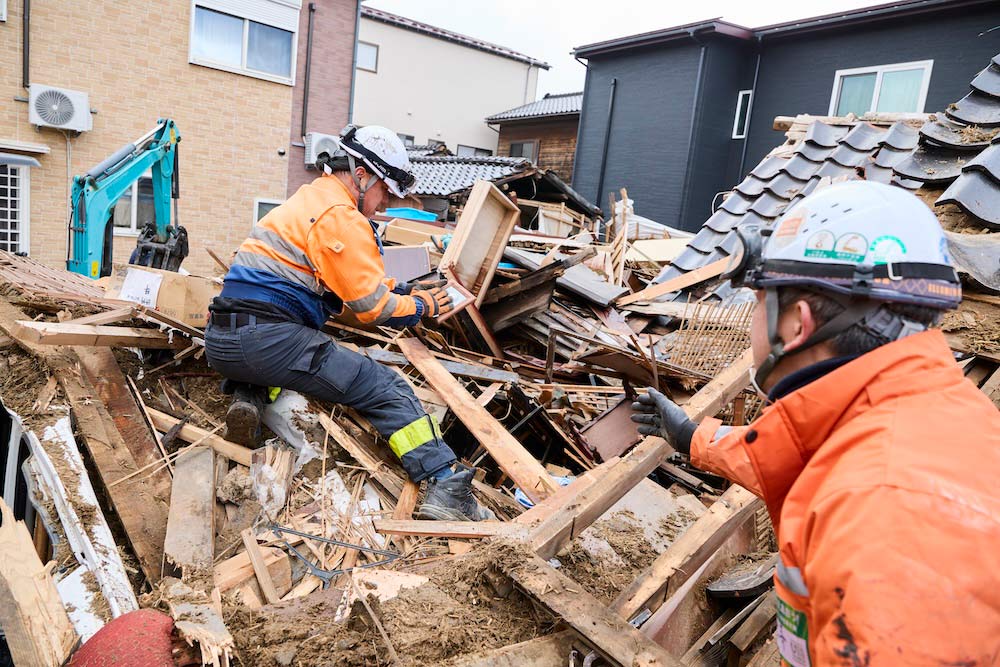
Listening to each survivor and providing all possible support
To respond to the feelings of those affected by the disaster, Mr. Yoshimura walks throughout the town, listening to the concerns of those he encounters and offering as much support as possible.
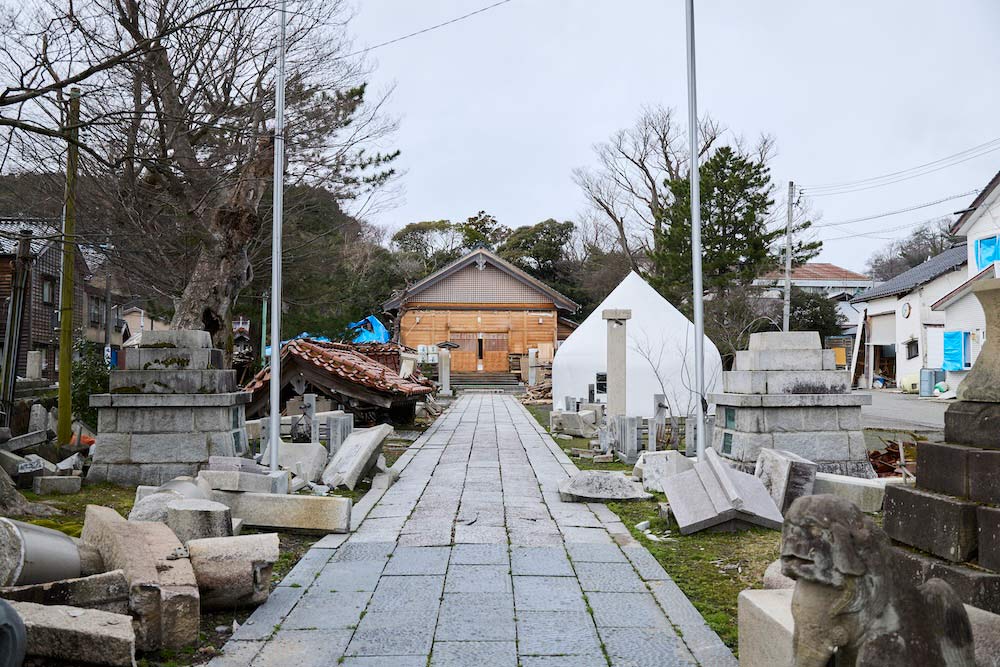
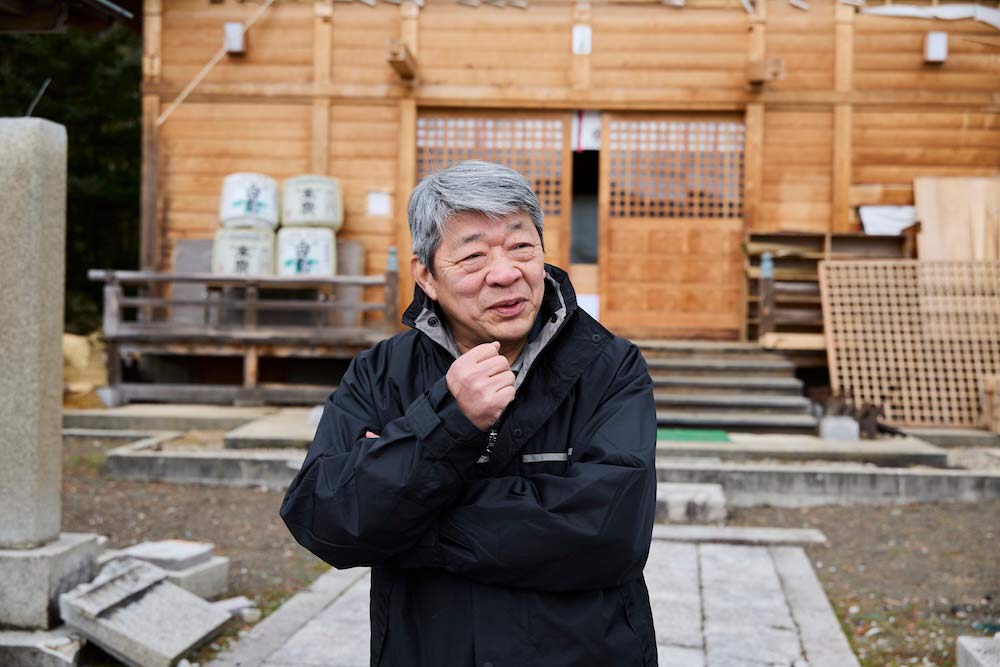
Encouraged by Mr. Yoshimura’s actions, some survivors have already begun to look ahead. The chief priest of Sumiyoshi Shrine, located in central Wajima City, discussed his commitment to rebuilding.
“I want to bring our festival back, but it may not be possible within a year or so. The torii gates and stone lanterns collapsed and suffered extensive damage, and restoring the festival floats and portable shrines will likely take a great deal of time. To be honest, there is no clear outlook. Even so, we still have the worship hall, and there is a household shrine in the community hall, so even on a small scale, I want to revive the festival as soon as possible, to lift the spirits of the people in this town.”
Wajima City is home to a traditional craft known as Wajima lacquerware. An artisan who works with these pieces expressed gratitude to Mr. Yoshimura.
“He spent three full days retrieving Wajima lacquerware that had been trapped beneath collapsed structures. Of course, not everything could be saved, but I was truly grateful. Some of the items belonged to valued clients, and others were works scheduled for museum exhibition, so his help meant a great deal.”
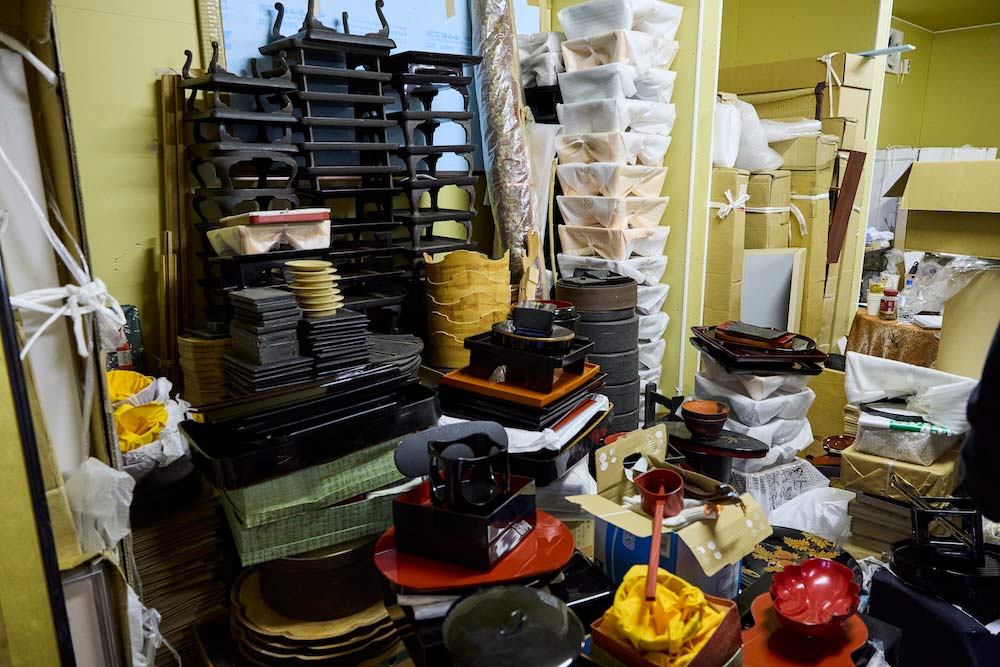
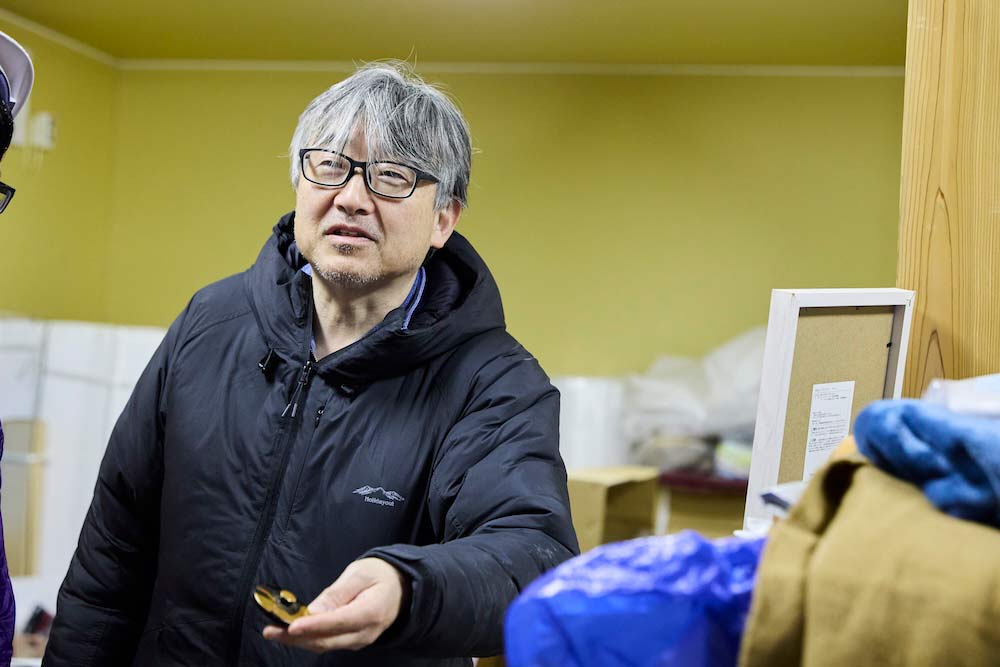
As we walked through Wajima City guided by Mr. Yoshimura, the devastation was so extensive it was almost too painful to look at. However, the eyes of those living there also seemed to reflect a glimmer of hope.
The presence of support workers like Mr. Yoshimura may be what is giving disaster survivors the courage to move forward.
Mr. Yoshimura shared his thoughts on reconstruction.
“For Wajima City to recover, it must first become a place where people can live with dignity. Otherwise, people will continue to leave this town. If medical and welfare professionals essential to care become exhausted and leave, even elderly residents who have lived here all their lives will no longer be able to stay. That is why restoring infrastructure quickly and creating an environment where people can live is so important. I believe that is my role. Even if we move as fast as possible, reconstruction may still take 10 years. Although I am currently based in Nagano, I plan to go back and forth and remain involved with Wajima City for the next decade.”
The importance of coordinating and guiding volunteers in disaster-affected areas
In disaster-affected areas, what matters is not only support workers with specialized expertise. So-called general volunteers are also an essential presence.
However, there are frequent reports of volunteers flooding into disaster-affected areas and unintentionally causing disruption instead of helping.
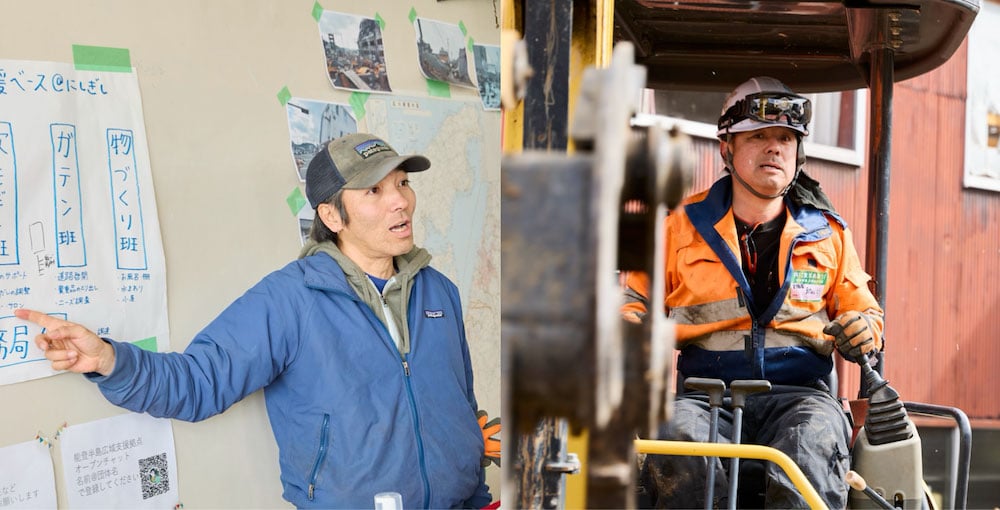
Amid this situation, there is someone who guides large numbers of volunteers on the ground and works tirelessly toward reconstruction. That person is Tomu Maehara, the representative of Disaster Assistance Coordinator Yui (NGO).
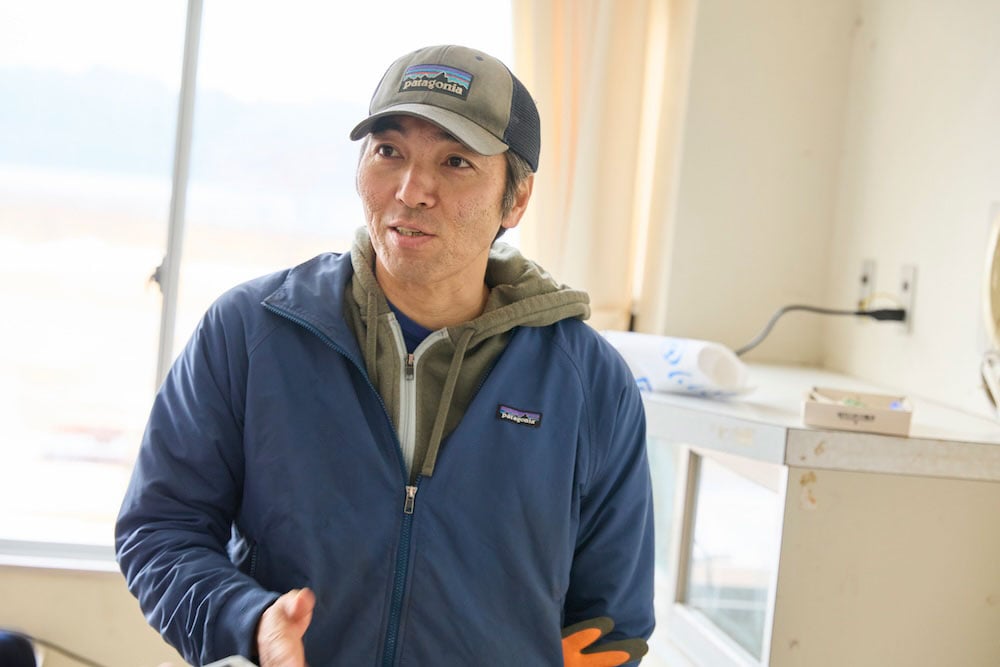
Disaster Assistance Coordinator Yui operates under the guiding principle of rescuing what has been saved in its support activities for the Noto Peninsula Earthquake.
“We struggled greatly when deciding on our approach, but the damage this time was simply too extensive, making it impossible to save everything. So we set a policy of not trying to save what cannot be saved. For example, we leave crushed vehicles as they are, and we do not intervene with collapsed houses. Instead, we focus on people who survived, property that survived, communities that survived, industries that survived, and so on. With that mindset, we do everything we can to preserve what remains.”
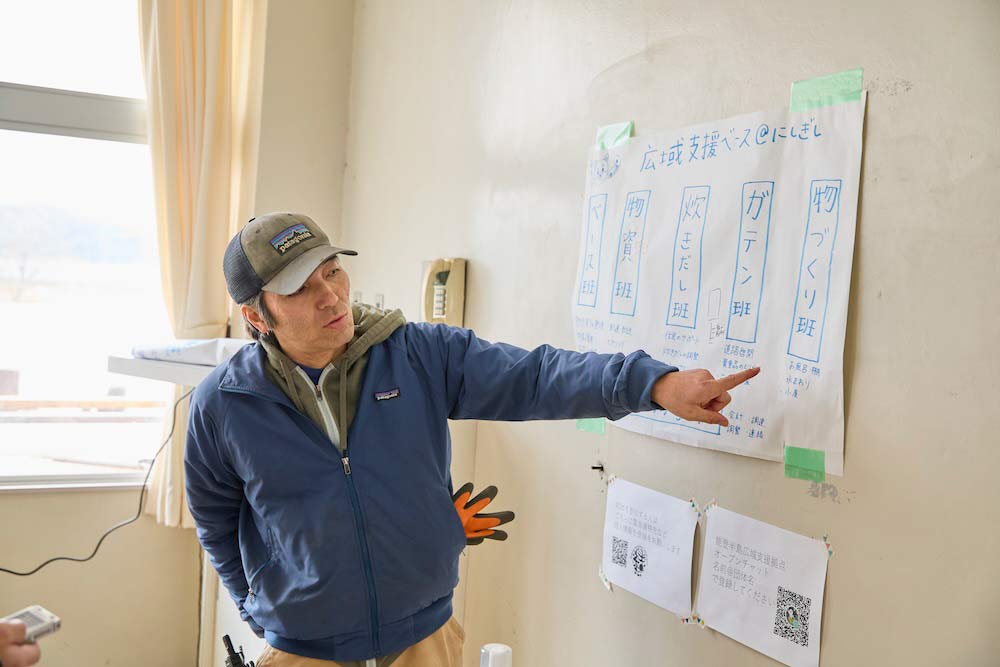
In this context, Mr. Maehara himself specializes in disaster support coordination and manages operations on the ground.
“When volunteers arrive at a disaster site, they often do not know what to do or how to proceed. That is why it is necessary to provide a clear list of support activities for them to choose from. Some volunteers are parents who participate with their children. But that does not mean young children are a hindrance. Even a one-year-old can contribute in some way.”
For many people, volunteering brings to mind shoveling mud or clearing debris.
However, using pillars from collapsed houses to create new nameplates, or repurposing them into chopsticks or benches, can bring great joy to disaster survivors. In addition, among exhausted survivors, simply staying close and listening can be a source of relief for many people.
“That is why, regardless of gender or age, there is something everyone can do. To make that possible, disaster support coordinators like me must identify what each person can do and guide them accordingly.”
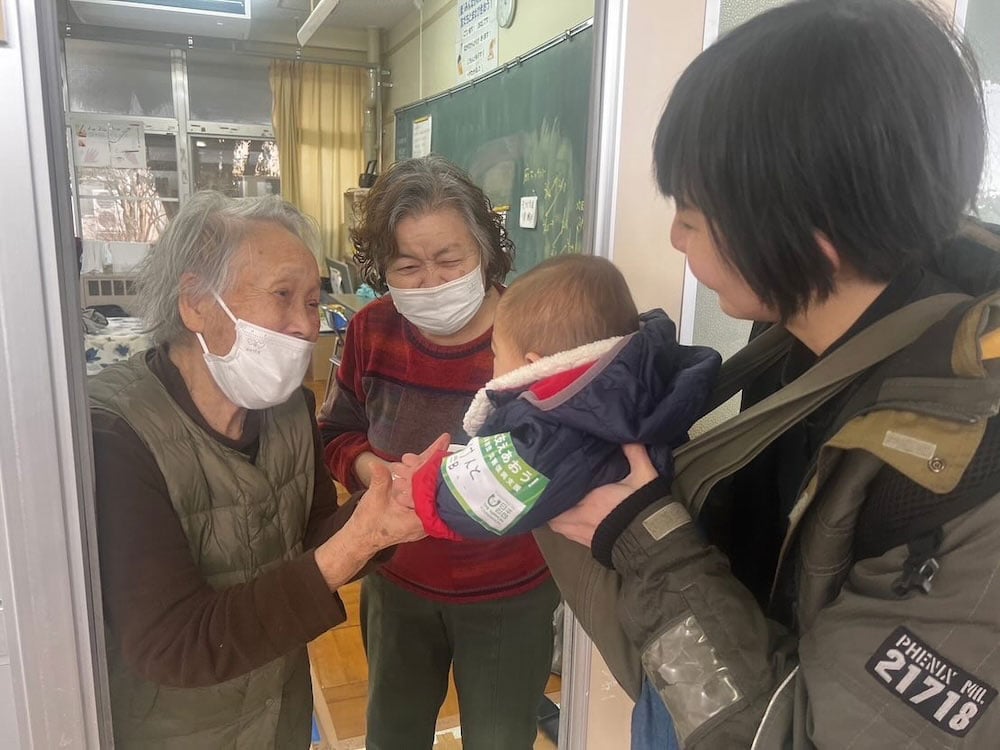
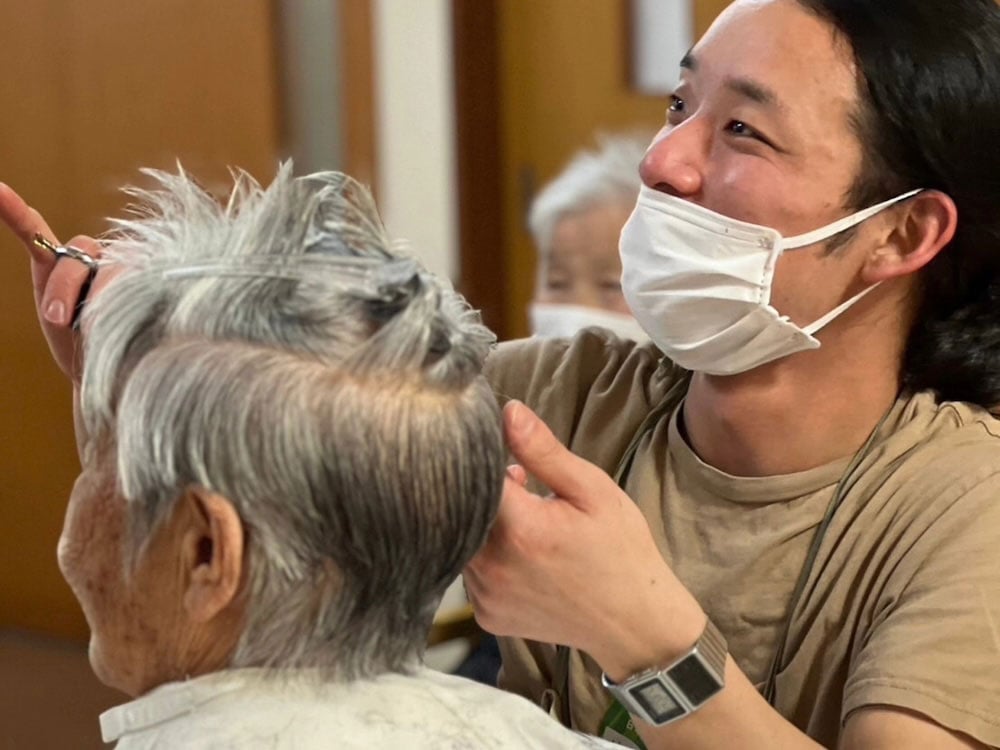
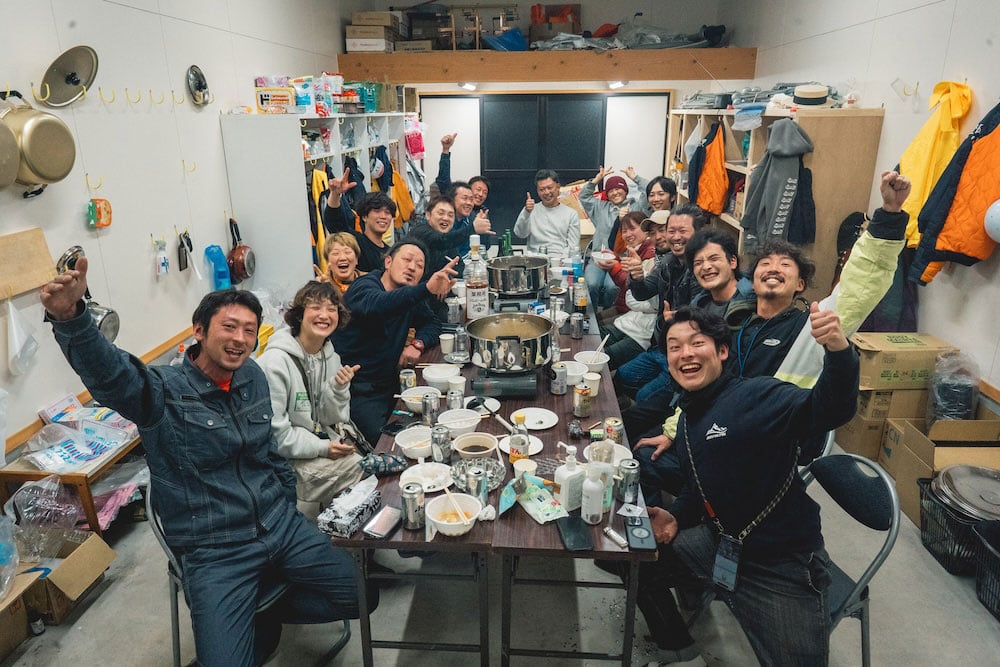
Creating volunteer bases is another important role of Disaster Assistance Coordinator Yui, Mr. Maehara explains. In the Noto Peninsula Earthquake, the former Nishigishi Elementary School gymnasium in Nanao City was used as a base for volunteer accommodation.
“There are toilets here, bathing facilities, and space to sleep. That allows us to accept large numbers of volunteers, which ultimately increases the amount of support available.”
However, not everyone who offers is accepted as a volunteer. To avoid disorder, applications are generally limited to organized groups.
“People have diverse personalities. Diversity is important, but volunteering involves responsibility, and without a minimum level of coordination, activities in disaster areas become difficult. Without that awareness, conflicts can arise even among support workers.”
For example, someone working in heavily affected Suzu City and someone working in Wajima City may each feel that they need more help and think others should come to their area, leading to frustration.
“However, that does not mean either side is wrong. Everyone is thinking about the disaster survivors right in front of them. That is why conflicts sometimes arise. But such conflicts can end up causing further suffering for survivors, so they need to be prevented in advance.”
What we can do for disaster-affected areas where reconstruction has been slow
When asked about the challenges facing communities affected by the Noto Peninsula Earthquake, Mr. Maehara mentioned disaster-related deaths.
“The accurate figures for disaster-related deaths are still unclear. There are several reasons for this. One is that government officials are themselves disaster survivors. They are overwhelmed dealing with their own situations, leaving them unable to respond adequately.”
In addition, the actual extent of the damage was difficult to grasp, which he cited as another major factor.
“The timing of this disaster could not have been worse. It occurred on January 1, when prefectural and municipal offices, contractors, and virtually everyone else were off work, delaying the response. On top of that, because this is a peninsula, transportation routes are limited. That led to severe traffic congestion, making it even more difficult to reach the disaster sites. As a result, the authorities announced that people should refrain from nonessential travel to Noto.”
However, if national and local government officials do not visit the disaster sites, how can support budgets be put together? Likewise, if members of the media do not go to the sites, there is no way to convey the reality of the damage.
Because many people who should have played key roles held back from acting, it may have been difficult to fully grasp the situation on the Noto Peninsula, Mr. Maehara says.
On social media as well, there were many voices criticizing media outlets that entered the affected areas.
“But, if due consideration is given to how they enter, and respect is shown for local conditions, reporting is the responsibility of the media. Government officials too are criticized if they arrive in large numbers, but if they come in minimal teams, there should be no complaints.”
Against this backdrop, many people involved in support efforts say that reconstruction from the Noto Peninsula Earthquake will take a considerable amount of time.
With no clear end in sight for affected communities, the question becomes what each of us can do. Mr. Maehara emphasizes that the first step is to remain engaged and keep paying attention.
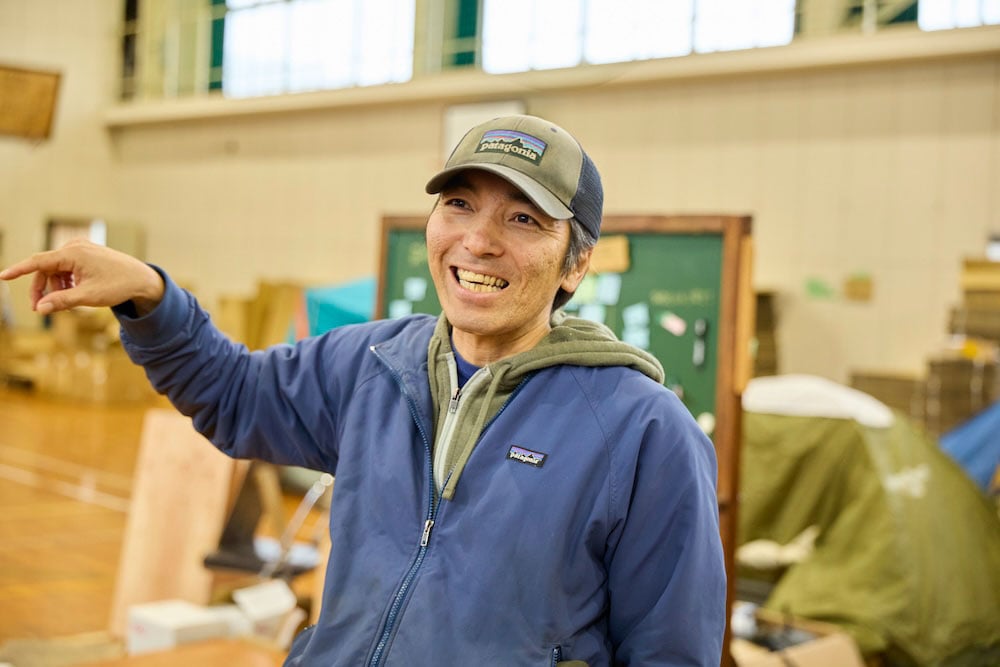
“The Noto Peninsula Earthquake is everyone’s problem. This region has long been difficult to access. Even so, many people live here, and although some leave for school or work, many young people return. That is because people love the Noto Peninsula. However, if reconstruction continues to drag on, there is a possibility that these communities could disappear. That is something that could be said of many regional areas in Japan today, don’t you think? Even without a disaster, some regions are already at risk of disappearing. That is why the reconstruction of towns on the Noto Peninsula can also contribute to solving the challenges facing other regions at risk of decline.”
In addition, for those who want to take action, he encourages them to come as volunteers.
“Volunteering is not only for the benefit of disaster survivors, but also contributes to your own personal growth. Whether you can cook, shoot videos, write, or share information. As long as the focus is on survivors, any skill can be useful. There is surely something you can contribute. The experience of helping people who are in need can also build your own confidence.”
Editor’s Note
Having suffered extensive damage, the Noto Peninsula is still struggling to reconstruct. It will take a considerable amount of time for affected areas to return to their former state.
So what can each of us do? One answer, we believe, is not to treat it as someone else’s problem.
Even now, many people living in evacuation conditions feel anxious and alone. Simply keeping that in mind may help you find actions you can take.
Text: The Nippon Foundation Journal Editing Department
Photo: Eizaburo Sogo
Profile
Seiji Yoshimura
Born in August 1965 in Mie Prefecture. Following the Great Hanshin-Awaji Earthquake in 1995, he began disaster relief activities. In 2003, he founded Humanshield Kobe (Disaster Relief NGO). After the Great East Japan Earthquake in 2011, he built a nationwide network of support organizations and individuals and, together with colleagues, established OPEN JAPAN, which engages in support activities. During disasters, he is involved in initial emergency response, as well as conveying information to survivors about the use of the Act on Support for Reconstructing Livelihoods of Disaster Victims and its challenges. In addition, he regularly gives lectures at schools and serves as an instructor on disaster preparedness.
Tomu Maehara
Born in Okinawa Prefecture in 1978. After working as a hairstylist and outdoor tour guide, he established Disaster Assistance Coordinator Yui (NGO) following the Great East Japan Earthquake in 2011 and currently serves as its representative. Within 24 hours of a disaster, he travels to the affected area, shares an overview of the damage, assesses the support that will be needed, and coordinates assistance through the recovery and reconstruction phases. The organization’s name, Yui, comes from Yuimaaru, an Okinawan tradition of mutual cooperation, and reflects the hope that by connecting people affected by natural disasters with those who want to support them as quickly as possible, it will help lead to smiles in the future.
Related Themes
Related Links
- 【The Nippon Foundation’s Projects】Support for Disaster Recovery
- Interim Report on 2024 Noto Peninsula Earthquake and Flood Damage Relief
- Disaster Recovery
- In the Cause of Life