Support Challenges for Persons Requiring Special Assistance Who Have Difficulty Evacuating or Calling for Help on Their Own
Key Points
- In the immediate aftermath of a disaster, the Emergency Response Phase, persons requiring special assistance who have difficulty evacuating on their own are often left behind.
- Because deaf and hard of hearing persons can’t access information through sound, evacuating and living in shelters is often difficult.
- Many people, including older adults and persons with disabilities, have difficulty calling for help themselves. Simply being aware they are there can lead to support.
The 2024 Noto Peninsula Earthquake struck at 4:10 p.m. on January 1, 2024. The major quake, which registered a maximum seismic intensity of 7, caused catastrophic damage. Coming on New Year’s Day, it also delayed the initial response.
At The Nippon Foundation, we provide disaster support with three phases (open in a new tab) in mind: the Emergency Response Phase, the Recovery Phase, and the Reconstruction Phase.
(Summary)
Emergency Response Phase
This is the phase that begins immediately after a disaster strikes, during which life-sustaining support is required. Search and rescue operations, as well as the establishment and management of evacuation shelters, are required. However, because outside assistance is often slow to reach affected areas at the outset, disaster survivors themselves become the primary actors.
Support for people requiring special consideration, such as older adults, persons with disabilities, and foreign residents, is often overlooked. Because these individuals may have difficulty accessing information and require diverse forms of consideration, responses to their needs tend to be delayed.
Recovery Phase
As the confusion immediately following the disaster begins to subside, efforts are required to identify the latent needs of disaster survivors, as well as to prevent secondary harm such as health issues caused by prolonged evacuation.
Recovery also requires the demolition and removal of damaged homes, but this work faces challenges including funding constraints and a shortage of workers. Without progress in this area, it becomes difficult to secure land or build new housing, making it hard to envision a clear path forward and creating an environment in which anxiety easily takes hold in affected communities.
Reconstruction Phase
This is the phase in which daily life begins to return to normal in the disaster-affected areas, and long-term efforts toward rebuilding livelihoods and revitalizing local economies begin in earnest. At the same time, a challenge arises as volunteers and other external support providers gradually withdraw.
Support is needed to help affected individuals live independently, to restore communities, and to revive locally rooted culture and industries, requiring long-term support focused on the future of the affected areas.
The Emergency Response Phase, which starts immediately after a disaster, is when the disaster risk is at its highest for persons requiring special assistance, such as older adults, persons with disabilities, pregnant women and infants, and foreign residents, who may find it difficult to evacuate on their own.
What issues emerged around supporting persons requiring special assistance during the Noto Peninsula earthquake? A staff member from The Nippon Foundation’s Disaster Response Department reflects as follows.
“Inclusive support that reflects the needs of persons requiring special assistance still isn’t fully in place. For example, it’s ideal for each area to have a certain number of shelters dedicated to persons requiring special assistance, so-called welfare shelters, but there simply aren’t enough for the number of persons who need them. And even where welfare shelters exist, there are cases where they cannot open due to a shortage of trained staff to operate them. Closing the information gap is also critical. We must deliver evacuation information quickly to survivors who cannot see, cannot hear, or do not understand Japanese. The lack of such support may be a challenge shared across many regions of Japan.”
When disasters strike, persons requiring special assistance are often the ones left behind. So what, exactly, can we do? We spoke with two organizations working to support persons requiring special assistance in the Noto Peninsula Earthquake.
During a disaster, deaf and hard of hearing persons cannot access audible evacuation information
When a disaster occurs, emergency alerts are broadcast on television and radio. But if the information is provided only as audio, some persons are left behind: Deaf and hard of hearing persons,* those who cannot hear, or have difficulty hearing.
- “Deaf” refers to persons who lost their hearing before acquiring spoken language and who use sign language in daily life. “Hard of hearing” refers to persons who have some remaining hearing but have difficulty hearing.
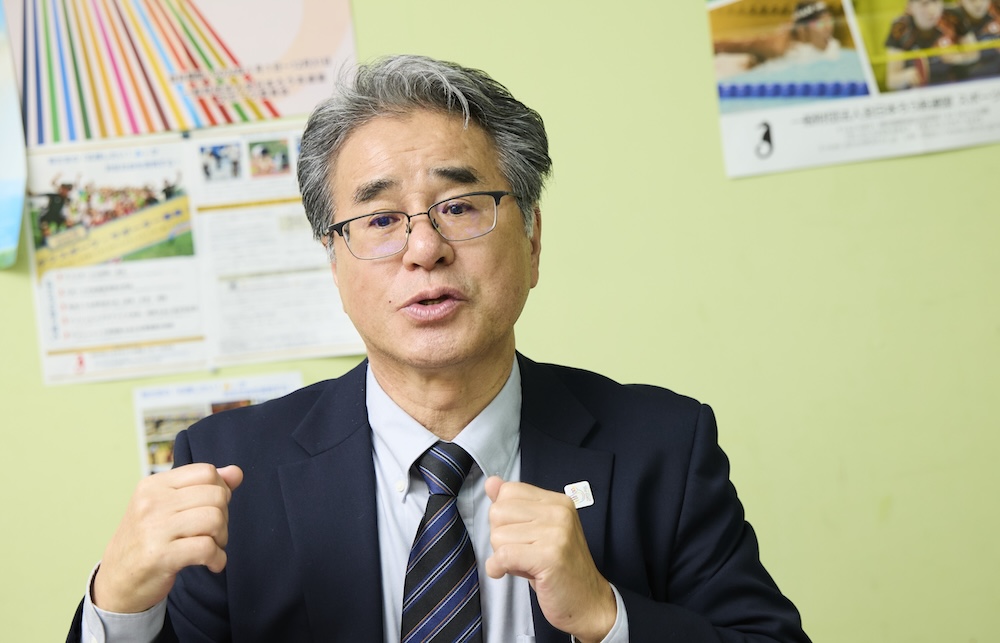
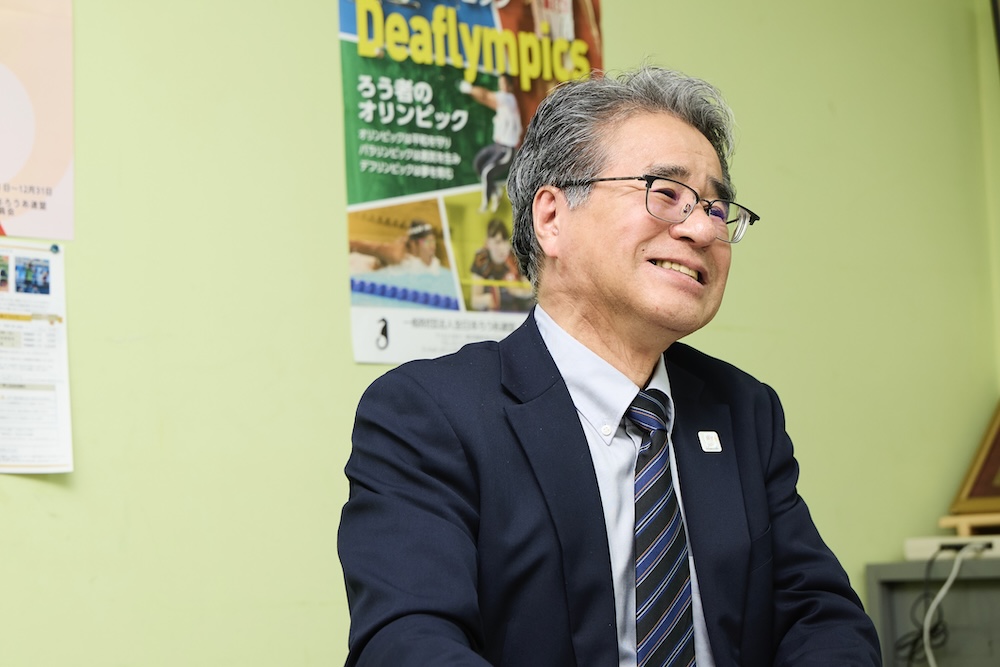
Many people were affected by the Noto Peninsula earthquake as well. Shoji Yamane, Executive Director of the Japanese Federation of the Deaf (external link), explained using Japanese Sign Language the support challenges deaf and hard of hearing persons face.
The Nippon Foundation Journal Editing Department: To begin, could you tell us again about the current situation facing deaf and hard of hearing persons when a disaster strikes?
Shoji Yamane: Looking back at the Great East Japan Earthquake that struck northeastern Japan in March 2011, I’ve heard that among persons with disabilities who died, the proportion of those with hearing disabilities was extremely high. The reason is simple: information doesn’t reach them. Even if evacuation warnings are sounding, if you can’t hear the announcement, it’s hard to evacuate. As a result, many people were left behind. We must never allow that kind of tragedy to happen again.
That’s why, since the Great East Japan Earthquake, the Japanese Federation of the Deaf has submitted annual requests to the Cabinet Office, the Ministry of Internal Affairs and Communications, the Ministry of Health, Labour and Welfare, and the Japan Meteorological Agency, compiling what is needed to support persons who are deaf or hard of hearing. These requests include: “Please disclose the registry of persons requiring assistance to relevant organizations so it can be used for support activities,” “Please identify the needs of deaf persons and put the necessary information systems in place,” and “Please promptly add captions and sign language interpretation to emergency disaster broadcasts on TV.”
In fact, when the Noto Peninsula earthquake occurred, the scheduled sign-language news program on NHK ETV at 6:55 p.m. was canceled. For us who are deaf or hard of hearing, that is a matter of life and death. We felt it was a very serious issue and immediately submitted an urgent request to NHK. We later received a response: they apologized, saying it is difficult to secure enough sign language interpreters and similar personnel for emergencies, but that they would work to strengthen their system going forward.
Journal: All of these requests feel essential. By the way, what was the situation regarding damage and impacts on deaf and hard of hearing persons in the Noto Peninsula earthquake?
Yamane: At this point, we have not had any reports of deaf or hard of hearing persons who were affected and then died. In the Noto region, people normally have close ties with neighbors, and I understand they helped one another evacuate.
Journal: Even so, were there any issues that became apparent?
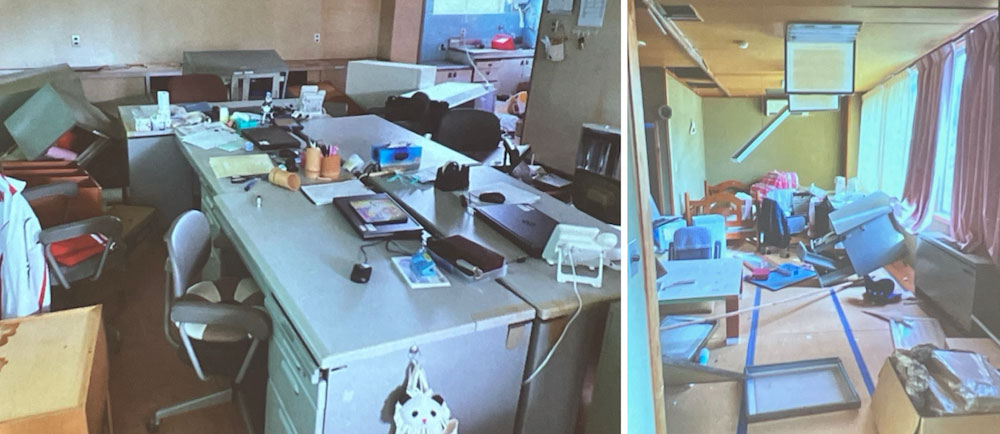
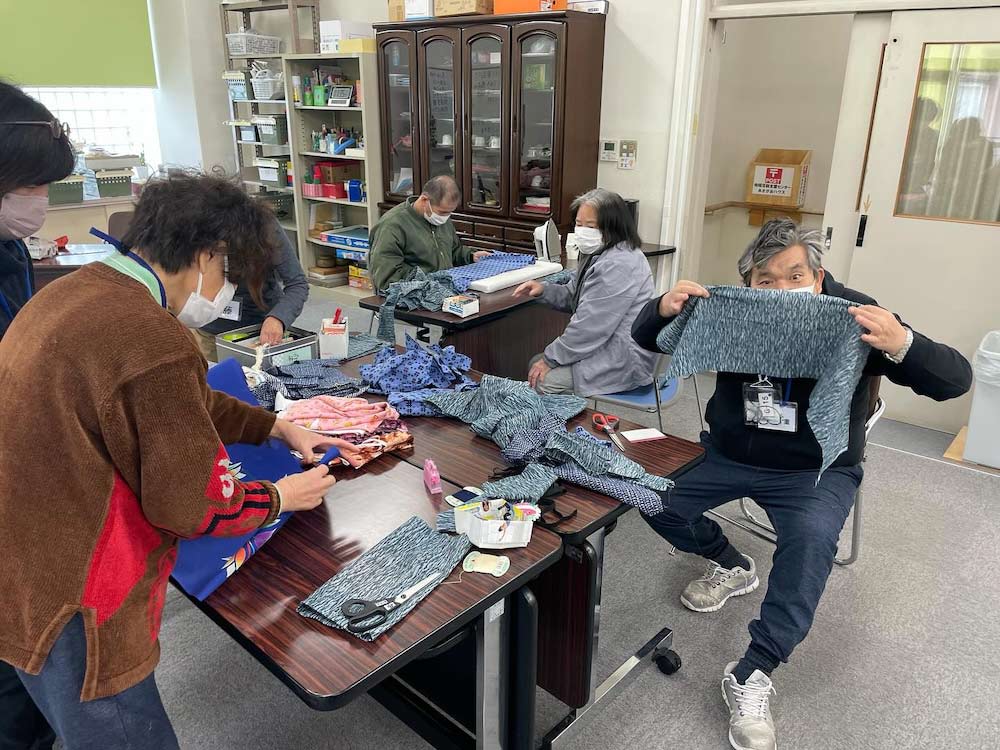
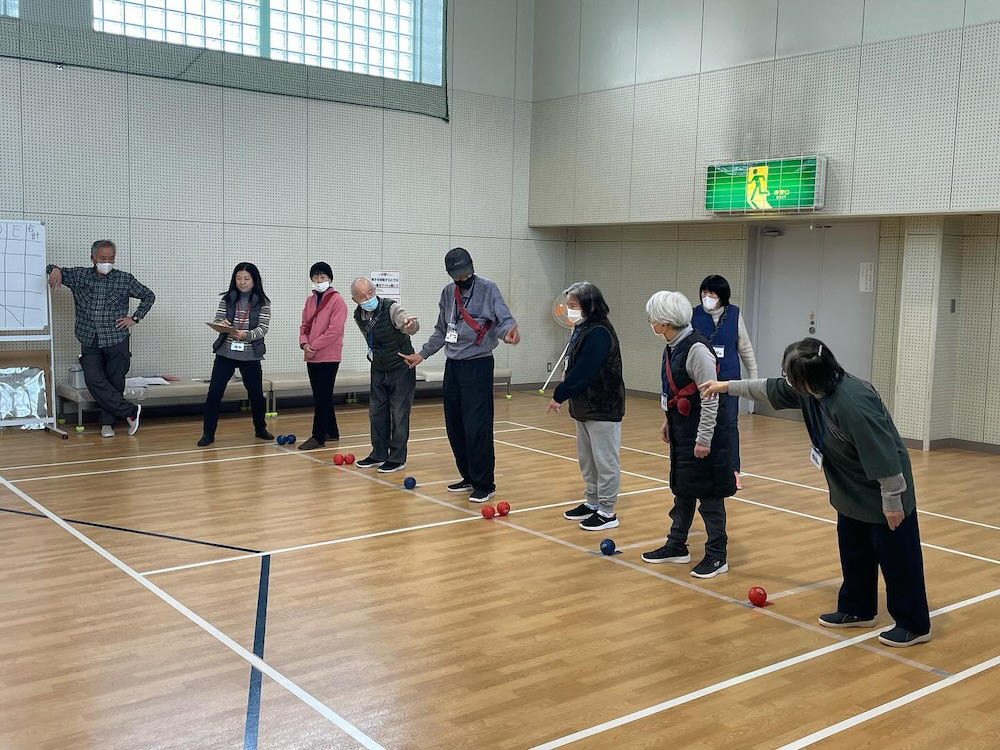
Yamane: In Oku-Noto, there is an employment support facility called Yanagida House, where deaf and hard of hearing persons gather. The people who use it normally have strong connections. But when the earthquake struck, roads were cut off, and they were forced to evacuate separately in different places.
Then, in shelters around the region, there was no one who could use sign language, and they became isolated. Maybe that’s why, when supporters met deaf and hard of hearing evacuees, they looked so happy to talk, no matter what. They probably wanted to communicate with someone in sign language. In that sense, loneliness during shelter life is one of the challenges deaf and hard of hearing persons face.
Another issue is, of course, the information gap. Even in shelters, information doesn’t reach them easily. For example, hearing people pick up on information like what supplies have arrived or when things will start moving again, but it’s difficult for deaf and hard of hearing persons to access.
To close that information gap, shelters need measures such as rotating sign language interpreters on site and sharing information in writing using whiteboards.
Toward a society that recognizes differences and helps one another
Journal: Are there any other forms of support you feel are needed?
Yamane: Mental health care, above all. This isn’t limited to deaf and hard of hearing persons, but those living in evacuation conditions are truly exhausted. That’s why I feel support is needed, such as dispatching specialized counselors, like social workers, to listen and provide consultation.
It’s also important to explain complex procedures, such as submitting a Disaster Victim Certificate,* in a gentle, easy-to-understand way. Among older deaf and hard of hearing persons living on the Noto Peninsula, some have difficulty with standard Japanese Sign Language (a nationwide standardized form of sign language). They likely communicate more often using the sign language that has taken root locally. We need to ensure procedural information is conveyed accurately to those people as well.
- An official document certifying the extent of damage, which is applied for and issued by local governments.
Journal: There are many issues, but it seems the biggest one is the information gap. What kind of support can we provide to help close it?
Yamane: First, it’s important for people to understand who deaf and hard of hearing persons are. Hearing people often haven’t really been taught that. Some think, “Even without sign language, writing things down should be enough,” but even for deaf people like me who are used to writing back and forth, it can still be exhausting at times. That’s how important sign language is to us as a language.
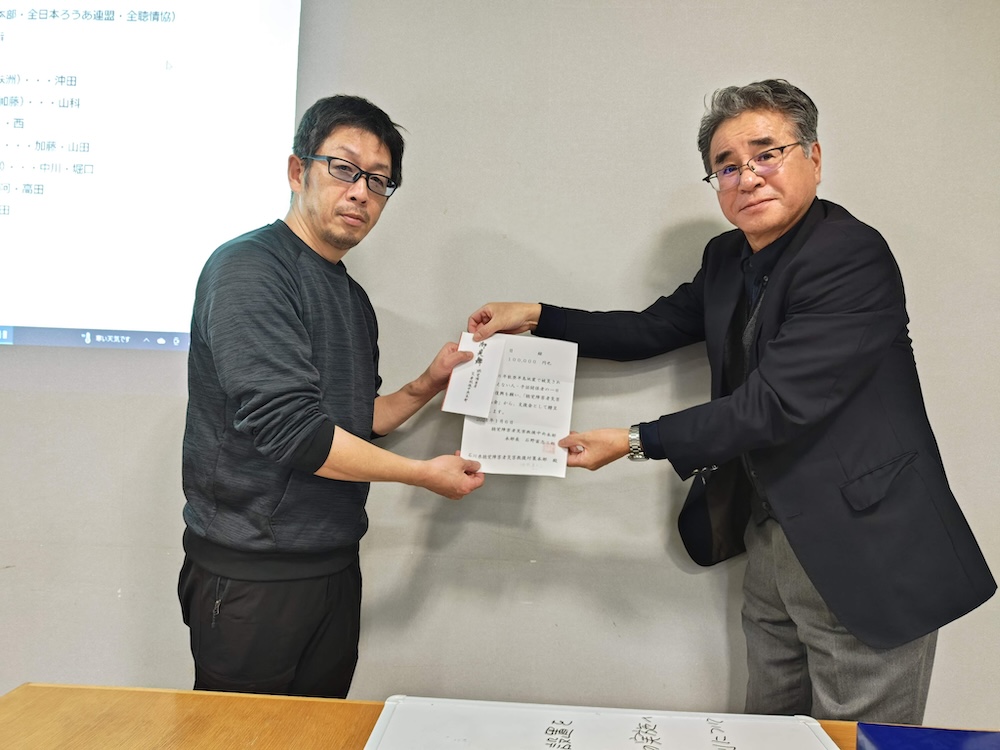
Journal: And that’s why the Japanese Federation of the Deaf submits requests every year.
Yamane: Yes. And little by little, society has changed. For example, the Japan Meteorological Agency now ensures sign language interpretation is included in disaster broadcasts, and captions have become available on television as well. But when you look at things through the lens of “sign language as a language,” I still feel we have a long way to go. That’s exactly why organizations of deaf people, who are directly affected, have come to strongly realize how important it is to keep amplifying our voices.
This is the 76th year since the Japanese Federation of the Deaf was established. In the beginning, it was extremely difficult. I’ve heard that even when they tried to submit requests to the Ministry of Health, Labour and Welfare, they weren’t taken seriously and were dealt with in the hallway. Still, by persistently continuing to make requests without giving up, society began to change.
Take driver’s licenses, for example: After making requests, it became permitted under the condition that, with hearing aids, you could hear a 90-decibel horn, but persons who couldn’t hear at all still weren’t allowed to drive. It took 50 years from the time they began making requests for permission to finally be granted.
Journal: It took that long… Given all that, is there anything you’d like to say to society again now?
Yamane: Deaf and hard of hearing people and hearing people are all the same: we’re human beings. We live in the same country; there are just some differences. Even among hearing people, there are differences, too, aren’t there? Recognizing those differences and living together with mutual respect. I hope we can have a society built on relationships like that.
Identifying the specific needs of persons requiring special assistance
What challenges did other persons requiring special assistance face, beyond deaf and hard of hearing persons? Ai Urano, Executive Director of Rescue Stock Yard (external link, in Japanese), told us.
A certified social worker engaged in support activities in disaster-affected areas, Ms. Urano encountered many persons requiring special assistance during the Noto Peninsula earthquake as well. What did she see emerge?
Journal: First, could you tell us about Rescue Stock Yard’s work?
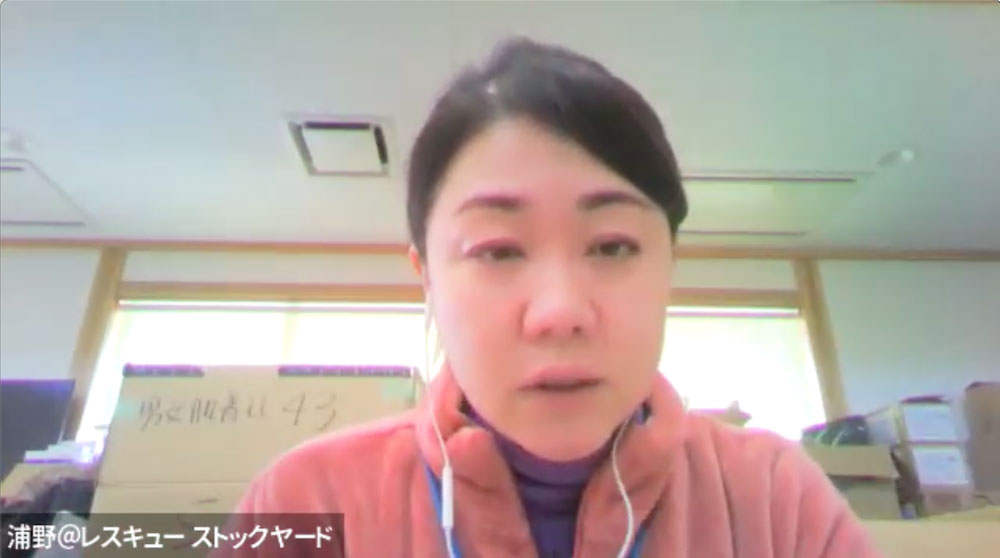
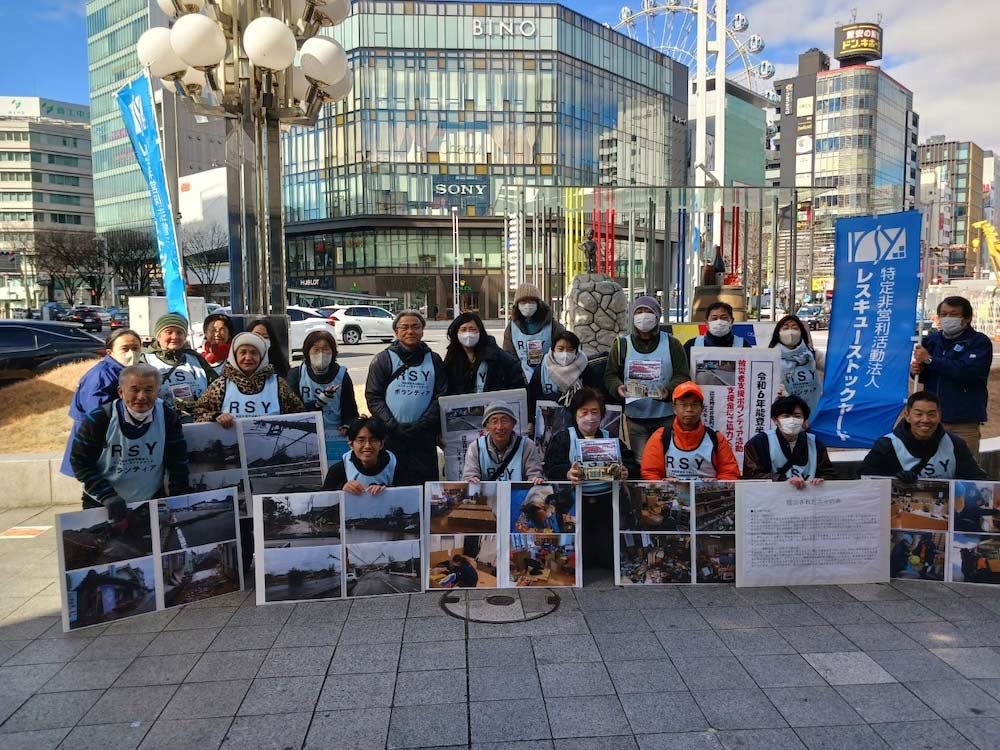
Ai Urano: We support disaster survivors under the guiding principle of “developing people and building communities to protect lives and livelihoods from disasters.” We have continued support activities in more than 50 disaster-affected locations across Japan. Through that work, we came to realize there are people who cannot call out “Help!” and send an SOS on their own when they’re affected, so we place importance on how quickly we can reach those people.
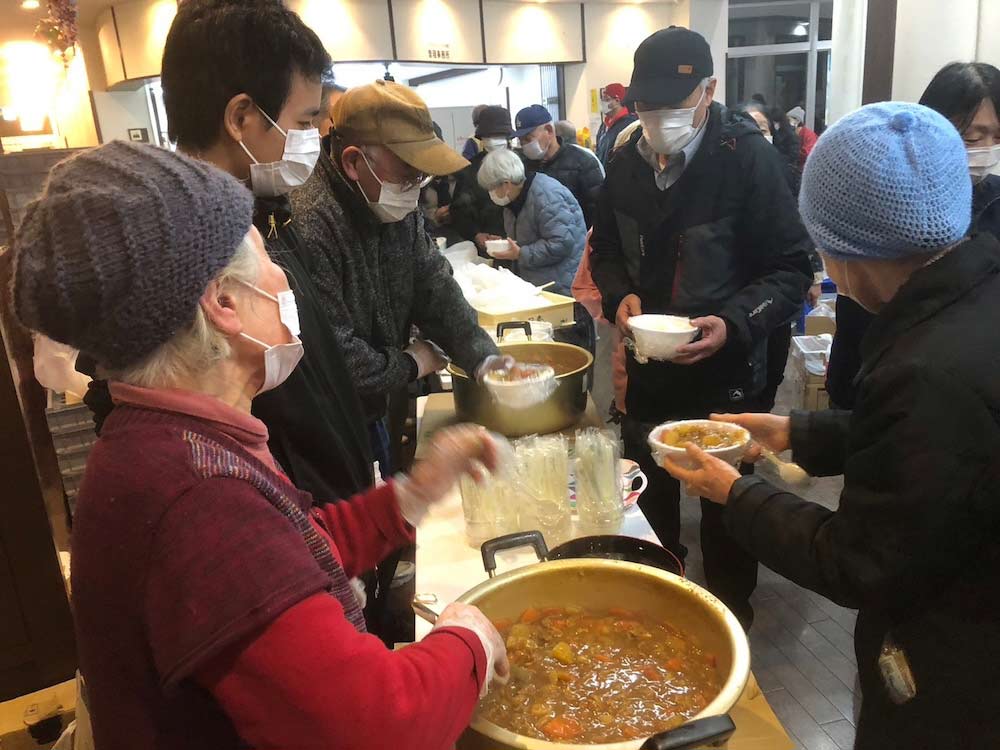
There are many approaches. For example; meal services, footbath volunteer activities, creating spaces for tea and conversation, or door-to-door visits. Through these forms of support, we try to find persons requiring special assistance.
Journal: In the Noto earthquake, about how many people requiring special assistance were there?
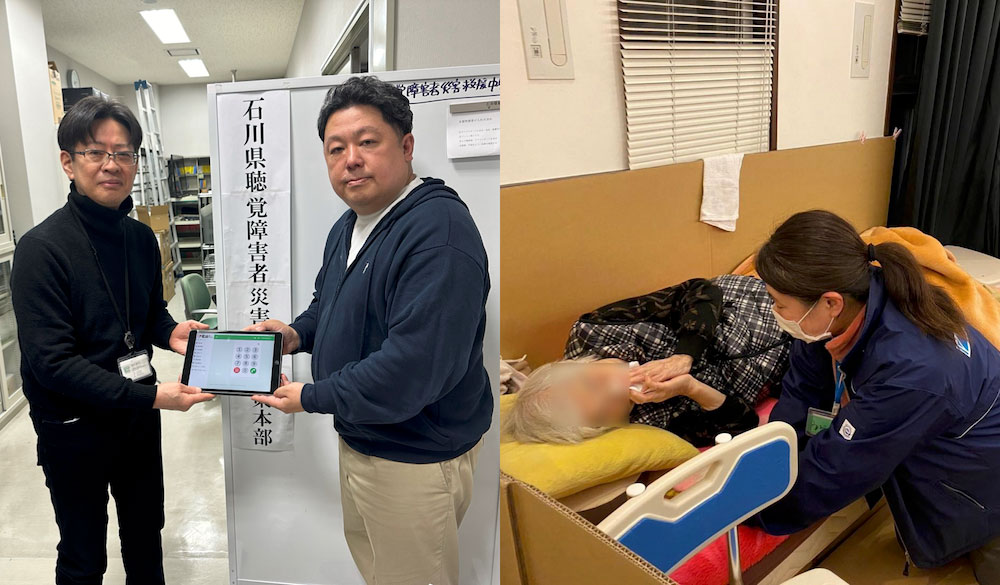
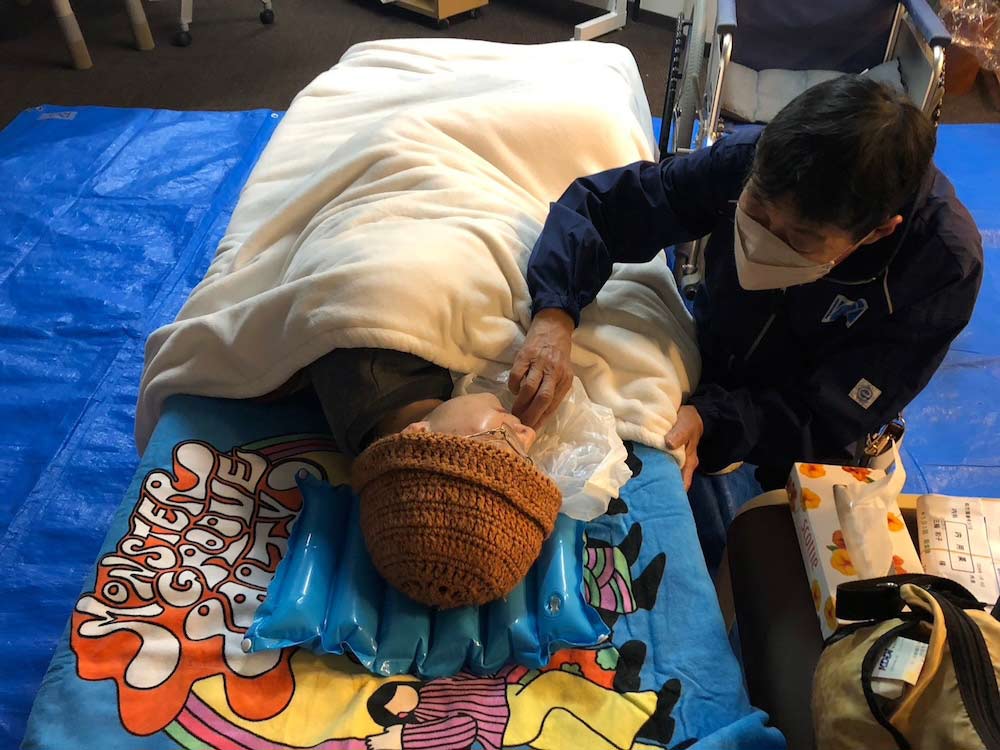
Urano: First, we visited an evacuation shelter in Anamizu Town. Because the Council of Social Welfare building had been designated as an evacuation shelter, it seemed to draw a higher concentration of people with welfare-related needs compared to other shelters. There was a person who was completely blind, around four to five persons with disabilities affecting their arms and legs who used wheelchairs, as well as persons with Down syndrome, schizophrenia, and dementia.
The Council of Social Welfare staff had set up a welfare evacuation space for those persons requiring special assistance, but while they had prepared the space, they were at a loss about what to do next and how to provide support.
This isn’t limited to persons requiring special assistance, but in a disaster, the first thing to do is to get the basics in place: a functioning environment for eating, toileting, and sleeping. Getting those essentials up and running as quickly as possible. And within that, ensuring attention is also given to persons requiring special assistance.
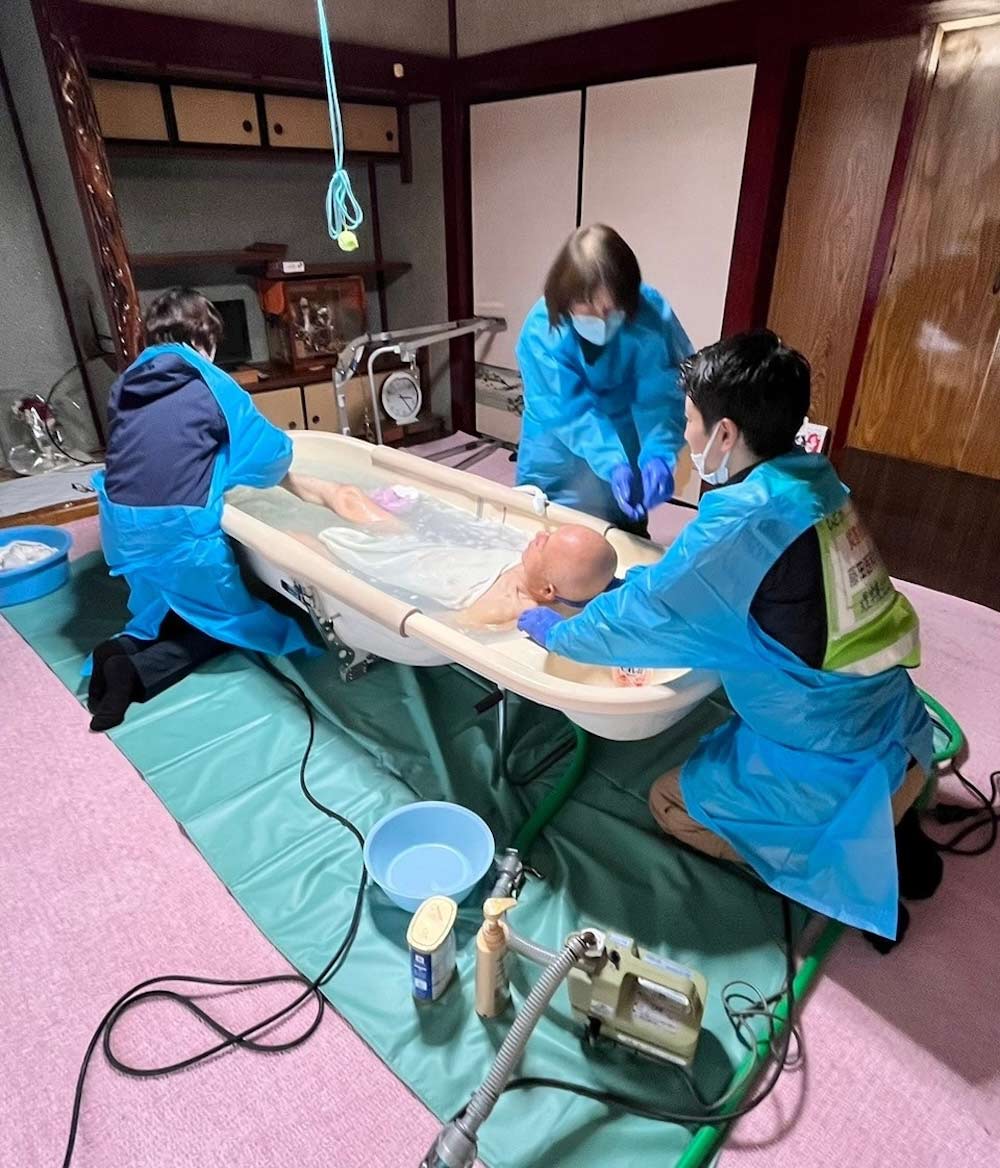
The reason is that when the environment changes, the condition of persons requiring special assistance can deteriorate rapidly. So care and assistance have to be provided in parallel. In some cases family members did their best, but in single-person households, older-couple households, or where family members themselves couldn’t move, we took on that role.
Journal: Even within the category of persons requiring special assistance, it’s clear their circumstances are extremely diverse. That’s why support tailored to each individual’s specific needs is necessary.
Urano: Yes. We also have to consider cases where people aren’t in evacuation shelters. Among those evacuating at home, there may also be persons requiring special assistance. But the function for checking on them is inevitably weak. This time, the town’s medical team visited households with residents aged 75 and older, households with residents under 75 who had been certified under the long-term care insurance system, and households holding disability certificates.
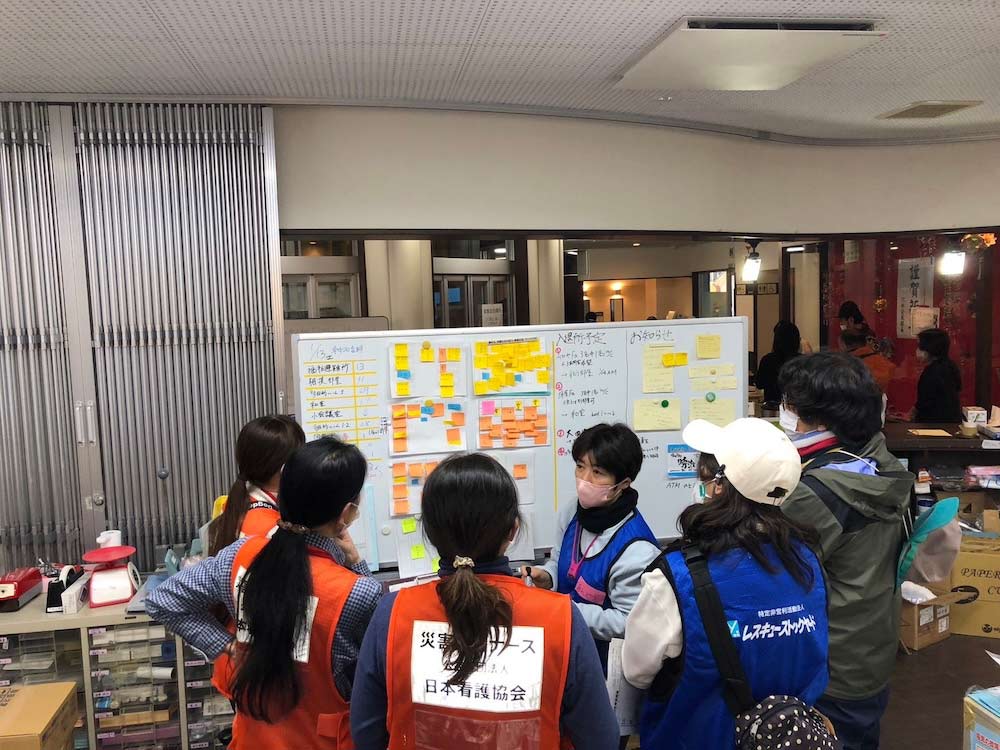
However, there is inevitably a time lag between the first and second visits. In that gap, some people will inevitably be missed. To avoid overlooking them, we at Rescue Stock Yard conducted door-to-door visits. And sure enough, you do find people who need help.
Journal: What kinds of people did you find?
Urano: For example, a household with a child who has severe allergies. Normally, they prepared food their child could eat themselves, but after the disaster it became difficult. The town’s supply warehouse was depleted, nearby supermarkets were closed, and online orders couldn’t be delivered. With nothing to eat, they tried feeding the child regular food, but that inevitably made the child sick.
In the end, they said they spent their time going through the same routine over and over again: spending four to five hours traveling to Kanazawa City, which had suffered less damage, to buy food the child could eat.
There are people who can’t call for help even when they want to
Urano: They said they had been deeply hurt in the past when people in the community told them things like, “You keep things too clean, so your child reacts,” or “Aren’t you overthinking it?” That’s why, even when they were truly struggling, they couldn’t bring themselves to send out an SOS. So we prepared allergen-free meals and delivered them.
There were also persons with psychosocial disabilities, and that comes with a different set of challenges. Even for the town’s support efforts, there are limits to what can be done. For example, the government can’t easily get involved in detailed, hands-on support like cleaning up a home together or going through the Disaster Victim Certificate procedures side by side.
So who takes on that role? In reality, only volunteers can.
That said, our hands alone aren’t enough. So while providing that support for now, we’re also thinking about how to build long-term connections between these individuals and local support centers or municipal services.
Journal: Beyond the cases you just described, have you heard other voices from persons requiring special assistance?
Urano: So many. A person in a household where older adults were caring for other older adults spoke about how, after the earthquake, in-home support services stopped, and they struggled with having to provide care themselves 24 hours a day.
Some autistic children living in shelters felt overwhelming stress from the crowded conditions, and at night would get up and wander around. When we spoke to one child, they replied, “I’m calming myself down.”
They understand everyone is going through something hard, so they’re desperately trying not to be a burden on others.
Journal: When a large-scale disaster happens, I think many people can’t clearly picture that there are persons requiring special assistance, or what kinds of difficulties they face. That’s exactly why it’s important for people to know.
Urano: Once you know persons requiring special assistance exist, you start to wonder whether there may be persons like that in your own community, and you begin paying attention, right? You could call it training your eye to notice. In fact, even volunteers who aren’t welfare or caregiving professionals can find persons requiring special assistance in disaster-affected areas. It’s not difficult, as long as they have the basic knowledge.
We plan to continue our activities by stationing staff on the Noto Peninsula over the next year. But the situation is likely to keep changing. Some people will move from temporary housing back to their homes; others may have been evacuating far away but return to their hometown. Or there may be people who lose their jobs, or whose health deteriorates.
That’s why we believe it’s necessary to provide ongoing support tailored to each person’s needs. Within that, we identify those persons requiring special assistance who especially need help, and share that information with other organizations such as the Council of Social Welfare. From there, we work together to create a plan for each person going forward. That, I think, is our ultimate goal in the areas affected by the Noto Peninsula Earthquake.
To help make that possible, we’d be grateful if people would share our disaster area updates (external link, in Japanese), or support us through donations and relief contributions.
Editor’s Note
As we asked about persons requiring special assistance, both Mr. Yamane and Ms. Urano repeatedly emphasized that they want people to know they exist. If their presence is made visible, we may be more likely to notice them in an emergency. That may well be the very first step toward building a society that doesn’t leave them behind.
And this is not limited to disasters. Even in our everyday, peaceful lives, there are in fact many persons requiring special assistance who live with difficulties. If we stay aware in ordinary times, could we build a more inclusive society where everyone can live with peace of mind? That is what this reporting led us to realize.
Text: The Nippon Foundation Journal Editing Department
Photo: Eizaburo Sogo
- Note: Information is accurate as of the date of the original publication.
Profile
Shoji Yamane
Executive Director and Head of the Headquarters Office at the Japanese Federation of the Deaf. He has long been involved with the federation, and in addition to his work as the Head there, he also serves as Chair of the Education and Culture Committee. He also served as Head of the Japanese delegation at the Summer Deaflympics Samsun 2017.
Ai Urano
During the Great Hanshin-Awaji Earthquake that struck Kobe and surrounding areas in January 1995, she belonged to the Doho University Volunteer Network and provided support to disaster survivors. After graduating, she worked as a caregiver at a daycare center of an intensive care home for elderly people. In 2002, she joined Rescue Stock Yard as a member of its secretariat staff at the time of its founding. She has served as Secretary-General since FY2004 and as Executive Director since FY2009.
List of Field Notes: Articles Related to the 2024 Noto Peninsula Earthquake
- Challenges Facing Disaster Zones Immediately After a Disaster Strikes
- Six Months After the Noto Peninsula Earthquake
- Six Months on From the Noto Peninsula Earthquake — A Concert by High School Students and Volunteers Brings Hope to the Disaster-Affected Community
Related Themes
Related Links
- 【The Nippon Foundation’s Projects】Support for Disaster Recovery
- Interim Report on 2024 Noto Peninsula Earthquake and Flood Damage Relief
- Disaster Recovery
- In the Cause of Life